 Talmud Bavli
The learning on the whole site is dedicated : L'ilui Nishmat Avraham Ben Simha
The learning on the whole site is dedicated : L'ilui Nishmat אליעזר בן רחל
The learning on the whole site is dedicated : L'ilui Nishmat Yaakov ben Myriam
Yoma 13a : Youtube
Daf TubeYoutube
3 video classes :
Yoma Page 13a
Yoma 13a - Guemara
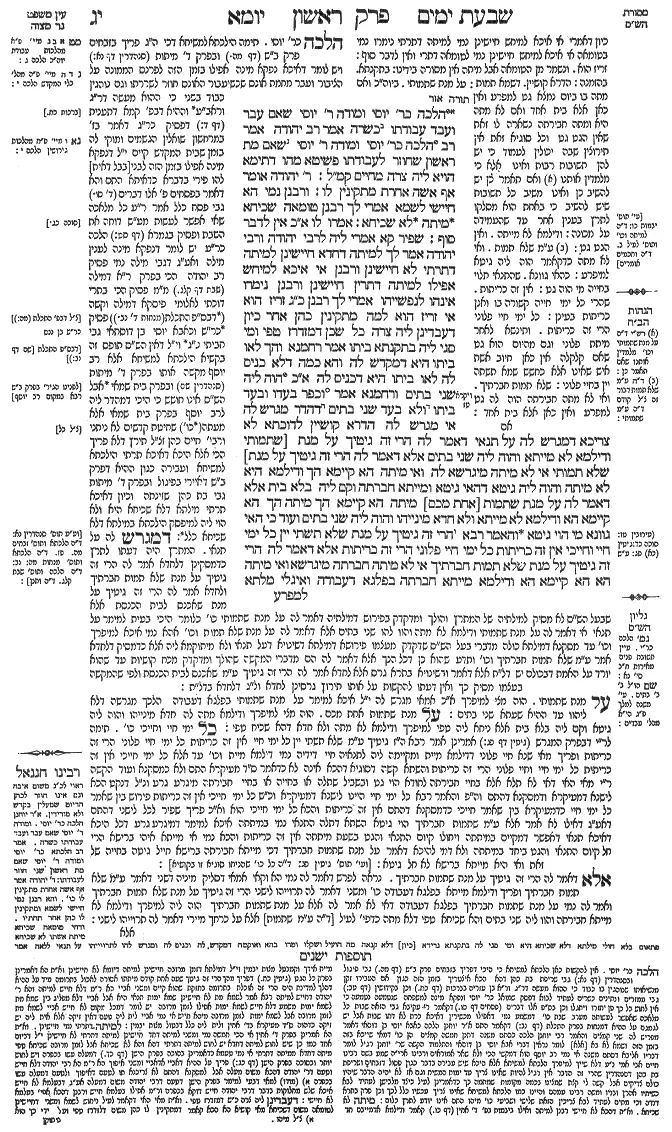
הלכה כר' יוסי ומודה ר' יוסי שאם עבר ועבד עבודתו כשרה אמר רב יהודה אמר רב הלכה כר' יוסי ומודה ר' יוסי שאם מת ראשון שחוזר לעבודתו פשיטא מהו דתימא הויא ליה צרה מחיים קמ"ל ר' יהודה אומר אף אשה אחרת מתקינין לו ורבנן נמי הא חיישי לשמא אמרי לך רבנן טומאה שכיחא מיתה לא שכיחא אמרו לו א"כ אין לדבר סוף שפיר קא אמרי ליה לרבי יהודה ורבי יהודה אמר לך למיתה דחדא חיישינן למיתה דתרתי לא חיישינן ורבנן אי איכא למיחש אפילו למיתה דתרין חיישינן ורבנן נימרו אינהו לנפשייהו אמרי לך רבנן כ"ג זריז הוא אי זריז הוא למה מתקינין כהן אחר כיון דעבדינן ליה צרה כל שכן דמזדרז טפי ומי סגי ליה בתקנתא ביתו אמר רחמנא והך לאו ביתו היא דמקדש לה והא כמה דלא כניס לה לאו ביתו היא דכניס לה א"כ הוה ליה שני בתים ורחמנא אמר (ויקרא טז, ו) וכפר בעדו ובעד ביתו ולא בעד שני בתים דהדר מגרש לה אי מגרש לה הדרא קושיין לדוכתא לא צריכא דמגרש לה על תנאי דאמר לה הרי זה גיטיך על מנת [שתמותי ודילמא לא מייתא והוה ליה שני בתים אלא דאמר לה הרי זה גיטיך על מנת שלא תמותי אי לא מיתה מיגרשא לה ואי מיתה הא קיימא הך ודילמא היא לא מיתה והוה ליה גיטא דהאי גיטא ומייתא חברתה וקם ליה בלא בית אלא דאמר לה על מנת שתמות [אחת מכם] מיתה הא קיימא הך מיתה הך הא קיימא הא ודילמא לא מייתא ולא חדא מינייהו והוה ליה שני בתים ועוד כי האי גוונא מי הוי גיטא והאמר רבא הרי זה גיטיך על מנת שלא תשתי יין כל ימי חיי וחייכי אין זה כריתות כל ימי חיי פלוני הרי זה כריתות אלא דאמר לה הרי זה גיטיך על מנת שלא תמות חברתיך אי לא מיתה חברתה מיגרשא ואי מיתה הא הא קיימא הא ודילמא מייתא חברתה בפלגא דעבודה ואיגלי מלתא
Comments from Rashi on Masechet Yoma Page 13a
שאם עבר ועבד . בשמונה בגדים ככהן גדול עבודתו כשירה דהא כה"ג הוא אלא דאמרו רבנן לא לישתמש משום איבה אבל בארבעה ודאי פסולה דהוה ליה חסר בגדים: שחוזר שני לעבודתו . לכהונה גדולה: פשיטא . דהא משום איבה הוא דאיפסיל: מהו דתימא . משום איבה נפסיל אף לאחר מיתת ראשון דאי אמרת ישמש אחריו הויא ליה צרה מחיים כאשה שהיא צרה לחבירתה דאמר זה מצפה מתי ימות וישמש הוא קא משמע לן דלא חיישינן: הא קא חייש לשמא . יארע בו פסול: טומאה שכיחא . על ידי קרי או על ידי התזת צנורא מפי עם הארץ: נימרו אינהו לנפשייהו . כיון דאמרי אי איכא למיחש חיישינן נמי למיתה דתרתי נימרו נמי בטומאה אי איכא למיחש חיישינן נמי לטומאה דתרי ואין לדבר סוף: זריז הוא . ונשמר מן הטומאה אבל מיתה אין מסורה בידינו: בתקנתא . בהזמנה: הדרא קושיין . דשמא תמות: על מנת שתמותי . ביוה"כ ואם מתה בו ביום נמצא גט למפרע ואין כאן אלא בית אחד ואם לא מתה היא ומתה חבירתה נשארה לו זאת שאין הגט גט וכל סוגיא זאת אין תירוצין שבה יכולין לעמוד כי יש להן תשובות רבות ואינו אלא כי מלמדין אותנו ואם תאמר כן יש להשיב כן ואינו משיב כל תשובות שיש להשיב כי באחת הוא מסלקו לתרץ בענין אחר עד שהעמידה על מכונה: ודילמא לא מייתה . ואין הגט גט: ע"מ שלא תמות . ואי לא מתה כדקאמר הוה ליה גיטא למיפרע: כהאי גוונא . שהתנאי תלוי בחייה מי הוה גט: אין זה כריתות . שהרי כל ימי חייה קשורה בו ואנן כריתות בעינן: כל ימי חיי פלוני הרי זה כריתות . ותינשא לאחר מיתת פלוני וגם מהיום הוא גט שאם קלקלה אין כאן חיוב אשת איש שאינו אלא כחשש שמא תשתה יין בחיי פלוני: שלא תמות חברתיך . ואי לא מתה חבירתה הוה לה גט למפרע ואין כאן אלא בית אחד:
Comments from Tosafot - Yoma 13a
הלכה כר' יוסי . תימה הילכתא למשיחא דכי ה"ג פריך בזבחים פרק ב"ש (דף מה.) ובפרק ד' מיתות (סנהדרין דף נא:) ויש לומר דאיכא נפקא מינה אפילו בזמן הזה לפרנס הממונה על הציבור ועבר מחמת אונס שכשיעבור האונס חוזר לשררתו וגם נוהגין כבוד בשני כי ההוא מעשה דר"ג וראב"ע וההיא דבפ' קמא דתענית (דף ד:) דפסיק כר"ג דאמר בז' במרחשון שואלין הגשמים ומוקי לה בזמן שבית המקדש קיים י"ל דנפקא מינה אפילו בזמן הזה לבני [בבל דאית] להו פירי בדברא כדאיתא התם והא דאמר בפסחים פ' אלו דברים (ד' סו.) גבי פסח כלל אמר ר"ע כל מלאכה שאי אפשר לעשות מע"ש דוחה את השבת ופסיק בגמרא (דף סט:) הלכה כר"ע יש לומר דנפקא מינה לענין מילה ואע"ג דגבי מילה נמי פסיק רב יהודה הכי בפרק ר"א דמילה (שבת דף קלג.) מ"מ פסיק הכי בתרי דוכתי לאלומי פיסקא דמילה וקשה (דבס"פ התכלת (מנחות ד' נב.)) פסיק כר"ש וכאבא יוסי בן דוסתאי גבי חביתי כ"ג וי"ל דאין הש"ס תופס זה בקשיא הילכתא למשיחא אלא רב יוסף מקשה אותו בפרק ד' מיתות (סנהדרין שם) ובפרק בית שמאי אבל הש"ס אינו חושש כי היכי דמהדר ליה לרב יוסף בפרק בית שמאי אלא מעתה (כו') שחיטת קדשים לא ניתני ורבי' חיים כהן זצ"ל תירץ דלא פריך הכי אלא היכא דאיכא תרתי הילכתא למשיחא ועבירה כגון ההיא דפרק ב"ש דאיירי בפיגול ובפרק ד' מיתות גבי בת כהן שזינתה וכיון דאיכא תרתי מילתא דלא שכיחא היא ולא הוי ליה למיפסק הילכתא במילתא דלא שכיחא כלל: דמגרש לה על תנאי . המתרץ היה דעתו לתרץ כדמסקינן דלחדא אמר לה הרי זה גיטיך על מנת שלא תמות חברתיך ולחדא אמר לה הרי זה גיטיך על מנת שאכנס לבית הכנסת אלא שבעל הש"ס לא מסיק למילתיה של המתרץ והולך ומדקדק בפירוש דמילתיה דאמר לה על מנת שתמותי כו' כלומר היכי בעית למימר על תנאי אי דאמר לה על מנת שתמותי ודילמא לא מתה והוו להו שני בתים אלא דאמר לה על מנת שלא תמות וכו' אהא נמי איכא למיפרך וכו' עד מסקנא דמילתא כולה מדברי בעל הש"ס שדקדק מעצמו פירושא דמילתא דשינויא דעל תנאי ולא מיתוקמא ליה אלא כדמסיק דלחדא אמר ע"מ שלא תמות חברתיך וכו' ותדע שהוא כן דכל הנך אלא דאמר לה הם מדברי המקשה שהולך ומדקדק מכח קושיות עד שהוא יורד על האמת דבכולם יש דל"ת אלא דאמר ובשינויא בתרא גרס אלא לחדא אמר לה הרי זה גיטיך ע"מ שאכנס לבית הכנסת ולפי שהמקשה בעצמו מסיק כך ואין דעתו להקשות על אותו תירוץ גרסינן לחדא ול"ג דלחדא בדל"ת: על מנת שתמותי . הוה מצי למיפרך א"כ אמאי מגרש לה י"ל איכא למימר על מנת שתמותי בפלגא דעבודה הלכך מגרשה דלא ליהוו עד ההיא שעתא שני בתים: על מנת שתמות אחת מכם . הוה מצי למיפרך ודילמא מתה לה חדא מינייהו והוה ליה גיטא וקם ליה בלא בית אלא ניחא ליה טפי למיפרך ודילמא לא מתה ולא חדא דהא שכיח טפי: כל ימי חיי וחייכי כו' . תימה לר"י דבפרק המגרש (גיטין דף פג:) אמרינן אמר רבא ה"ז גיטיך ע"מ שלא תשתי יין כל ימי חיי אין זה כריתות כל ימי חיי פלוני הרי זה כריתות ופריך מאי שנא חיי פלוני דדילמא מיית ומקיימה ליה לתנאיה חיי דידיה נמי דילמא מיית וכו' עד אלא כל ימי חייכי אין זה כריתות כל ימי חיי וחיי פלוני הרי זה כריתות והשתא קשה דסוגיא דהכא אינה לא כדאמר ס"ד מעיקרא התם ולא כמסקנא ועוד הקשה ר"י מאי האי דאי לא תלא אלא בחיי חבירתה לחודא הוי גט ובשביל שתלה או בחייה או בחיי חבירתה מיגרע גרע ונ"ל דנקט הכא לישנא דמעיקרא ודמסקנא דהתם וה"פ והאמר רבא כל ימי חיי היינו לישנא דמעיקרא וכ"ש כל ימי חייכי אין זה כריתות פירוש בין שאמר כל ימי חיי כדמעיקרא בין שאמר חייכי כדמסקנא דהתם אין זה כריתות והכא כל ימי חייכי הוא וא"כ פריך שפיר לכל לישני דהתם דאע"ג דאילו לא אמר אלא ע"מ שתמות חברתיך הוי גיטא השתא דתלה התנאי נמי במיתתה איכא למימר דמיגרע גרע דכל היכא דאיכא תנאי דאפשר דמקיים במיתתה ויחולו קיום התנאי והגט בשעת מיתתה אין זה כריתות והכא נמי אי מייתא איהי ברישא הרי חל קיום התנאי והגט ביחד במיתתה ולא דמי להיכא דאמר על מנת שתמות חברתיך דכי מייתא חבירתה ברישא חייל גיטה בחייה של זאת ואי היא מייתא ברישא לא חל גיטא: [ועי' תוס' גיטין פג: ד"ה כל כו' שהניחו סוגיא זו בקושיא]: אלא דאמר לה הרי זה גיטיך על מנת שתמות חברתיך . נראה לפרש דאמר לה נמי הא וקאי אמאי דסליק מיניה דשני דאמר ע"מ שלא תמות חברתיך ופריך ודילמא מייתא בפלגא דעבודה כו' ומשני דאמר לה תרוייהו לישני הרי זה גיטיך על מנת שלא תמות חברתיך ואמר לה נמי על מנת שתמות חברתיך בפלגא דעבודה דאי לא אמר לה אלא על מנת שתמות חברתיך הוה ליה למיפרך ודילמא לא מייתא חבירתה והוו ליה שני בתים והא שכיחא טפי דלא מתה כדפי' לעיל [ד"ה ע"מ שתמות] אלא על כרחך מיירי דאמר לה תרוייהו לישני:
Yoma 13a - Mishnah translated into english
The halakha is in accordance with the opinion of Rabbi Yosei that the original High Priest returns to his service, while the second is fit to serve neither as High Priest nor as a common priest. And Rabbi Yosei concedes that if the second priest violated this provision and served as High Priest wearing eight garments, his service is valid. Rav Yehuda said that Rav said: The halakha is in accordance with the opinion of Rabbi Yosei, and Rabbi Yosei conceded that if the original High Priest dies, the second returns to his service as High Priest.
The Gemara asks: That is obvious. Clearly, the second priest may serve as High Priest after the first one dies without concern that their rivalry will generate hatred between them. The Gemara answers: Lest you say that the mere knowledge that another priest is in waiting to replace him is enough to generate hatred, and would be for him like a woman whose husband has taken a rival wife in her lifetime; therefore, Rav teaches us that this is not a concern.
§ It was taught in the mishna that Rabbi Yehuda says: The Sages would even designate another wife for the High Priest lest his wife die. The Rabbis say: There is no concern lest his wife die, and therefore the Sages did not designate another wife for him. The Gemara asks with regard to the Rabbis: Aren’t they concerned lest he become impure, which is why the Sages designate a replacement High Priest? Why then, are they not concerned lest his wife die? The Gemara answers that the Rabbis could have said to you: Impurity is common, as it is not unusual for the High Priest to become impure either due to secretions from his body or from an external source. Death is not common, and therefore there is no concern lest his wife die.
It was taught in the mishna that the Rabbis said to Rabbi Yehuda: If so, that you are concerned lest his wife die, there is no end to the matter. You should also be concerned lest the second wife die, requiring designation of a third and even a fourth wife. The Gemara comments: The Rabbis spoke well to Rabbi Yehuda, making a good point. What can Rabbi Yehuda respond? Rabbi Yehuda could have said to you: For the potential death of one wife, we are concerned; for the potential death of two wives, we are not concerned, as the likelihood of that happening is negligible. The Gemara asks: And what would the Rabbis respond to that contention? They would say: If there is reason to be concerned for a potential death, then even for the potential death of two wives, we are concerned.
The Gemara suggests: If according to the Rabbis there is no distinction between concern that one wife might die and concern that two wives might die, let them say the same with regard to their own opinion. Just as they designate a replacement lest the High Priest become impure, they should designate a second replacement lest the first replacement also become impure. The Gemara answers that the Rabbis could have said to you: The High Priest is vigilant in avoiding impurity. No amount of vigilance can prevent death. The Gemara asks: If he is vigilant in avoiding impurity, then why do the Sages designate another priest in his stead? The reason for the designation of the replacement is that once we establish a replacement as a rival, all the more so will the High Priest be even more vigilant in avoiding impurity to maintain his position.
§ The Gemara asks with regard to Rabbi Yehuda’s opinion: And is designation of a second wife sufficient for him? The Merciful One stated in the Torah: “And he shall make atonement for himself and for his house” (Leviticus 16:11). House means wife; and this designated woman is not his wife as they are not yet married. What purpose does designation serve if his wife dies on Yom Kippur? The Gemara answers: He betroths her before Yom Kippur. The Gemara asks: But that does not solve the problem. As long as he has not married her, she is not yet his house, i.e., his wife. The Gemara answers: Rabbi Yehuda says that not only is a replacement wife designated, but he actually marries her. If so, another problem arises. The High Priest has two houses, and the Merciful One said: “And he shall make atonement for himself and for his house” (Leviticus 16:11). He atones for one house and not for two houses.
The Gemara answers: Rabbi Yehuda says that after marrying the second wife, he then divorces her. The Gemara asks: If he divorces her, our difficulty is restored to its original place. There is no point in designating a second wife, as if the first wife dies, the second woman is not married to him. The Gemara responds: No, it is necessary in a case where he marries her and divorces her provisionally, as he says to her: This is your bill of divorce on condition that you die on Yom Kippur. If she dies on Yom Kippur, then she was divorced retroactively and he has only one wife; if she does not die but the original wife dies, her divorce does not take effect and the second wife is married to the High Priest. In either case, the High Priest has only one wife. The Gemara asks: And perhaps neither she nor the original wife will die, and the High Priest then has two houses on Yom Kippur.
Rather, it is a case where the High Priest said to her, the woman designated: This is your bill of divorce on condition that you will not die on Yom Kippur. If she does not die, then she is divorced and he remains married to the original wife; if she dies, isn’t that original wife alive and he remains married to her alone? The Gemara asks: And perhaps the second one will not die and her bill of divorce will be a valid bill of divorce, meaning she is not his wife, but her counterpart might die, leaving the High Priest without a wife at all on Yom Kippur.
Rather, it is a case where the High Priest said to her: This is your bill of divorce on condition that one of you dies. If this one dies, that one is alive, and if that one dies, isn’t this one alive? The Gemara asks: And perhaps neither one of them will die, and he will then have two houses.
And furthermore, the question arises: Is a document of that sort a valid bill of divorce? Does a condition of that sort take effect? But didn’t Rava say: If a man says to his wife: This is your bill of divorce on condition that you will not drink wine for all the days of my life and your life, that is not severance. The bill of divorce in the Torah is called a bill of severance, meaning that for the document to be valid all connections between the husband and wife must be severed. If there is a provision in the document that maintains a permanent connection between the spouses, e.g., not to drink wine for all of her life, the document does not effect a valid divorce.
However, if one said to his wife: This is your bill of divorce on condition that you will not drink wine during all the days of the life of so-and-so; that is severance. Since the condition is not dependent on her and him but on the life of a third party, it is like any other condition in a divorce. Therefore, in the case of the High Priest, since the divorce takes effect only if neither of the women dies, that is a condition that maintains a relationship between the husband and wife for as long as she lives, which invalidates the divorce.
Rather, it is a case where the High Priest said to the second wife: This is your bill of divorce on condition that your counterpart, the other wife, will not die. If her counterpart, the first woman, does not die, the second woman is divorced; and if the first woman dies, isn’t the second woman alive and not divorced? The Gemara asks: And perhaps her counterpart will die in the middle of the Yom Kippur service, and it will become clear
Traduction : The William Davidson digital edition of the Koren Noé Talmud, with commentary by Rabbi Adin Even-Israel Steinsaltz.