 Talmud Bavli
The learning on the whole site is dedicated : L'ilui Nishmat רינה בת לדיסיה
The learning on the whole site is dedicated : L'ilui Nishmat Avraham Ben Simha
The learning on the whole site is dedicated : L'ilui Nishmat Yaakov ben Myriam
Yoma 27a : Youtube
Daf TubeYoutube
3 video classes :
Yoma Page 27a
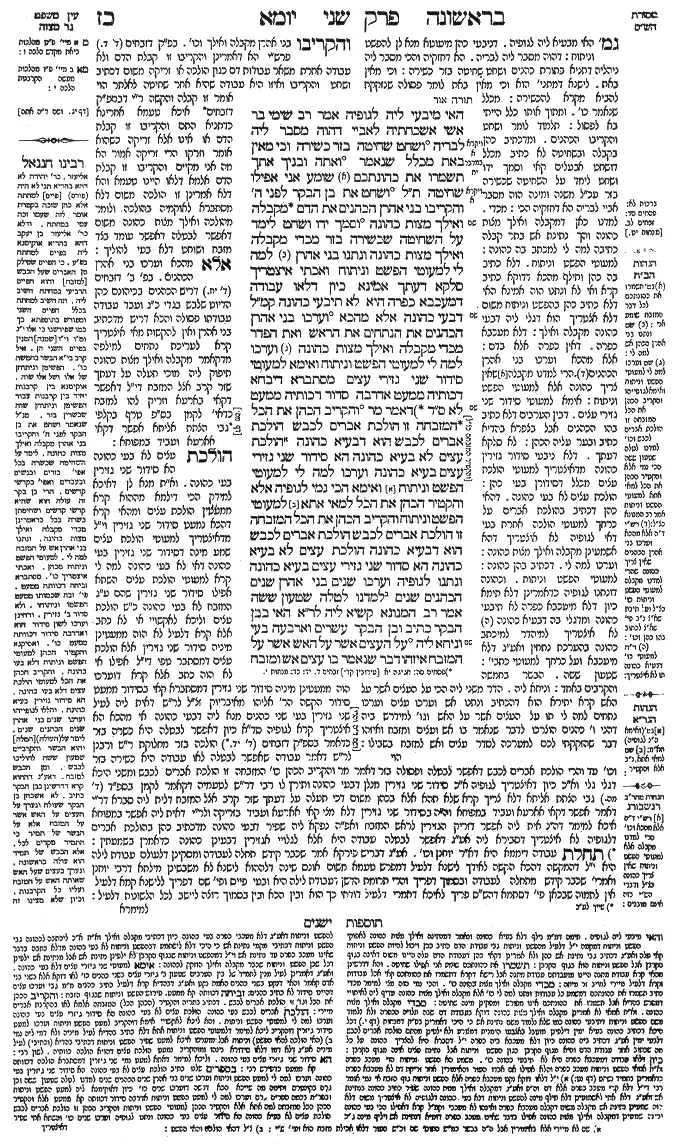
Yoma 27a - Guemara
האי מיבעי ליה לגופיה אמר רב שימי בר אשי אשכחתיה לאביי דהוה מסבר ליה לבריה (ויקרא א, ה) ושחט שחיטה בזר כשירה וכי מאין באת מכלל שנאמר (במדבר יח, ז) ואתה ובניך אתך תשמרו את כהונתכם שומע אני אפילו שחיטה ת"ל (ויקרא א, ה) ושחט את בן הבקר לפני ה' והקריבו בני אהרן הכהנים את הדם מקבלה ואילך מצות כהונה (ויקרא א, ד) וסמך ידו ושחט לימד על השחיטה שכשירה בזר מכדי מקבלה ואילך מצות כהונה ונתנו בני אהרן למה לי למעוטי הפשט וניתוח ואכתי איצטריך סלקא דעתך אמינא כיון דלאו עבודה דמעכבא כפרה היא לא תיבעי כהונה קמ"ל דבעי כהונה אלא מהכא (ויקרא א, ח) וערכו בני אהרן הכהנים את הנתחים את הראש ואת הפדר מכדי מקבלה ואילך מצות כהונה וערכו למה לי למעוטי הפשט וניתוח ואימא למעוטי סידור שני גזירי עצים מסתברא דיבחא דכותיה ממעט אדרבה סדור דכותיה ממעט לא ס"ד דאמר מר (ויקרא א, יג) והקריב הכהן את הכל המזבחה זו הולכת אברים לכבש הולכת אברים לכבש הוא דבעיא כהונה הולכת עצים לא בעיא כהונה הא סידור שני גזירי עצים בעיא כהונה וערכו למה לי למעוטי הפשט וניתוח ואימא הכי נמי לגופיה אלא והקטיר הכהן את הכל למאי אתא למעוטי הפשט וניתוח והקריב הכהן את הכל המזבחה זו הולכת אברים לכבש הולכת אברים לכבש הוא דבעיא כהונה הולכת עצים לא בעיא כהונה הא סדור שני גזירי עצים בעיא כהונה ונתנו לגופיה וערכו שנים בני אהרן שנים הכהנים שנים למדנו לטלה שטעון ששה אמר רב המנונא קשיא ליה לר"א האי בבן הבקר כתיב ובן הבקר עשרים וארבעה בעי וניחא ליה (ויקרא א, ח) על העצים אשר על האש אשר על המזבח איזהו דבר שנאמר בו עצים אש ומזבח
Comments from Rashi on Masechet Yoma Page 27a
גמ' האי מבעיא ליה לגופיה . דניבעי כהן מיעוטא מנא לן להפשט וניתוח: דהוה מסבר ליה לבריה . הא דחזקיה והכי מסבר ליה ניהליה דתניא בתורת כהנים ושחט שחיטה בזר כשירה: וכי מאין באת . לישנא דמתני' הוא וכי מאין באת לומר פסולה שנזקקת להביא מקרא להכשירה: מכלל שנאמר כו' . ומתוך אותו כלל הייתי בא לפסול: תלמוד לומר ושחט והקריבו הכהנים . ומדכתיב כהן בקבלה ובשחיטה לא כתיב מכלל דושחט אבעלים קאי וסמך ידו ושחט לימד על השחיטה שכשירה בזר עכ"ל משנה ומינה הוה מסבר אביי לבריה הא דחזקיה הכי: מכדי . למדנו כאן דמקבלה ואילך מצות כהונה והך נתינת אש בתר קבלה כתיבה למה לי למכתב בה כהונה: למעוטי הפשט וניתוח . דלא כתיב בה כהן ותילף מהכא דדוקא כתיב קרא ואי לא ונתנו הוה אמינא האי דלא כתיב כהן בהפשט וניתוח משום דלא אצטריך הוא דגלי ליה דבעי כהונה מקבלה ואילך: דלא מעכבא כפרה . דאין כפרה אלא בדם: אלא מהכא וערכו בני אהרן הכהנים . הרי למדנו מקבלה שאין צריך כהונה אלא למעוטי הפשט וניתוח: אימא למעוטי סידור שני גזירי עצים . דבין הערבים דלא כתיב בהו הכהנים אבל בצפרא בהדיא כתיב ובער עליה הכהן: לא סלקא דעתך . דלא ניבעי סידור גזירין כהונה מדאיצטריך למעוטי הולכת עצים מכלל דסידורן בעי כהן: הולכת עצים לא בעי כהונה . דהאי כהן דכתיב בהולכת אברים על כרחך למעוטי הולכה אחרת בעי דאי לגופיה לא איצטריך דהא אשמעינן מקבלה ואילך מצות כהונה: וערכו למה לי . דכתיב בהן כהונה: למעוטי הפשט וניתוח . וכהונה דונתנו לגופיה כדאמרינן דלא תימא כיון דלא מיעכבא כפרה לא תיבעי כהונה ומדגלי בה דבעיא כהונה לא איצטריך למיהדר למיכתב כהונה בהערכת נתחין ואע"ג דלא מיעכבא ועל כרחך למעוטי כתבי': שטעון ששה . הבשר בחמשה והקרבים באחד: וניחא ליה . הדר משני ליה הכי על העצים אשר על האש קרא יתירא הוא דהכתיב ונתנו אש וערכו עצים וערכו נתחים למה לי תו על העצים אשר על האש וגו' למידרש ביה דהני ו' כהנים הוצרכו לדבר שנאמר בו אש ועצים ומזבח ואיזהו דבר שהזקקתי לכם למערכה לסדר עצים ואש למזבח בשבילו:
Comments from Tosafot - Yoma 27a
והקריבו בני אהרן מקבלה ואילך וכו' . בפ"ק דזבחים (ד' ד.) פרש"י הא דאמרינן והקריבו זו קבלת הדם ולא עבודה אחרת משאר עבודות דם כגון הולכה או זריקה משום דכתיב ושחט והקריבו ואיזו היא עבודה שהיא אחר שחיטה לאלתר הוי אומר זו קבלה והקשה ר"י דבספ"ק דזבחים איכא טעמא אחרינא כדתניא התם והקריבו זו קבלת הדם או אינו אלא זריקה כשהוא אומר וזרקו הרי זריקה אמור הא מה אני מקיים והקריבו זו קבלת הדם אלמא דלאו היינו טעמא והא דלא אמרינן זו הולכה משום דלא מסתברא לאוקמיה בהולכה ולומר מהולכה ואילך מצות כהונה משום דאפשר לבטלה דאפשר עומד בצד מזבח ושוחט דלא בעי להוליך: אלא מהכא וערכו בני אהרן הכהנים . בפ' ב' דזבחים (ד' יח.) דריש הכהנים בכיהונם כהן הדיוט שלבש בגדי כ"ג ועבד עבודה עבודתו פסולה והכא דריש מדכתיב בני אהרן ואין להקשות מאי איצטריך קרא לעריכת נתחים למילפה מדקאמר מקבלה ואילך מצות כהונה תיפוק ליה מוכי תעלה על דעתך שזר קרב אצל המזבח די"ל דאפשר דקאי בארעא וזריק להו למזבח כדאי' לקמן בס"פ טרף בקלפי גבי הצתת אליתא אפשר דקאי אארעא ועביד במפוחא: הולכת עצים לא בעי כהונה הא סידור שני גזירין בעי כהונה . וא"ת מנא לן דאיכא למידק הכי דילמא מההוא קרא ממעטין הולכת עצים ומהאי קרא דהכא נמעט סידור שני גזירין וי"ל מדאיצטריך למעוטי הולכת עצים שמע מינה דסידור שני גזירין בעי כהונה דאי לא בעי כהונה למה לי קרא למעוטי הולכת עצים השתא אפילו סידור שני גזירין שהם ע"ג המזבח לא בעי כהונה כ"ש הולכת עצים וליכא לאקשויי אי לא כתב אלא קרא דלעיל לא הוה ממעטינן מיניה סידור שני גזירין אלא הולכת עצים דמסתבר טפי די"ל אפילו אי לא הוה כתב אלא קרא דוערכו הוה ממעטינן מיניה סידור שני גזירין דמסתברא קאי בסידור ממעט סידור הקשה הר' אליהו מאיבריוק זצ"ל לר"ש דאית ליה לעיל שני גזירין בעי שני כהנים מנא ליה דבעי כהונה אי מהכא הא איצטריך קרא לגופיה סד"א כיון דאפשר לבטלה היא כשרה בזר כדאמר בספ"ק דזבחים (ד' יד.) הולכה בזר מחלוקת ר"ש ורבנן לר"ש דאמר עבודה שאפשר לבטלה לאו עבודה היא כשירה בזר וכו' עד והרי הולכת אברים לכבש דאפשר לבטלה ופסולה בזר דאמר מר והקריב הכהן כו' המזבחה זו הולכת אברים לכבש ומשני היכא דגלי גלי וא"כ כיון דאיצטריך לגופיה א"כ סידור שני גזירין מנלן דבעי כהונה ותירץ לו רבי דר"ש לטעמיה דקאמר לקמן בספ"ד (יומא ד' מה.) גבי הצתת אליתא דלא צריך קרא שלא תהא אלא בכהן משום דכי תעלה על דעתך שזר קרב אצל המזבח דלית ליה סברא דר"י דאמר אפשר דקאי אארעא ועביד במפוחא וה"ה בסידור שני גזירין דלא מצי קאי אארעא ועביד בזריקה ולר"י דאית ליה אפשר במפוחא איכא למימר דה"נ אית ליה אפשר דזריק הגזירין לראש המזבח ואפ"ה נפקא ליה שפיר דבעי כהונה מדכתיב כהן בהולכת אברים דלגופיה לא איצטריך דסבירא ליה אע"ג דאפשר לבטלה עבודה היא אלא לגלויי אגזירין דבעינן כהונה כדאמרן בשמעתין:
Yoma 27a - Mishnah translated into english
The Gemara asks: But that verse about putting fire on the altar is needed for its own sake, to teach that the wood must be brought by a priest; it should not be interpreted as an inference that other services, such as flaying and cutting, may be performed by non-priests. Rav Shimi bar Ashi said: I found Abaye explaining Hizkiya’s derivation to his son based on the following baraita. It is written: “And he shall slaughter the bull before the Lord” (Leviticus 1:5), with no mention of a priest, which teaches that slaughter by a non-priest is acceptable. The baraita continues: Now, from where would you come to think otherwise? Why would one even suspect that a priest should be required to slaughter the offering, so that a specific verse is required to tell us otherwise? From the fact that it is stated: “And you and your sons with you shall keep your priesthood” (Numbers 18:7), I would derive that no part of the sacrificial service may be performed by a non-priest, not even slaughtering.
The baraita continues: Therefore, the verse states: “And he shall slaughter the bull before the Lord, and the sons of Aaron…shall sacrifice the blood” (Leviticus 1:5), from which it is inferred that from the sacrificing of blood, which begins with the collection of the blood, and onward is a mitzva exclusively of priesthood. Just prior to this the Torah states: “And he shall place his hands upon the head of the burnt-offering…and he shall slaughter the bull before the Lord” (Leviticus 1:4–5). In this verse the Torah is referring to the donor of the offering when it says: He shall place his hands, and therefore when it continues: And he shall slaughter, it is also referring to the donor. The Torah thereby taught that the slaughter of the offering is acceptable if performed by a non-priest.
Abaye asked: Since, as this baraita establishes, from the collection of the blood and onward is a mitzva exclusively of priesthood, why do I need the Torah to say afterward: “The sons of Aaron shall put fire on the altar” (Leviticus 1:7)? Since the verse about putting the fire on the altar follows the verse about collection of blood, it is clear that it must be done by priests, and the verse’s stipulation of this fact appears superfluous. This is why Ḥizkiya concluded that the verse is not required for its own sake but is needed to teach the following inference: It is only the placing of fire on the altar that requires priests, to the exclusion of flaying and cutting up the animal, which may be performed by a non-priest.
The Gemara asks: But still, the verse about the placement of wood by priests is necessary for its own sake. As it might have entered your mind to say that since placing the wood is not a service that is indispensable for obtaining atonement, as atonement is achieved solely through the blood of the offering, it should not be required to be performed by priests. And one might have thought that the principle that all tasks from the collection of the blood and onward require a priest applies only to services relating to the blood. Therefore, the verse teaches us that nevertheless, priesthood is required. Consequently, it cannot be asserted that the verse is written for the purpose of excluding other services.
Rather, Hizkiya’s derivation must be rejected, and the acceptability of non-priests for flaying and cutting the animal must be learned from here: It is written: “And Aaron’s sons, the priests, shall lay out the pieces, the head and the fat” (Leviticus 1:8). Since, as the baraita above establishes, from the collection of the blood and onward is a mitzva exclusively of priesthood, why do I need the verse to specify: “And Aaron’s sons shall lay out the pieces”? Since the specification of priesthood here appears superfluous, one must conclude that it is written not for its own sake but to exclude flaying and cutting up the animal, to teach that those acts need not be performed by a priest.
The Gemara asks: Granted, the verse comes to convey the inference that another act does not require priesthood, but say that it comes to exclude the arrangement of the two logs, to teach that this activity may be done by a non-priest. The Gemara rejects this: It is more reasonable that the verse, which deals with laying out the pieces of the offering on the altar, would exclude a service that is similar to itself, i.e., something related to the body of the sacrificial animal, such as flaying it and cutting it up, rather than the arrangement of the wood, which is not related to the animal itself.
The Gemara responds: On the contrary, one should say that it excludes something relevant to arrangement, i.e., the placement of the logs, which is similar to the laying of the pieces of the offering in that both pertain to the placement of an item on the altar. Perhaps, then, the verse is coming to convey the inference that the arrangement of the logs, unlike the arrangement of the pieces of the offering, may be performed by a non-priest.
The Gemara rejects this argument: It cannot enter your mind to say this, as the Master said: After mentioning the mitzva to collect the blood, the Torah states: “And the priest shall bring all of it near and burn it on the altar” (Leviticus 1:13), where bringing near is referring to carrying the limbs to the ramp. The specification of priesthood in this verse is not required for its own sake, since all services following the collection of blood require priesthood. Therefore, it must be that it comes to convey the inference that it is only carrying the limbs to the ramp that requires priesthood, but carrying wood to the altar does not require priesthood. This, in turn, implies that the actual arrangement of the two logs, which was not excluded, does require priesthood.
The Gemara returns to the derivation presented above, where the question was raised: Why do I need the words “and Aaron’s sons shall lay out the pieces”? The conclusion was that the specification of priesthood here comes to exclude flaying and cutting up the animal, to teach that these acts may be performed by a non-priest. The Gemara now rejects this derivation: But say that this verse too is necessary for its own sake, to teach the lesson that the Gemara will shortly derive from these words (Maharsha), and one can no longer assert that the verse comes solely for the purpose of conveying the inference that other, similar acts, i.e., flaying and cutting up the animal, do not require priesthood.
Rather, this derivation must be rejected as well, and another verse must be found from which to prove that non-priests may flay and cut up the animal. The Torah states: “And the priest shall burn all of it on the altar” (Leviticus 1:9). Since this is an act following the collection of the blood, the specification of priesthood is not needed for its own sake. Therefore, for what purpose does that verse come? It comes to exclude flaying and cutting up the animal, which may be performed by a non-priest.
The Gemara reviews the lessons taught by the other verses cited above. When the Torah writes: “The priest shall bring all of it near…the altar” (Leviticus 1:13), this is referring to carrying the limbs to the ramp, and the verse comes to exclude other, similar actions, teaching that although carrying the limbs to the ramp requires priesthood, carrying wood to the altar does not require priesthood. Therefore, it is derived from here as well that the arrangement of the two logs does require priesthood, as explained above. And when the Torah writes: “The sons of Aaron shall put fire on the altar” (Leviticus 1:7), this is necessary for its own sake, to teach that this service must be done by priests.
When the Torah states: “And the sons of Aaron, the priests, shall lay out the pieces, the head and the fat” (Leviticus 1:8), it comes to teach the following: “And they shall lay out,” through the use of the plural, teaches that it must be done by two priests, as the minimum number implied by a plural word is two. “The sons of Aaron,” also in plural, indicates an additional two; “the priests,” also in plural, indicates two more. We therefore learn from this verse that the sacrificial lamb requires six priests to carry its limbs to the altar. The flesh is taken by five priests, and the innards by one, as described in an earlier mishna.
Rav Hamnuna said that Rabbi Elazar posed a difficulty: This verse is written about a young bull, not a lamb; and a bull requires twenty-four priests. How, then, can this verse be used as the source that six priests are required to carry the limbs of a lamb? And he resolved the difficulty himself as follows: The same verse states: “On the wood that is on the fire upon the altar” (Leviticus 1:8), all of which apparently teaches nothing new about the sacrifice. Therefore, it is seen as an allusion to the daily offering, which was a lamb, as what is an item about which it is stated that specially prepared wood and fire on an altar must be provided, and that pre-existing wood and fire do not suffice?
Traduction : The William Davidson digital edition of the Koren Noé Talmud, with commentary by Rabbi Adin Even-Israel Steinsaltz.