 Talmud Bavli
The learning on the whole site is dedicated : L'ilui Nishmat Rav Chlomo Ben Jamilla
The learning on the whole site is dedicated : L'ilui Nishmat Chemouel Eliezer ben Batcheva
The learning on the whole site is dedicated : L'ilui Nishmat Ledicia bat David Banoun
Yoma 2a : Youtube
Daf TubeYoutube
3 video classes :
Yoma Page 2a
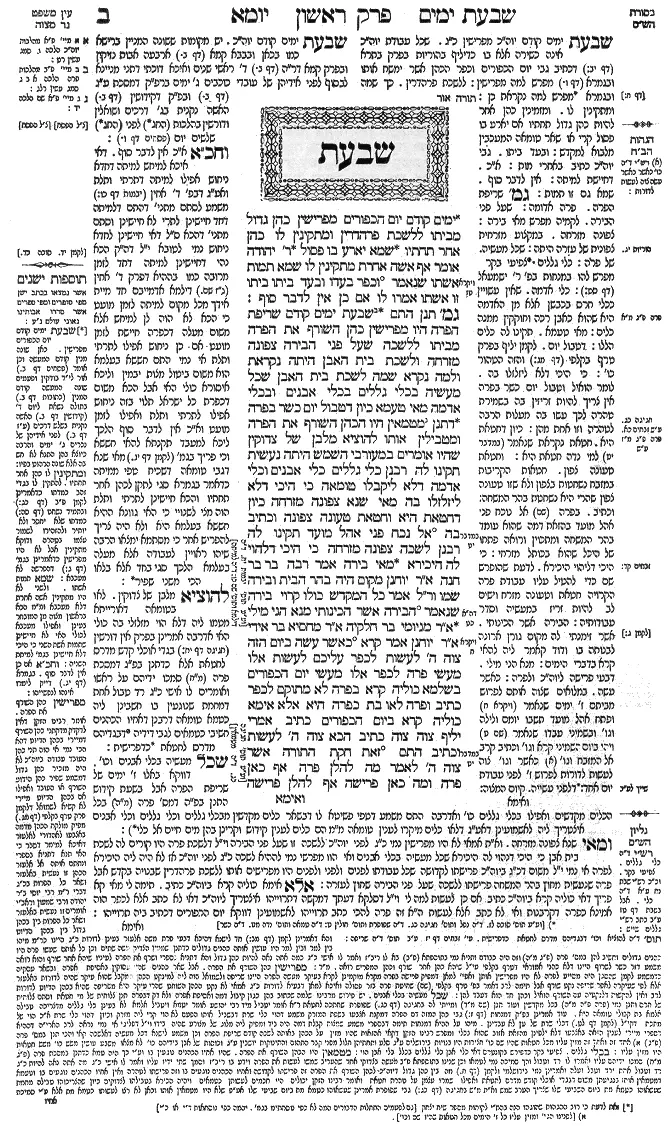
Yoma 2a - Guemara
מתני׳ שבעת ימים קודם יום הכפורים מפרישין כהן גדול מביתו ללשכת פרהדרין ומתקינין לו כהן אחר תחתיו שמא יארע בו פסול ר' יהודה אומר אף אשה אחרת מתקינין לו שמא תמות אשתו שנאמר (ויקרא טז, ו) וכפר בעדו ובעד ביתו ביתו זו אשתו אמרו לו אם כן אין לדבר סוף:
גמ׳ תנן התם שבעת ימים קודם שריפת הפרה היו מפרישין כהן השורף את הפרה מביתו ללשכה שעל פני הבירה צפונה מזרחה ולשכת בית האבן היתה נקראת ולמה נקרא שמה לשכת בית האבן שכל מעשיה בכלי גללים בכלי אבנים ובכלי אדמה מאי טעמא כיון דטבול יום כשר בפרה דתנן מטמאין היו הכהן השורף את הפרה ומטבילין אותו להוציא מלבן של צדוקין שהיו אומרים במעורבי השמש היתה נעשית תקינו לה רבנן כלי גללים כלי אבנים וכלי אדמה דלא ליקבלו טומאה כי היכי דלא ליזלזלו בה מאי שנא צפונה מזרחה כיון דחטאת היא וחטאת טעונה צפונה וכתיב בה (במדבר יט, ד) אל נכח פני אהל מועד תקינו לה רבנן לשכה צפונה מזרחה כי היכי דלהוי לה היכירא מאי בירה אמר רבה בר בר חנה א"ר יוחנן מקום היה בהר הבית ובירה שמו ור"ל אמר כל המקדש כולו קרוי בירה שנאמר (דברי הימים א כט, יט) הבירה אשר הכינותי מנא הני מילי א"ר מניומי בר חלקיה א"ר מחסיא בר אידי א"ר יוחנן אמר קרא (ויקרא ח, לד) כאשר עשה ביום הזה צוה ה' לעשות לכפר עליכם לעשות אלו מעשי פרה לכפר אלו מעשי יום הכפורים בשלמא כוליה קרא בפרה לא מתוקם לכפר כתיב ופרה לאו בת כפרה היא אלא אימא כוליה קרא ביום הכפורים כתיב אמרי יליף צוה צוה כתיב הכא צוה ה' לעשות וכתיב התם (במדבר יט, ב) זאת חקת התורה אשר צוה ה' לאמר מה להלן פרה אף כאן פרה ומה כאן פרישה אף להלן פרישה
Comments from Rashi on Masechet Yoma Page 2a
מתני' שבעת ימים קודם יוה"כ מפרישין כ"ג . שכל עבודת יוה"כ אינה כשירה אלא בו כדיליף בהוריות בפרק בתרא (דף יב:) דכתיב גבי יום הכפורים וכפר הכהן אשר ימשח אותו ובגמרא (דף ו.) מפרש למה מפרישין: ללשכת פרהדרין . כך שמה ובגמרא מפרש למה נקראת כן: ומתקינין לו . ומזמנין כהן אחר להיות כהן גדול תחתיו אם יארע בו פסול קרי או שאר טומאה המעכבין מלבוא למקדש: ובעד ביתו . גבי יוה"כ כתיב באחרי מות: א"כ . דחיישת למיתה: אין לדבר סוף . שמא גם זו תמות: גמ' שריפת הפרה . פרה אדומה: שעל פני הבירה . לקמיה מפרש מאי בירה: צפונה מזרחה . במקצוע מזרחית צפונית של עזרה היתה: שכל מעשיה . של פרה: כלי גללים . צפיעי בקר מפרש להו במנחות בפ' ר' ישמעאל (דף סט:): כלי אדמה . שאין עשויין ככלי חרס בכבשן אלא מן האדמה היא שהוא כאבן רכה וחוקקין ממנה כלים: מאי טעמא . תקינו לה כלים הללו: דטבול יום . לקמן יליף בפרק טרף בקלפי (דף מג:) והזה הטהור כו': כי היכי דלא ליזלזלו בה . לומר הואיל וטבול יום כשר בפרה אין צריך להיות זריזין בה בשמירת טהרה לכך עשו בה מעלות הרבה לטהרה וזו אחת מהן: כיון דחטאת היא . חטאת נקראת שנאמר (במדבר יט) למי נדה חטאת היא: וחטאת טעונה צפון . חטאות הקריבות במזבח נשחטות בצפון ולא שזו טעונה צפון שהרי היא נשחטת בהר המשחה: וכתיב . בפרה (שם) אל נוכח פני אהל מועד בהזאת דמה שהוא עומד בהר המשחה ומתכוין ורואה פתחו של היכל שהוא בכותל מזרחי: כי היכי דליהוי היכירא . לדעת שהופרש שם כדי להטיל עליו עבודת פרה הקרויה חטאת וטעונה מזרח וישים לב להיות זריז במעשיה וסדר עבודותיה: הבירה אשר הכינותי . אשר זימנתי לה מקום גורן ארונה לבנותה בו ודוד קאמר ליה להאי קרא בדברי הימים: מנא הני מילי . דבעי פרישה ליוה"כ ולפרה: כאשר עשה . במלואים שצוה אותם לפרוש מביתם ז' ימים שנאמר (ויקרא ח) ופתח אהל מועד תשבו יומם ולילה וגו' ובשמיני עבדו שנאמר (שם ט) ויהי ביום השמיני קרא וגו' וכתיב קרב אל המזבח וגו' כאשר וגו' צוה לעשות לדורות לפרוש ז' לפני עבודת יום אחד:
Comments from Tosafot - Yoma 2a
מתני' שבעת ימים קודם יוה"כ . יש מקומות ששונה המניין ברישא כמו בכאן ובבבא קמא (דף ב.) ארבעה אבות נזיקין ובפרק קמא דר"ה (דף ב.) ד' ראשי שנים ואיכא דוכתי דתני מניינא לבסוף לפני אידיהן של עובדי כוכבים ג' ימים ברפ"ק דמסכת ע"ג (דף ב.) ובפ"ק דקידושין (דף ב.) האשה נקנית בג' דרכים ושואלין ודורשין בהלכות (החג) לפני (החג) שלשים יום (פסחים דף ו.): וחכ"א א"כ אין לדבר סוף . דאי איכא למיחש למיתה דחדא ניחוש אפילו למיתה דתרתי ותלת ואע"ג דבפ' ד' אחין (יבמות דף כו:) משמע לסתם מתני' דהתם דלמיתה דחד חיישינן לתרי לא חיישינן וסתם מתני' דהכא ס"ל דאי חיישינן לחדא ניחוש נמי לטובא י"ל דה"ק הכא נהי דחיישינן למיתה דחד לזמן מרובה כמו בההיא דפרק ד' אחין (ג"ז שם.) דילמא אדמייבם חד מיית אידך מכל מקום למיתה לזמן מועט כי הכא לא הוה לן למיחש אלא משום מעלה דכפרה חיישת לזמן מועט אם כן ניחוש אפילו לתרתי ותלת אי נמי התם חששא בעלמא הוא משום ביטול מצות יבמין וליכא איסורא כולי האי אבל הכא משום דכפרת כל ישראל תלוי בזה ניחוש אפילו לתרתי ותלת ואפילו לזמן מועט וא"כ אין לדבר סוף הלכך ליכא למעבד תקנתא להאי חששא וכי פריך בגמ' (לקמן יומא דף יג.) מאי שנא דגבי טומאה דשכיח טפי ממיתה כדאמר בגמרא סגי לתקן לכהן אחר תחתיו והכא חיישינן לתרתי ותלת הוה מצי לשנויי כי האי גוונא ההיא חששא בעלמא היא ולא היה צריך להפריש אחר כי מסתמא ימצאו הרבה שיהו ראויין לעבודה אלא מעלה בעלמא הלכך סגי בחד אלא בלאו הכי משני שפיר: שכל מעשיה בכלי אבנים וכו' . דווקא באלו ז' ימים של שריפת הפרה אבל בשעת קידוש התנן בפ"ה דמס' פרה (מ"ה) בכל הכלים מקדשים ואפילו בכלי גללים כו' ואדרבה התם משמע דטפי פשיטא לו דבשאר כלים מקדשין מבכלי גללים וכלי גללים וכלי אבנים איצטריך ליה לאשמועינן דאע"ג דלאו כלים מיקרו לענין טומאה מ"מ הם כלים לענין קידוש וקרינן בהן מים חיים אל כלי: להוציא מלבן של צדוקין . לאו בטומאה דאורייתא מטמו ליה דלא הוי מזלזלי בה כולי האי אדרבה אמרינן בפרק אין דורשין (חגיגה דף יח:) בגדי אוכלי קדש מדרס לחטאת אלא כדתנן בפ"ג דמסכת פרה (מ"ח) סמכו ידיהם על ראשו ואומרים לו אישי כ"ג רד טבול אחת דמחמת שנוגעין בו חשבינן ליה כטמא טומאה דרבנן דאחיו הכהנים חשיבי כטמאים לגבי דידיה דבגדיהם מדרס לחטאת כדפרישית: ומאי שנא צפונה מזרחה . וא"ת אמאי לא היו מפרישין נמי כ"ג לפני יוה"כ ללשכה זו שעל פני הבירה וי"ל דלשכת פרה היו קורים לה לשכת בית אבן כי היכי דנהוי לה היכירא שכל מעשיה בכלי אבנים ואי הוו מפרשי נמי לההיא לשכה כ"ג לפני יוה"כ אז לא הוה ליה היכירא לפרה אי נמי י"ל משום דכ"ג ביוה"כ פרישתו לקדושה שכל עבודתו לפנים ולפני ולפנים היו מפרישים אותו ללשכת פרהדרין שבנויה בקדש אבל פרה שנעשית מחוץ בהר המשחה פרישתו ללשכה שעל פני הבירה שחוץ לעזרה: אלא אימא כוליה קרא ביוה"כ כתיב . תימה לי מאי קא פריך דאי כוליה קרא ביוה"כ כתיב אם כן לעשות למה לי וי"ל דסלקא דעתך דמקשה דתרוייהו איצטריך ליוה"כ דאי לא כתב אלא לכפר הוה אמינא כפרה דקרבנות ואי לא כתב אלא לעשות ה"א זה פרה להכי כתב תרוייהו לאשמועינן דווקא יום הכפורים דכתיב ביה תרוייהו:
Yoma 2a - Mishnah translated into english
MISHNA: Seven days prior to Yom Kippur the Sages would remove the High Priest, who performs the entire Yom Kippur service, from his house to the Chamber of Parhedrin, a room in the Temple designated specifically for the High Priest during that period. And they would designate another priest in his stead to replace him lest a disqualification due to impurity or another circumstance beyond his control prevent him from entering the Temple on Yom Kippur.
Rabbi Yehuda says: The Sages would even designate another wife for him lest his wife die, as it is stated in the Torah portion of the Yom Kippur service: “And it will atone for him and for his house” (Leviticus 16:6); the Sages interpreted the term: His house, that is his wife. The priest must be married in order to fulfill this commandment. Due to the concern lest his wife die, another wife was designated to address that possibility. The Rabbis said to Rabbi Yehuda: If so, that this is a concern, there is no end to the matter, as what if the designated replacement wife dies? This possibility need not be a source of concern.
GEMARA: The halakha of sequestering the High Priest prior to his performance of the Temple service on Yom Kippur is comparable to the sequestering of the priest designated to burn the red heifer. Therefore, the Gemara cites that which we learned in a mishna there, in tractate Para: Seven days prior to the burning of the red heifer, the Sages would remove the priest who burns the heifer from his house to the chamber that was before the bira at the northeast corner of the courtyard on the Temple Mount. And that chamber was called the Chamber of the Stone House. The Gemara explains: And why was it called the Chamber of the Stone House? It is because all the actions associated with the red heifer were performed in dung vessels, stone vessels, and earth vessels, which are vessels that cannot become ritually impure.
The Gemara asks: What is the reason that they were so stringent with regard to the purity of the heifer? The Gemara explains: It is since a priest who immersed that day is fit for service and may perform the ritual of the heifer after immersion, even before sunset, as we learned in a mishna: They would intentionally render the priest who burns the heifer ritually impure and immerse him immediately, to remove a misconception from the hearts of the Sadducees by means of a public display of disregard for their ruling. As the Sadducees would say: Only by those for whom the sun set was the heifer ritual performed. The Sadducees believed that it is prohibited for priests who began the purification process with immersion during that day to burn the red heifer until sunset, when the purification process is completed.
That mishna continues: Since they would intentionally render the priest who burned the heifer ritually impure, the Sages in turn instituted the stringencies of utilizing dung vessels, stone vessels, and earth vessels, which do not have the capacity to become ritually impure, lest people come to treat the ritual with contempt and perform it in ritual impurity after seeing that the red heifer ritual was performed by one who immersed that day.
Apropos the mishna in tractate Para, the Gemara asks: What is different about the chamber located in the northeast corner of the Temple courtyard that led the Sages to house the priest performing the red heifer ritual specifically in that chamber? The Gemara answers: It is different since it is a sin-offering, as the red heifer is referred to as a sin-offering in the Torah, and the slaughter and sprinkling of the blood of a sin-offering must be performed north of the altar; and since it is written with regard to the red heifer: “And sprinkle it before the opening of the Tent of Meeting” (Numbers 19:4), and before the Tent of Meeting means on its eastern side. Therefore, the Sages established a chamber in the northeast so that the ritual of the red heifer will have a distinctive indicator; this will cause the administering priest to be vigilant in its performance.
The Gemara asks with regard to the terminology of the mishna: What is the meaning of the term bira cited there? Rabba bar bar Ḥana said that Rabbi Yoḥanan said: There was a place on the Temple Mount and its name is bira, and the Chamber of the Stone House was adjacent to it. And Reish Lakish said: The entire Temple is called bira, as it is stated in the prayer of David: “To Solomon my son grant a wholesome heart, to observe your commandments, your admonitions, and your statutes, to fulfill them all, and to build the bira for which I have made provision” (I Chronicles 29:19).
§ With regard to the halakhot of sequestering the High Priest prior to performance of the Yom Kippur service, and of sequestering the priest designated to burn the heifer prior to performance of the red heifer ritual, the Gemara asks: From where in the Torah are these matters derived? Rav Minyomi bar Ḥilkiya said that Rabbi Maḥseya bar Idi said that Rabbi Yoḥanan said they are derived from Aaron and his sons, who remained in the Tabernacle for seven days prior to performing the service in the Tabernacle on the eighth day of their inauguration, as the verse states: “As has been done this day, so the Lord has commanded to do, to make atonement for you” (Leviticus 8:34), meaning that this mitzva of sequestering was not limited to the days prior to the dedication of the Tabernacle; rather, it applies to future generations as well. The verse is interpreted homiletically: “To do”; these are the actions performed in the burning of the red heifer for which the priest performing the ritual is sequestered seven days in advance; “to make atonement”; these are the actions performed on Yom Kippur, before which the High Priest is sequestered seven days.
The Gemara asks: Granted, the entire verse is not established as referring exclusively to the red heifer, as: “To atone,” is written, and the heifer is not capable of facilitating atonement; rather, it facilitates ritual purity. Rather, say that the entire verse is written with regard to Yom Kippur, as the rites performed to achieve atonement on Yom Kippur are similar to those performed during the days of the inauguration. What, then, is the source for sequestering the priest who is to perform the red heifer ritual?
The Sages say in response: Derive it from a verbal analogy between the terms commanded and commanded. It is stated here, with regard to the days of the inauguration: “The Lord commanded to do,” and it is stated there, with regard to the red heifer: “This is the statute of the Torah that the Lord commanded, saying” (Numbers 19:2). Just as the term commanded there refers to the heifer, so too here, the phrase: “The Lord commanded to do” written in the context of the days of the inauguration refers to the heifer. And just as here, with regard to the inauguration, there is the principle of sequestering prior to performing the service, so too there, in the context of the halakhot of the heifer, sequestering is required prior to performance of the mitzva.
Traduction : The William Davidson digital edition of the Koren Noé Talmud, with commentary by Rabbi Adin Even-Israel Steinsaltz.