 Talmud Bavli
Yoma 85a : Youtube
Daf TubeYoutube
3 video classes :
Yoma Page 85a
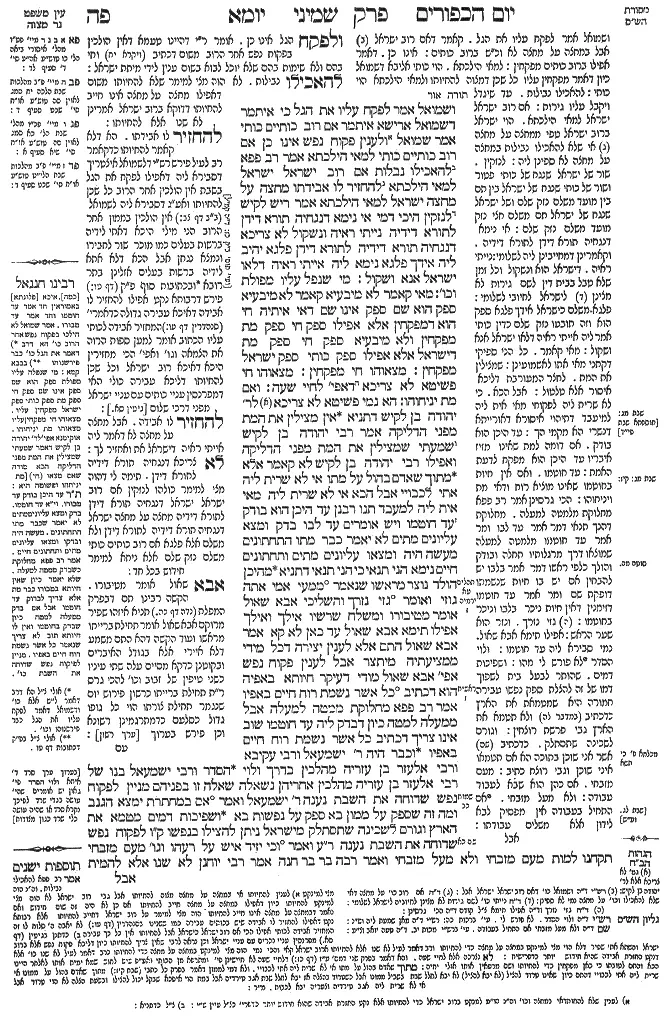
Yoma 85a - Guemara
ושמואל אמר לפקח עליו את הגל כי איתמר דשמואל ארישא איתמר אם רוב כותיים כותי אמר שמואל ולענין פקוח נפש אינו כן אם רוב כותיים כותי למאי הילכתא אמר רב פפא להאכילו נבלות אם רוב ישראל ישראל למאי הילכתא להחזיר לו אבידתו מחצה על מחצה ישראל למאי הילכתא אמר ריש לקיש לנזקין היכי דמי אי נימא דנגחיה תורא דידן לתורא דידיה נייתי ראיה ונשקול לא צריכא דנגחיה תורא דידיה לתורא דידן פלגא יהיב ליה אידך פלגא נימא ליה אייתי ראיה דלאו ישראל אנא ושקול מי שנפל עליו מפולת וכו' מאי קאמר לא מיבעיא קאמר לא מיבעיא ספק הוא שם ספק אינו שם דאי איתיה חי הוא דמפקחין אלא אפילו ספק חי ספק מת מפקחין ולא מיבעיא ספק חי ספק מת דישראל אלא אפילו ספק כותי ספק ישראל מפקחין מצאוהו חי מפקחין מצאוהו חי פשיטא לא צריכא דאפי' לחיי שעה ואם מת יניחוהו הא נמי פשיטא לא צריכא לר' יהודה בן לקיש דתניא אין מצילין את המת מפני הדליקה אמר רבי יהודה בן לקיש שמעתי שמצילין את המת מפני הדליקה ואפילו רבי יהודה בן לקיש לא קאמר אלא מתוך שאדם בהול על מתו אי לא שרית ליה אתי לכבויי אבל הכא אי לא שרית ליה מאי אית ליה למעבד תנו רבנן עד היכן הוא בודק עד חוטמו ויש אומרים עד לבו בדק ומצא עליונים מתים לא יאמר כבר מתו התחתונים מעשה היה ומצאו עליונים מתים ותחתונים חיים נימא הני תנאי כי הני תנאי דתניא מהיכן הולד נוצר מראשו שנאמר (תהלים עא, ו) ממעי אמי אתה גוזי ואומר (ירמיהו ז, כט) גזי נזרך והשליכי אבא שאול אומר מטיבורו ומשלח שרשיו אילך ואילך אפילו תימא אבא שאול עד כאן לא קא אמר אבא שאול התם אלא לענין יצירה דכל מידי ממציעתיה מיתצר אבל לענין פקוח נפש אפי' אבא שאול מודי דעיקר חיותא באפיה הוא דכתיב (בראשית ז, כב) כל אשר נשמת רוח חיים באפיו אמר רב פפא מחלוקת ממטה למעלה אבל ממעלה למטה כיון דבדק ליה עד חוטמו שוב אינו צריך דכתיב כל אשר נשמת רוח חיים באפיו וכבר היה ר' ישמעאל ורבי עקיבא ורבי אלעזר בן עזריה מהלכין בדרך ולוי הסדר ורבי ישמעאל בנו של רבי אלעזר בן עזריה מהלכין אחריהן נשאלה שאלה זו בפניהם מניין לפקוח נפש שדוחה את השבת נענה ר' ישמעאל ואמר (שמות כב, א) אם במחתרת ימצא הגנב ומה זה שספק על ממון בא ספק על נפשות בא ושפיכות דמים מטמא את הארץ וגורם לשכינה שתסתלק מישראל ניתן להצילו בנפשו ק"ו לפקוח נפש שדוחה את השבת נענה ר"ע ואמר (שמות כא, יד) וכי יזיד איש על רעהו וגו' מעם מזבחי תקחנו למות מעם מזבחי ולא מעל מזבחי ואמר רבה בר בר חנה אמר רבי יוחנן לא שנו אלא להמית
Comments from Rashi on Masechet Yoma Page 85a
ושמואל אמר לפקח עליו את הגל . קאמר דאם רוב ישראל אבל במחצה על מחצה לא וכ"ש ברוב כותים: אינו כן . דאמר אפילו ברוב כותים מפקחין: למאי הילכתא . הוי כותי אליבא דשמואל כיון דאמר מפקחין עליו כל שכן דמצוה להחיותו ולמאי הילכתא הוי כותי: להאכילו נבילות . עד שיגדל ויקבל עליו גירות: אם רוב ישראל ישראל למאי הילכתא . הוי ישראל ברוב ישראל טפי ממחצה על מחצה אי שלא להאכילו נבילות במחצה על מחצה לא ספינן ליה: לנזקין . שור של ישראל שנגח של כותי פטור ושור של כותי שנגח של ישראל בין תם בין מועד משלם נזק שלם ושל ישראל שנגח של ישראל תם משלם חצי נזק מועד משלם נזק שלם: אי נימא דנגחיה תורא דידן לתורא דידיה . וקאמרינן דמחייבינן ליה לשלומי: נייתי ראיה . דישראל הוא ונשקול וכל זמן שלא טבל בבית דין לשם גירות לא מצינן לישראל לחיובי לשלומי: פלגא . משלם כישראל אידך פלגא ספק הוא וזה תובעו נזק שלם כדין כותי אמר ליה אייתי ראיה דלאו ישראל אנא ושקול: מאי קאמר . כל הני ספיקי דקתני מאי אתו לאשמועינן: שמצילין את המת . לחצר המעורבת דליכא איסור אלא טלטול: אבל הכא . כי לא שרית ליה לפקוחי מאי אית ליה למיעבד דתיהוי איסורא דאורייתא דנשרי הא מקמי הך: עד היכן הוא בודק . אם דומה למת שאינו מזיז איבריו עד היכן הוא מפקח לדעת האמת: עד חוטמו . ואם אין חיות בחוטמו שאינו מוציא רוח ודאי מת ויניחוהו: גזי נזרך . ונזר הוא שער הראש: אפילו תימא אבא שאול . נמי סבירא ליה עד חוטמו: ולוי הסדר לא פורש לי מהו: הכי גרסינן אמר רב פפא מחלוקת מלמטה למעלה . מחלוקת דהנך תנאי דמר אמר עד לבו ומר אמר עד חוטמו מלמטה למעלה שמוצאו דרך מרגלותיו תחלה ובודק והולך כלפי ראשו דמר אמר בלבו יש להבחין אם יש בו חיות שנשמתו דופקת שם ומר אמר עד חוטמו דזימנין דאין חיות ניכר בלבו וניכר בחוטמו: ושפיכות דמים . שהותר לבעל בית לשפוך דמו של זה להצלת ספק נפשו עבירה חמורה היא שמטמאת את הארץ כדכתיב (במדבר לה) ולא תטמא את הארץ גבי פרשת רוצחין: וגורם לשכינה שתסתלק . כדכתיב (שם) אשר אני שוכן בתוכה הא אם תטמאו איני שוכן וגבי רוצח כתיב: מעם מזבחי . אם כהן הוא שבא לעבוד עבודה: ולא מעל מזבחי . אם התחיל בעבודה אין מפסיק לבא לידון אלא משלים עבודתו:
Comments from Tosafot - Yoma 85a
ולפקח הגל אינו כן . אומר ר"י דהיינו טעמא דאין הולכין בפקוח נפש אחר הרוב משום דכתיב (ויקרא יח) וחי בהם ולא שימות בהם שלא יוכל לבוא בשום ענין לידי מיתת ישראל: להאכילו נבילות . לא הוה מצי למימר שלא להחיותו משום דאפילו מחצה על מחצה אינו חייב להחיותו דדוקא ברוב ישראל אמרינן לא שנו אלא להחיותו: להחזיר לו אבידתו . הא דלא קאמר להחיותו כדקאמר רב לעיל פירש רש"י דלשמואל איצטריך דסבירא ליה דאפילו לפקח את הגל בשבת אין הולכין אחר הרוב כל שכן להחיותו ואע"ג דסבירא ליה לשמואל (ב"ב דף צב:) אין הולכין בממון אחר הרוב הני מילי היכא דאתי לידיה ברשות בעלים כמו מוכר שור לחבירו ונמצא נגחן אבל הכא דלא אתא לידיה ברשות בעלים אזלינן בתר רובא ובכתובות סוף פ"ק (דף טו:) פירש דרבותא נקט אפילו להחזיר לו אבידה דאיכא עבירה גדולה כדאמרי' (סנהדרין דף עו:) המחזיר אבידה לכותי עליו הכתוב אומר למען ספות הרוה את הצמאה וגו' ואפי' הכי מחזירין היכא דאיכא רוב ישראל וכל שכן להחיותו דליכא עבירה כולי האי דמפרנסין עניי כותים עם עניי ישראל מפני דרכי שלום [גיטין סא.]: להחזיר לו אבידה . אבל מחצה על מחצה לא דאמר ליה אייתי ראיה דישראל את ואחזיר לך: לא צריכא דנגחיה תורא דידיה לתורא דידן . תימה לי דהוה מצי למימר כולהו לנזקין אם רוב ישראל ישראל דנגחיה תורא דידן לתורא דידיה מחצה על מחצה ישראל דנגחיה תורא דידיה לתורא דידן ולא משלם אלא פלגא אם רוב כותים כותי משלם נזק שלם אלא ניחא למימר חידוש בכל חד: אבא שאול אומר מטיבורו . הקשה רבינו תם דבפרק המפלת (נדה דף כה.) תניא איזהו שפיר מרוקם אבא שאול אומר תחילת ברייתו מראשו ועוד הקשה דהא התם משמע דלא איירי אלא בגודל האיברים ובקוטנן כדקא מסיים עלה שתי עיניו כשני טיפין של זבוב וכו' להכי גרס ר"ת תחילת ברייתו כרשון פירוש יום שנגמר תחילת צורתו הוי כל גופו גדול כסלעם כדמתרגמינן רשונא וכן פירש בערוך [ערך רשון]:
Yoma 85a - Mishnah translated into english
And Shmuel said: This halakha of the status of a found child is with regard to removing debris from on top of him, implying that if there is a majority of gentiles in the city where he is found, one does not violate Shabbat by removing the debris from the child to save his life. This implies that one does follow the majority in the case of saving a life. The Gemara answers: When this statement of Shmuel was stated, it was stated with regard to the first halakha. Shmuel’s intent was to be lenient, and his statement should be understood as follows: If the majority are gentiles, he is a gentile. Shmuel said: But with regard to the matter of saving a life it is not so. Rather, one saves him based on the uncertainty.
§ It was taught that if there is a majority of gentiles in the city, a foundling is considered to have the status of a gentile. The Gemara asks: To what halakha does this statement relate? Rav Pappa said: It relates to feeding him non-kosher food. One need not protect the child from every prohibition and may even feed him non-kosher food, as though he were a gentile. It was further taught: If there is a majority of Jews, he is a Jew. The Gemara asks: To what halakha does this relate? The Gemara answers: It relates to returning a lost object to him. In such a case it is assumed that he is definitely a Jew. Consequently, Jews must return lost objects to him, whereas there is no obligation to return lost objects to gentiles.
It was further stated: If the city is half gentile and half Jewish, the foundling has the status of a Jew. The Gemara asks: To what halakha does this relate? Reish Lakish said: It is referring to halakhot of damages. The Gemara asks: What are the circumstances? If we say that our ox, i.e., an ox belonging to another Jew, gored his ox, one could ask: How can he make a claim like a Jew? Let him bring proof that he is Jewish, and only then may he take the money for damages, since the burden of proof rests upon the claimant. Since he cannot prove his Jewish status, he has no claim.
The Gemara answers: No, it is necessary when his innocuous ox, which has gored fewer than three times, gored our ox, i.e., an ox belonging to a Jew, in which case he gives him half, which is what a Jew pays for damages caused by an innocuous ox. However, a gentile must make full restitution for the damage caused. The foundling does not pay the other half, which a gentile gives to a Jew if his ox harms a Jew’s ox. Let me say to the one who suffered the damage: Bring proof that I am not a Jew and take the money. In that case, the burden of proof rests upon the one who suffered the damage.
§ It was taught in the mishna: With regard to one upon whom a rockslide fell, and there is uncertainty whether he is there under the debris or whether he is not there; and there is uncertainty whether he is still alive or whether he is dead; and there is uncertainty whether the person under the debris is a gentile or whether he is Jew, one clears the pile from atop him. The Gemara asks: What is the mishna saying? Why does it bring three different uncertainties to illustrate the principle that one violates Shabbat to save a life even in a case of uncertainty?
The Gemara explains: It is speaking using the style of: Needless to say, and the mishna should be understood as follows: Needless to say, in a case where it is uncertain whether he is there or not there, one removes the debris, since if he is there and he is alive, one must clear the debris. But even if it is uncertain whether he is alive or dead, one must clear the debris. And needless to say, when there is uncertainty whether he is alive or dead, but it is certain that he is a Jew, one must clear the debris. Rather, one must clear the debris even if there is uncertainty whether he is a gentile or a Jew.
§ The mishna taught: If they found him alive, they continue to remove the debris. The Gemara is surprised at this: If they find him alive, it is obvious that they remove the debris, since that is saving a life. The Gemara answers: No, it is necessary to teach that one must desecrate Shabbat for his sake even if it is clear that he will live only a short while and will die soon after.
§ The mishna taught: If they found him dead, they should leave him. The Gemara is surprised at this: Isn’t this also obvious? What allowance might there be to desecrate Shabbat for the sake of a corpse? The Gemara answers: No, this ruling is necessary according to the opinion of Rabbi Yehuda ben Lakish, as it was taught in a baraita: One may not save a corpse from a fire, since one may not violate Shabbat for the sake of the dead. Rabbi Yehuda ben Lakish said: I heard that one may save a corpse from a fire. The Gemara challenges: Even Rabbi Yehuda ben Lakish said this only with regard to a fire because a person is agitated over his dead relative, whose body might burn in the fire. If you do not permit him to remove the corpse he may come to extinguish the fire and transgress a severe Torah prohibition. However, here, in the case of a rockslide or building collapse, if you do not permit him to remove the debris, what might he do? In this case, there is no concern of Shabbat desecration, and preserving the dignity of the dead does not override Shabbat.
The Rabbis taught: If a person is buried under a collapsed building, until what point does one check to clarify whether the victim is still alive? Until what point is he allowed to continue clearing the debris? They said: One clears until the victim’s nose. If there is no sign of life, i.e., if he is not breathing, he is certainly dead. And some say: One clears until the victim’s heart to check for a heartbeat. If several people are buried and one checked and found the upper ones under the debris dead, he should not say: The lower ones are likely also already dead, and there is no point in continuing to search. There was an incident where they found the upper ones dead and the lower ones alive.
The Gemara comments: Let us say that the dispute between these tanna’im who disagree about checking for signs of life is like the dispute between these tanna’im who disagree about the formation of the fetus. As it was taught in a baraita: From what point is the fetus created? It is from its head, as it is stated: “You are He Who took me [gozi] out of my mother’s womb” (Psalms 71:6), and it says: “Cut off [gozi] your hair, and cast it away” (Jeremiah 7:29). These verses suggest that one is created from the head, the place of the hair. Abba Shaul says: A person is created from his navel, and he sends his roots in every direction until he attains the image of a person. The tanna who says that the presence of life is determined based on the nose holds in accordance with the opinion of the tanna who maintains that the formation of a fetus begins with its head. Likewise, the tanna who says the presence of life is determined based on the heart holds in accordance with the opinion of the one who thinks the formation of a fetus begins with its navel.
The Gemara rejects this: Even if you say that the formation of a fetus from the navel is the opinion of Abba Shaul, he may nevertheless require one to check the nose for signs of life. Until now, Abba Shaul spoke there only about formation, saying that everything is created from its middle; however, as for saving a life, even Abba Shaul admits that the main sign of life is in the nose, as it is written: “All in whose nostrils was the breath of the spirit of life” (Genesis 7:22).
Rav Pappa said: The dispute with regard to how far to check for signs of life applies when the digger begins removing the rubble from below, starting with the feet, to above. In such a case it is insufficient to check until his heart; rather, one must continue removing rubble until he is able to check his nose for breath. But if one cleared the rubble from above to below, once he checked as far as the victim’s nose he is not required to check further, as it is written: “All in whose nostrils was the breath of the spirit of life” (Genesis 7:22).
§ The Gemara relates: It once happened that Rabbi Yishmael, and Rabbi Akiva, and Rabbi Elazar ben Azarya were walking on the road, and Levi HaSadar and Rabbi Yishmael, son of Rabbi Elazar ben Azarya, were walking respectfully behind them, since they were younger and did not walk alongside their teachers. This question was asked before them: From where is it derived that saving a life overrides Shabbat?
Rabbi Yishmael answered and said that it is stated: “If a thief be found breaking in and be struck so that he dies, there shall be no blood-guiltiness for him” (Exodus 22:1). Now, if this is true for the thief, where there is uncertainty whether he comes to take money or to take lives, and it is known that bloodshed renders the land impure, since it is stated about a murderer: “And you shall not defile the land” (Numbers 35:34), and it causes the Divine Presence to depart from the Jewish people, as the verse continues: “In the midst of which I dwell, for I the Lord dwell in the midst of the children of Israel” (Numbers 35:34), and even so the home owner is permitted to save himself at the cost of the thief’s life, then a fortiori saving a life overrides Shabbat.
Rabbi Akiva answered and said that it is stated: “And if a man comes purposefully upon his neighbor to slay him with guile, you shall take him from My altar, that he may die” (Exodus 21:14). The phrase “take him from My altar” implies that if the murderer is a priest and comes to perform the service, one does not wait for him to do so but takes him to his execution immediately. But one should not take him from on top of My altar. If he already began the service and is in the midst of it, one does not take him down from the altar immediately but instead allows him to finish his service. And Rabba bar bar Ḥana said that Rabbi Yoḥanan said: They taught only that a priest is not removed from the altar in order to execute him for murder,
Traduction : The William Davidson digital edition of the Koren Noé Talmud, with commentary by Rabbi Adin Even-Israel Steinsaltz.