 Talmud Bavli
Yoma 44b : Youtube
Daf TubeYoutube
3 video classes :
Yoma Page 44b
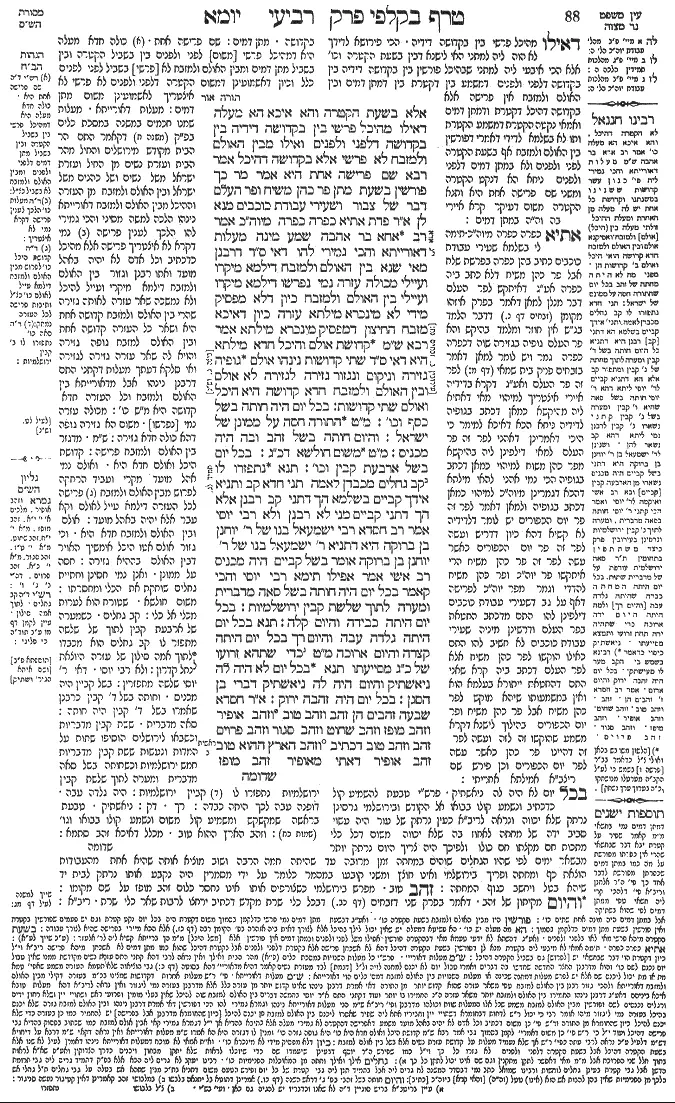
Yoma 44b - Guemara
אלא בשעת הקטרה והא איכא הא מעלה דאילו מהיכל פרשי בין בקדושה דידיה בין בקדושה דלפני ולפנים ואילו מבין האולם ולמזבח לא פרשי אלא בקדושה דהיכל אמר רבא שם פרישה אחת היא אמר מר כך פורשין בשעת מתן פר כהן משיח ופר העלם דבר של צבור ושעירי עבודת כוכבים מנא לן א"ר פדת אתיא כפרה כפרה מיוה"כ אמר רב אחא בר אהבה שמע מינה מעלות דאורייתא והכי גמירי להו דאי ס"ד דרבנן מאי שנא בין האולם ולמזבח דילמא מיקרו ' ועיילי מכולה עזרה נמי נפרשו דילמא מיקרו ועיילי בין האולם ולמזבח כיון דלא מפסיק מידי לא מינכרא מילתא עזרה כיון דאיכא מזבח החיצון דמפסיק מינכרא מילתא אמר רבא ש"מ קדושת אולם והיכל חדא מילתא היא דאי ס"ד שתי קדושות נינהו אולם גופיה גזירה וניקום ונגזור גזירה לגזירה לא אולם ובין האולם ולמזבח חדא קדושה היא היכל ואולם שתי קדושות בכל יום היה חותה בשל כסף וכו' מ"ט התורה חסה על ממונן של ישראל והיום חותה בשל זהב ובה היה מכניס מ"ט משום חולשא דכ"ג בכל יום בשל ארבעת קבין וכו' תנא נתפזרו לו קב גחלים מכבדן לאמה תני חדא קב ותניא אידך קביים בשלמא הך דתני קב רבנן אלא הך דתני קביים מני לא רבנן ולא רבי יוסי אמר רב חסדא רבי ישמעאל בנו של ר' יוחנן בן ברוקה היא דתניא ר' ישמעאל בנו של ר' יוחנן בן ברוקה אומר בשל קביים היה מכניס רב אשי אמר אפילו תימא רבי יוסי והכי קאמר בכל יום היה חותה בשל סאה מדברית ומערה לתוך שלשת קבין ירושלמיות בכל יום היתה כבידה והיום קלה תנא בכל יום היתה גלדה עבה והיום רך בכל יום היתה קצרה והיום ארוכה מ"ט כדי שתהא זרועו של כ"ג מסייעתו תנא בכל יום לא היה לה ניאשתיק והיום היה לה ניאשתיק דברי בן הסגן בכל יום היה זהבה ירוק א"ר חסדא שבעה זהבים הן זהב וזהב טוב וזהב אופיר וזהב מופז וזהב שחוט וזהב סגור וזהב פרוים זהב וזהב טוב דכתיב (בראשית ב, יב) וזהב הארץ ההוא טוב זהב אופיר דאתי מאופיר זהב מופז
Comments from Rashi on Masechet Yoma Page 44b
בקדושה . מתן דמים: שם פרישה אחת . כולה חדא מעלה היא דמהיכל פרשי [משום] לפני ולפנים בין בשביל הקטרה ובין בשביל מתן דמים ומבין האולם ולמזבח לא [פרשי] בשביל לפני לפנים כלל וכיון דאשמועינן דמשום הקטרה דלפני ולפנים לא פרשי לא איצטריך לאשמועינן משום מתן דמים: מעלות דאורייתא . מעלות שמנו חכמים במשנה במסכת כלים בפ"ק (משנה ח) דקאמר התם הר הבית מקודש מירושלים והחיל מהר הבית ועזרת נשים מן החיל ועזרת ישראל משל נשים ושל כהנים משל ישראל ובין האולם ולמזבח מן העזרה וההיכל מבין האולם ולמזבח דאורייתא נינהו הלכה למשה מסיני והכי גמירי להו הלכך לענין פרישה נמי דקרא לא איצטריך פרישה אלא מהיכל כדכתיב וכל אדם לא יהיה באהל מועד ואתו רבנן וגזור בין האולם ולמזבח דילמא מיקרי ועייל להיכל ולא נמשכה שאר עזרה לאותה גזירה שהרי בין אולם ולמזבח קדושה אחת היא ושאר כל העזרה קדושה אחת ובין האולם למזבח גופה גזירה והויא לה שאר עזרה גזירה לגזירה ואי סלקא דעתך מעלות דקתני התם דרבנן נינהו אבל מדאורייתא בין האולם ולמזבח וכל העזרה חדא קדושה היא מ"ש כו': מכולה עזרה נמי [נפרשו] . משום הא גזירה גופה דהא כולה חדא גזירה: ש"מ . מדגזר בין האולם ולמזבח פרישה: קדושת היכל ואולם חדא היא . ואולם נמי אהל מועד מקרי ועביד הרחקה לפרוש מבין האולם ולמזבח פרישה לכל העזרה דילמא עייל לאולם וקא עבר אלא יהיה באהל מועד: אולם ובין האולם ולמזבח חדא היא . וכי גזור אולם אטו היכל אימשיך האויר דבין האולם בההיא גזירה: חסה על ממונן . ואנן נמי חסינן וחתיית גחלים שוחקת את הכלי ומחסרתו: משום חולשא . שטורח הוא לערות מכלי אל כלי: קב גחלים . כשמערה של ארבעת קבין לתוך של שלשה מתפזר לו קב גחלים הוא מכבדו לתוך אמה סילון של עזרה היוצאת לנחל קדרון: ולא רבי יוסי . דאי ר' יוסי שלשה מתפזרין: בשל קביין היה מכניס . וחותה בשל ד' קבין כרבנן שאמרו בשל ד' קבין היה חותה: סאה מדברית . ששת קבין מדבריות וכשבאו לירושלים הוסיפו שתות על המדות ונעשות ששת קבין מדבריות חמש ירושלמיות וכשחותה בשל סאה מדברית מערה לתוך שלשת קבין ירושלמיות נתפזרו לו קביין ירושלמיות: היה גלדה עבה . דופנה עבה לכך היתה כבדה: רך . דק: ניאשתיק . טבעת בראשה שמקשקש ומשמיע קול משום ונשמע קולו בבואו וגו' (שמות כח): וזהב הארץ ההוא טוב . מכלל דאיכא זהב סתמא:
Comments from Tosafot - Yoma 44b
דאילו מהיכל פרשי בין בקדושה דידיה . הכי פירושא לדידך לא הוה ליה למתני האי לישנא דבין בשעת הקטרה וכו' אלא הכי איבעי ליה למתני שבהיכל פורשין בין בקדושה דידיה בין קדושה דלפני ולפנים דמשמע בין דקטרת בין דמתן דמים ובין האולם ולמזבח אין פרישה אלא בקדושה דהיכל דקטרת ודמתן דמים ואמאי נקטה הקטרת דמשמע הקטרת ותו לא בשלמא לדידי דאמרי דפורשין בין האולם ולמזבח אף בשעת הקטרה לפני ולפנים ולא במתן דמים דלפני ולפנים ניחא הא דנקט הקטרה ומשני שם פרישה אחת היא ותנא הקטרה משום דעיקר קרא איירי בה וה"ה במתן דמים: אתיא כפרה כפרה מיוה"כ . תימה לי בשלמא שעירי עבודת כוכבים כתיב בהן כפרה בפרשת שלח אבל פר כהן משיח דלא כתב ביה כפרה אע"ג דאיתקש לפר העלם דבר מנלן למאן דאמר בפרק איזהו מקומן (זבחים דף נ.) דדבר הלמד בג"ש אין חוזר ומלמד בהיקש והא פר העלם גופיה בגזירה שוה דכפרה כפרה גמר ויש לומר למאן דאמר בזבחים פרק בית שמאי (דף מ:) לפר זה פר העלם ואע"ג דקרא בדידיה איירי איצטריך למיהוי מאי דאתיא ליה מהיקשא כמאן דכתב בגופיה לדידיה ניחא הכא דאיכא למימר כי היכי דאמרינן דאהני לפר זה פר העלם למאי דילפינן ליה בהיקשא מפר כהן משוח למיהוי כמאן דכתב בגופיה הכי נמי אהני להאי מילתא דהכא דגמרינן מיוה"כ למיהוי כמאן דכתב בגופיה ולמאן דאמר לפר זה פר יום הכפורים יש לומר דלדידיה לא קשיא דהא כיון דדריש ועשה לפר זה פר יום הכפורים כאשר עשה לפר זה פר כהן משיח הרי איתקשו פר יוה"כ ופר כהן משיח להדדי וגמר מפר יוה"כ לפרישה דאף על גב דשעירי עבודת כוכבים דילפינן להו התם מדכתב החטאת בפר העלם ודרשינן מיניה שעירי עבודת כוכבים לא חשיב להו התם כאילו הוקשו לפר כהן משיח אלא לפר העלם דכתב ביה קרא שאני התם דהחטאת ייתורא בעלמא הוא ואין במשמעותו שיהא מוקש לפר כהן משיח אבל פר כהן משיח ופר יום הכפורים בהילוך לישנא דקרא משמע שהוקשו זה לזה ועשה לפר זה דהיינו פר כהן כאשר עשה לפר יום הכפורים וכן פירש שם ריצב"א אמילתא אחריתי: בכל יום לא היה ניאשתיק . פרש"י טבעת להשמיע קול כדכתיב ונשמע קולו בבואו אל הקודש ובירושלמי גרסינן נרתק שלא יכווה ונראה לריב"א כעין נרתק של עור היה עשוי סביב ידה של מחתה לאחוז בה שלא יכווה משום דכל כלי מתכות חם מקצתו חם כולו ולפיכך היה צריך היום נרתק יותר מבשאר ימים לפי שהיו הגחלים שוהים במחתה זמן מרובה עד שהיתה חמה הרבה ושוב מוציא אותה שהיא אחת מהעבודות הוצאת כף ומחתה ופריך בירושלמי ואינו חולץ ומשני קובעו במסמר כלומר על ידי מסמרין היה נקבע אותו נרתק לבית יד שיהא בטל ויחשב כגוף המחתה: זהב טוב . מפרש בירושלמי כשצורפים אותו אינו נחסר כלום זהב מופז על שם מקומו:
Yoma 44b - Mishnah translated into english
except during the burning of the incense.
But there is also this higher standard, that whereas from the Sanctuary they remove themselves both during its own sanctification, i.e., the blood presentations in the Sanctuary, and during the sanctification of the innermost chamber, i.e., the Holy of Holies, but from the area between the Entrance Hall and the altar, they remove themselves only during the sanctification of the Sanctuary. Rava said: Indeed, there are numerous distinctions, but the baraita teaches only one because all the distinctions fit into one category of removal.
The Gemara continues to analyze the baraita: The Master said in the baraita: Just as they remove themselves from the area between the Entrance Hall and the altar during the burning of the incense, they similarly remove themselves during the blood presentations of the bull of the anointed priest; of the bull for an unwitting communal sin; and of the goats of idol worship. From where do we derive this? Rabbi Pedat said: It is derived by a verbal analogy between the word atonement said in connection with those offerings and the word atonement from the prohibition on Yom Kippur.
Rav Aḥa bar Ahava said: Learn from this that there is a prohibition in the area between the Entrance Hall and the altar. The higher standards applied to the various areas in the Temple are defined by Torah law, and the Sages learned them as a tradition.
As if it could enter your mind that these standards are defined by rabbinic law, what is different about the area between the Entrance Hall and the altar that the prohibition applies only there? Perhaps other priests would accidentally happen to enter the Sanctuary while incense is burning there. But if that is the reason, then the rabbinic decree should require that they remove themselves also from the entire Temple courtyard, since perhaps they would accidentally happen to enter. The fact that the prohibition does not extend to the Temple courtyard suggests that the standards are defined by Torah law.
The Gemara rejects Rav Aḥa bar Ahava’s reasoning: The prohibition could indeed be rabbinic. Nevertheless, it is reasonable to limit it to the area between the Entrance Hall and the altar, as follows: Since there is nothing that separates it from the Sanctuary, the distinction between the two areas is not conspicuous, and therefore people may err and enter. But with regard to the Temple courtyard, since there is the outer altar that separates the rest of the Temple courtyard from the Sanctuary, the distinction between the areas is conspicuous, and therefore there is no need to extend the prohibition throughout the Temple courtyard.
Rava said: Learn from this fact that there is a rabbinic prohibition in the area between the Entrance Hall and the altar. The sanctity of the Entrance Hall and the sanctity of the Sanctuary is one matter, i.e., there they share the same sanctity, and therefore the Torah prohibition applies to the Entrance Hall as well. For if it could enter your mind to say that these areas have two distinct levels of sanctity, it would emerge that the prohibition to be in the Entrance Hall is itself a rabbinic decree. But will we arise and issue one decree to prevent violation of another decree by prohibiting being present in the area between the Entrance Hall and the altar, lest one enter the Entrance Hall itself?
The Gemara rejects Rava’s reasoning: No, this would not be a case of issuing one decree to prevent violation of another decree, because the Entrance Hall and the area between the Entrance Hall and the altar share one sanctity. Consequently, any prohibition applied to one will certainly also apply to the other. However, the Sanctuary and the Entrance Hall have two distinct sanctities.
§ The mishna states: On every other day, a priest would scoop up the coals with a coal pan made of silver and pour the coals from there into a coal pan of gold. The Gemara asks: What is the reason the gold pan was not used to scoop the coals? The Gemara answers: Because the Torah spared the money of the Jewish people. Since the pan is worn away with use, it is preferable to use a less expensive silver pan.
§ The mishna continues: But on this day, on Yom Kippur, the High Priest scoops up with a coal pan of gold, and with that coal pan, he would bring the coals into the Holy of Holies. The Gemara asks: What is the reason that on Yom Kippur only one pan is used? Due to the weakness of the High Priest. He has to perform the entire service by himself while fasting; using only one pan minimizes his exertion.
§ The mishna states: On every other day, a priest scoops up the coals with a coal pan of four kav and pours the coals into a coal pan of three kav. Rabbi Yosei says: On every other day, a priest scoops with a coal pan of a se’a, which is six kav, and then pours the coals into a coal pan of three kav. It was taught in a mishna (Tamid 33a): As he poured from a pan of four kav to a pan of three kav, a kav of coals became scattered, and he swept them into the canal that passed through the Temple and ran to the Kidron brook.
It was taught in one baraita: A kav of coals was scattered. And it was taught in another baraita: Two kav were scattered. The Gemara comments: Granted, this baraita, which teaches that a single kav was scattered, is understandable. It is in accordance with the opinion of the Rabbis, the first tanna of the mishna, who maintain that coals are poured from a coal pan of four kav to one of three. But that baraita, which teaches that two kav of coals were scattered, in accordance with whose opinion is it? It is not in accordance with the opinion of the Rabbis and not in accordance with the opinion of Rabbi Yosei. According to Rabbi Yosei, three kav of coals would have been scattered.
Rav Ḥisda said: It is in accordance with the opinion of Rabbi Yishmael, son of Rabbi Yoḥanan ben Beroka, as it was taught in a baraita: Rabbi Yishmael, son of Rabbi Yoḥanan ben Beroka, says: With a coal pan of two kav he would bring the coals into the Holy of Holies. If one accepts the opinion of the Rabbis that the coals were scooped with a coal pan of four kav, two kav were scattered.
Rav Ashi said: You can even say that this baraita is in accordance with the opinion of Rabbi Yosei, and this is what he is saying: On every other day, a priest scooped with a coal pan of a desert se’a, which is five Jerusalem kav, and then he poured the coals into a coal pan of three Jerusalem kav. Therefore, two kav would be scattered.
§ The mishna states: On every other day, the coal pan was heavy, but on this day it was light. It was taught in a baraita: On every other day its side was thick but on this day it was soft and thin. On every other day its handle was short but on this day it was long. What is the reason? So that the arm of the High Priest could assist him in carrying the coal pan, i.e., he could support the coal pan by resting it against his arm rather than bear the entire weight in his hand.
It was taught in a baraita: On every other day it did not have a ring, but on this day it has a ring on the end of the handle, which clatters against it and makes a noise in fulfillment of the verse “And the sound thereof shall be heard when he goes in to the Sanctuary” (Exodus 28:35); this is the statement of the son of the Deputy.
§ The mishna states: On every other day, it was of greenish gold but on this day it was of a red gold. Rav Ḥisda said: There are seven types of gold mentioned in the Bible: Gold, and good gold, and gold of Ophir (I Kings 10:11), and glistering gold (I Kings 10:18), and shaḥut gold (I Kings 10:17), and closed gold (I Kings 10:21), and parvayim gold (II Chronicles 3:6). The Gemara explains the reason for these names: There is a distinction between gold and good gold, as it is written in the verse: “And the gold of that land is good” (Genesis 2:12), which indicates the existence of gold of a higher quality. Gold of Ophir is gold that comes from Ophir. Glistering [mufaz] gold is so named
Traduction : The William Davidson digital edition of the Koren Noé Talmud, with commentary by Rabbi Adin Even-Israel Steinsaltz.