 Talmud Bavli
Zevahim 35a : Youtube
Daf TubeYoutube
2 video classes :
Zevahim Page 35a
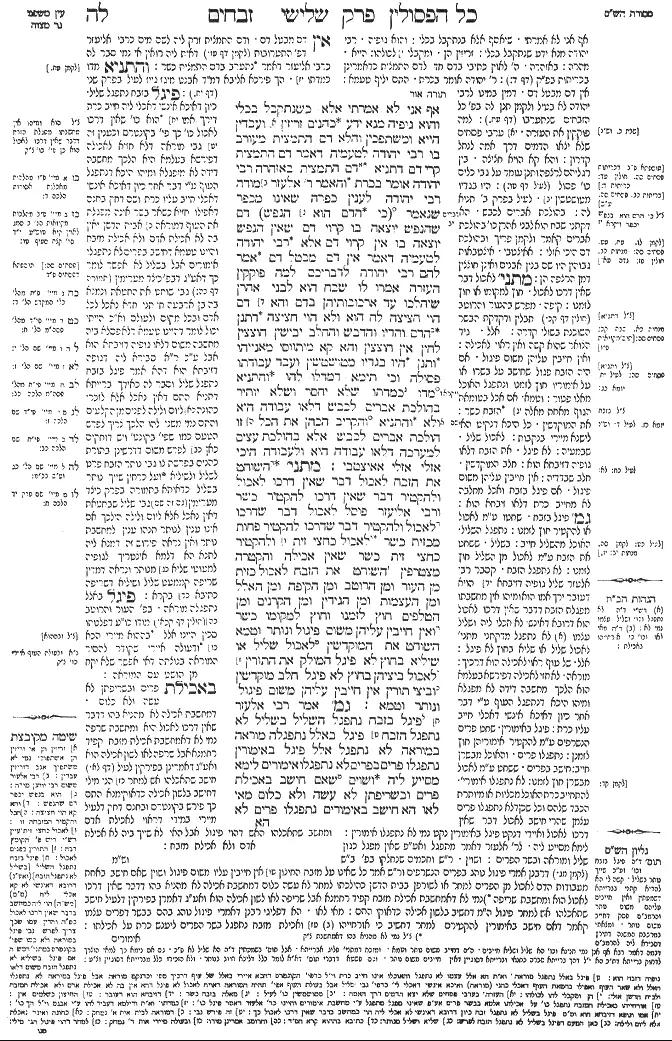
Zevahim 35a - Guemara
אף אני לא אמרתי אלא כשנתקבל בכלי והוא גופיה מנא ידע כהנים זריזין ועבדין הייא ומשתפכין והלא דם התמצית מעורב בו רבי יהודה לטעמיה דאמר דם התמצית קרי דם דתניא דם התמצית באזהרה רבי יהודה אומר בכרת והאמר ר' אלעזר מודה רבי יהודה לענין כפרה שאינו מכפר שנאמר (דברים יב, כג) (כי הדם הוא הנפש) דם שהנפש יוצאה בו קרוי דם שאין הנפש יוצאה בו אין קרוי דם אלא רבי יהודה לטעמיה דאמר אין דם מבטל דם אמר להם רבי יהודה לדבריכם למה פוקקין העזרה אמרו לו שבח הוא לבני אהרן שיהלכו עד ארכובותיהן בדם והא דם הוי חציצה לח הוא ולא הוי חציצה דתנן הדם והדיו והדבש והחלב יבישין חוצצין לחין אין חוצצין והא קא מיתווסי מאנייהו ותנן היו בגדיו מטושטשין ועבד עבודתו פסולה וכי תימא דמדלו להו והתניא (ויקרא ו, ג) מדו כמדתו שלא יחסר ושלא יותיר בהולכת אברים לכבש דלאו עבודה היא ולא והתניא (ויקרא א, יג) והקריב הכהן את הכל זו הולכת אברים לכבש אלא בהולכת עצים למערכה דלאו עבודה היא ולעבודה היכי אזלי אזלי אאיצטבי:
מתני׳ השוחט את הזבח לאכול דבר שאין דרכו לאכול ולהקטיר דבר שאין דרכו להקטיר כשר ורבי אליעזר פוסל לאכול דבר שדרכו לאכול ולהקטיר דבר שדרכו להקטיר פחות מכזית כשר לאכול כחצי זית ולהקטיר כחצי זית כשר שאין אכילה והקטרה מצטרפין השוחט את הזבח לאכול כזית מן העור ומן הרוטב ומן הקיפה ומן האלל ומן העצמות ומן הגידין ומן הקרנים ומן הטלפים חוץ לזמנו וחוץ למקומו כשר ואין חייבין עליהן משום פיגול ונותר וטמא השוחט את המוקדשין לאכול שליל או שיליא בחוץ לא פיגל המולק את התורין לאכול ביציהן בחוץ לא פיגל חלב מוקדשין וביצי תורין אין חייבין עליהן משום פיגול ונותר וטמא:
גמ׳ אמר רבי אלעזר פיגל בזבח נתפגל השליל בשליל לא נתפגל הזבח פיגל באלל נתפגלה מוראה במוראה לא נתפגל אלל פיגל באימורין נתפגלו פרים בפרים לא נתפגלו אימורים לימא מסייע ליה ושוים שאם חישב באכילת פרים ובשריפתן לא עשה ולא כלום מאי לאו הא חישב באימורים נתפגלו פרים לא
Comments from Rashi on Masechet Zevahim Page 35a
ואף אני לא אמרתי . שיאסף אלא בנתקבל בכלי: והוא גופיה . רבי יהודה מנא ידע שנתקבל בכלי: זריזין הן . ומקבלי לכולהו: הייא . מהרה: באזהרה . ה' לאוין כתיבי בדם חד לדם התמצית כדאמרינן בכריתות בפ"ק (דף ד:): ר' יהודה אומר בכרת . התם יליף טעמא: אין דם מבטל דם . דמין במינו לרבי יהודה לא בטיל ולקמן תנן לה בפ' כל הזבחים שנתערבו (דף עח.): למה פוקקין את העזרה . ערבי פסחים שלא יצאו הדמים דרך אמה לנחל קדרון: והא קא הויא חציצה . בין רגליהם לרצפה ותנן עומד על גבי כלים כו' פסול (לעיל זבחים דף טו:): היו בגדיו מטושטשין . לעיל בפרק ב' תניא לה: בהולכת אברים לכבש . הא דקתני שבח הוא לבני אהרן כו' בהולכת אברים קאמר ולקמן פריך ובהולכת דם היכי אזלי: אאיצטבי . איצטבאות גבוהין היו שם בנין אבנים ואינן חוצצין דמן הרצפה הן: מתני' לאכול דבר שאין דרכו לאכול . חוץ למקומו או חוץ לזמנו: קיפה . מפרש בהעור והרוטב (חולין דף קכ.) תבלין ודקדקת הבשר השוכנת בשולי קדרה: אלל . גיד הצואר שהוא קשה ואין ראוי לאכילה: ואין חייבין עליהן משום פיגול . אם היה הזבח פגול שחישב על בשרו או על אימוריו חוץ לזמנו ונתפגל האוכל מאלו פטור: וטמא . אם אכל בטומאת הגוף מאחת מאלה הזבח כשר: את המוקדשין . כל היכא דנקיט האי לישנא מיירי בנקבות: לאכול שליל . שבמעיה: לא פיגל . את הזבח דלאו גופיה דזיבחא הוא: חלב המוקדשין . חלב שבדדיה: אין חייבין עליהן משום פיגול . אם פיגל בזבח ואכל מחלבה לא מחייב כרת דלאו זיבחא הוא: גמ' פיגל בזבח . שחטו ע"מ לאכול או להקטיר חוץ לזמנו: נתפגל השליל . האוכל מהשליל חייב: בשליל . ששחט את הזבח ע"מ לאכול מן השליל חוץ לזמנו: לא נתפגל הזבח . קסבר רבי אלעזר שליל גופיה דזיבחא הויא דעובר ירך אמו הוא ומיהו אין מחשבתו מפגלת הזבח דדבר שאין דרכו לאכול הוא דרובא דאינשי לא אכלי ליה ושליל עצמו לא נתפגל מדקתני מתני' לאכול שליל או שליא בחוץ לא פיגל: אלל . של עוף ראוי לאכילה הוא דרכיך: מוראה . לא חזי לאכילה דפירשא בעלמא הוא הלכך מחשבה דידה לא מפגלא ומיהו היכא דנתפגל העוף ע"י דבר אחר כיון דאיכא אינשי דאכלי חייב עליו כרת: פיגל באימורין . שחט פרים הנשרפים ע"מ להקטיר אימוריהן חוץ לזמנן: נתפגלו פרים . והאוכל מבשרן חייב: חישב בפרים . ששחט ע"מ לאכול מבשרן חוץ לזמנו: לא נתפגלו אימורי' . להתחייב כרת האוכל מכליות או מיותרת הכבד שלהם וכל שכן דלא נתפגלו פרים עצמן שהרי חישב לאכול דבר שאין דרכו לאכול ואיידי דנקט פיגל באימורין נקט נמי לא נתפגלו אימורין: לימא מסייע ליה . לר' אלעזר דאמר מתפגל ואע"פ שאין מפגל כגון שליל ומוראה ובשר הפרים: ושוין . ר"ש וחכמים שנחלקו בפ' ב"ש (לקמן זבחים מג.) דרבנן אמרי פיגול נוהג בפרים הנשרפים ור"ש אמר כל שאינו על מזבח החיצון אין חייבין עליו משום פיגול ושוין שאם חישב באחת מעבודות הדם לאכול מן הפרים למחר או לשורפן בבית הדשן כהילכתו למחר לא עשה כלום דמחשבת אכילה לא מהניא בהו דדבר שאין דרכו לאכול הוא ומחשבת שריפה נמי לא דאמחשבת אכילת מזבח קפיד רחמנא אבל שריפה לאו לשון אכילה הוא ואע"ג דאמרן בפירקין דלעיל חישב שתאכלהו אש למחר פיגול ה"מ דחשיב בלשון אכילה כדאוקי התם: מאי לאו . הא דפליגי רבנן דאמרי פיגול נוהג בהם בבשר דפרים עצמו קאמר דאם חישב באימורין להקטירם למחר דחשיב כי אורחייהו ואכילת מזבח נתפגל בשר הפרים ליענש כרת על אכילתו:
Comments from Tosafot - Zevahim 35a
אין דם מבטל דם . ודם התמצית זרק ליה לשם מים כרבי אליעזר דפ' התערובות (לקמן זבחים דף עז.) דאית ליה רואין אי נמי סבר לה כרבי אליעזר דאמר נתערב בדם התמצית כשר: והתניא מדו כמדתו . הך פירכא אליבא דמ"ד אבנט מיגז גייז לעיל בפרק שני (זבחים דף יח.): פיגל בזבח נתפגל שליל . כיון דאיכא אינשי דאכלי ליה חייב כרת דירך אמו הוא כו' שאין דרכו לאכול כו' כך פי' בקונטרס וכענין זה גבי מוראה דלא חזיא לאכילה דפירשא בעלמא היא הלכך מחשבה דידה לא מיפגלא ומיהו היכא דנתפגל העוף ע"י דבר אחר כיון דאיכא אינשי דאכלי חייב עליו כרת ושם דחק בחנם דאפילו חזיא כשאר בשר אינה מפגלת את העוף דמוראה אבית הדשן ואין בה לא אכילת אדם ולא אכילת מזבח והיינו טעמא דחישב בפרים לא נתפגלו אימורים אבל בשליל לא אפשר לומר כך דאע"ג דבפ' כיצד מערימין (תמורה דף כה:) גבי שוחט את החטאת ונמצא בה בן ארבעה חי תני חדא נאכל לכל אדם ובכל מקום ולעולם וא"כ הייתי יכול לומר דהיינו טעמא דלא פסלא ביה מחשבה משום דלאו גופיה דזיבחא הוא אבל ע"כ ר"א סבירא ליה דגופה דזיבחא הוא דהא אמר פיגל בזבח נתפגל שליל וסבר לה כאידך ברייתא דתניא התם דאין נאכל אלא לזכרי כהונה ליום ולילה לפנים מן הקלעים והתם נמי משני להו הלכך צריך לפרש הטעם כמו שפי' בקונט' ויש דוחקים כאן לפרש משום דדרשינן בתורת כהנים בפרשת צו גבי נותר הזבח פרט לשליל ולשיליא ועל כרחין שייך נותר בשליל כדאיתא בתמורה בפרק כיצד מערימין (גם זה שם) גבי שליל שבחטאת דאין נאכל אלא ליום ולילה הילכך אם אינו ענין לנותר תנהו ענין למחשבת נותר ואין נראה פירוש זה דמנא ליה לתנא הא דלמא איצטריך לגופיה למעוטי שליא מנותר ונראה דמדין שריפה קממעט שליל ושיליא דשריפה כתיבא בקרא: פיגל באלל נתפגלה מוראה . בפ' העור והרוטב (חולין דף קכא.) מודו כו"ע דפלטתו סכין היינו אלל בההוא מיירי הכא ודעולה איירי שקודר להסיר המוראה בנוצתה דאי אפשר שלא יקח מן הושט עם המוראה: באכילת פרים ובשריפתן לא עשה ולא כלום . דמחשבת אכילה לא מהניא בהו דדבר שאין דרכו לאכול הוא ומחשבת שרפה נמי לא דאמחשבת אכילת מזבח קפיד רחמנא אבל שרפה לאו לשון אכילה הוא ואע"ג דאמרינן בפירקין לעיל (זבחים דף לא.) חישב שתאכלהו אש למחר הני מילי דחישב בלשון אכילה כדאוקימנא התם כך פירש בקונטרס ובחנם דחק דלעיל מיירי במידי דראוי לאכילת אדם ומחשב שתאכלהו האש דהוי פיגול אבל האי לא שייך ביה לא אכילת אדם ולא אכילת מזבח:
Zevahim 35a - Mishnah translated into english
I too said that the blood should be sprinkled only when it was collected in a vessel. The Gemara asks: But he, Rabbi Yehuda, himself, from where did he know if the blood was indeed collected? The Gemara answers: He relies on the fact that priests are vigilant, and perform their service properly and collect all of the blood. But they work swiftly, and the blood therefore spills from the cup.
The Gemara asks: But isn’t blood of exudate, which is unfit to be sprinkled upon the altar, mixed with the blood of the soul on the floor? The Gemara answers: Rabbi Yehuda conforms to his standard line of reasoning, as he says that blood of exudate is considered blood.
This is as it is taught in a baraita: Blood of exudate is subject to a prohibition, and one who consumes it receives lashes. This is not as severe as consuming blood of the soul, the blood that spurts out of an animal as it is being slaughtered, for which one is liable to receive karet. Rabbi Yehuda says: One who consumes blood of exudate is liable to receive karet, as this blood is treated as proper blood.
The Gemara challenges this answer: But doesn’t Rabbi Elazar say that Rabbi Yehuda concedes with regard to atonement that presenting blood of exudate does not effect atonement, as it is stated: “For the soul of the flesh is in the blood; and I have given it to you upon the altar to make atonement for your souls; for it is the blood that makes atonement by reason of the soul” (Leviticus 17:11).
This verse indicates that blood with which the soul leaves the animal, i.e., that spurts immediately upon slaughter, is called blood; but blood with which the soul does not leave the animal, i.e., blood of exudate, is not called blood. If so, even according to Rabbi Yehuda, blood of exudate is unfit for presenting upon the altar, and collecting blood from the floor should therefore be ineffective.
Rather, Rabbi Yehuda conforms to his line of reasoning, as he says: Blood does not nullify blood. Therefore, the blood in the cup that is fit for sprinkling on the altar is not nullified by the blood of exudate, and the entire mixture may be sprinkled on the altar.
The Gemara cites the continuation of the baraita: Rabbi Yehuda said to the Rabbis: According to your statement that the mixed blood on the floor may not be used, why do they plug the drain of the Temple courtyard on Passover eve and not allow the blood to flow out through it? The Rabbis said to him: It is a source of praise for the sons of Aaron that they should walk in blood up to their ankles, thereby demonstrating their love for the Temple service.
The Gemara challenges: But the blood is an interposition between the feet of the priests and the floor of the Temple, and this should invalidate the service. The Gemara explains: The blood is moist and is therefore not an interposition, as we learned in a baraita: With regard to blood, ink, honey, and milk, when they are dry they interpose, but when they are moist they do not interpose.
The Gemara asks further: But don’t their garments become soiled? And we learned in a baraita: If a priest’s garments were soiled and he performed a Temple rite while wearing them, his rite is disqualified. And if you would say that they raised their garments so that they would stay clean, but isn’t it taught in a baraita: “And the priest shall put on his linen garment [middo vad]” (Leviticus 6:3). The term middo, literally, his measure, teaches that his garment must be according to his measure [kemiddato], i.e., that it should not be too short and that it should not be too long. If the priest raises his garment, it will no longer be exactly his size. The Gemara answers that the priests would walk in the blood only while carrying the sacrificial limbs to the ramp of the altar, which is not actually a rite, but only preparation for a rite.
The Gemara asks: And is it not one of the rites? But isn’t it taught in a baraita: “And the priest shall bring it all and burn it upon the altar” (Leviticus 1:13); this is referring to the carrying of the limbs to the ramp? Rather, the priests would walk in the blood only while carrying wood to the arrangement of wood on the altar, which is not a rite. The Gemara asks: But if the floor of the Temple was full of blood; how did they walk to perform the actual rites without soiling their garments? The Gemara answers: They would walk on platforms raised above the floor, so that the blood would not reach their garments.
MISHNA: In the case of one who slaughters an offering with the intent to eat, beyond its designated time or outside its designated area, an item whose typical manner is such that one does not partake of it, e.g., the portions of the offering consumed on the altar, or with the intent to burn, beyond its designated time or outside its designated area, an item whose typical manner is such that one does not burn it on the altar, e.g., the meat of the offering, the offering is fit, and Rabbi Eliezer deems it unfit.
One who slaughters an offering with the intent to eat, beyond its designated time or outside its designated area, an item whose typical manner is such that one does partake of it, or with the intent to burn, beyond its designated time or outside its designated area, an item whose typical manner is such that one does burn it on the altar, but his intent was to partake or burn less than an olive-bulk, the offering is fit. If his intent was to eat half an olive-bulk and to burn half an olive-bulk beyond its designated time or outside its designated area, the offering is fit, because eating and burning do not join together.
In the case of one who slaughters an offering with the intent to eat, beyond its designated time or outside its designated area, an olive-bulk from the hide, or from the gravy, or from the spices that amass at the bottom of the pot together with small amounts of meat, or from a tendon in the neck, or from the bones, or from the tendons, or from the horns, or from the hooves, the offering is fit and one is not liable to receive karet for it, neither due to the prohibition of piggul, if the sacrificial rites were performed with the intent to partake of the offering beyond its designated time, nor due to the prohibition of leftover meat beyond the designated time, nor due to the prohibition against partaking of the meat while ritually impure.
In the case of one who slaughters sacrificial female animals with the intent to eat the fetus of those animals or their placenta outside the designated area, he has not rendered the offering piggul. Likewise, in the case of one who pinches doves, i.e., slaughters them for sacrifice by cutting the napes of their necks with his fingernail, with the intent to eat their eggs that are still in their bodies outside the designated area, he has not rendered the offering piggul. This is because the fetus, the placenta, and the eggs are not considered part of the body of the animal or the bird.
For the same reason, one who consumes the milk of sacrificial female animals or the eggs of doves is not liable to receive karet for it, neither due to the prohibition of piggul, nor due to the prohibition of notar, nor due to the prohibition against partaking of the meat while ritually impure.
GEMARA: Rabbi Elazar says: If one renders an offering piggul by slaughtering it with the intent to partake of it beyond its designated time, its fetus is rendered piggul as well, and one who eats it is liable to receive karet. But if he intended to partake of the fetus beyond its designated time, the offering has not been rendered piggul. Likewise, if he rendered a bird offering piggul by having intent to partake of a tendon in the neck, which is edible, beyond its designated time, then the crop of the bird is rendered piggul as well, although it is not considered an item that is usually eaten, since there are people who eat it. But if he intended to partake of the crop beyond its designated time, then a tendon in the neck is not rendered piggul.
If he rendered the offering piggul, i.e., had improper intent by intending to burn the sacrificial portions that are consumed on the altar beyond their designated time, then the rest of the bulls are rendered piggul. Therefore, if one partakes of their meat, he is liable to receive karet due to the prohibition of piggul. But if he intended to partake of the rest of the bulls beyond their designated time, since piggul does not apply to them, as they are not destined to be consumed on the altar or to be eaten, the sacrificial portions that are consumed on the altar are not rendered piggul.
The Gemara suggests: Let us say that the following baraita supports the opinion of Rabbi Elazar: And even those who hold that piggul applies to the bulls that are burned agree that if he intended to partake of the bulls or to burn them beyond their designated time he did not do anything. This is because these bulls are not eaten or burned on the altar, and intentions can render an offering piggul only in the cases of offerings that are eaten or burned on the altar. The Gemara infers: What, is it not possible to infer that if he intended with regard to the sacrificial portions of the bulls that are consumed on the altar to burn them beyond their designated time, the bulls are rendered piggul, which is in accordance with the statement of Rabbi Elazar? The Gemara rejects this: No,
Traduction : The William Davidson digital edition of the Koren Noé Talmud, with commentary by Rabbi Adin Even-Israel Steinsaltz.