 Talmud Bavli
Avodah Zarah 28b : Youtube
Daf TubeYoutube
2 video classes :
Avodah Zarah Page 28b
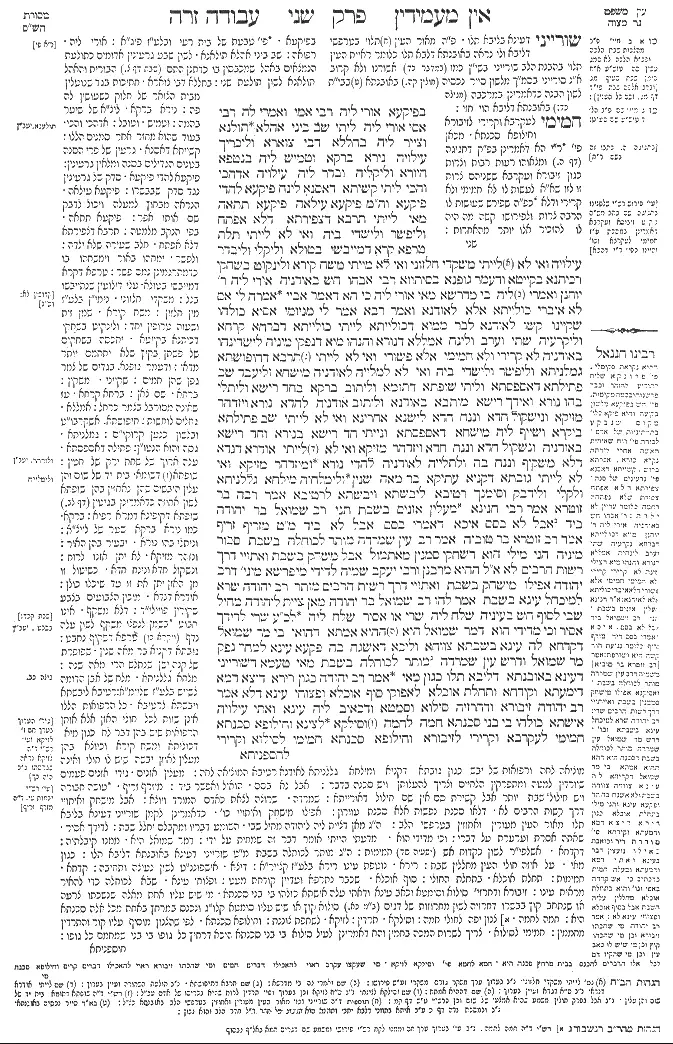
Avodah Zarah 28b - Guemara
בפיקעא אורי ליה רבי אמי ואמרי לה רבי אסי אורי ליה ליתי שב ביני אהלא תולנא וצייר ליה בחללא דבי צוארא וליכריך עילויה נירא ברקא וטמיש ליה בנטפא חיורא וליקליה ובדר ליה עילויה אדהכי והכי ליתי קשיתא דאסנא לינח פיקעא להדי פיקעא וה"מ פיקעא עילאה פיקעא תתאה מאי לייתי תרבא דצפירתא דלא אפתח וליפשר ולישדי ביה ואי לא לייתי תלת טרפא קרא דמייבשי בטולא וליקלי וליבדר עילויה ואי לא לייתי משקדי חלזוני ואי לא מייתי משח קירא ולינקוט בשחקי דכיתנא בקייטא ודעמר גופנא בסיתווא רבי אבהו חש באודניה אורי ליה ר' יוחנן ואמרי ליה בי מדרשא מאי אורי ליה כי הא דאמר אביי אמרה לי אם לא איברי כולייתא אלא לאודנא ואמר רבא אמר לי מניומי אסיא כולהו שקיינו קשו לאודנא לבר ממיא דכולייתא לייתי כולייתא דברחא קרחא וליקרעיה שתי וערב ולינח אמללא דנורא והנהו מיא דנפקי מיניה לישדינהו באודניה לא קרירי ולא חמימי אלא פשורי ואי לא לייתי תרבא דחיפושתא גמלניתא וליפשר ולישדי ביה ואי לא למלייה לאודניה מישחא וליעבד שב פתילתא דאספסתא וליתי שופתא דתומא וליתוב ברקא בחד רישא וליתלי בהו נורא ואידך רישא מותבא באודנא וליתוב אודניה להדא נורא ויזדהר מזיקא ונישקול חדא וננח חדא לישנא אחרינא ואי לא לייתי שב פתילתא ביקרא ושייף ליה מישחא דאספסתא ונייתי חד רישא בנורא וחד רישא באודניה ונשקול חדא וננח חדא ויזדהר מזיקא ואי לא לייתי אודרא דנדא דלא משקיף וננח בה ולתלייה לאודניה להדי נורא ומיזדהר מזיקא ואי לא לייתי גובתא דקניא עתיקא בר מאה שנין ולימלחיה מילחא גללניתא ולקלי ולידבק וסימנך רטיבא ליבשתא ויבשתא לרטיבא אמר רבה בר זוטרא אמר רבי חנינא מעלין אזנים בשבת תני רב שמואל בר יהודה ביד אבל לא בסם איכא דאמרי בסם אבל לא ביד מ"ט מזריף זריף אמר רב זוטרא בר טוביה אמר רב עין שמרדה מותר לכוחלה בשבת סבור מיניה הני מילי הוא דשחקי סמנין מאתמול אבל משחק בשבת ואתויי דרך רשות הרבים לא א"ל ההוא מרבנן ורבי יעקב שמיה לדידי מיפרשא מיני' דרב יהודה אפילו מישחק בשבת ואתויי דרך רשות הרבים מותר רב יהודה שרא למיכחל עינא בשבת אמר להו רב שמואל בר יהודה מאן ציית ליהודה מחיל שבי לסוף חש בעיניה שלח ליה שרי או אסיר שלח ליה לכ"ע שרי לדידך אסיר וכי מדידי הוא דמר שמואל היא ההיא אמתא דהואי בי מר שמואל דקדחא לה עינא בשבתא צווחא וליכא דאשגח בה פקעא עינא למחר נפק מר שמואל ודרש עין שמרדה מותר לכוחלה בשבת מאי טעמא דשורייני דעינא באובנתא דליבא תלו כגון מאי אמר רב יהודה כגון רירא דיצא דמא דימעתא וקידחא ותחלת אוכלא לאפוקי סוף אוכלא ופצוחי עינא דלא אמר רב יהודה זיבורא ודחרזיה סילוא וסמטא ודכאיב ליה עינא ואתי עילויה אישתא כולהו בי בני סכנתא חמה לחמה וסילקא לצינא וחילופא סכנתא חמימי לעקרבא וקרירי לזיבורא וחילופא סכנתא חמימי לסילוא וקרירי
Comments from Rashi on Masechet Avodah Zarah Page 28b
בפיקעא . פי' טבעת של בית רעי ובלע"ז פיג"א: אורי ליה . רפואה: שב ביני אהלא תולאנא . לשון שבע גרעינין אדומים כתולעת הנמצאים באהל שמכבסין בו כדתנן התם (שבת דף צ.) הבורית והאהל. תולאנא לשון תולעת שני: בחללא דבי צוארא . חתיכות בגד שנוטלין מבית הצואר של חלוק כשעושין לה פה: נירא ברקא . ליצ"א של שיער בהמה: וטמיש . וטובל: אדהכי והכי . בעוד שהוא מחזר אחר סמנים הללו: קשייתא דאסנא . גרעין של פרי הסנה בטנים הגדילים בסנה ומלאין גרעינין: פיקעא להדי פיקעא . סדק של גרעינין נגד סדק שבבשרו: פיקעא עילאה . הנראה מבחוץ למעלה ויכול לדבק שם אותו אפר: פיקעא תתאה . בפי הנקב מלמטה: תרבא דצפירתא דלא אפתח . חלב שעירה שלא ילדה: ולפשר . ימחהו באור וימשחהו בו כדמתרגמינן נמס פשר: טרפא דקרא דמייבשי בטולא . עלי דילועין שנתייבשו בצל: משקדי חלזוני . לימ"ץ בלע"ז מין חלזון: משח קירא . שמן זית ושעוה טרופין יחד: ולינקוט בשחקי דכיתנא בקייטא . יתכסה בשחקים של פשתן בקיץ שלא יתחמם יותר מדאי: ודעמר גופנא . בגדים של צמר גפן שהן חמים: שקייני . משקין: ברחא . שם צאן: ברחא קרחא . עז שאינה מסורבל בצמר כרחל: אמללא . גחלים לוחשות: חיפושתא . אשקרבו"ט ובלשון כנען קרוקי"ם: גמלניתא . גסה והוא הנטו"ן: פתילה דאספסתא . עלה ארוך של שחת ירק של חטין: שופתא דשומא . בית יד של שום והן עלין היבשים שהן נאחזין בהן. שופתא לשון אחיזה כדאמרינן בגיטין (דף לב.) שופתא דקופינא דמרא רפיא: ברקא . כמו נירא ברקא שער של לייצ"א: וניתלי בהו נורא . יבעיר בהן האור: ונזהר מזיקא . לא יתן אזנו לרוח: ונשקול חדא ונינח חדא . כשיטול זו מן האזן יתן את זו עד שיכלו כולן: אודרא דנדא . מוכין הצבועים בצבע שקורין פויילי"ד: דלא משקף . אינו חבוט בשמן לנפצו. משקף לשון עלה נדף (ויקרא כו) טרפא דשקיף נחבט: גובתא דקניא בר מאה שנין . שפופרת של קנה ישן שנתלש הרי מאה שנה: מלחא גללניתא . מלח של אבן הדומה לשייש בלע"ז שליימ"א: רטיבא ליבשתא ויבשתא לרטיבא . כל הרפואות הללו אינן שוות לכל חולי האזן אלא אותן הרפואות שיש בהן דבר לח כגון מיא דכוליתא ומשח קירא וכיוצא בהן מעלין לאוזן יבשה שיש לו חולי ואינה מוציאה לחה ורפואות של יבש כגון גובתא דקניא ומילחא גללניתא לאודנא רטיבא המוציאה לחה: מעלין אזנים . גידי אזנים פעמים שיורדין למטה ומתפרקין הלחיים וצריך להעלותן ויש סכנה בדבר: אבל לא בסם . הואיל ואפשר ביד: מיזרף זריף . עושה חבורה ויש חילול שבת יותר אבל קשירת סם אין שם חילול דאורייתא: שמרדה . שרוצה לצאת כאדם המורד ויוצא: אבל מישחק ואיתויי דרך רשות הרבים לא . דלאו סכנת נפשות אלא סכנת עוורון: אפילו מישחק ואיתויי כו' . כדאמרינן לקמן שורייני דעינא בליבא תלו מאור העין מעורין ואחוזין בטרפשי הלב: ה"ג מאן דציית ליה ליהודה מחיל שבי . השומע דבריו ומקבלם יחלל שבת: לדידך אסיר . שאתה אסרת וערערת על דברי: וכי מדידי הוא . מדעתי הייתי אומר דבר זה שמחית על ידי: דמר שמואל היא . ממנו קיבלתיה: דקדחא . אשלפי"ר לשון כקדוח אש (ישעיהו סד) חמימות: ה"ג מותר לכוחלה בשבת מ"ט שורייני דעינא באובנתא דליבא תלו: כגון מאי . על איזה חולי העין מחללין שבת: רירא . נוטפת עינו רירא בלע"ז קצייר"א: דיצא . אישפוננ"ט לשון נעיצה ותחיבה: קדחא . חמימות: תחלת אוכלא . בתחלת החולי: סוף אוכלא . שכבר נתרפא ועדיין קודחת מעט: ופצוחי עינא . שבא לכוחלה כדי להאיר מראית עינו: זיבורא ודחרזי' סילוא וסימטא וכאב עינא ודאתי עלה אישתא כולהו בי בני סכנתא . מי שיש עליו אחת מאלה שנשכתו צרעה או שנתחב קוץ בבשרו דחרזיה לשון מחרוזות של דגים (ב"מ כא.) סילוא קוץ או שיש עליו סימטא קלו"ג ונכנס במרחץ באחת מכל אלה סכנתא היא: חמה לחמה . צנון יפה לחולי חמה: וסילקא . תרדין: לזיקא . לשחפת צוננת: וחילופא סכנתא . לפי שהצנון מוסיף עליו קור והתרדין מחממין: חמימי לסילוא . צריך לשרות המכה בחמין והא דאמרינן לעיל סילוא בי בני סכנתא היכא דרחיץ כל גופו בי בני שמחמם כל גופו:
Comments from Tosafot - Avodah Zarah 28b
שורייני דעינא בליבא תלו . פ"ה מאור העין תלוי בטרפשי דליבא ולי נראה באובנתא דלבא תלו כלומר ראיית העין תלוי בהבנת הלב שורייני בשי"ן כמו (במדבר כד) אשורנו ולא קרוב א"נ סורייני בסמ"ך מלשון סייר נכסיה (חולין קה.) באובנתא בבי"ת לשון הבנה כדאמרינן במרכבה (מגילה כד:) באובנתא דליבא הוי חזי: חמימי לעקרבא וקרירי לזיבורא וחילופא סכנתא . מכאן פי' ר"י הא דאמרינן בפ"ק דחגיגה (דף ה.) ומצאוהו רעות רבות וצרות כגון זיבורא ועקרבא ששניהם צרות זו לזו שא"א לעשות לו לא חמימי ולא קרירי ודלא כפ"ה שפירש שעושות לו הרבה צרות ולפירושו קשה מה היה לו להזכיר אלו יותר מהאחרות:
Avodah Zarah 28b - Mishnah translated into english
from hemorrhoids. Rabbi Ami instructed him, and some say that Rabbi Asi instructed him that he should bring seven seeds of ice plant that are red like a worm and bind them in the collar of a shirt, and then he should wrap a strip of hair around it, and dip the bundle in white naphtha and he should burn it and spread the ashes upon the sores. In the meantime, he should bring the kernel of a bramble [asna] fruit and place its crevice against his own crevice, i.e., the anus.
The Gemara remarks: And this matter applies only to the upper crevice, which is located at the outer edge of the anus and can be treated with bramble fruit. What should one do if he is experiencing pain in the lower crevice, located deeper within the rectum? He should bring the fat of a goat that has not yet opened, i.e., given birth, and he should melt it and then he should apply it to the irritated area.
And if this is not possible, he should bring three pumpkin leaves that were dried in the shade and he should burn them, and then he should spread the ashes upon the irritated area. And if this is not possible, he should bring snail shells instead. And if this is also not possible, he should bring oil mixed with wax [kira] and he should smear it upon worn flax clothing in summer, or worn cotton clothing in winter, and place it upon the irritated area.
Rabbi Abbahu suffered from pain in his ear. Rabbi Yoḥanan instructed him, and some say that other Sages from the study hall instructed him, how to heal it. The Gemara asks: What did they instruct him? They told him to act in a fashion similar to that which Abaye said: My mother told me that the kidney was created only for the ear, i.e., it can be extremely beneficial to the ear. And Rava said: Minyumi the physician said to me: All liquids are harmful to the ear except for the fluid of the kidneys. Therefore, Rabbi Abbahu should bring the kidney of a bald goat [barḥa] and tear it vertically and horizontally and then place it upon dimming coals. And as for those fluids that issue from it, he should apply them to his ear while they are neither cold nor hot, but tepid.
The Gemara adds: And if this is not possible, he should bring the fat of a large beetle and melt it and apply it to the ear. And if not, he should fill his ear with oil and prepare seven wicks made of alfalfa [aspasta] and bring dried garlic ends, and tie the ends to the wicks with a strip of hair at one end, and set the wicks aflame. And he should place the other end of each wick in his ear one at a time, and place his ear opposite the flame. Parenthetically, the Gemara notes: And he should be cautious of drafts and avoid them, as they will harm his ear. The Gemara continues: And he should take one wick and remove one wick, i.e., replace each wick as it is consumed until all seven have been used.
The Gemara presents another version of this remedy: And if not, he should bring seven wicks of wax tapers and smear them with alfalfa oil, and place one end of each wick in the flame and one end in his ear, and take one wick and remove one wick. And again he should be cautious of drafts.
And if this is not possible, he should bring fiber that was dried but not combed and place it in his ear, and then bring his ear opposite the flame. And he should be cautious of drafts. And if not, he should bring the tube of an aged reed that is one hundred years old, i.e., that has been detached from the ground for a century, and salt it with rock salt and then burn it and stick it in his ear. The Gemara adds: And your mnemonic to remember these remedies is this: Moist cures are prescribed for dry afflictions, and dry cures are prescribed for moist afflictions.
§ The Gemara returns to the issue of medical treatment on Shabbat. Rabba bar Zutra says that Rabbi Ḥanina says: One may raise his ears to their appropriate position, i.e., set his dislocated jaw, on Shabbat. Rav Shmuel bar Yehuda teaches: This applies only if one raises it by hand, but not by means of medicine. There are those who say the opposite: One may raise his ears by means of medicine, but not by hand. What is the reason that one may not manually raise the ear? It is because doing so might injure [zareif ] the ear, which would constitute a violation of Torah law, whereas applying medicine is a violation of rabbinic law.
Rav Zutra bar Toviyya says that Rav says: With regard to an eye that rebelled, i.e., which is apt to pop out of its socket, it is permitted to apply blue eye shadow to it on Shabbat. The Sages initially concluded from this that this statement applies only where one had already ground the ingredients yesterday, i.e., on Shabbat eve, but if he planned to grind them on Shabbat, or to bring them through a public domain, it would not be permitted, as this would constitute a desecration of Shabbat by Torah law. To dispel this notion, one of the Sages, named Rabbi Ya’akov, said to them: This matter was explained to me by Rav Yehuda, who said that even if he plans to grind the ingredients on Shabbat and bring it through a public domain, it is permitted.
The Gemara relates that Rav Yehuda permitted someone to apply blue eye shadow to the eye on Shabbat. Rav Shmuel bar Yehuda said to the Sages: One who adheres to the ruling of Yehuda desecrates Shabbat. Ultimately, Rav Shmuel bar Yehuda himself suffered pain in his eye. He sent a message to Rav Yehuda, asking: Is it permitted or prohibited for me to treat my eye on Shabbat? Rav Yehuda sent back to him: For everyone else, it is permitted; for you, it is prohibited, as you treated my lenient ruling with disdain.
Rav Yehuda continues: But was it of my own accord that I issued this ruling? It is the ruling of Mar Shmuel, as demonstrated in the following incident: There was a certain maidservant who was in the house of Mar Shmuel whose eye became infected on Shabbat. She screamed in pain, but there was no one who attended to her. Eventually, her eye popped out of its socket. The next day, Mar Shmuel went out and taught: With regard to an eye that rebelled, it is permitted to apply blue eye shadow to it on Shabbat. What is the reason for this leniency, seeing as one may desecrate Shabbat only to treat life-threatening afflictions? The reason is that the tendons [shuraynei] of the eye are dependent upon the valves of the heart.
The Gemara asks: What ailment of the eye, for example, is considered life-threatening? Rav Yehuda said: For example, any of the following: Abnormal discharge; the sensation of pricking; blood flow from the eye; excessive tearing; and inflammation; and the onset of infection. This list serves to exclude the final stages of a waning infection that is mostly healed, and the opening of the eye, i.e., treatment administered to improve one’s eyesight, which are not life-threatening and therefore one is not permitted to treat them on Shabbat.
Rav Yehuda says: With regard to one who suffers from the sting of a hornet, or the prick of a thorn [silva], or an abscess, or one whose eye pains him, or one overcome by a fever, bathing in a bathhouse is a life-threatening danger for all of these. Additionally, eating radish [ḥamma] is good for a fever [ḥamma], and eating beets [silka] is good for chills [tzina], but the reverse, i.e., eating radish when one has chills or beets when one has a fever, poses a danger. Similarly, eating hot foods is good for the sting of a scorpion, and cold foods are good for a hornet sting, but the reverse poses a danger. Hot water is good for a thorn embedded in one’s skin, and cold water is good
Traduction : The William Davidson digital edition of the Koren Noé Talmud, with commentary by Rabbi Adin Even-Israel Steinsaltz.