 Talmud Bavli
The learning on the whole site is dedicated : L'ilui Nishmat Amram ben Itshak Loubaton
The learning on the whole site is dedicated : L'ilui Nishmat Nissim ben Barukh Malka
The learning on the whole site is dedicated : L'ilui Nishmat Jamila bat Chlomo Abensour
Avodah Zarah 73a : Youtube
Daf TubeYoutube
2 video classes :
Avodah Zarah Page 73a
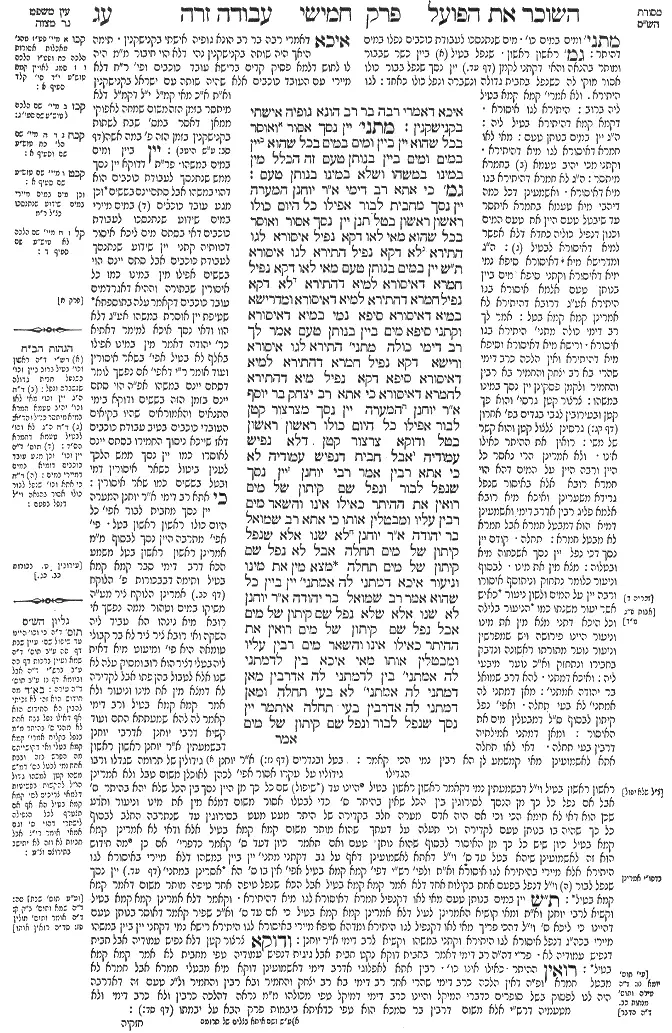
Avodah Zarah 73a - Guemara
איכא דאמרי רבה בר רב הונא גופיה אישתי בקנישקנין:
מתני׳ יין נסך אסור ואוסר בכל שהוא יין ביין ומים במים בכל שהוא יין במים ומים ביין בנותן טעם זה הכלל מין במינו במשהו ושלא במינו בנותן טעם:
גמ׳ כי אתא רב דימי א"ר יוחנן המערה יין נסך מחבית לבור אפילו כל היום כולו ראשון ראשון בטל תנן יין נסך אסור ואוסר בכל שהוא מאי לאו דקא נפיל איסורא לגו התירא לא דקא נפיל התירא לגו איסורא ת"ש יין במים בנותן טעם מאי לאו דקא נפיל חמרא דאיסורא למיא דהתירא לא דקא נפיל חמרא דהתירא למיא דאיסורא ומדרישא במיא דאיסורא סיפא נמי במיא דאיסורא וקתני סיפא מים ביין בנותן טעם אמר לך רב דימי כולה מתני' התירא לגו איסורא ורישא דקא נפיל חמרא דהתירא למיא דאיסורא סיפא דקא נפיל מיא דהתירא לחמרא דאיסורא כי אתא רב יצחק בר יוסף א"ר יוחנן המערה יין נסך מצרצור קטן לבור אפילו כל היום כולו ראשון ראשון בטל ודוקא צרצור קטן דלא נפיש עמודיה אבל חבית דנפיש עמודיה לא כי אתא רבין אמר רבי יוחנן יין נסך שנפל לבור ונפל שם קיתון של מים רואין את ההיתר כאילו אינו והשאר מים רבין עליו ומבטלין אותו כי אתא רב שמואל בר יהודה א"ר יוחנן לא שנו אלא שנפל קיתון של מים תחלה אבל לא נפל שם קיתון של מים תחלה מצא מין את מינו וניעור איכא דמתני לה אמתני' יין ביין כל שהוא אמר רב שמואל בר יהודה א"ר יוחנן לא שנו אלא שלא נפל שם קיתון של מים אבל נפל שם קיתון של מים רואין את ההיתר כאילו אינו והשאר מים רבין עליו ומבטלין אותו מאי איכא בין לדמתני לה אמתני' בין לדמתני לה אדרבין מאן דמתני לה אמתני' לא בעי תחלה ומאן דמתני לה אדרבין בעי תחלה איתמר יין נסך שנפל לבור ונפל שם קיתון של מים
Comments from Rashi on Masechet Avodah Zarah Page 73a
מתני' ומים במים כו' . מים שנתנסכו לעבודת כוכבים נפלו במים דהיתר: גמ' ראשון ראשון . שנפל בטיל ביין כשר שבבור ומותר בהנאה. והאי דקתני לקמן (עבודה זרה דף עד.) יין נסך שנפל בבור כולו אסור מוקי לה כשנפל בחבית גדולה ונשברה ונפל כולו כאחד: לגו היתירא . ולא אמרי' קמא קמא בטיל ליה ברוב: היתירא לגו איסורא . דקמא קמא דהיתירא בטיל ליה: ה"ג יין במים בנותן טעם: מאי לאו חמרא דאיסורא לגו מיא דהיתירא . וקתני מכי יהיב טעמא בחמרא מיתסר: ה"ג לא חמרא דהיתירא בגו מיא דאיסורא . ואשמעינן דכל כמה דיהבי מיא טעמא בחמרא איתסר עד שיבטל טעם היין את טעם המים וכגון דנפיל כוליה כחדא דלא אפשר למיא דאיסורא לבטיל: ה"ג ומדרישא מיא דאיסורא סיפא נמי מיא דאיסורא וקתני סיפא מים ביין בנותן טעם . אלמא איסורא בגו היתירא אע"ג דרובא דהיתירא לא אמרינן קמא קמא בטל: אמר לך רב דימי כולה מתני' היתירא בגו איסורא ורישא . מיא דאיסורא וסיפא מיא דהיתירא. ואין הלכה כרב דימי שהרי בא רב יצחק והחמיר בא רבין והחמיר ולקמן פסקינן יין נסך במינו במשהו: צרצור קטן גרסי' . והוא פך קטן. ובעירובין לגבי בגדים בפ' אחרון (דף קג:) גרסינן צלצול קטן והוא קשר של משי: רואין את ההיתר כאילו אינו . ולא אמרינן הרי נאסר כל היין ורבה היין על המים דהא הוי חמרא רובא אלא באיסור שנפל גרידא משערינן ואיכא מיא רובא. אלמא פליג רבין אדרב דימי ואשמעינן דמיא הוא דמבטל חמרא אבל חמרא לא מבטל חמרא: תחלה . קודם יין נסך דכי נפל יין נסך אשכחוה מיא ובטלוה: מצא מין את מינו . לבסוף וניעור כלומר נתחזק וניתוסף איסורו ורבה יין על המים. ולשון ניעור כאיש אשר יעור משנתו כמו הניעור בלילה וכל היכא דתני מצא מין את מינו וניעור היינו פירושה. ויש שמפרשין וניעור נוער מתורתו ראשונה ונדבק בחבירו ונתחזק וא"כ נוער מיבעי ליה: ואיכא דמתני . להא דרב שמואל בר יהודה אמתני': מאן דמתני לה אמתני' לא בעי תחלה . ואפי' נפל קיתון לבסוף ס"ל דמבטלין מים את האיסור: ומאן דמתני אמילתיה דרבין בעי תחלה . דאי לאו תחלה אתא לאשמועינן מאי קמשמע לן הא רבין נמי הכי קאמר:
Comments from Tosafot - Avodah Zarah 73a
איכא דאמרי רבה בר רב הונא גופיה אישתי בקנישקנין . תימה היאך היה שותה בקנישקנין נהי דלא הוי חיבור מ"מ היה לו לחוש דלמא פסיק קדים ברישא עובד כוכבים ופי' ר"ח דלא מיירי עם העובד כוכבים אלא שהיה שותה עם ישראל בקנישקנין וא"ת א"כ מאי קמ"ל י"ל דקמ"ל דלא מיתסר בזמן הזה משום שמחה לאפוקי ממאן דאסר במס' שבת לשתות בקנישקנין בזמן הזה פ' במה אשה (דף סב: ע"ש היטב): יין ביין ומים במים במשהו . פר"ת דדוקא יין נסך ממש שנתנסך לעבודת כוכבים הוא דהוי במשהו אבל סתם יינם בששים וכן מגע עובד כוכבים במים מיירי במים שידוע שנתנסכו לעבודת כוכבים דאי בסתם מים ליכא איסור דכוותיה קתני יין שידוע שנתנסך לעבודת כוכבים אבל סתם יינם הוי בששים אפילו מין במינו כמו כל איסורין שבתורה וההיא דאגרדמים עובד כוכבים דקאמר עלה בתוספתא שטיפת יין אוסרת במשהו אע"ג דלא הוו ודאי נסך איכא למימר דאתיא כר' יהודה דאמר מין במינו אפילו באלף לא בטיל אפי' בשאר איסורין ועוד אומר ר"י דאפי' אם נפשך לומר דסתם יינם במשהו אפ"ה הוי סתם יינם בזמן הזה בששים ודוקא בימי התנאים והאמוראים שהיו בקיאים העובדי כוכבים בטיב עבודת כוכבים דאז שייכא ניסוך החמירו בסתם יינם לאוסרו כמו יין נסך ממש הלכך לענין ביטול כשאר איסורין דמי ובטל בששים כמו שאר איסורין: כי אתא רב דימי א"ר יוחנן המערה יין נסך מחבית לבור אפי' כל היום כולו ראשון ראשון בטל . פי' אפי' מתרבה היין נסך לבסוף מ"מ אמרינן ראשון ראשון בטל משמע הכא דרב דימי סבר קמא קמא בטיל ותימה דבבכורות פ' הלוקח (דף כב.) אמרינן הלוקח ציר מע"ה משיקו במים וטהור ממה נפשך אי רובא מיא נינהו הא עביד ליה השקה ואי רובא ציר ציר לא בר קבולי טומאה היא פי' ומיעוט מיא דאית ליה בטלי דציר הוא רוב ומסיק עלה לא שנו אלא לטבול בהן פתו אבל לקדירה לא דמצא מין את מינו וניעור ולא אמר קמא קמא בטיל ורב דימי קאמר לה להא שמעתתא התם ועוד קשיא דרבי יוחנן אדרבי יוחנן דבשמעתין א"ר יוחנן ראשון ראשון בטל ובנדרים (דף נז:) א"ר יוחנן גידולין של תרומה שגדלו ורבו גידוליו על עקרו אסור אפי' לכהן לאוכלן משום טבל ולא אמרינן ראשון ראשון בטיל וי"ל דבשמעתין נמי דקאמר ראשון ראשון בטיל היינו עד (שיפול) שם כל כך מן היין נסך בין הכל שלא יהא בהיתר ס' אבל אם נפל כל כך מן הנסך לסירוגין בין הכל שאין בהיתר ס' כדי לבטלו אסור משום דמצא מין את מינו וניעור ותדע שכן הוא דאי לא תימא הכי וכי אם היה אדם מערה חלב בקדירה של היתר מעט מעט בסירוגין עד שנתרבה החלב לבסוף כל כך שהיה בו בנותן טעם לקדירה וכי תעלה על דעתך שהוא מותר משום קמא קמא בטיל אלא ודאי לא אמרינן קמא קמא בטיל כיון שיש כל כך מן האיסור לבסוף שהוא נותן טעם ואם תאמר כיון דעד ס' קאמר כדפרי' אם כן מה חידוש הוא זה לאשמועינן שיהא בטל עד ס' וי"ל דאתא לאשמועינן דאף על גב דקתני מתני' יין ביין במשהו דלא מיירי באיסורא לגו היתירא אלא מיירי בהיתירא לגו איסורא וא"ת ולפי' רש"י דפי' קמא קמא בטיל אפי' אין בו ס' הא אסרינן במתני' (דף עד.) יין נסך שנפל לבור וי"ל דנפל בפעם אחת בקילוח אחד דלא אמר קמא קמא בטיל אבל הכא שנפל טיפה אחר טיפה מותר משום דאמר קמא קמא בטיל: ת"ש יין במים בנותן טעם מאי לאו דקנפיל חמרא דאיסורא לגו מיא דהיתירא . וקאמר דלא אמרינן קמא קמא בטיל וקשיא לרבי יוחנן וא"ת ומאי קושיא האמרינן לעיל דלא אמרינן קמא קמא בטיל כי אם עד ס' וא"כ שפיר קאמר דאוסר בנותן טעם דהיינו כי ליכא ס' וי"ל דהכי פריך מאי לאו דקנפיל לגו היתירא ומדהא סיפא מיירי באיסורא לגו היתירא רישא נמי דקתני יין ביין במשהו מיירי בכה"ג דנפל איסורא לגו היתירא וקתני במשהו וקשיא לרב דימי א"ר יוחנן: ודוקא צרצור קטן דלא נפיש עמודיה אבל חבית דנפיש עמודיה לא . פר"י דה"ה רב דימי דאמר בחבית דוקא נקט חבית אבל גיגית דנפיש עמודיה טפי מחבית לא אמר קמא קמא בטיל: רואין ההיתר כאילו אינו כו' . רבין אתא לאפלוגי אדרב דימי דאשמועינן דוקא מיא מבטלי חמרא אבל חמרא לא מבטל חמרא ופ"ה דאין הלכה כרב דימי שהרי אחר רב דימי בא רב יצחק והחמיר ובא רבין והחמיר ול"נ טעם זה דאדרבה היה לנו לפסוק בשל סופרים כדברי המיקל והיינו כרב דימי דמיקל טפי מכולהו מ"מ נראה דהלכה כרבין ולא כרב דימי ולא מטעמיה דרש"י אלא משום דרבין בר סמכא הוא טפי כדאיתא ביבמות פרק הבא על יבמתו (דף סד:):
Avodah Zarah 73a - Mishnah translated into english
There are those who say that Rabba bar Rav Huna himself drank from a kenishkanin.
MISHNA: Wine used for a libation is forbidden, and any amount of it renders other wine forbidden if they are mixed together. Wine used for a libation that became mixed with wine, or water that was used for an idolatrous libation that became mixed with ordinary water, renders the mixture forbidden with any amount of the forbidden wine or water; but wine used for a libation that became mixed with water, or water used for a libation that became mixed with wine renders the mixture forbidden only if the forbidden liquid is sufficient to impart flavor to the mixture, i.e., for the wine to flavor the water or for the water to dilute the wine to an extent that can be tasted.
This is the principle: A substance in contact with the same type of substance renders the mixture forbidden with any amount of the forbidden substance, but a substance in contact with a different type of substance renders the mixture forbidden only in a case where it imparts flavor to it.
GEMARA: When Rav Dimi came from Eretz Yisrael to Babylonia, he reported that Rabbi Yoḥanan says: In the case of one who pours wine used for a libation from a barrel into a wine cistern, even if he does this all day long, the forbidden wine is nullified little by little upon contact with the wine in the cistern, and the wine is consequently permitted.
The Gemara raises an objection to the halakha reported by Rav Dimi from that which we learned in the mishna: Wine used for a libation is forbidden, and any amount of it renders other wine forbidden. What, is it not referring to a case where the forbidden substance fell into the permitted substance, as in the case of Rav Dimi’s statement? The Gemara rejects this: No, it is referring to a case where the permitted substance fell into the forbidden substance.
The Gemara suggests: Come and hear a further objection to the halakha reported by Rav Dimi from the continuation of the mishna: Wine that became mixed with water renders the mixture forbidden if it is sufficient to impart flavor to it. What, is it not referring to a case where forbidden wine fell into permitted water, and contrary to Rav Dimi’s statement, the wine is not nullified but instead renders the mixture forbidden the moment there is a sufficient amount of it to impart flavor? The Gemara answers: No, it is referring to a case where permitted wine fell into forbidden water, and as long as the water influences the flavor of the wine, it is forbidden.
The Gemara challenges: And from the fact that the first clause is referring to forbidden water, by inference, the latter clause is also dealing with forbidden water, and the latter clause teaches: Water that became mixed with wine renders the mixture forbidden in a case where it imparts flavor to it. The Gemara answers that Rav Dimi could have said to you that the entire mishna is dealing with permitted substances falling into forbidden substances, and the first clause is dealing with a case where permitted wine fell into forbidden water, while the latter clause is dealing with a case where permitted water fell into forbidden wine.
When Rav Yitzḥak bar Yosef came from Eretz Yisrael to Babylonia, he reported that Rabbi Yoḥanan says: In the case of one who pours wine used for a libation from a small canteen into a wine cistern, even if he did so all day long, the forbidden wine is nullified little by little in the permitted wine. And this applies specifically to a small canteen, whose stream is not significant. But if one pours wine from a barrel, whose stream is significant, this does not apply.
§ When Ravin came from Eretz Yisrael to Babylonia, he said that Rabbi Yoḥanan says: In the case of wine used for a libation that fell into a wine cistern, and where a pitcher of water also fell there, one considers the permitted wine as though it is nonexistent, and it is not rendered forbidden by the wine used for a libation; and with regard to the rest, i.e., the wine used for a libation, the volume of the water is greater than the volume of the wine and nullifies it.
When Rav Shmuel bar Yehuda came from Eretz Yisrael he said that Rabbi Yoḥanan says: The Sages taught this only with regard to a case where the pitcher of water fell in first, but if the pitcher of water did not fall in first, the wine used for a libation has found its own type, i.e., the wine in the cistern, and been awakened. In other words, the wine used for a libation renders the wine in the cistern forbidden, causing the volume of the wine that is forbidden to become larger, and the water that subsequently falls in is not sufficient to nullify all of the wine.
The Gemara comments: There are those who teach this halakha with regard to the mishna, which states that wine used for a libation that became mixed with permitted wine renders it forbidden with any amount. Rav Shmuel bar Yehuda says that Rabbi Yoḥanan says: The mishna taught this only with regard to a case where a pitcher of water did not also fall into the permitted wine; but if a pitcher of water fell there, one considers the permitted wine as though it is nonexistent, and it is not rendered forbidden by the wine used for a libation, and with regard to the rest, i.e., the wine used for a libation, the volume of the water is greater than the volume of the wine and nullifies it.
The Gemara asks: What difference is there between the one who teaches this about the mishna and the one who teaches it about the statement of Ravin? The Gemara explains: The one who teaches it about the mishna does not need for the pitcher of water to have fallen in first; in any event the water nullifies the forbidden wine. But the one who teaches it about the statement of Ravin adds to Ravin’s statement, and so he needs the pitcher of water to have fallen in first.
§ It was stated that in a case of wine used for a libation that fell into a wine cistern, and where a pitcher of water also fell there,
Traduction : The William Davidson digital edition of the Koren Noé Talmud, with commentary by Rabbi Adin Even-Israel Steinsaltz.