 Talmud Bavli
The learning on the whole site is dedicated : L'ilui Nishmat אסתר בת חיים
The learning on the whole site is dedicated : For the success of Elyahou ben H'anna & family
The learning on the whole site is dedicated : L'ilui Nishmat Ledicia bat David Banoun
Avodah Zarah 38a : Youtube
Daf TubeYoutube
2 video classes :
Avodah Zarah Page 38a
Avodah Zarah 38a - Guemara
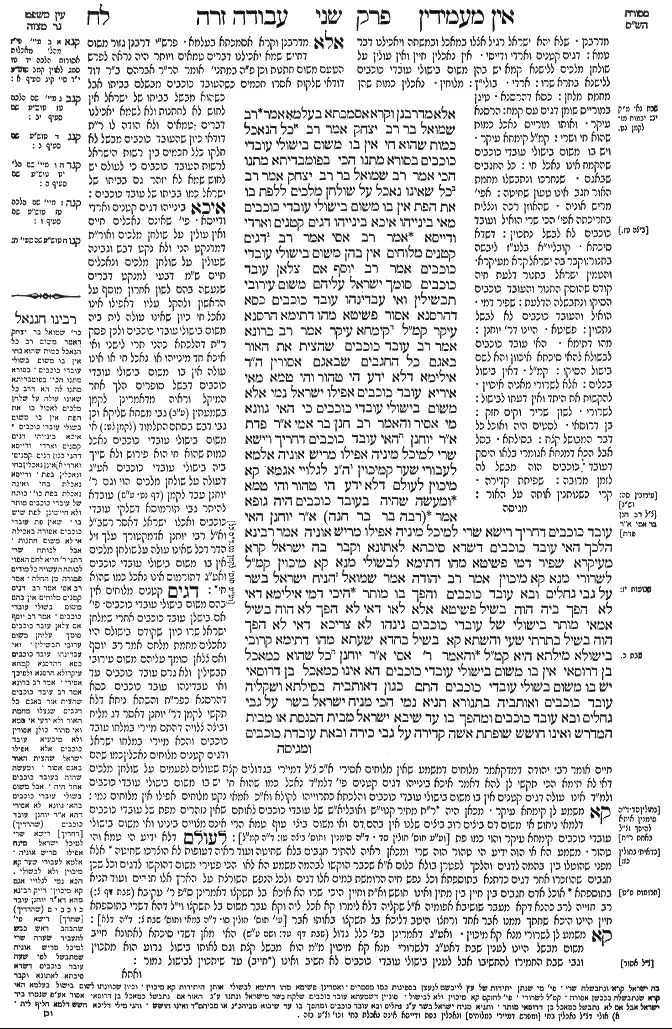
אלא מדרבנן וקרא אסמכתא בעלמא אמר רב שמואל בר רב יצחק אמר רב כל הנאכל כמות שהוא חי אין בו משום בישולי עובדי כוכבים בסורא מתנו הכי בפומבדיתא מתנו הכי אמר רב שמואל בר רב יצחק אמר רב כל שאינו נאכל על שולחן מלכים ללפת בו את הפת אין בו משום בישולי עובדי כוכבים מאי בינייהו איכא בינייהו דגים קטנים וארדי ודייסא אמר רב אסי אמר רב דגים קטנים מלוחים אין בהן משום בישולי עובדי כוכבים אמר רב יוסף אם צלאן עובד כוכבים סומך ישראל עליהם משום עירובי תבשילין ואי עבדינהו עובד כוכבים כסא דהרסנא אסור פשיטא מהו דתימא הרסנא עיקר קמ"ל קימחא עיקר אמר רב ברונא אמר רב עובד כוכבים שהצית את האור באגם כל החגבים שבאגם אסורין ה"ד אילימא דלא ידע הי טהור והי טמא מאי איריא עובד כוכבים אפילו ישראל נמי אלא משום בישולי עובדי כוכבים כי האי גוונא מי אסיר והאמר רב חנן בר אמי א"ר פדת א"ר יוחנן האי עובד כוכבים דחריך רישא שרי למיכל מיניה אפילו מריש אוניה אלמא לעבורי שער קמיכוין ה"נ לגלויי אגמא קא מיכוין לעולם דלא ידע הי טהור והי טמא ומעשה שהיה בעובד כוכבים היה גופא אמר רבה בר בר חנה א"ר יוחנן האי עובד כוכבים דחריך רישא שרי למיכל מיניה אפילו מריש אוניה אמר רבינא הלכך האי עובד כוכבים דשדא סיכתא לאתונא וקבר בה ישראל קרא מעיקרא שפיר דמי פשיטא מהו דתימא לבשולי מנא קא מיכוין קמ"ל לשרורי מנא קא מיכוין אמר רב יהודה אמר שמואל הניח ישראל בשר על גבי גחלים ובא עובד כוכבים והפך בו מותר היכי דמי אילימא דאי לא הפך ביה הוה בשיל פשיטא אלא לאו דאי לא הפך לא הוה בשיל אמאי מותר בישולי של עובדי כוכבים נינהו לא צריכא דאי לא הפך הוה בשיל בתרתי שעי והשתא קא בשיל בחדא שעתא מהו דתימא קרובי בישולא מילתא היא קמ"ל והאמר ר' אסי א"ר יוחנן כל שהוא כמאכל בן דרוסאי אין בו משום בישולי עובדי כוכבים הא אינו כמאכל בן דרוסאי יש בו משום בשולי עובדי כוכבים התם כגון דאותביה בסילתא ושקליה עובד כוכבים ואותביה בתנורא תניא נמי הכי מניח ישראל בשר על גבי גחלים ובא עובד כוכבים ומהפך בו עד שיבא ישראל מבית הכנסת או מבית המדרש ואינו חושש שופתת אשה קדירה על גבי כירה ובאת עובדת כוכבים
Comments from Rashi on Masechet Avodah Zarah Page 38a
מדרבנן . שלא יהא ישראל רגיל אצלו במאכל ובמשתה ויאכילנו דבר טמא: דגים קטנים וארדי ודייסי . אין נאכלין חיין ואין עולין על שולחן מלכים ללישנא קמא יש בהן משום בישולי עובדי כוכבים ללישנא בתרא שרו: ארדי . בולי"ץ: מלוחין . נאכלין כמות שהן מחמת מלחן: כסא דהרסנא . טיגן במורייס שומן דגים עם קמח: הרסנא עיקר . ואותו מורייס נאכל כמות שהוא חי ושרי: קמ"ל קימחא עיקר . ויש בו משום בישולי עובדי כוכבים שהקמח אינו נאכל חי: כל החגבים שבאגם . שנחרכו ונתבשלו מחמת האור. חגב אינו טעון שחיטה: אפי' מריש אוניה . שהאוזן רכה ונצלית בחריכתה אפי' הכי שרי הואיל ועובד כוכבים לא לבשל נתכוין: דשדא סיכתא . קביליי"א בלע"ז ליבשה בתנור: וקבר בה ישראל קרא מעיקרא . והטמין ישראל בתנור דלעת חיה קודם שהוסק התנור והעובד כוכבים הסיקו ונתבשלה הדלעת: שפיר דמי . הואיל והעובד כוכבים לא לבשל נתכוין: פשיטא . היינו דר' יוחנן: מהו דתימא . האי עובד כוכבים לבשולא להאי סיכתא איכוון והא לשם בישול הסיקו: קמ"ל . דאין בישול בכלים: אלא לשרורי מאניה איכוין . להקשות את היתד ואין דעתו לבישול: לשרורי . לשון שריר וקים חזק: בן דרוסאי . לסטים היה ואוכל כל דבר המבושל קצת: בסילתא . בסל אבל הכא דמנחא אגומרי בלאו היסק דעובד כוכבים הוה מבשל לה לזמן מרובה: שפיתת קדירה קרי כשנותנין אותה על האור:
Comments from Tosafot - Avodah Zarah 38a
אלא מדרבנן וקרא אסמכתא בעלמא . פרש"י דרבנן גזור משום דחייש שמא יאכילנו דברים טמאים ויותר היה נראה לפרש הטעם משום חתנות וכן פ"ה במתני' אומר הר"ר אברהם ב"ר דוד דודאי שלקות אסרו חכמים כשהעובד כוכבים מבשלם בביתו אבל כשהוא מבשל בביתו של ישראל אין לחוש לא לחתנות ולא לשמא יאכילנו דברים טמאים ולא הודה לו ר"ת דודאי כיון שהעובד כוכבים מבשל לא חלקו כלל חכמים בין רשות הישראל לרשות העובד כוכבים כי לעולם יש לחוש שמא לא יזהר גם בביתו של ישראל כמו בביתו של עובד כוכבים: איכא בינייהו דגים קטנים וארדי ודייסא . פי' שאינם נאכלים חיים ואין עולין על שולחן מלכים ואור"ת דמדנקט הני ולא נקט דבש וגבינה שעולין על שולחן מלכים ונאכלים חיים ש"מ דבעי למנקט דברים שנעשה בהם לשון אחרון מוסף על הראשון ולהקל עליו דאפילו אינו נאכל חי כיון שאינו עולה לית ביה משום בישולי עובדי כוכבים ולכן פסק ר"ת דהלכתא כהני תרי לישני ואי איכא חד מינייהו או נאכל חי או אינו עולה אין בו משום בישולי עובדי כוכבים דבשל סופרים הלך אחר המיקל וראיה מדאמרינן לקמן בשמעתין (עבודה זרה לח ע"ב) גבי משחא שליקא וכן גבי דבש בסתם התלמוד (לקמן עבודה זרה לט:) אי משום בישולי עובדי כוכבים נאכל כמות שהוא חי הוא פירוש ולא שייך ביה בישולי עובדי כוכבים אע"ג דעולה על שולחן מלכים הוי וגם ר' יוחנן עבד לקמן (עבודה זרה דף נט. ע"ש) עובדא להיתר גבי תורמוסא דשלקי עובדי כוכבים ואכלו ישראל דאסר רשב"ל וא"ל רבי יוחנן אדמקטורך עלך זיל הדר דכל שאינו עולה על שולחן מלכים אין בו משום בישולי עובדי כוכבים ואע"ג דתורמוס אינו נאכל כמו שהוא חי: דגים קטנים מלוחים אין בהם משום בישולי עובדי כוכבים . פי' אם בישלן עובד כוכבים אחרי שמלחן ישראל שרו כיון שקודם בישולם היו נאכלים מחמת מלחם אמר רב יוסף ואם צלאן סומך עליהם משום עירובי תבשילין ולא גרס עובד כוכבים עד ואי עבדינהו עובד כוכבים כסא דהרסנא כפר"ח והשתא ניחא דלא תקשי לקמן דר' יוחנן דאסר דג מליח וביצה צלויה דהתם מיירי במלחו עובד כוכבים והכא מיירי במלחו ישראל ודגים קטנים מלוחים נאכלין כמו שהם חיים אומר רבי יהודה דמדקאמר מלוחים דמשמע שאין מלוחים אסירי א"כ צ"ל דמיירי בגדולים קצת שעולים לפעמים על שולחן מלכים דאי לא תימא הכי תקשי לן להא דאמר איכא בינייהו דגים קטנים פי' דלמ"ד נאכל כמו שהוא חי יש בו משום בישולי עובדי כוכבים ולמ"ד אינו עולה דגים קטנים אין בו משום בישולי עובדי כוכבים והלכתא כתרוייהו לקולא וא"כ אמאי נקט מלוחים אפילו אין מלוחים נמי: קא משמע לן קימחא עיקר . מכאן היה ר"ת מתיר קנוי"ש ואובליא"ש של עובדי כוכבים לאותם שאין נזהרים מפת של עובדי כוכבים דלמאי ניחוש אי משום דם ביצים רוב ביצים שלנו אין בהם דם ואי משום ביצי עוף טמא הרי אינם מצויים בינינו ואי משום בישולי עובדי כוכבים קימחא עיקר והוי כמו פת [וע"ע תוס' חולין סד. ד"ה סימנין ותוס' ביצה טז: ד"ה קמ"ל]: לעולם דלא ידיע הי טמא והי טהור . משמע הא אי הוה ידיע הי טהור הוה שרי ומכאן ראיה להתיר חגבים בלא שחיטה ועוד ראיה דעופות לא הוצרכו שחיטה. אלא מפני שהוטלו בין בהמה לדגים והלכך לפטרן בולא כלום א"א שכבר הוקשו לבהמה משמע הא לאו הכי פטירי משום דהוקשו לדגים וכל שכן חגבים שהוזכרו אחר דגים כדתנא בתוספתא וכל נפש חיה הרומשת במים אלו דגים ולכל הנפש השורצת על הארץ אלו חגבים ועוד תניא בתוספתא אוכל אדם חגבים בין חיין בין מתין ואינו חושש וא"ת וחיין היכי שרו הא איכא בל תשקצו דאמרינן ס"פ ר' עקיבא (שבת דף צ:) רב חזייה לרב כהנא דקא מעבר שושיבא אפומיה א"ל שקליה דלא לימרו קא אכל ליה וקא עבר משום בל תשקצו וי"ל דהא דשרי בתוספתא חיין היינו היכא שחתך ממנו אבר אחד ורחצו היטב דליכא בל תשקצו באותו אבר [עי' תוס' חולין סו. ד"ה במאי ותוס' שבת צ: ד"ה דלא]: קא משמע לן לשרורי מנא קא מיכוין . ואע"ג דאמרינן בפ' כלל גדול (שבת דף עד: ושם ע"ש) האי מאן דשדי סיכתא לאתונא חייב משום מבשל היינו לענין שבת דאע"ג דלשרורי מנא קא מיכוין מ"מ הוא מבשל קצת וגם לאותו בישול גרוע הוא מתכוין וגבי שבת החמירו להחשיבו אבל לענין בישולי עובדי כוכבים לא חשיב ואינו (חייב) עד שיתכוין לבישול גמור:
Avodah Zarah 38a - Mishnah translated into english
Rather, the cooking of gentiles is prohibited by rabbinic law, and the verse is cited as a mere support.
The Gemara discusses the particulars of the prohibition against eating the cooking of gentiles. Rav Shmuel bar Rav Yitzḥak says that Rav says: Any item that is eaten as it is, i.e., raw, is not subject to the prohibition against eating the cooking of gentiles. The Gemara remarks: In the study hall in Sura, they taught it this way. In Pumbedita, they taught it like this: Rav Shmuel bar Rav Yitzḥak says that Rav says: Any item that is not eaten together with bread on the table of kings is not subject to the prohibition against eating the cooking of gentiles. In other words, foods that are not eaten by distinguished individuals are not subject to this prohibition.
The Gemara asks: What is the practical difference between these two opinions? The practical difference between them is with regard to small fish, mushrooms, and porridge. These foods are not eaten raw, but they are not eaten by distinguished individuals. Consequently, these foods are prohibited according to the version taught in Sura, but permitted according to the version taught in Pumbedita.
Rav Asi says that Rav says: Small, salted fish are not subject to the prohibition of the cooking of gentiles, because they can be eaten raw. Rav Yosef says: If a gentile roasted these fish, a Jew may rely upon them for use in the mitzva of a joining of cooked foods, which must be prepared in order to permit cooking for Shabbat on a Festival that occurs on a Friday. And if a gentile made them into kasa deharsena, a dish of fish fried in oil and flour, the dish is prohibited. In this case, since the flour had not been edible, it is considered the cooked food of a gentile.
The Gemara asks: Isn’t that obvious? What reason would there be to think that kasa deharsena prepared by a gentile is permitted? The Gemara answers: This is taught lest you say that the salted fish, which one is permitted to eat even if cooked by gentiles, is the essential component. Therefore, Rav Yosef teaches us that the flour is the essential component, and the dish is therefore considered the cooked food of a gentile.
Rav Beruna says that Rav says: In the case of a gentile who ignited a fire in the meadow, all the locusts that were burned in the meadow are prohibited. The Gemara asks: What are the circumstances of this case? If we say that the reason they are prohibited is that one no longer knows which are kosher and which are non-kosher as a result of their burning, why does Rav Beruna specifically discuss a case involving a gentile? Even if a Jew burned the meadow, they would also be prohibited for the same reason. Rather, this is referring to a case where all the locusts were kosher, and the prohibition is due to the cooking of gentiles, as the locusts were effectively cooked by a gentile.
The Gemara raises an objection: Does anyone actually prohibit the cooking of gentiles in a case like this? But doesn’t Rav Ḥanan bar Ami say that Rabbi Pedat says that Rabbi Yoḥanan says: With regard to this gentile who singed the head of an animal, it is permitted to eat part of it, even from the tip of the ear, which is fully cooked? The Gemara remarks: Evidently, this is permitted because the gentile merely intends to remove the hair and not to cook the ears. Here, too, it ought to be permitted because he merely intends to clear the meadow, not to cook the locusts.
The Gemara answers: Actually, this is referring to a case where there is a mixture of different types of locusts, and they are prohibited because one does not know which are kosher and which are non-kosher. And the reason Rav Beruna specified that the case involved a gentile is because the incident that occurred happened to have occurred with the involvement of a gentile.
§ The Gemara addresses the matter itself: Rabba bar bar Ḥana says that Rabbi Yoḥanan says: With regard to this gentile who singed the head of an animal, it is permitted to eat part of it, even from the tip of the ear, which is fully cooked. Ravina said: Therefore, with regard to this gentile who threw a moist peg into the oven in order to dry it out and harden it, and a Jew had already inserted a gourd in the oven from the outset, the gourd is permitted, even though it was in effect cooked by a gentile. The reason is that the gentile had no intention to cook the vegetable. The Gemara asks: Isn’t that obvious? The Gemara answers: It was necessary to teach this, lest you say that the gentile intends to cook the vessel, i.e., the peg, by softening it. Therefore Ravina teaches us that he intends only to harden the vessel.
§ The Gemara continues the discussion with regard to the cooking of gentiles by examining the halakha of meat cooked by both a gentile and a Jew. Rav Yehuda says that Shmuel says: If a Jew placed meat upon flaming coals and a gentile came and turned the meat over, the meat is permitted. The Gemara asks: What are the circumstances of this case? If we say that it is a case where if the gentile had not turned over the meat it would have cooked anyway, it is obvious that the meat is permitted, as the gentile’s actions did not actually alter the food. The Gemara suggests: Rather, is it not a case where, if the gentile had not turned it over, it would not have cooked? But if so, why is it permitted? In such a case, the meat is certainly considered to be the cooking of gentiles and ought to be prohibited.
The Gemara explains: No, it is necessary to teach this halakha with regard to a case where if the gentile had not turned over the meat, it would have cooked in two hours, and now that he did turn it over, it will cook in only one hour. Lest you say that hastening the cooking process is a significant matter, and therefore food whose preparation is expedited by a gentile is prohibited, Ravina teaches us otherwise.
The Gemara asks: But doesn’t Rabbi Asi say that Rabbi Yoḥanan says: Any item that has been cooked like the food of ben Derosai, i.e., partially cooked so that it is just about edible, is not subject to the prohibition of the cooking of gentiles? Consequently, if it is not cooked like the food of ben Derosai, it is subject to the prohibition of the cooking of gentiles. Accordingly, meat whose cooking was expedited by a gentile ought to be prohibited, as this ruling includes cases where it had not been cooked like the food of ben Derosai at the time of the gentile’s intervention.
The Gemara answers: There, Rabbi Asi was referring to a case where the Jew had placed the meat that was not yet cooked like the food of ben Derosai in a basket where it would not have cooked at all, and a gentile took it and placed it in the oven. Rabbi Asi was teaching that in such a case, when the current cooking process has yet to begin, the meat is prohibited if it had not already been cooked like the food of ben Derosai. By contrast, in the case addressed by Rabbi Yehuda, the meat was already cooking and the gentile’s actions hastened the process, but did not initiate it. In other words, the issue of cooked food like the food of ben Derosai is relevant only if the gentile takes a dish that is not being cooked at present.
The Gemara adds: This is also taught in a baraita: A Jew may place meat on hot coals and let a gentile come and turn it over as necessary until the Jew comes back from the synagogue or from the study hall, and the Jew need not be concerned for the prohibition of eating cooking of gentiles. Similarly, a Jewish woman may set a pot upon the stove and let a gentile woman come
Traduction : The William Davidson digital edition of the Koren Noé Talmud, with commentary by Rabbi Adin Even-Israel Steinsaltz.