 Talmud Bavli
Avodah Zarah 30a : Youtube
Daf TubeYoutube
2 video classes :
Avodah Zarah Page 30a
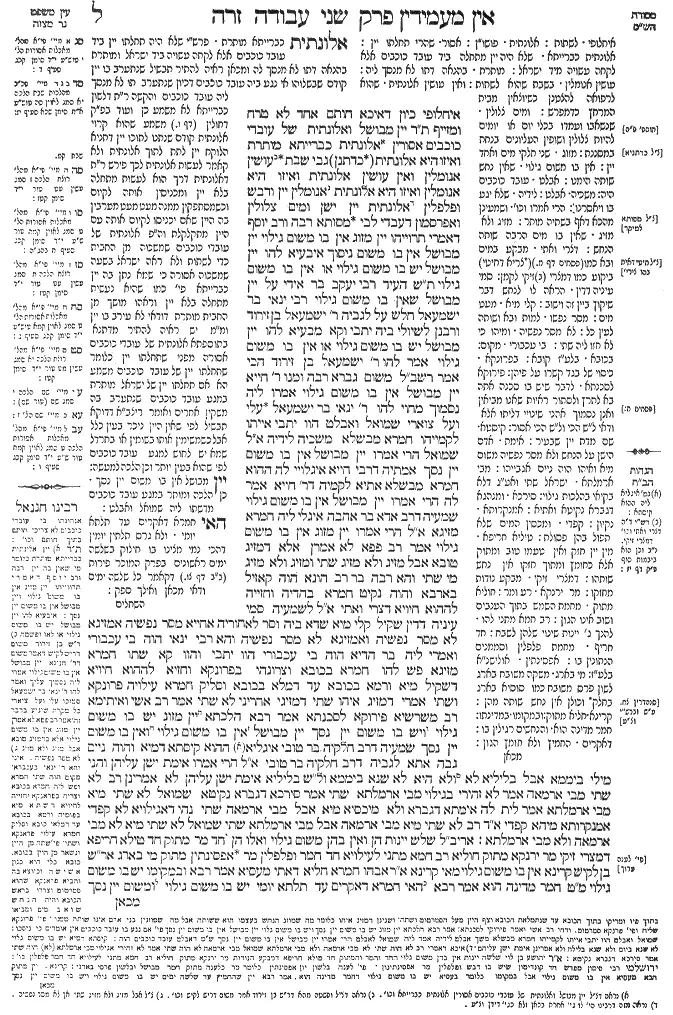
Avodah Zarah 30a - Guemara
איחלופי כיון דאיכא חותם אחד לא טרח ומזייף ת"ר יין מבושל ואלונתית של עובדי כוכבים אסורין אלונתית כברייתא מותרת ואיזו היא אלונתית כדתנן גבי שבת עושין אנומלין ואין עושין אלונתית ואיזו היא אנומלין ואיזו היא אלונתית אנומלין יין ודבש ופלפלין אלונתית יין ישן ומים צלולין ואפרסמון דעבדי לבי מסותא רבה ורב יוסף דאמרי תרוייהו יין מזוג אין בו משום גילוי יין מבושל אין בו משום ניסוך איבעיא להו יין מבושל יש בו משום גילוי או אין בו משום גילוי ת"ש העיד רבי יעקב בר אידי על יין מבושל שאין בו משום גילוי רבי ינאי בר ישמעאל חלש על לגביה ר' ישמעאל בן זירוד ורבנן לשיולי ביה יתבי וקא מבעיא להו יין מבושל יש בו משום גילוי או אין בו משום גילוי אמר להו ר' ישמעאל בן זירוד הכי אמר רשב"ל משום גברא רבה ומנו ר' חייא יין מבושל אין בו משום גילוי אמרו ליה נסמוך מחוי להו ר' ינאי בר ישמעאל עלי ועל צוארי שמואל ואבלט הוו יתבי אייתו לקמייהו חמרא מבשלא משכיה לידיה א"ל שמואל הרי אמרו יין מבושל אין בו משום יין נסך אמתיה דרבי חייא איגלויי לה ההוא חמרא מבשלא אתיא לקמיה דר' חייא אמר לה הרי אמרו יין מבושל אין בו משום גילוי שמעיה דרב אדא בר אהבה איגלי ליה חמרא מזיגא א"ל הרי אמרו יין מזוג אין בו משום גילוי אמר רב פפא לא אמרן אלא דמזיג טובא אבל מזיג ולא מזיג שתי ומזיג ולא מזיג מי שתי והא רבה בר רב הונא הוה קאזיל בארבא והוה נקיט חמרא בהדיה וחזייה לההוא חיויא דצרי ואתי א"ל לשמעיה סמי עיניה דדין שקיל קלי מיא שדא ביה וסר לאחוריה אחייא מסר נפשיה אמזיגא לא מסר נפשיה ואמזיגא לא מסר נפשיה והא רבי ינאי הוה בי עכבורי ואמרי ליה בר הדיא הוה בי עכבורי הוו יתבי והוו קא שתו חמרא מזיגא פש להו חמרא בכובא וצרונהי בפרונקא וחזיא לההוא חיויא דשקיל מיא ורמא בכובא עד דמלא בכובא וסליק חמרא עילויה פרונקא ושתי אמרי דמזיג איהו שתי דמזיגי אחריני לא שתי אמר רב אשי ואיתימא רב משרשיא פירוקא לסכנתא אמר רבא הלכתא יין מזוג יש בו משום גילוי ויש בו משום יין נסך יין מבושל אין בו משום גילוי ואין בו משום יין נסך שמעיה דרב חלקיה בר טובי איגליא ההוא קיסתא דמיא והוה ניים גבה אתא לגביה דרב חלקיה בר טובי א"ל הרי אמרו אימת ישן עליהן והני מילי ביממא אבל בליליא לא ולא היא לא שנא ביממא ול"ש בליליא אימת ישן עליהן לא אמרינן רב לא שתי מבי ארמאה אמר לא זהירי בגילוי מבי ארמלתא שתי אמר סירכא דגברא נקיטא שמואל לא שתי מיא מבי ארמלתא אמר לית לה אימתא דגברא ולא מיכסיא מיא אבל מבי ארמאה שתי נהי דאגילויא לא קפדי אמנקרותא מיהא קפדי א"ד רב לא שתי מיא מבי ארמאה אבל מבי ארמלתא שתי שמואל לא שתי מיא לא מבי ארמאה ולא מבי ארמלתא:
אריב"ל שלש יינות הן ואין בהן משום גילוי ואלו הן חד מר מתוק חד טילא חריפא דמצרי זיקי מר ירנקא מתוק חוליא רב חמא מתני לעילויא חד חמר ופלפלין מר אפסינתין מתוק מי בארג אר"ש בן לקיש קרינא אין בו משום גילוי מאי קרינא א"ר אבהו חמרא חליא דאתי מעסיא אמר רבא ובמקומו יש בו משום גילוי מ"ט חמר מדינה הוא אמר רבא האי חמרא דאקרים עד תלתא יומי יש בו משום גילוי ומשום יין נסך
Comments from Rashi on Masechet Avodah Zarah Page 30a
איחלופי . לשתות: אלונתית . פושו"ן: אסור . שהרי תחלתו יין: אלונתית כברייתא . שלא היה יין מתחלה ביד עובד כוכבים אלא לקחה עשויה מיד ישראל: מותרת . בהנאה דתו לא מנסך ליה: עושין אנומלין . בשבת שהוא לשתות: ואין עושין אלונתית . שהוא לרפואה להצטנן כשיוצאין מבית המרחץ כדמפרש: ומים צלולין . שנשאבו ועמדו בכלי יום או יומים להיות צלולין ושופין העליונים בנחת במסננת: מזוג . שני חלקי מים ואחד יין: אין בו משום גילוי . שאין נחש שותה הימנו: אבלט . עובד כוכבים היה: משכיה . אבלט: לידיה . שלא יגע בו ויאסרנו: הרי אמרו וכו' . ושמעינן מהכא דאף בשתיה מותר: מזיג ולא מזיג . שאין בו מים הרבה שותה הנחש: דצרי ואתי . מבקע במים ובא כמו (פסחים דף מ.) (צריא דחיטי) ביקוע כמו דמצרי זיקי לקמן: סמי עיניה דדין . הראה לו לנחש דבר שיקוץ ביין זה וישוב: קלי מיא . מעט מים: מסר נפשו . למות ובא ושותה לעין כל: לא מסר נפשיה . ומיהו כי לא חזו ליה שתי: בי עכבורי . מקום: בכובא . בלע"ז קוב"א: בפרונקא . כיסוי של בגד קשרו על פיהן: פירוקא לסכנתא . לדבר שיש בו סכנה אתה בא לתרץ ולסתור ראיות שאנו מביאין ואנן נסמוך אהני שינויי דליתו אלא ודאי ל"ש הכי ול"ש הכי אסור: קיסטא . שם מדת יין שבעיר: אימת . אדם הישן על הנחש ולא מסר נפשיה משום מיא ואיהו הוה ניים אגבייהו: מבי ארמלתא . ישראל שתי ואע"ג דלא בקיאי בהלכות גילוי: סירכא . ומנהגא דגברא נקיטא ואתיא: אמנקרותא . נקיון: קפדי . ומכסין המים שלא תפול בהן פסולת: טיליא חריפא . מין יין חזק ואין טעמו טוב ומתוק אלא כחומץ ומתוך חזקו אין נחש שותהו: דמצרי זיקי . מבקע נודות מחזקו: מר ירנקא . רע ומר: חוליא מתוק . מחמת השמש בתוך הענבים ושוב אינו הגון: רב חמא מתני להו . להנך ג' יינות שינוי שלהן לשבח: חד . חריף מחמת פלפלין וסממנים הנתונין בו: אפסינתין . אולישנ"א בלע"ז: מי בארג . משקה משובח. בארג לשון פרס משובח כמו סוסיא בארג בחלק. וכולן אין נחש שותה מהן: קרינא . חליא מתוק: ובמקומו . במדינתו: חמר מדינה הוא . והנחשים רגילין בו: דאקרים . החמיץ ולא חומץ הגון:
Comments from Tosafot - Avodah Zarah 30a
אלונתית כברייתא מותרת . פרש"י שלא היה תחלתו יין ביד עובד כוכבים אלא לקחה עשויה ביד ישראל ומותרת בהנאה דתו לא מנסך לה ומכאן ראיה להתיר תבשיל שנתערב בו יין קודם שבשלוהו אי נגע ביה עובד כוכבים דכיון שנתערב תו לא מנסך ליה עובד כוכבים והקשה ר"ת דלשון כברייתא לא משמע כן ועוד בפ"ק דחולין (דף ו.) משמע שהוא קרוי אלונתית קודם שנתנו לתוכו יין דתניא הלוקח יין לתת לתוך אלונתית ולא קאמר לעשות אלונתית לכך פירש ר"ת דאלונתית דרך הוא לעשות מתחלה בלא יין ומכניסין אותה לקיום וכשמסתפקין ממנה מעט מעט מערבין בה היין שאם יכניסו לקיום אותה עם היין מתקלקלת וה"פ אלונתית של עובדי כוכבים שמשכוה מן החבית כדי לשתות ולא ראה ישראל בשעה שמשכוה אסורה כי שמא נתן בה יין כברייתא פי' כמו שהיא נעשית מתחלה בלא יין וראהו מושך מן החבית מותרת דודאי לא עירב בו יין ומ"מ יש ראיה להתיר מדתנא בתוספתא אלונתית של עובדי כוכבים אסורה מפני שתחלתו יין כלומר שתחלתו יין של עובד כוכבים משמע הא אם תחלתו יין של ישראל מותרת במגע עובד כוכבים שנתערב בה משקין אחרים ואומר ריצב"א דדוקא תבשיל לפי שאין היין ניכר בעין כלל אבל כשמשימין אותו בשומין או בחרדל שמא יש לחוש למגע עובד כוכבים לפי שהוא בעין יותר וכן הלכה למעשה: יין מבושל אין בו משום יין נסך . כן הלכה ומותר במגע עובד כוכבים מדשתו ליה שמואל ואבלט: האי חמרא דאקרים עד תלתא יומי . ולא גרס תלתין יומין דהכי נמי מצינו בו חילוק בשלשה ימים ראשונים בפרק המוכר פירות (ב"ב דף צו.) דקאמר כל שלשה ימים ודאי מכאן ואילך ספק:
Avodah Zarah 30a - Mishnah translated into english
the concern that a gentile may secretly exchange his wine with the wine of a Jew, since there is one seal, the gentile will not exert himself and forge a different seal in order to facilitate the exchange.
§ The Gemara discusses the halakha with regard to various types of wine. The Sages taught: Cooked wine and aluntit of gentiles are prohibited; but already prepared aluntit that was made by a Jew before it entered the gentile’s possession is permitted. The Gemara asks: And what is aluntit? It is as we learned in a baraita with regard to Shabbat: One may prepare anomlin, but one may not prepare aluntit. The baraita clarifies: And what is anomlin and what is aluntit? Anomlin is a drink that is a mixture of wine, honey, and pepper. Aluntit is a mixture of aged wine and clear water and balsam, which they prepare for drinking after bathing in a bathhouse to cool down from the heat of the bathhouse. It is prohibited to prepare aluntit on Shabbat because it is a type of remedy.
Rabba and Rav Yosef both say: Diluted wine is not subject to the halakha of exposure, according to which the consumption of a liquid is prohibited if it is left uncovered; and cooked wine is not subject to the halakha of libation, which prohibits deriving benefit from wine that has been in a gentile’s possession. A dilemma was raised before them: With regard to cooked wine, is it subject to the halakha of exposure, or is it not subject to the halakha of exposure? The Gemara resolves the dilemma: Come and hear: Rabbi Ya’akov bar Idi testified about cooked wine and stated that it is not subject to the halakha of exposure.
The Gemara cites another proof that cooked wine is not subject to the halakha of exposure. When Rabbi Yannai bar Yishmael became ill, Rabbi Yishmael ben Zeirud and other Sages went to him to inquire about his health. They were seated, and this very dilemma was raised before them: With regard to cooked wine, is it subject to the halakha of exposure, or is it not subject to the halakha of exposure? Rabbi Yishmael ben Zeirud said to them: This is what Rabbi Shimon ben Lakish says in the name of a great man. Parenthetically, the Gemara asks: And who is this great man? He is Rabbi Ḥiyya. He said: Cooked wine is not subject to the halakha of exposure. The Sages said to Rabbi Yishmael ben Zeirud: Shall we rely on this claim? Rabbi Yannai bar Yishmael motioned to them: Upon me and upon my neck, i.e., you can certainly rely on this claim.
The Gemara relates another incident: Shmuel and Ablet, a gentile scholar, were sitting together, and others brought cooked wine before them. Ablet withdrew his hand to avoid rendering the wine prohibited to Shmuel. Seeing this, Shmuel said to Ablet that the Sages said: Cooked wine is not subject to the prohibition of wine used for a libation, and therefore you need not withdraw your hand on my account.
The Gemara cites yet another incident: Rabbi Ḥiyya’s maidservant noticed that a certain container of cooked wine had become exposed. She came before Rabbi Ḥiyya, who said to her that the Sages said: Cooked wine is not subject to the halakha of exposure. Similarly, Rav Adda bar Ahava’s attendant noticed that a certain container of diluted wine had become exposed. Rav Adda bar Ahava said to him that the Sages said: Diluted wine is not subject to the halakha of exposure.
Rav Pappa said: We said that wine is not subject to the halakha of exposure only in a case where it was well diluted, but where it was only partially diluted a snake might still drink from it, and therefore it is prohibited. The Gemara rejects this claim: And is it correct that a snake drinks partially diluted wine? But wasn’t Rabba bar Rav Huna once traveling on a ship while carrying a jug of wine with him, and he saw a certain snake that slithered and approached the wine. He said to his attendant: Remove the eyes of this serpent, i.e., do something that will cause the snake to leave. His attendant took a bit of water and threw it in the wine, and the snake turned away. This indicates that snakes do not drink partially diluted wine.
The Gemara rejects this conclusion: For undiluted wine, a snake will risk its life by exposing itself to humans, but for diluted wine, a snake will not risk its life. But in either case, if the wine is left unguarded, a snake will drink from it.
The Gemara raises a difficulty: And is it true that for diluted wine a snake will not risk its life? But wasn’t Rabbi Yannai once in Bei Akhborei, and some say that it was bar Hadaya who was in Bei Akhborei, and others were sitting with him and drinking diluted wine. When they finished, they had some wine left in the container [bekhuva], and they covered it with a cloth. And then they saw a certain snake take water in its mouth and pour it through the cloth into the container until the liquid filled the container and the wine flowed over the cloth, and the snake drank the overflowing wine. This shows that a snake will risk its life to drink diluted wine.
The Sages say in response: Wine that the snake itself diluted, it does drink. Wine that another diluted, it does not drink. In other words, a snake does not drink diluted wine unless it was diluted by the snake itself. Accordingly, even partially diluted wine is not subject to the halakha of exposure.
Rav Ashi says, and some say that it was Rav Mesharshiyya who says: Are you providing a resolution for a situation involving danger? In other words, one may not endanger lives by subscribing to such reasoning. Rava said: The halakha is that diluted wine is subject to the halakha of exposure and is also subject to the prohibition of wine used as a libation for idolatry; cooked wine is not subject to the halakha of exposure and is not subject to the prohibition of wine used for a libation either.
§ After discussing exposed wine, the Gemara addresses the matter of exposed water. The attendant of Rav Ḥilkiya bar Tovi noticed that a certain jug of water had become exposed, and he had been sleeping near it. He went to Rav Ḥilkiya bar Tovi to determine the halakhic status of the exposed water. Rav Ḥilkiya said to him that the Sages said: Fear of a sleeping person is upon them, i.e., snakes will not attempt to drink from a container that is near a person, even if he is asleep. And this matter applies only during the day, but not at night. The Gemara comments: But that is not so. Rather, there is no difference between one who sleeps during the day and one who sleeps during the night. In both cases, we do not say that the fear of a sleeping person is upon the snakes.
The Gemara presents the opinions of Rav and Shmuel with regard to various sources of water. Rav would not drink water from the house of an Aramean, as he said: They are not careful with regard to exposure. But he would drink water from the house of a widow, as he said: She upholds her late husband’s conventions and ensures that liquids are not left uncovered.
By contrast, Shmuel would not drink water from the house of a widow, as he said: She no longer has the fear of a man upon her, and therefore she does not necessarily cover the water. But he would drink water from the house of an Aramean, as he said: Granted that they are not particular about the halakha of exposure, but in any event they are particular about cleanliness, and will cover it for hygienic reasons, if not halakhic ones. The Gemara cites a different version: Some say that Rav would not drink water from the house of an Aramean, but he would drink water from the house of a widow. Shmuel would not drink water either from the house of an Aramean or from the house of a widow.
Rabbi Yehoshua ben Levi says: There are three kinds of wines that are not subject to the halakha of exposure, and they are: Sharp, bitter, and sweet wines. Sharp is referring to acrid wine [tila] that cracks the jug, due to its acidity. Bitter is referring to yarneka. Sweet is referring to sweetened wine. These three wines that Rabbi Yehoshua ben Levi says are not subject to the halakha of exposure are all of low quality. Rav Ḥama teaches that the three wines are of high quality: Sharp is referring to wine mixed with peppers. Bitter is referring to wine mixed with wormwood [apsintin]. Sweet is referring to mei barg, a choice beverage.
Rabbi Shimon ben Lakish says: Karina is not subject to the halakha of exposure. The Gemara asks: What is karina? Rabbi Abbahu said: It is sweet wine that comes from Asia [Asya] Minor. Rava says: But in its place of origin it is subject to the halakha of exposure. What is the reason? The reason is that there, it is the wine of the province and snakes do not hesitate to drink from it. Rava said: With regard to this wine that has soured [de’akrim], until three days have passed from when it began to sour, it is subject to the halakha of exposure and is subject to the prohibition of wine used for a libation.
Traduction : The William Davidson digital edition of the Koren Noé Talmud, with commentary by Rabbi Adin Even-Israel Steinsaltz.