 Talmud Bavli
The learning on the whole site is dedicated : L'ilui Nishmat Jacques Isaac Ben Amram Loubaton
The learning on the whole site is dedicated : L'ilui Nishmat אסתר בת חיים
The learning on the whole site is dedicated : L'ilui Nishmat Yechayahou ben Moche
Avodah Zarah 40a : Youtube
Daf TubeYoutube
2 video classes :
Avodah Zarah Page 40a
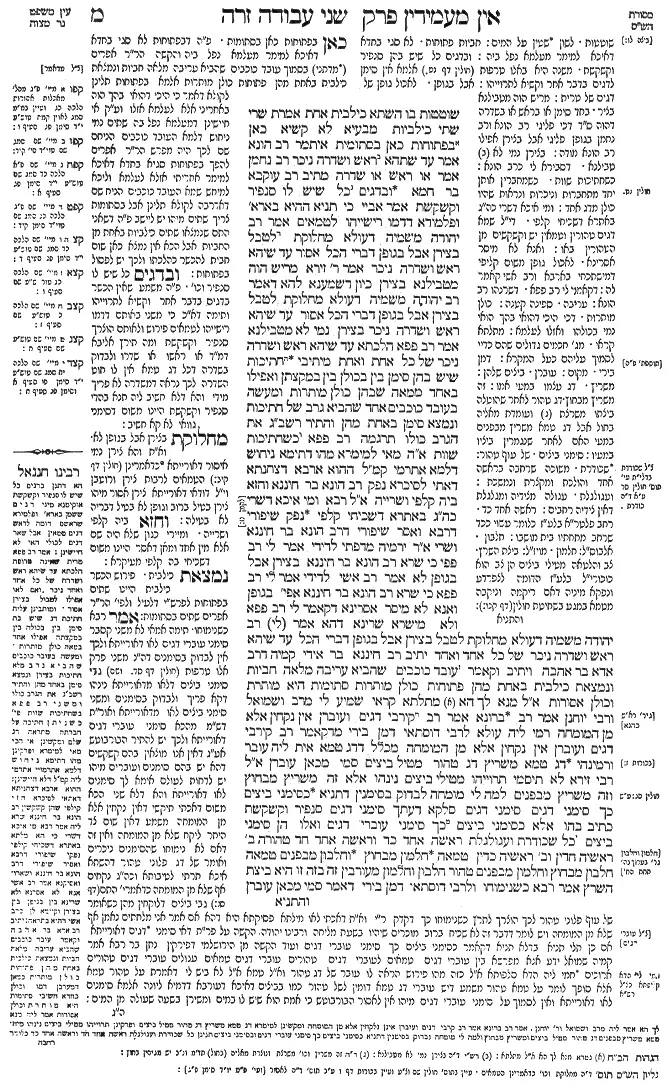
Avodah Zarah 40a - Guemara
שוטטות בו השתא כילבית אחת אמרת שרי שתי כילביות מבעיא לא קשיא כאן בפתוחות כאן בסתומות איתמר רב הונא אמר עד שתהא ראש ושדרה ניכר רב נחמן אמר או ראש או שדרה מתיב רב עוקבא בר חמא ובדגים כל שיש לו סנפיר וקשקשת אמר אביי כי תניא ההיא בארא' ופלמודא דדמו רישייהו לטמאים אמר רב יהודה משמיה דעולא מחלוקת לטבל בצירן אבל בגופן דברי הכל אסור עד שיהא ראש ושדרה ניכר אמר ר' זירא מריש הוה מטבילנא בצירן כיון דשמענא להא דאמר רב יהודה משמיה דעולא מחלוקת לטבל בצירן אבל בגופן דברי הכל אסור עד שיהא ראש ושדרה ניכר בצירן נמי לא מטבילנא אמר רב פפא הלכתא עד שיהא ראש ושדרה ניכר של כל אחת ואחת מיתיבי חתיכות שיש בהן סימן בין בכולן בין במקצתן ואפילו באחד ממאה שבהן כולן מותרות ומעשה בעובד כוכבים אחד שהביא גרב של חתיכות ונמצא סימן באחת מהן והתיר רשב"ג את הגרב כולו תרגמה רב פפא כשחתיכות שוות א"ה מאי למימרא מהו דתימא ניחוש דלמא אתרמי קמ"ל ההוא ארבא דצחנתא דאתי לסיכרא נפק רב הונא בר חיננא וחזא ביה קלפי ושרייה א"ל רבא ומי איכא דשרי כה"ג באתרא דשכיחי קלפי נפק שיפורי דרבא ואסר שיפורי דרב הונא בר חיננא ושרי א"ר ירמיה מדפתי לדידי אמר לי רב פפי כי שרא רב הונא בר חיננא בצירן אבל בגופן לא אמר רב אשי לדידי אמר לי רב פפא כי שרא רב הונא בר חיננא אפי' בגופן ואנא לא מיסר אסרינא דקאמר לי רב פפא ולא מישרא שרינא דהא אמר (לי) רב יהודה משמיה דעולא מחלוקת לטבל בצירן אבל בגופן דברי הכל עד שיהא ראש ושדרה ניכר של כל אחד ואחד יתיב רב חיננא בר אידי קמיה דרב אדא בר אהבה ויתיב וקאמר עובד כוכבים שהביא עריבה מלאה חביות ונמצאת כילבית באחת מהן פתוחות כולן מותרות סתומות היא מותרת וכולן אסורות א"ל מנא לך הא מתלתא קראי שמיע לי מרב ושמואל ורבי יוחנן אמר רב ברונא אמר רב קירבי דגים ועוברן אין נקחין אלא מן המומחה רמי ליה עולא לרבי דוסתאי דמן בירי מדקאמר רב קירבי דגים ועוברן אין נקחין אלא מן המומחה מכלל דדג טמא אית ליה עובר ורמינהי דג טמא משריץ דג טהור מטיל ביצים סמי מכאן עוברן א"ל רבי זירא לא תיסמי תרוייהו מטילי ביצים נינהו אלא זה משריץ מבחוץ וזה משריץ מבפנים למה לי מומחה לבדוק בסימנין דתניא כסימני ביצים כך סימני דגים סימני דגים סלקא דעתך סימני דגים סנפיר וקשקשת כתיב בהו אלא כסימני ביצים כך סימני עוברי דגים ואלו הן סימני ביצים כל שכודרת ועגולגלת ראשה אחד כד וראשה אחד חד טהורה ב' ראשיה חדין וב' ראשיה כדין טמאה חלמון מבחוץ וחלבון מבפנים טמאה חלבון מבחוץ וחלמון מבפנים טהור חלבון וחלמון מעורבין זה בזה זו היא ביצת השרץ אמר רבא כשנימוחו ולרבי דוסתאי דמן בירי דאמר סמי מכאן עוברן
Comments from Rashi on Masechet Avodah Zarah Page 40a
שוטטות . לשון שטין על המים: חביות פתוחות לא סגי בחדא דאיכא למימר מעלמא נפל ביה: ובדגים כל שיש בהן סנפיר וקשקשת . משנה היא באלו טרפות (חולין דף נט.) אלמא אין סימן לדגים בדבר אחר וקשיא לתרוייהו: אבל בגופן . לאכול גופן של דגים של טרית: מריש הוה מטבילנא בציר . בחד סימן או בראש או בשדרה דהוה ס"ד דכי פליגי רב הונא ורב נחמן בגופן פליגי אבל בצירן אפילו רב הונא מודה: בצירן נמי לא טבילנא . דסבירא לי כרב הונא: כשחתיכות שוות . כשמחברין אותן יחד מתחברות וניכרות ונראות שהיו כולן מדג אחד: ומי איכא דשרי כה"ג באתרא דשכיחי קלפי . די"ל שמא דגים טהורין וטמאין יש וקשקשים מן הטהורין באו: ואנא לא מיסר אסרינא . לאכול גופן משום קליפי דמישתכחי בארבא ורב אשי קאמר לה: דקאמר לי רב פפא . דשרנהו רב הונא: עריבה . ספינה קטנה: כולן מותרות . דכי היכי דהואי בהך הואי נמי בכולהו ואזלו לעלמא: מתלתא קראי . מג' חכמים גדולים שהם כדיי לסמוך עליהם כעל המקרא: דמן בירי . מקום: עוברן . ביצים שלהן: משריץ . דג עצמו במעי אמו: זה משריץ מבחוץ . דג טהור לאחר שהוטלה ביצתו משרצת ועומדת מאליה בחול אבל דג טמא משריץ מבפנים במעי האם לאחר שנגמרין ביציו במעיו: סימני ביצים . של עוף טהור: שכודרת . משוכה שרחבה בראשה אחד והולכת ומקצרת ונמשכת: ועגולגלת . עגולה מצידיה ומגלגלת דאין צידיה רחבים: ראשה אחד כד . רחב פלטר"א בלע"ז כלומר עשוי ככד שרחב מתחתיו בית מושבו: חלבון . אלבוס"ל: חלמון . מויו"ל: ביצת השרץ . צב והלטאה מטילי ביצים הן. צב הוא כוכורי"ל בלע"ז הדומה לצפרדע. ונפקא מיניה דאם ריקמה וניקבה מטמא במגע בשחיטת חולין (דף קכו:):
Comments from Tosafot - Avodah Zarah 40a
כאן בפתוחות כאן בסתומות . פ"ה דבפתוחות לא סגי בחדא דאיכא למימר מעלמא נפל ביה והקשה הר"ר אפרים (מדתני) בסמוך עובד כוכבים שהביא עריבה מלאה חביות ונמצאת כילבית באחת מהן פתוחות כולן מותרות אלמא בפתוחות תלינן לקולא דאמר כי היכי דהואי בהך הוה באחריני אלא לעלמא אזלו וע"ק אי חיישינן דמעלמא נפל בה שתים נמי ניחוש דלמא העובד כוכבים הניחם שם לכך היה מפרש הר"ר אפרים להפך בפתוחות סגיא בחדא דאיכא למימר אחריתי אזלא לעלמא וליכא למיחש שמא העובד כוכבים הניח שם דאדרבה לקולא תלינן אבל בסתומות צריך שתים מיהו יש ליישב פ"ה דשאני התם שנמצאו שתים כילביות באחת מן החביות אבל הכא אין נמצא כאן שום חבית להכשר כהלכתו ולכך יש לפסול בפתוחות: ובדגים כל שיש לו סנפיר וכו' . פ"ה משמע שאין הכשר בדגים בדבר אחר וקשיא לתרוייהו ותימה דא"כ כי משני באותם דדמו רישייהו לטמאים פירוש ולאותם הוצרך סנפיר וקשקשת ומה תירץ אליבא דמ"ד או ראשו או שדרו ולבדוק בשדרה דכל דג טמא אין לו חוט השדרה לכך נראה דמשדרה לא פריך מידי והא דלא חשיב ליה תנא בהדי סנפיר וקשקשת היינו משום דסימני גוואי לא קא חשיב: מחלוקת בצירן אבל בגופן לא . וא"ת והא צירן נמי איסור דאורייתא כדאמרינן (חולין דף קיב:) הטמאים לרבות צירן ורוטבן וי"ל דודאי דאורייתא צירן אסור מיהו צירן בטיל ברוב וגופן לא בטיל דבריה לא בטילה: וחזא ביה קלפי ושרייה . ומיירי כגון שלא היה שם אלא מין אחד ומאן דאסר היינו משום דשכיחי בה קלפי מעיקרא: נמצאת כילבית . פירוש הכשר כילבית היינו שתים בפתוחות לפרש"י דלעיל ולפי' הר"ר אפרים שתים בסתומות: אמר רבא כשנימוחו . תימה אמאי לא משני קסבר סימני עוברי דגים לאו דאורייתא ולכך אין לבדוק בסימנים דה"נ משני פרק אלו טרפות (חולין דף סד. ושם) גבי סימני ביצים דלאו מדאורייתא נינהו דקא פריך ולבדוק בסימנים ומשני סימני ביצים לאו מדאורייתא ואור"ת דש"מ מהכא סימני עוברי דגים דאורייתא ולכך יש להתיר הבורבוטש אע"ג דאין אנו מוצאין בהם קשקשים דהא יש בהם סימנים ועוברים מיהו יש לדחות לעולם אימא לך סימנים לאו דאורייתא והא דלא שני הכא משום דאכתי תיקשי דאין נקחין אלא מן המומחה משמע דאין שום צד היתר ליקח שלא מן המומחה ואין זה דאם לא נימוחו שהסימנים ניכרים ואומר של דג פלוני טהור דהשתא איכא תרתי לטיבותא וכה"ג נקחים אף שלא מן המומחה כדאמרי' התם (דף סג:) גבי ביצים דלוקחין מהן כשאומר של עוף פלוני טהור לכך הוצרך לתרץ כשנימוחו כך דקדק ר"י וא"ת דאכתי לאו מילתא פסיקתא היא דהא אם אמר אני מלחתים נאמן אף שלא מן המומחה ויש לומר דדבר זה לא שכיח ברוב מוכרים שיהיו בשעת מליחה ורבינו יהודה הקשה על פר"ת דאי סימני דגים דאורייתא אם כן תלי תניא בדלא תניא דקאמר כסימני ביצים כך סימני עוברי דגים ועוד הקשה מן הירושלמי דפירקין נתן בר רבא אמר קמיה שמואל ידע אנא מפרשא בין עוברי דגים טמאים לעוברי דגים טהורים עוברי דגים טמאים עגולים עוברי דגים טהורים ארוכים חמי ליה הדא סלפותא א"ל כזה מהו פירוש הראה לו עובר של דג טהור וא"ל טמא א"ל לא ביש לי דאמרת על טהור טמא אלא סופך לומר על טמא טהור משמע דיש עוברי דג טמא דומין לשל טהור כמו בביצים דאיכא דעורבא דדמיא ליונה אלמא סימנים לאו דאורייתא ואין לסמוך על סימני עוברי דגים מיהו אין לאסור הבורבוטש כי אמת הוא שיש לו במים ומשירן בשעה שעולה מן המים:
Avodah Zarah 40a - Mishnah translated into english
floating in it. The Gemara asks: Now that you have said that brine which has only one kilbit in it is permitted, is it necessary to teach that brine that has two kilbiyot in it is also permitted? The Gemara explains that it is not difficult: Here, two kilbiyot are required to permit the brine, as it is contained in open barrels, but there, only one is required, since it is in sealed barrels.
§ It was stated that Rav Huna says: Tarit is not permitted for consumption until its head and spine are recognizable. Rav Naḥman says: It is permitted if either the head or the spine is recognizable. Rav Ukva bar Ḥama raises an objection from a mishna (Ḥullin 59a): And with regard to fish, any that has fins and scales is permitted. Evidently, the kashrut of fish is determined only by its fins and scales, not its head or its spine. Abaye said: When that mishna is taught, it is in reference to the ara’a and falmuda fish, whose heads are similar to the heads of non-kosher fish.
The Gemara analyzes the dispute between Rav Huna and Rav Naḥman. Rav Yehuda said in the name of Ulla: The dispute applies to dipping foods in their brine, but with regard to eating their actual bodies, everyone agrees that it is prohibited until both the head and the spine are recognizable. The Gemara notes that Rabbi Zeira said: Originally, I would dip foods in their brine, but once I heard that which Rav Yehuda said in the name of Ulla: The dispute is only with regard to dipping foods in their brine, but with regard to eating their actual bodies everyone agrees that it is prohibited until both the head and the spine are recognizable; I too no longer dip foods in their brine.
Rav Pappa said: The halakha is that tarit is prohibited until the head and spine of each and every fish is recognizable. The Gemara raises an objection to Rav Pappa’s statement from a baraita: With regard to pieces of fish that have a sign of kashrut, whether this sign is present in all of them or only in a minority of them, and even if it is present in only one fish out of one hundred of them, they are all permitted. And there was an incident involving a certain gentile who brought a large jug of pieces of fish, and a sign of kashrut was found in one of them, and Rabban Shimon ben Gamliel permitted the entire jug of fish. This apparently contradicts Rav Pappa’s assertion that all the pieces must be recognizable for them to be permitted.
Rav Pappa interpreted that baraita as referring to a case where the pieces correspond to each other, i.e., they fit together so that it is clear that they are all from the same fish. The Gemara raises a difficulty: If that is so, what is the purpose of stating this explicitly? If the pieces correspond it is obvious that they are permitted, as they evidently come from the same kosher fish. The Gemara explains that this was taught lest you say that one should be concerned that perhaps the pieces merely happened to fit together; the baraita therefore teaches us that in such a case the pieces are permitted.
The Gemara relates that there was a certain ship carrying tzaḥanta which came to the city of Sikhra. Rav Huna bar Ḥinnana went out and saw that the fish had scales on them and permitted them, as any fish with scales is kosher. Rava said to him: But is there anyone who permits tzaḥanta in a case like this, when it is from a land where fish with scales are common and it is very possible that the scales are from kosher fish that had been in the boat previously? Shofarot went out from the court of Rava to herald a declaration promulgating his ruling, and he thereby prohibited all the fish on that boat. And shofarot went out from the court of Rav Huna bar Ḥinnana, and he thereby permitted the fish.
The Gemara presents two interpretations of the above ruling. Rav Yirmeya of Difti said: Rav Pappi said to me that when Rav Huna bar Ḥinnana permitted the fish on the ship, he was referring only to their brine, but with regard to their bodies, no, he did not permit them. Rav Ashi said: Rav Pappa said to me that when Rav Huna bar Ḥinnana permitted the fish, he was referring even to their bodies.
Rav Ashi continued: And I do not prohibit the fish, as Rav Pappa said to me that Rav Huna permitted it, but I also do not permit the fish, as Rav Yehuda said to me in the name of Ulla that the dispute between Rava and Rav Huna bar Ḥinnana is referring to dipping foods in their brine, but with regard to eating their actual bodies, everyone agrees that it is prohibited until both the head and spine of each and every fish are recognizable.
Rav Ḥinnana bar Idi sat before Rav Adda bar Ahava, and he sat and said: With regard to a gentile who brought a boat that was full of barrels of fish brine, and a kilbit was found in one of the barrels, the halakha is as follows: If the barrels were open, they are all permitted; if they were closed, then the barrel with the kilbit is permitted, and all the others are prohibited. Rav Adda bar Ahava said to him: From where do you know this? Rav Ḥinnana bar Idi responded: I heard this from three verses, i.e., great Sages upon whom one can rely as though their statements were recorded in verses: From Rav and Shmuel and Rabbi Yoḥanan.
§ The Gemara discusses the halakha with regard to other parts of fish. Rav Beruna says that Rav says: Fish intestines and their roe may be purchased only from an expert. Ulla raises a contradiction to Rabbi Dostai of Biri: From the fact that Rav says: Fish intestines and their roe may be purchased only from an expert, it may be inferred that a non-kosher fish has roe, as otherwise there would be no reason to permit only roe purchased from an expert. And the Gemara raises a contradiction to this claim from the following baraita: A non-kosher fish gives birth whereas a kosher fish lays eggs.
Rabbi Dostai accepted this opinion and said: Delete the phrase: Their roe, from here. Rabbi Zeira said to him: Do not delete it, as both kosher and non-kosher fish are fish that lay, i.e., produce, eggs, but this kosher fish propagates externally by laying eggs in the water which later hatch, and that non-kosher fish propagates internally by keeping the eggs in its own body until they develop. Nevertheless, both produce roe, and there is therefore reason to be concerned that a Jew might purchase non-kosher roe.
The Gemara asks: But even so, why do I need an expert? Let one check the signs of kashrut on the roe himself, as it is taught in a baraita: Like the signs of bird eggs, so are the signs of fish. The Gemara interjects: Does it enter your mind to say that the signs of kashrut for fish are the same as the signs of kashrut for eggs? This is not so, as the signs of kosher fish are the possession of fins and scales, as written in the Torah with regard to them. Rather, the baraita means to say: Like the signs of bird eggs, so are the signs of fish roe.
The baraita continues: And these are the signs of bird eggs: Any egg that narrows at the top and is rounded, so that one of its ends is wide and the other one of its ends is pointed is kosher. If both of its ends are sharp or both of its ends are wide, it is non-kosher. If the yolk is on the outside and the albumen is on the inside, it is non-kosher; if the albumen is on the outside and the yolk is on the inside, it is kosher. If the yolk and albumen are mixed with each other, this is the egg of a creeping animal. Considering that one can easily determine the kashrut of such eggs, why are only those purchased from an expert permitted? Rava says: Rav’s ruling refers specifically to a case where the eggs have melted together and it is impossible to determine whether or not they are kosher based on these signs.
The Gemara asks: But according to the opinion of Rabbi Dostai of Biri, who accepted the idea that non-kosher fish do not lay eggs and says: Delete from here the phrase: Their roe, it is difficult.
Traduction : The William Davidson digital edition of the Koren Noé Talmud, with commentary by Rabbi Adin Even-Israel Steinsaltz.