 Talmud Bavli
The learning on the whole site is dedicated : L'ilui Nishmat Avraham Ben Simha
The learning on the whole site is dedicated : L'ilui Nishmat Yechayahou ben Moche
The learning on the whole site is dedicated : L'ilui Nishmat Amram ben Itshak Loubaton
Avodah Zarah 28a : Youtube
Daf TubeYoutube
2 video classes :
Avodah Zarah Page 28a
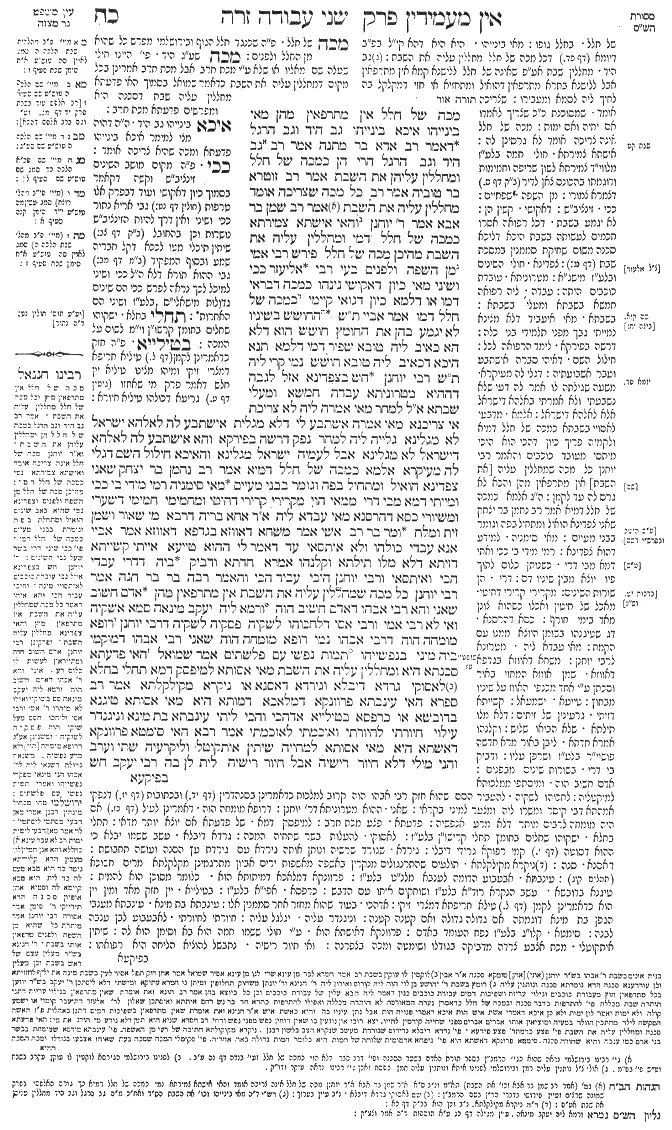
Avodah Zarah 28a - Guemara
מכה של חלל אין מתרפאין מהן מאי בינייהו איכא בינייהו גב היד וגב הרגל דאמר רב אדא בר מתנה אמר רב גב היד וגב הרגל הרי הן כמכה של חלל ומחללין עליהן את השבת אמר רב זוטרא בר טוביה אמר רב כל מכה שצריכה אומד מחללין עליה את השבת אמר רב שמן בר אבא אמר ר' יוחנן והאי אישתא צמירתא כמכה של חלל דמי ומחללין עליה את השבת מהיכן מכה של חלל פירש רבי אמי מן השפה ולפנים בעי רבי אליעזר ככי ושיני מאי כיון דאקושי נינהו כמכה דבראי דמו או דלמא כיון דגואי קיימי כמכה של חלל דמו אמר אביי ת"ש החושש בשיניו לא יגמע בהן את החומץ חושש הוא דלא הא כאיב ליה טובא שפיר דמי דלמא תנא היכא דכאיב ליה טובא חושש נמי קרי ליה ת"ש רבי יוחנן חש בצפדינא אזל לגבה דההיא מטרוניתא עבדה חמשא ומעלי שבתא א"ל למחר מאי אמרה ליה לא צריכת אי צריכנא מאי אמרה אשתבע לי דלא מגלית אישתבע לה לאלהא ישראל לא מגלינא גלייה ליה למחר נפק דרשה בפירקא והא אישתבע לה לאלהא דישראל לא מגלינא אבל לעמיה ישראל מגלינא והאיכא חילול השם דגלי לה מעיקרא אלמא כמכה של חלל דמיא אמר רב נחמן בר יצחק שאני צפדינא הואיל ומתחיל בפה וגומר בבני מעיים מאי סימניה רמי מידי בי ככי ומייתי דמא מבי דרי ממאי הוי מקרירי קרירי דחיטי ומחמימי חמימי דשערי ומשיורי כסא דהרסנא מאי עבדא ליה א"ר אחא בריה דרבא מי שאור ושמן זית ומלח ומר בר רב אשי אמר משחא דאווזא בגדפא דאווזא אמר אביי אנא עבדי כולהו ולא איתסאי עד דאמר לי ההוא טייעא אייתי קשייתא דזיתא דלא מלו תילתא וקלנהו אמרא חדתא ודביק ביה דדרי עבדי הכי ואיתסאי ורבי יוחנן היכי עביד הכי והאמר רבה בר בר חנה אמר רבי יוחנן כל מכה שמחללין עליה את השבת אין מתרפאין מהן אדם חשוב שאני והא רבי אבהו דאדם חשוב הוה ורמא ליה יעקב מינאה סמא אשקיה ואי לא רבי אמי ורבי אסי דלחכוהו לשקיה פסקיה לשקיה דרבי יוחנן רופא מומחה הוה דרבי אבהו נמי רופא מומחה הוה שאני רבי אבהו דמוקמי ביה מיני בנפשייהו (שופטים טז, ל) תמות נפשי עם פלשתים אמר שמואל האי פדעתא סכנתא היא ומחללין עליה את השבת מאי אסותא למיפסק דמא תחלי בחלא לאסוקי גרדא דיבלא וגירדא דאסנא או ניקרא מקילקלתא אמר רב ספרא האי עינבתא פרוונקא דמלאכא דמותא היא מאי אסותא טיגנא בדובשא או כרפסא בטילייא אדהכי והכי ליתי עינבתא בת מינא וניגנדר עילוי חיורתי לחיורתי ואוכמתי לאוכמתי אמר רבא האי סימטא פרוונקא דאשתא היא מאי אסותא למחייה שיתין איתקוטלי וליקרעיה שתי וערב והני מילי דלא חיור רישיה אבל חיור רישיה לית לן בה רבי יעקב חש
Comments from Rashi on Masechet Avodah Zarah Page 28a
של חלל . בחלל גופו: מאי בינייהו . היא היא דהא קי"ל בפ"ב דיומא (דף פד.) דכל מכה של חלל מחללין עליה את השבת: גב היד . מחללין שבת אע"פ שאינה של חלל ללישנא קמא אין מתרפאין אבל ללישנא בתרא מתרפאין דהואיל ומתחזיא אי חזי דמקלקל בה לחיך ליה לסמא ומעבירו: שצריכה אומד . שמסוכנת כ"כ שצריך לאמדו אם יחיה ואם ימות: מכה של חלל אינה צריכה אומד . לא גרסינן לה: אישתא צמירתא . חולי חמה בלע"ז מלווי"ד. צמירתא לשון שריפה וחמימות ודוגמתו בהכונס צאן לדיר (ב"ק דף ס.) דצמרא צמורי: מן השפה . שפתיים: ככי . זינציב"ש: דאקושי . קשין הן: לא יגמע בשבת . דכל רפואה אסרו חכמים לעשותה בשבת היכא דליכא סכנה משום שחיקת סממנין במסכת שבת (דף נג:): צפדינא . חולי השינים ובלע"ז מישג"א: מטרוניתא . עובדת כוכבים היתה: עבדה . ליה רפואה חמשא בשבתא ומעלי בשבתא: בשבתא מאי . איעביד דלא מצינא למייתי גבך מפני תלמידי בני כלה: דרשה בפירקא . לימד הרפואה לכל: חילול השם . דאיהי סברה אישתבע ועבר אשבועתיה: דגלי לה מעיקרא . משעה שגילתה לו אמר לה דעי שלא נשבעתי ולא אמרתי באלהא דישראל אלא לאלהא דישראל: אלמא . מדבעי לאסויי בשבתא כמכה של חלל דמיא ולקמיה פריך כיון דהכי הוא היכי מיתסי מעובד כוכבים והאמר רבי יוחנן כל מכה שמחללין עליה [את השבת] אין מתרפאין מהן והכא לא גרס לה עד לקמן: ה"ג אלמא כמכה של חלל דמיא . אמר רב נחמן בר יצחק שאני צפדינא הואיל ומתחיל בפה וגומר בבני מעיים: מאי סימניה . למידע דהוא צפדינא: רמי מידי בי ככי ואתי דמא מבי דרי . כשנותן כלום לתוך פיו יוצא מבין שיניו דם: דרי . הן שורות השינים: מקרירי קרירי דחיטי . מאכל של חיטין ואכלו כשהוא צונן מאד בימי חורף: כסא דהרסנא . דג שטיגנהו בשומן היוצא ממנו עם הקמח: מאי עבדא ליה . מטרונא לרבי יוחנן: משחא דאווזא בגדפא דאווזא . שמן אווזא המחוי באור וסכתן ע"י אחד מכנפי האווז על שיניו מבחוץ: טייעא . ישמעאל: קשייתא דזיתי . גרעינין של זיתים: דלא מלו תילתא . שלא הביאו שליש: וקלנהו אמרא חדתא . ליבן באור מרא חדשה פושיי"ר בלע"ז ושרפן עליו: ודביק בי דרי . בשורות שינים מבפנים: אדם חשוב הוה . ומיסתפי ממלכותא למיקטליה: לחכוהו לשקיה . להעביר הסם שהוא חזק. רבי אבהו הוה קרוב למלכות כדאמרינן בסנהדרין (דף יד.) ובכתובות (דף יז.) דנפקי אמהתא דבי קיסר ומשרו ליה ומצער למיני בקראי: שאני . ההיא מטרוניתא דר' יוחנן: דרופא מומחה הוה . דאמרינן לעיל (עבודה זרה דף כז) אם היה מומחה לרבים מותר דלא מרע אנפשיה: פדעתא . פצע מכת חרב: למיפסק דמא . של פדעתא אם יוצא יותר מדאי: תחלי בחלא . ישקוהו שחלים בחומץ. תחלי קרישו"ן בלע"ז: לאסוקי . להעלות בשר שתחיה המכה: גרדא דיבלא . עשב ששמו יבלא כי ההוא דסוטה (דף י.) קמי רפוקא גרידי דיבלי: גירדא . שגורד שרשיה ונותן אותה גירדא עם גירדת עץ הסנה ועושה תחבושת: דאסנא . סנה: ניקרא מקילקלתא . תולעים שהתרנגולים מנקרין באשפה. מאשפות ירים אביון מתרגמינן מקלקלתא מרים חשוכא (תהלים קיג): עינבתא . אבעבוע הדומה לענבא. מלנ"ט בלע"ז: פרוונקא דמלאכא דמיתותא הוא . כלומר מסוכן הוא להמית: טיגנא בדובשא . עשב הנקרא רוד"א בלע"ז ושוחקים אותו עם הדבש: כרפסא . אפי"א בלע"ז: בטילייא . יין חזק מאד ומין יין הוא כדאמרינן לקמן (עבודה זרה דף ל.) טילא חריפתא דמצרי זיקי: אדהכי . בעוד שהוא מחזר אחר סממנין אלו: עינבתא בת מינא . עינבתא מענבי הגפן. בת מינא דוגמתה אם גדולה גדולה ואם קטנה קטנה: וניגנדר עליה . יגלגל עליה: חיורתי לחיורתי . לאבעבוע לבן ענבה לבנה: סימטא . קלו"ג בלע"ז נפח העומד באדם: פרוונקא דאישתא הוא . ע"י חולי ששמו חמה הוא בא וסימן הוא לה: שיתין איתקוטלי . מכת אצבע צרדה מדביקה בגודלו ושומטה ומכה בצפרניה: ואי חיור רישיה . נתבשל להוציא הליחה היא רפואתו:
Comments from Tosafot - Avodah Zarah 28a
מכה של חלל . פ"ה שכנגד חלל הגוף ובירושלמי מפרש כל שהוא מן החלל ולפנים: מכה שע"ג היד . פי' היינו חולי שעלה שם מאליו או שלא ע"י מכת חרב אבל מכת חרב אמרינן בכל מקום דמחללין עליה את השבת כדאמר שמואל בסמוך האי פדעתא מחללין עליה שבת דסכנה היא ומפרשים פדעתא מכת חרב: איכא בינייהו גב היד . ה"ה דהוה מצי למימר איכא בינייהו פדעתא ומכה שהיא צריכה אומד: ככי . פ"ה מקום מושב השינים זינציב"ש וקשה דקאמר בסמוך כיון דאקושי ועוד דבפרק אלו טרפות (חולין דף נט:) גבי אריא נתור ככי ושיני ואין דרך להיות הזינציב"ש נושרות וכן בהחובל (ב"ק דף צב:) שיתין תיכלי מטו לככא דקל חבריה שמע ובסוף המפקיד (ב"מ דף מב:) גבי ההוא תורא דלא ה"ל ככי ושיני למיכל לכך נראה לפרש ככי הם שינים גדולות מישאלי"ס בלע"ז ושיני הם האחרות: תחלי בחלא . ישקוהו שחלים בחומץ קרשו"ן וי"מ לשום על המכה: בטילייא . פ"ה חזק כדאמרינן לקמן (עבודה זרה דף ל.) טיליא חריפא דמצרי זיקי ומיהו מצינו טיליא יין חלש דאמר פרק מי שאחזו (גיטין דף ע.) גריעא דכולהו טיליא חיורא:
Avodah Zarah 28a - Mishnah translated into english
internal injury, one may not be treated by them. The Gemara asks: What is the difference between the two versions of Rabbi Yoḥanan’s statement? There is a difference between them with regard to the case of one who was injured on the back of the hand or the back of the foot. As Rav Adda bar Mattana says that Rav says: Injuries to the back of the hand and the back, i.e., the top, of the foot are like an internal injury, and one may desecrate Shabbat for their treatment.
Rav Zutra bar Toviyya says that Rav says: With regard to any injury that requires a medical evaluation to determine whether or not it is fatal, one may desecrate Shabbat for its treatment. Rav Shemen bar Abba says that Rabbi Yoḥanan says: And a burning fever is similar to an internal injury, and therefore one may desecrate Shabbat for its treatment.
The Gemara inquires: From what point on the body is a wound considered an internal injury? Rabbi Ami explained: From the lips inward. Rabbi Eliezer raises a dilemma: With regard to afflictions located in the gums [kakhei] or teeth, what is the halakha? Do we say that since they are located in firm parts of the body, they are similar to external injuries, or perhaps we say that since they are situated within the mouth, they are similar to internal injuries?
Abaye said: Come and hear a proof from a mishna (Shabbat 111a): One who is concerned about pain in his teeth may not sip vinegar through them on Shabbat for medicinal purposes, as it is generally prohibited by rabbinic law to perform acts of healing on Shabbat. Abaye infers: It is only when he is merely concerned about pain in his teeth that he may not treat them, which indicates that if it hurts him greatly, it is permitted to seek treatment. The Gemara rejects this inference: Perhaps the tanna also characterizes a situation where it hurts one greatly as one of mere concern.
The Gemara suggests a different proof: Come and hear the following incident: Rabbi Yoḥanan suffered from the illness tzafdina, which affects the teeth and gums. He went to a certain gentile matron who was a well-known healer. She prepared a medicine for him on Thursday and Friday. Rabbi Yoḥanan said to her: What shall I do tomorrow, on Shabbat, when I cannot come to collect the medicine from you? She said to him: You will not need it. Rabbi Yoḥanan asked her: If I do need it, what shall I do? She said to him: Take an oath to me that you will not reveal the remedy, and I will tell you, so that you can prepare it yourself should you need it. Rabbi Yoḥanan took an oath to her: To the God of the Jews, I will not reveal it. She revealed the remedy to him. On the following day Rabbi Yoḥanan went out and taught it publicly, revealing the secret of the remedy.
The Gemara challenges: But Rabbi Yoḥanan took an oath to her that he would not reveal her secret. The Gemara explains that his vow meant: I will not reveal it to the God of the Jews, which indicates: But I will reveal it to His people, the Jews. The Gemara challenges: But even so, isn’t there a desecration of God’s name, as the matron now thinks that a great man of Rabbi Yoḥanan’s stature violated his vow? The Gemara answers that he revealed it to her at the outset. As soon as she disclosed the remedy to him, he informed her that his vow would not prevent him from publicizing it.
With regard to the issue at hand, the Gemara infers: Apparently, an affliction that affects the gums is similar to an internal injury, as it was permitted for Rabbi Yoḥanan to prepare the remedy on Shabbat. Rav Naḥman bar Yitzḥak said: Tzafdina is different, since it begins in the mouth, and ends in the intestines, i.e., the disease spreads until it infects one’s intestines, and therefore it is considered an internal affliction even while it is only in the mouth. Consequently, the incident involving Rabbi Yoḥanan affords no proof, and Rabbi Eliezer’s dilemma remains unresolved.
The Gemara inquires: What are the symptoms of tzafdina? If one places an item between his teeth, blood flows from the rows of teeth. From what does it result? It results from the consumption of very cold wheat foods, and from very hot barley foods, and from remains of fried fish [kasa deharsena]. With what remedy did the gentile matron treat Rabbi Yoḥanan? Rabbi Aḥa, son of Rava, said: It was water in which leaven was steeped, olive oil, and salt. And Mar bar Rav Ashi said: She smeared goose fat over his gums with a goose feather.
Abaye said: I prepared all of these medicines and was not cured from this ailment until a certain Arab told me the remedy for it: Take olive seeds that are less than one-third ripe, and burn them in a fire on top of a new hoe, and stick them along the row of gums. I did this and was cured.
§ It was stated above that Rabbi Yoḥanan sought the medical attention of a gentile. The Gemara asks: And how could Rabbi Yoḥanan do so? But doesn’t Rabba bar bar Ḥana say that Rabbi Yoḥanan says: With regard to any injury for which Shabbat is desecrated, one may not be treated by gentiles. Tzafdina is a disease for which Shabbat is desecrated, and yet Rabbi Yoḥanan was treated by a gentile. The Gemara answers: An important person such as Rabbi Yoḥanan is different, as gentiles would not dare to kill him.
The Gemara questions this: But Rabbi Abbahu was an important person, and yet Ya’akov the heretic placed upon his leg a salve that was actually a poison. And if it were not for Rabbi Ami and Rabbi Asi, who licked his leg to remove the poison, his leg would have had to be amputated. Apparently, Ya’akov the heretic attempted to kill Rabbi Abbahu despite the fact that Rabbi Abbahu was an important person.
The Gemara explains: The healer of Rabbi Yoḥanan was an expert physician who would not jeopardize her reputation by harming him. The Gemara rejects this explanation: But the healer of Rabbi Abbahu was also an expert physician. The Gemara answers: The case involving Rabbi Abbahu is different, as heretics establish within themselves the attitude of: “Let me die with the Philistines” (Judges 16:30), i.e., heretics are willing to risk their lives in order to hurt Jews, due to their religious disputes. By contrast, gentiles will not jeopardize their own reputation for this purpose, and therefore it was permitted for Rabbi Yoḥanan to be treated by the matron.
§ The Gemara lists a series of afflictions and their remedies. Shmuel said: This gash caused by a sword is considered a danger to one’s life, and one may desecrate Shabbat for its treatment. The Gemara asks: What is the remedy for this wound? To stop the blood flow one should consume cress soaked in vinegar. To cause flesh to emerge over the gash, one applies a salve made of yavla scrapings and thornbush scrapings, or a salve made from the worms of the trash.
Rav Safra said: These grapelike boils are the forerunners [parvanka] of the Angel of Death, i.e., they often precede one’s death. The Gemara asks: What is the remedy? The remedy is either a tigna plant soaked in honey or parsley soaked in wine. In the meantime, while the plants are soaking, one should bring a grape of the same size and rub it on the boil, a white grape for a white boil, and a black grape for a black boil.
Rava said: This abscess [simta] is the forerunner of fever. The Gemara asks: What is the remedy? One should snap [itkutlei] the boil sixty times with his fingers, i.e., click one’s fingers on the boil, and then he should tear it vertically and horizontally. The Gemara comments: And this statement applies only in a case where the head of the abscess has not whitened, but if its head has whitened, we have no problem with it, i.e., it is in the process of healing, and it does not pose any danger.
Rabbi Ya’akov suffered
Traduction : The William Davidson digital edition of the Koren Noé Talmud, with commentary by Rabbi Adin Even-Israel Steinsaltz.