 Talmud Bavli
The learning on the whole site is dedicated : L'ilui Nishmat Avraham Ben Simha
The learning on the whole site is dedicated : L'ilui Nishmat אליעזר בן רחל
The learning on the whole site is dedicated : L'ilui Nishmat Yaakov ben Myriam
Avodah Zarah 76a : Youtube
Daf TubeYoutube
2 video classes :
Avodah Zarah Page 76a
Avodah Zarah 76a - Guemara
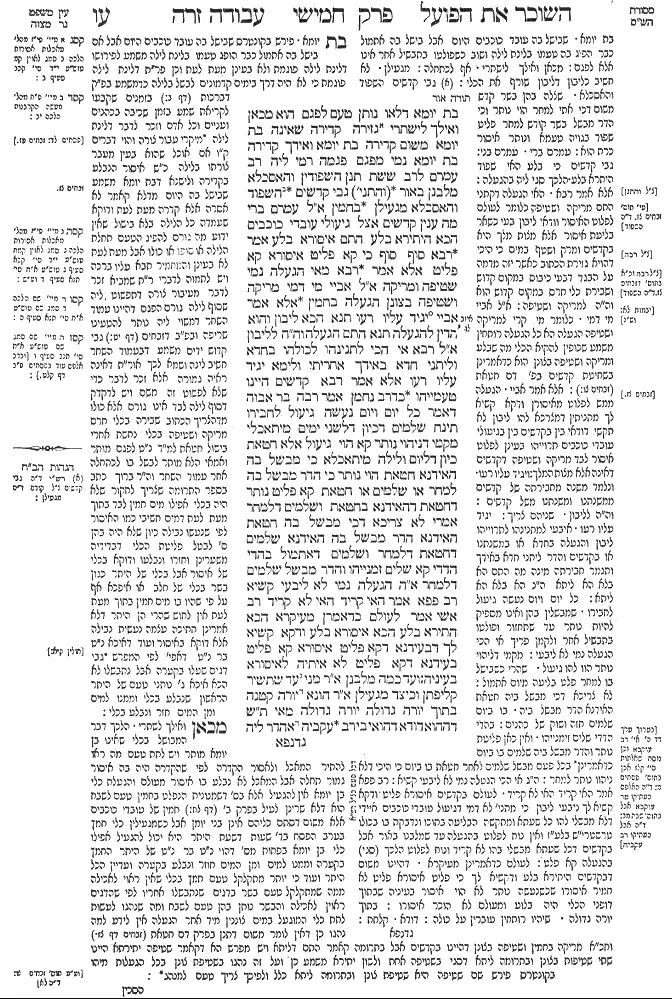
בת יומא דלאו נותן טעם לפגם הוא מכאן ואילך לישתרי גזירה קדירה שאינה בת יומא משום קדירה בת יומא ואידך קדירה בת יומא נמי מפגם פגמה רמי ליה רב עמרם לרב ששת תנן השפודין והאסכלא מלבנן באור (והתני') גבי קדשים השפוד והאסכלא מגעילן בחמין א"ל עמרם ברי מה ענין קדשים אצל גיעולי עובדי כוכבים הכא היתירא בלע התם איסורא בלע אמר רבא סוף סוף כי קא פליט איסורא קא פליט אלא אמר רבא מאי הגעלה נמי שטיפה ומריקה א"ל אביי מי דמי מריקה ושטיפה בצונן הגעלה בחמין אלא אמר אביי (איוב לו, לג) יגיד עליו רעו תנא הכא ליבון והוא הדין להגעלה תנא התם הגעלה וה"ה לליבון א"ל רבא אי הכי לתנינהו לכולהו בחדא וליתני חדא באידך אחריתי ולימא יגיד עליו רעו אלא אמר רבא קדשים היינו טעמייהו כדרב נחמן אמר רבה בר אבוה דאמר כל יום ויום נעשה גיעול לחבירו תינח שלמים דכיון דלשני ימים מיתאכלי מקמי דניהוי נותר קא הוי גיעול אלא חטאת כיון דליום ולילה מיתאכלא כי מבשל בה האידנא חטאת הוי נותר כי הדר מבשל בה למחר או שלמים או חטאת קא פליט נותר דחטאת דהאידנא בחטאת ושלמים דלמחר אמרי לא צריכא דכי מבשל בה חטאת האידנא הדר מבשל בה האידנא שלמים דחטאת דלמחר ושלמים דאתמול בהדי הדדי קא שלים זמנייהו והדר מבשל שלמים דלמחר א"ה הגעלה נמי לא ליבעי קשיא רב פפא אמר האי קריד האי לא קריד רב אשי אמר לעולם כדאמרן מעיקרא הכא התירא בלע הכא איסורא בלע ודקא קשיא לך דבעידנא דקא פליט איסורא קא פליט בעידנא דקא פליט לא איתיה לאיסורא בעיניה:
ועד כמה מלבנן א"ר מני עד שתשיר קליפתן וכיצד מגעילן א"ר הונא יורה קטנה בתוך יורה גדולה יורה גדולה מאי ת"ש דההוא דודא דהואי בי רב עקביה אהדר ליה
Comments from Rashi on Masechet Avodah Zarah Page 76a
בת יומא . שבישל בה עובד כוכבים היום אבל בישל בה אתמול כבר הפיג בה טעמו בלינת לילה ושוב כשפולטו בתבשיל אחר אינו אלא לפגם: מכאן ואילך לישתרי . אף לכתחלה: גבי קדשים השפוד והאסכלא . שצלה בהן בשר קדש משום דכי אתי למחר הוי נותר וכי הדר מבשל בשר קודש למחר פליט שפוד בגויה טעמא ונותר איסור כרת הוא: מגעילן . לא חשיב כליבון דליבון שורף את הכלי: עמרם ברי . עמרם בני: גבי קדשים כי בלע האי שפוד היתרא בלע . הלכך סגי ליה בהגעלה: אלא אמר רבא . האי הגעלה דקתני התם מריקה ושטיפה כלומר לעולם לפלוט האיסור וודאי ליבון בעי כשאר בליעת איסור אלא מצות מלך היא בקדשים ומרק ושטף במים כי היכי דהויא גזירת הכתוב כאשר יזה מדמה על הבגד דבעי כיבוס במקום קדוש ושבירת כלי חרס במקום קדוש הוא וה"ה למריקה ושטיפה: א"ל אביי מי דמי . כלומר מי קרי למריקה ושטיפה הגעלה הא כל הגעלה רותחין משמע שכופין להקיא הכלי מה שבלע ומריקה ושטיפה בצונן הוא כדאמרינן בשחיטת קדשים בפ' דם חטאת (זבחים צו:): אלא אמר אביי . הגעלה ממש לפלוט מאיסורן ודקא קשיא לך מתניתין דמצרכא להו ליבון לא תקשי דודאי בין בקדשים בין בגיעולי עובדי כוכבים תרוייהו בעינן לפלוט איסור לבד מריקה ושטיפה דקדשים דאינה אלא מצות המלך: ויגיד עליו רעו . ונלמד משנה מחבירתה של קדשים ממשנתנו ומשנתנו משל קדשים: וה"ה לליבון . שניהם צריך: יגיד עליו רעו . איבעי למתנינהו לתרוייהו ליבון והגעלה בחדא או במשנתנו או בקדשים והדר ליתני חדא באידך ותגמר חבירתה מינה מה התם הא בלא הא ליתא ה"נ הא בלא הא ליתא: כל יום ויום נעשה גיעול לחבירו . שמבשלין בהן ואינו מספיק להיות נותר עד שתחזור ופולטו בתבשיל אחר. ולקמן פריך אי הכי הגעלה נמי לא ליבעי: מקמי דליהוי נותר הוו להו גיעול . שהרי כשבישל בו למחר פלט בליעה מיום אתמול: לא צריכא דכי מבשל ביה חטאת האידנא הדר מבשל ביה . בו ביום שלמים חזה ושוק של כהנים: בהדי הדדי שלים זימנייהו . ואין כאן פליטת נותר והדר מבשל ביה שלמים בו ביום כדאמרינן בכל פעם מבשל שלמים לאחר חטאת בו ביום כי היכי דלא ניהוו נותר למחר: ה"ג אי הכי הגעלה נמי לא ליבעי קשיא: רב פפא אמר האי קריד האי לא קריד . לעולם בקדשים איסורא פליט ודקא קשיא לך ניבעי ליבון כי מתני' לא דמי דגיעול עובדי כוכבים איידי דלא מבשלי להו כל שעתא ומתקשה הבליעה בתוכו ונדבקת בו בכולו טרשטרי"ש בלע"ז ואין נוח לפלוט בהגעלה עד שמלבנו באור אבל בקדשים דכל שעתא מבשלי בהו לא קריד ונוח לפלוט הלכך (סגי) בהגעלה קא פלט: לעולם כדאמרינן מעיקרא . דהיינו משום דבקדשים היתירא בלע ודקשיא לך כי פליט איסורא פליט לא חמיר איסורו שכשנעשה נותר לא הוי איסור בעיניה שבתוך דופני הכלי היה בלוע ומעולם לא הוכר איסורו: בתוך יורה גדולה . שיהיו רותחין עוברין על כולה: דודא . קלחת:
Comments from Tosafot - Avodah Zarah 76a
בת יומא . פירש בקונטרס שבישל בה עובד כוכבים היום אבל אם בישל בה אתמול כבר הופג טעמו בלינת לילה משמע לפירושו דלינת לילה פוגמת ולא בעינן מעת לעת וכן פר"ת דלינת לילה פוגמת כי לא היה דרך בימים קדמונים לבשל בלילה כדמשמע בפ"ק דברכות (דף ב:) בזמנים שקבעו לקריאת שמע בזמן שכיבה בכהנים ועניים וכל אדם וזכר לדבר דלינת לילה מיקרי עבור צורה והוי דברים ק"ו אם אוכל שהוא בעין מעבר צורתו בלילה כ"ש איסור הנבלע בקדירה ולישנא דבת יומא משמע שבישל בה היום מדלא קאמר לא אסרה אלא קדרה מעת לעת ודוקא שעמדה כל הלילה בלא בישול שאין ידוע מה גורם להפיג הטעם תחלת הלילה או סופו או כולו אבל מעת לעת לא בעינן והמחמיר תבא עליו ברכה ויש לתמוה לדברי ר"ת שמביא זכר לדבר מעיבור צורה דתפשוט ליה שסוף לילה גורם הפגם דהיינו עמוד השחר דמשוי ליה נותר להטעינו שריפה ובפ"ב דזבחים (דף יט:) גבי קדוש ידים משמע דבעמוד השחר חשיב לינה ושמא לכך אור"ת דאינה ראיה גמורה אלא זכר לדבר כדי שלא לפשוט זה משם ויש לדקדק דסוף לילה לבד אינו גורם אלא כולו מדהצריך הכתוב שבירה בכלי חרס מריקה ושטיפה בכלי נחשת אחרי בישול חטאת למ"ד נ"ט לפגם מותר ואמאי הלא מותר לבשל בו לכתחלה אחר עמוד השחר וה"ר ברוך כתב בספר התרומה שצריך לחקור שלא היה בכלי אפילו מים חמין לבד בתוך מעת לעת דמים חשיבי כמו האיסור לפי שנעשו נבילה כיון שלא היה בהן ס' לבטל פליטת הכלי דבדידיה משערינן וחזרו ונבלעו ודוקא בכלי של איסור אבל בכלי של היתר כגון בשר בכלי של חלב או איפכא אף על פי שהיו בו מים חמין בתוך מעת לעת אין לחוש שהרי הן היתר דלא אמרינן חתיכה עצמה נעשית נבילה אלא דוקא באיסור ועוד דאיכא נ"ט בר נ"ט דאפי' לפי המפרש גבי דגים שעלו בקערה אבל נתבשלו לא הכא איכא ג' נותני טעם של היתר הראשון שנבלע בכלי וממנו למים ומן המים חזר ונבלע בכלי: מכאן ואילך לשתרי . הלכך דבר המבושל בכלי שאינו בן יומא מותר ויש לתת טעם מה ראו להתיר המאכל ולאסור הקדרה לפי שהקדרה היה בה איסור גמור תחלה אבל המאכל לא נבלע בו איסור מעולם והגעלת כלי בן יומא אין להגעיל אלא בס' דשמנונית הנפלט בחמין טעם לשבח הוא דלא שרינן לעיל בפרק ב' (עבודה זרה דף לח:) חמין של עובדי כוכבים אלא משום דסתם כליהם אינן בני יומן אבל כשמגעילין כלי חמץ בערב הפסח בד' שעות דשעת היתר היא יכול להגעיל אפילו כלי בן יומא בפחות מס' דהוי נ"ט בר נ"ט של היתר החמץ בקערה וממנו למים ומן המים חוזר ונבלע בקערה ועדיין הכל היתר ועוד כי יותר מתקלקל טעם חמץ בכלי שאין ראוי לאכילה ממה שמתקלקל טעם בשר בדגים שנתבשלו אחריו לפי שהדגים ראוין לאכילה והבשר נותן בהן טעם לשבח ומה שנהגו לעשות לתת כלי המוגעל במים צוננין מיד אחר הגעלה אין לידע למה נהגו כן דאין לומר משום דתנן בפרק דם חטאת (זבחים דף צז.) וחכ"א מריקה בחמין ושטיפה בצונן דהיינו בקדשים אבל בתרומה קאמר התם דליתא ויש מפרש הא דקאמר שטיפה יתירתא היינו שתי שטיפות בצונן ובתרומה ליתא דסגי בשטיפה אחת ולשון יתירא משמע כן ועל זה נהגו בשטיפת צונן בכל הגעלות מיהו בקונטרס פירש שם שטיפה היא שטיפת צונן ובתרומה ליתא כלל ולפיכך צריך טעם למנהג:
Avodah Zarah 76a - Mishnah translated into english
that was used for cooking that same day by a gentile, as in such a case, it does not impart flavor to food cooked in it to the detriment of the mixture.
The Gemara asks: If so, from that point onward the pot should be permitted, as on the following day the taste of the non-kosher food imparted by the pot is already to the detriment of the food. The Gemara answers: There is a rabbinic decree that prohibits use of a pot that was not used by a gentile that same day, due to concern that one will use a pot used by a gentile that same day.
The Gemara comments: And according to the opinion of the other tanna, who holds that even if the imparted flavor is to the detriment of the permitted food nevertheless it is forbidden, even the flavor imparted by a pot that was used that same day is detrimental to the flavor of the food, and still the Torah deems it forbidden, which proves that if a forbidden substance imparts flavor to a permitted food to its detriment, the permitted food is forbidden.
§ Rav Amram raises a contradiction before Rav Sheshet: We learned in the mishna: With regard to the spits and the grill, one must heat them until white-hot in the fire. But it is taught in a mishna (Zevaḥim 97a) with regard to sacrificial meat: The spit and the grill that were used to roast sacrificial meat may not be used again after the time for eating that particular offering has passed, as the leftover taste of the offering in these utensils is forbidden, unless one purges them in hot water. Apparently, heating them until white-hot is unnecessary.
Rav Sheshet said to him: Amram, my son, what has the matter of sacrificial meat to do with vessels of gentiles that require purging? Here, in the case of sacrificial meat, the utensils absorbed a permitted food that subsequently became forbidden, and therefore purging in hot water is sufficient. There, in the case of utensils acquired from gentiles, the utensils absorbed a forbidden food, and so they must be heated until white-hot.
Rava disagreed, saying: Ultimately, even in the case of sacrificial meat, when it emits flavor, it emits a forbidden flavor, so what difference does it make that it was permitted when it was absorbed? Rather, Rava said: What is meant by the purging stated with regard to sacrificial meat? It means that besides heating it until white-hot, rinsing and scouring it are also required, as is the halakha with regard to any utensil used with sacrificial meat, as the verse states: “It shall be scoured and rinsed in water” (Leviticus 6:21).
Abaye said to him: Are rinsing and scouring comparable to purging? Scouring and rinsing are done in cold water, whereas purging is done in hot water. Therefore, this is not a valid interpretation of the term purging. Rather, Abaye said that the Mishna employs the style of: Its counterpart reveals about it (see Job 36:33), as follows: The Mishna taught here that the spit and the grill require heating until white-hot, and the same is true of purging, which is also required. The Mishna taught there that purging the spit and the grill is necessary, and the same is true of heating until white-hot.
Rava said to him: If so, let the Mishna teach all of these requirements in one of the places, and let it teach only one of them in the other, and then let us say that the Mishna employs the style of: Its counterpart reveals about it. The principle that one mishna supplements the other can apply when all of the information is stated in one of the two places, but not when each has only part of it.
Rather, Rava said that with regard to sacrificial meat, this is the reason that its utensils do not require heating until white-hot: It is in accordance with that which Rav Naḥman says that Rabba bar Avuh says, as he says: Each and every day constitutes purging for the other day, i.e., the previous day. Since the designated time for eating the meat of a peace-offering ends the day after it is sacrificed, using the utensils every day for an offering sacrificed on that day guarantees that the taste of every offering is expelled from the utensils before they become forbidden, by using them with fire on the following day. Therefore the utensils do not require special heating until white-hot in fire in order to become permitted for subsequent use.
The Gemara raises an objection: This works out well with regard to peace-offerings, as, since their meat may be eaten over two days, purging is achieved before they become leftover sacrificial meat, which is forbidden. But with regard to a sin-offering, since its meat may be eaten only over the course of a day and a night, when one cooks the meat of a sin-offering with the utensil now, it becomes leftover the next morning. And when one cooks with it again the next day, whether the meat of a peace-offering or a sin-offering, the utensil expels the leftover taste of the sin-offering sacrificed now into the meat of the sin-offering or peace-offering sacrificed the next day, and it should be forbidden.
The Sages say in response: It is not necessary to purge the utensil by heating it until white-hot even if it was used for the meat of a sin-offering; it is possible to avoid such a requirement, as when one cooks a sin-offering with the utensil now, he can then cook the meat of a peace-offering with the same utensil now, i.e., on the same day, and the taste of the sin-offering is consequently expelled from the utensil on that same day.
Then, when the taste of the peace-offering is absorbed, it creates a situation where the designated times for eating the meat of the sin-offering of the next day and the meat of the peace-offering of the previous day are complete simultaneously. It is therefore possible to use the utensil for cooking the meat of a sin-offering the next day without having to purge it from the taste of the previous day’s offerings. And one can then cook the meat of a peace-offering with the utensil the next day, thereby expelling from it the taste of the sin-offering of that day, and repeat this practice day after day.
The Gemara raises an objection: If so, if each day the utensil expels the taste of the sacrificial meat that has not become leftover, then purging it with boiling water is also unnecessary. Why, then, does the mishna require purging with boiling water? The Gemara comments: This poses a difficulty to Rava’s explanation.
Rav Pappa said that there is another resolution to the contradiction between mishnayot: In this case of a gentile’s spit and grill, because it is a utensil that is not in continual use, it becomes crusty and must be heated until white-hot; but that utensil used for sacrificial meat is in continual use, so it does not become crusty.
Rav Ashi said: Actually, the contradiction should be resolved as we said from the outset, as explained by Rav Sheshet: There, in the case of sacrificial meat, the utensils absorbed a permitted food that subsequently became forbidden, and therefore purging is sufficient. Here, in the case of utensils acquired from gentiles, the utensils absorbed a forbidden food, and so they must be heated until white-hot.
And as for that which poses a difficulty for you, that at the time that the utensil expels flavor, it expels the flavor of a forbidden food, the answer is that at the time it expels flavor, the forbidden food is nonexistent in its substantive form. Since the forbidden substance expelled from the utensil is not the forbidden food itself but only its flavor, it is treated leniently, and therefore the fact that it was permitted at the time it was absorbed in the utensil is taken into account.
§ Returning to the mishna, the Gemara asks: And how much does one heat utensils to make them white-hot? Rabbi Mani says: Until they shed their outer layer. And how does one purge utensils with boiling water? Rav Huna says: One immerses a small kettle inside a large kettle of boiling water.
The Gemara asks: What does one do with a large kettle? The Gemara suggests: Come and hear an answer from an incident involving a certain cauldron that was in the house of Rav Akavya and required purging. He surrounded it
Traduction : The William Davidson digital edition of the Koren Noé Talmud, with commentary by Rabbi Adin Even-Israel Steinsaltz.