 Talmud Bavli
The learning on the whole site is dedicated : L'ilui Nishmat Yaakov ben Myriam
The learning on the whole site is dedicated : L'ilui Nishmat אסתר בת חיים
The learning on the whole site is dedicated : L'ilui Nishmat רינה בת לדיסיה
Avodah Zarah 68a : Youtube
Daf TubeYoutube
2 video classes :
Avodah Zarah Page 68a
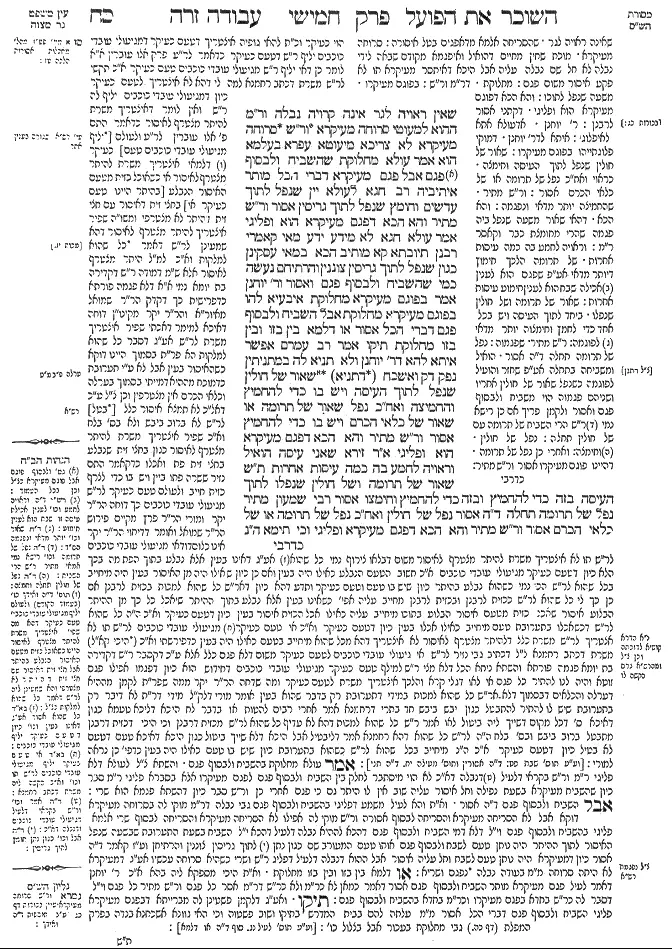
Avodah Zarah 68a - Guemara
שאין ראויה לגר אינה קרויה נבלה ור"מ ההוא למעוטי סרוחה מעיקרא ור"ש סרוחה מעיקרא לא צריכא מיעוטא עפרא בעלמא הוא אמר עולא מחלוקת שהשביח ולבסוף פגם אבל פגם מעיקרא דברי הכל מותר איתיביה רב חגא לעולא יין שנפל לתוך עדשים וחומץ שנפל לתוך גריסין אסור ור"ש מתיר והא הכא דפגם מעיקרא הוא ופליגי אמר עולא חגא לא מידע ידע מאי קאמרי רבנן תיובתא קא מותיב הכא במאי עסקינן כגון שנפל לתוך גריסין צוננין והרתיחם נעשה כמי שהשביח ולבסוף פגם ואסור ור' יוחנן אמר בפוגם מעיקרא מחלוקת איבעיא להו בפוגם מעיקרא מחלוקת אבל השביח ולבסוף פגם דברי הכל אסור או דלמא בין בזו ובין בזו מחלוקת תיקו אמר רב עמרם אפשר איתא להא דר' יוחנן ולא תניא לה במתניתין נפק דק ואשכח דתניא שאור של חולין שנפל לתוך העיסה ויש בו כדי להחמיץ והחמיצה ואח"כ נפל שאור של תרומה או שאור של כלאי הכרם ויש בו כדי להחמיץ אסור ור"ש מתיר והא הכא דפגם מעיקרא הוא ופליגי א"ר זירא שאני עיסה הואיל וראויה לחמע בה כמה עיסות אחרות ת"ש שאור של תרומה ושל חולין שנפלו לתוך העיסה בזה כדי להחמיץ ובזה כדי להחמיץ וחימצו אסור רבי שמעון מתיר נפל של תרומה תחלה ד"ה אסור נפל של חולין ואח"כ נפל של תרומה או של כלאי הכרם אסור ור"ש מתיר והא הכא דפגם מעיקרא ופליגי וכי תימא ה"נ
Comments from Rashi on Masechet Avodah Zarah Page 68a
שאינה ראויה לגר . שהסריחה. אלמא מדאפגים בטל איסורה: סרוחה מעיקרא . מוכת שחין מחיים דהואיל ואיפגמא מקודם שבאה לידי נבלה לא חל שם נבלה עליה אבל היכא דאיתסר מעיקרא תו לא פקע איסור משום פגם: מחלוקת . דר"מ ור"ש: בפוגם מעיקרו . משעה שנפל לתוכו: והא הכא דפוגם מעיקרא הוא ופליגי . דקתני אסור לרבנן: ר' יוחנן . אדעולא אתא לאיפלוגי: איתא לדר' יוחנן . דמוקי פלוגתייהו בפוגם מעיקרו: שאור של חולין שנפל לתוך העיסה וחימצה . כראוי ואח"כ נפל של תרומה או של כלאי הכרם אסור: ור"ש מתיר . שהחמיצה יותר מדאי ונפגמה: והא הכא . דהאי שאור משעה שנפל ביה פגמה שהרי מחומצת כבר וקאסר ר"מ: וראויה לחמע בה כמה עיסות אחרות . (של תרומה) הלכך חימוץ דיותר מדאי אע"פ שפגם הוא לענין אכילה שבח הוא לענין חימוע עיסות אחרות: שאור של תרומה ושל חולין שנפלו . ביחד לתוך העיסה ויש בכל אחד כדי לחמץ וחימצוה יותר מדאי לפוגמה: ר"ש מתיר . שפגמוה: נפל של תרומה תחלה ד"ה אסור . הואיל ומשביחה בתחלה אע"פ שחזר והועיל לפוגמה כשנפל שאור של חולין אחריו ושניהם פגמוה הוי משביח ולבסוף פגם ואסור. ולקמן פריך אם כן רישא נמי ר"ש הרי השביח של תרומה עם של חולין תחלה: נפל של חולין . וחימצה: ואחרי כן נפל של תרומה . דהיינו פוגם מעיקרו אסור ור"ש מתיר:
Comments from Tosafot - Avodah Zarah 68a
אמר עולא מחלוקת בהשביח ולבסוף פגם . והשתא צ"ל לעולא דלא פליגי ר"מ ור"ש בקראי דלעיל דנבלה דא"כ לא הוי מיסתבר לחלק בין השביח ולבסוף פגם לפגם מעיקרו אלא בסברא פליגי ר"מ סבר כיון שהשביח מעיקרא בשעת נפילה וחל איסור עליה שוב אין לו היתר גם כי פגם אחרי כן ור"ש סבר כיון דהשתא פגמא הוא שרי: אבל השביח ולבסוף פגם ד"ה אסור . וא"ת והא לעיל משמע דפליגי בהשביח ולבסוף פגם גבי נבלה דר"מ מוקי לה בסרוחה מעיקרא דוקא אבל לא הסריחה מעיקרא והסריחה לבסוף אסורה ור"ש מוקי לה אפילו לא הסריחה מעיקרא והסריחה לבסוף שרי אלמא פליגי בהשביח ולבסוף פגם וי"ל דלא דמי השביח ולבסוף פגם דהכא לההיא נבלה דלעיל דהכא י"ל השביח בשעת התערובת שבשעה שנפל האיסור לתוך ההיתר היה נותן טעם לשבח ולבסוף פגם אותו טעם המעורב שם כגון נתן לתוך גריסין צוננין והרתיחן וע"ז קאמר ד"ה אסור כיון דמעיקרא היה נותן טעם לשבח וחל עליה איסור אבל ההוא דנבלה דלעיל דפליג ר"ש ושרי כשהיא סרוחה עכשיו אע"ג דמעיקרא לא היתה סרוחה מ"מ בעודה נבלה נפגם ושריא: או דלמא בין בזו ובין בזו מחלוקת . וא"ת היכי מספקא ליה בהא א"כ ר' יוחנן דאמר לעיל פגם מעיקרא מותר השביח ולבסוף פגם אסור דאמר כמאן לא כר"מ ולא כר"ש דר"מ אסר כל פגם ור"ש מתיר כל פגם וי"ל דסבר לה כר"ש בחדא בפגם מעיקרו וכר"מ בחדא בהשביח ולבסוף פגם: תיקו . ואע"ג דלקמן פשטינן לה מברייתא דבפגם מעיקרא פליגי השביח ולבסוף פגם דברי הכל אסור מ"מ עלתה להם בבית המדרש בתיקו ושוב פשטוה וכי האי גוונא אשכחנא בנדה בפרק המפלת (דף כה.) גבי מחלוקת בעכור אבל בצלול כו' [וע"ע תוס' לעיל (עבודה זרה נג.) סוף ד"ה או דלמא]:
Avodah Zarah 68a - Mishnah translated into english
and any carcass that is unfit even for a ger toshav to consume, e.g., one that turned rancid and is unfit for consumption, is not called an unslaughtered carcass with regard to its prohibition.
And what can Rabbi Meir respond to this? He could say: That verse is written to exclude meat that was rancid at the outset, i.e., that was not fit for consumption even before the animal’s death, due to a defect in the animal. By contrast, a carcass that was fit for consumption when the animal died and was consequently rendered forbidden remains forbidden even when it becomes rancid. And Rabbi Shimon could counter that meat that was rancid at the outset does not need specific exclusion by the verse, as it is considered as mere dust and does not fall under the category of an unslaughtered animal carcass.
§ Ulla says: This dispute between Rabbi Meir and Rabbi Shimon is with regard to a forbidden food that enhanced the flavor of a dish when it first fell into it and subsequently detracted from its flavor. In this case Rabbi Meir deems the dish forbidden, since the forbidden food enhanced its flavor at the outset. But in a case of forbidden food that detracted from the flavor of the dish at the outset, everyone agrees that it is permitted.
Rav Ḥagga raised an objection to the opinion of Ulla from a baraita: Forbidden wine that fell into lentils, or forbidden vinegar that fell into split beans, renders the food forbidden. And Rabbi Shimon deems them permitted. But here it is a case where the forbidden food detracted from the flavor of the dish at the outset, and the tanna’im disagree.
Ulla said: Ḥagga does not know what the Sages say, yet he raises an objection? Here we are dealing with a case where the vinegar fell into the cold split beans and one subsequently heated them, in which case it becomes like a forbidden food that enhanced the flavor of the mixture and subsequently detracted from it, as vinegar enhances the flavor of cold split beans, and it is consequently forbidden according to Rabbi Meir.
And Rabbi Yoḥanan says: The dispute between Rabbi Meir and Rabbi Shimon is with regard to a case where the forbidden food detracts from the flavor of the permitted food from the outset.
A dilemma was raised before the Sages: Does Rabbi Yoḥanan mean that the dispute is with regard to a case where the forbidden food detracts from its flavor from the outset, but if it enhanced it at first and subsequently detracted from it, everyone agrees that it is forbidden? Or, perhaps he means that the dispute is both in this case and in that case. The Gemara comments: The dilemma shall stand unresolved.
Rav Amram said: Is it possible that there is substance to this statement of Rabbi Yoḥanan, i.e., that there is disagreement with regard to a case where the forbidden food detracts from the flavor of the permitted food from the outset, but it is not taught in the Mishna?
Rav Amram went out, examined the Mishna, and discovered that this dispute is taught in a mishna (Orla 2:8): In the case of non-sacred leaven that fell into the dough, and there is enough of it to cause the dough to become leavened, and the dough indeed became leavened, and subsequently leaven of teruma, or leaven of forbidden diverse kinds planted in a vineyard, fell into this dough, and there is enough of it to cause the dough to become leavened, the dough is forbidden, because the forbidden leaven is considered to have contributed to the process of the leavening. But Rabbi Shimon deems the dough permitted, because the additional leaven has a negative impact on the dough, which was already leavened.
Rav Amram comments: But here it is a case where the forbidden substance detracted from the flavor of the dough at the outset, and Rabbi Meir and Rabbi Shimon disagree, as a mishna that is not attributed explicitly to a tanna represents the opinion of Rabbi Meir.
Rabbi Zeira said: Dough is different, because even if the additional leaven is detrimental to its flavor, in any event the dough is enhanced, since it is suitable for leavening several other batches of dough with it. The more it is leavened, the more it is enhanced in terms of this purpose.
The Gemara suggests another source for the statement of Rabbi Yoḥanan: Come and hear that which is taught in a baraita: In the case of leaven of teruma and non-sacred leaven that fell into the dough, if this one was sufficient to cause the dough to become leavened and that one was sufficient to cause the dough to become leavened, and they both cause the dough to become leavened, it is forbidden. Rabbi Shimon deems it permitted. If the leaven of teruma fell in first, everyone agrees that it is forbidden. If the non-sacred leaven fell in first and subsequently the leaven of teruma or of diverse kinds that were planted in a vineyard fell in, this is also forbidden; but Rabbi Shimon deems it permitted.
The Gemara comments: But here it is a case where the forbidden substance detracted from the flavor of the dough from the outset, and they disagree. And if you would say: Here too,
Traduction : The William Davidson digital edition of the Koren Noé Talmud, with commentary by Rabbi Adin Even-Israel Steinsaltz.