 Talmud Bavli
The learning on the whole site is dedicated : L'ilui Nishmat Avraham Ben Simha
The learning on the whole site is dedicated : L'ilui Nishmat Jamila bat Chlomo Abensour
The learning on the whole site is dedicated : L'ilui Nishmat Rav Chlomo Ben Jamilla
Avodah Zarah 5a : Youtube
Daf TubeYoutube
2 video classes :
Avodah Zarah Page 5a
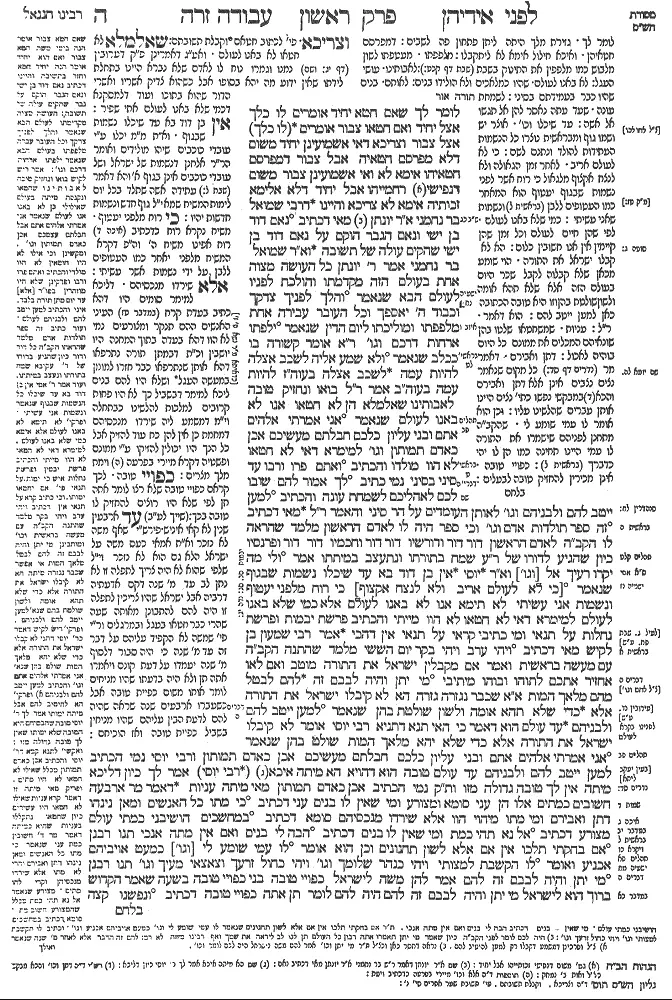
Avodah Zarah 5a - Guemara
לומר לך שאם חטא יחיד אומרים לו כלך אצל יחיד ואם חטאו צבור אומרים לו כלך אצל צבור וצריכא דאי אשמועינן יחיד משום דלא מפרסם חטאיה אבל צבור דמפרסם חטאיהו אימא לא ואי אשמועינן צבור משום דנפישי רחמייהו אבל יחיד דלא אלימא זכותיה אימא לא צריכא והיינו דרבי שמואל בר נחמני א"ר יונתן מאי דכתיב (שמואל ב כג, א) נאם דוד בן ישי ונאם הגבר הוקם על נאם דוד בן ישי שהקים עולה של תשובה וא"ר שמואל בר נחמני אמר ר' יונתן כל העושה מצוה אחת בעולם הזה מקדמתו והולכת לפניו לעולם הבא שנאמר (ישעיהו נח, ח) והלך לפניך צדקך וכבוד ה' יאספך וכל העובר עבירה אחת מלפפתו ומוליכתו ליום הדין שנאמר (איוב ו, יח) ילפתו ארחות דרכם וגו' ר"א אומר קשורה בו ככלב שנאמר (בראשית לט, י) ולא שמע אליה לשכב אצלה להיות עמה לשכב אצלה בעוה"ז להיות עמה בעוה"ב אמר ר"ל בואו ונחזיק טובה לאבותינו שאלמלא הן לא חטאו אנו לא באנו לעולם שנאמר (תהלים פב, ו) אני אמרתי אלהים אתם ובני עליון כלכם חבלתם מעשיכם אכן כאדם תמותון וגו' למימרא דאי לא חטאו לא הוו מולדו והכתיב (בראשית ט, ז) ואתם פרו ורבו עד סיני בסיני נמי כתיב (דברים ה, כז) לך אמור להם שובו לכם לאהליכם לשמחת עונה והכתיב (דברים ה, כו) למען ייטב להם ולבניהם וגו' לאותן העומדים על הר סיני והאמר ר"ל מאי דכתיב (בראשית ה, א) זה ספר תולדות אדם וגו' וכי ספר היה לו לאדם הראשון מלמד שהראה לו הקב"ה לאדם הראשון דור דור ודורשיו דור דור וחכמיו דור דור ופרנסיו כיון שהגיע לדורו של ר"ע שמח בתורתו ונתעצב במיתתו אמר (תהלים קלט, יז) ולי מה יקרו רעיך אל [וגו'] וא"ר יוסי אין בן דוד בא עד שיכלו נשמות שבגוף שנאמר (ישעיהו נז, טז) [כי לא לעולם אריב ולא לנצח אקצוף] כי רוח מלפני יעטוף ונשמות אני עשיתי לא תימא אנו לא באנו לעולם אלא כמי שלא באנו לעולם למימרא דאי לא חטאו לא הוו מייתי והכתיב פרשת יבמות ופרשת נחלות על תנאי ומי כתיבי קראי על תנאי אין דהכי אמר רבי שמעון בן לקיש מאי דכתיב (בראשית א, לא) ויהי ערב ויהי בקר יום הששי מלמד שהתנה הקב"ה עם מעשה בראשית ואמר אם מקבלין ישראל את התורה מוטב ואם לאו אחזיר אתכם לתוהו ובוהו מיתיבי (דברים ה, כו) מי יתן והיה לבבם זה להם לבטל מהם מלאך המות א"א שכבר נגזרה גזרה הא לא קיבלו ישראל את התורה אלא כדי שלא תהא אומה ולשון שולטת בהן שנאמר (דברים ה, כו) למען ייטב להם ולבניהם עד עולם הוא דאמר כי האי תנא דתניא רבי יוסי אומר לא קיבלו ישראל את התורה אלא כדי שלא יהא מלאך המות שולט בהן שנאמר (תהלים פב, ו) אני אמרתי אלהים אתם ובני עליון כלכם חבלתם מעשיכם אכן כאדם תמותון ורבי יוסי נמי הכתיב למען ייטב להם ולבניהם עד עולם טובה הוא דהויא הא מיתה איכא (רבי יוסי) אמר לך כיון דליכא מיתה אין לך טובה גדולה מזו ות"ק נמי הכתיב אכן כאדם תמותון מאי מיתה עניות דאמר מר ארבעה חשובים כמתים אלו הן עני סומא ומצורע ומי שאין לו בנים עני דכתיב (שמות ד, יט) כי מתו כל האנשים ומאן נינהו דתן ואבירם ומי מתו מיהוי הוו אלא שירדו מנכסיהם סומא דכתיב (איכה ג, ו) במחשכים הושיבני כמתי עולם מצורע דכתיב (במדבר יב, יב) אל נא תהי כמת ומי שאין לו בנים דכתיב (בראשית ל, א) הבה לי בנים ואם אין מתה אנכי תנו רבנן (ויקרא כו, ג) אם בחקתי תלכו אין אם אלא לשון תחנונים וכן הוא אומר (תהלים פא, יד) לו עמי שומע לי [וגו'] כמעט אויביהם אכניע ואומר (ישעיהו מח, יח) לו הקשבת למצותי ויהי כנהר שלומך וגו' ויהי כחול זרעך וצאצאי מעיך וגו' תנו רבנן (דברים ה, כז) מי יתן והיה לבבם זה להם אמר להן משה לישראל כפויי טובה בני כפויי טובה בשעה שאמר הקדוש ברוך הוא לישראל מי יתן והיה לבבם זה להם היה להם לומר תן אתה כפויי טובה דכתיב (במדבר כא, ה) ונפשנו קצה
Comments from Rashi on Masechet Avodah Zarah Page 5a
לומר לך . גזירת מלך היתה ליתן פתחון פה לשבים: דמפרסם חטאיהן . ואיכא חילול אימא לא ליתקבלו: מלפפתו . מעטפתו לשון מלבוש כמו מלפפין את התינוק בשבת (שבת דף קכט:): לאבותינו . עושי העגל: לא באנו לעולם . שהיו כמלאכים ולא הולידו בנים: לשמחת עונה . שעד עתה נאסר להן אל תגשו אל אשה: לאותם . בנים שהיו כבר בעמידתם בסיני: עד שיכלו וכו' . אוצר יש ושמו גוף ומבראשית נוצרו כל הנשמות העתידות להולד ונתנם לשם: כי לא לעולם אריב . לאחר זמן הגאולה ולא לנצח אקצוף מלגאול כי רוח אשר לפני נשמות שבגוף יעטוף הוא המאחר כמו העטופים ללבן (בראשית ל) ונשמות שאני עשיתי: כמי שלא באנו לעולם . לפי שהן חיים לעולם וכל זמן שהן קיימין אין אנו חשובין כלום: הא לא קבלו ישראל את התורה . הוי שומע מכאן שלא קבלוה לקבל שכר היום בעולם הזה אלא שלא תהא אומה ולשון שולטת בהן וזו היא טובה הכתובה כאן למען ייטב להם: הוא דאמר . ר"ל: עניות . שמשחטאו שלטו בהן שונאיהם המכלים את ממונם כל היום בוהיה לאכול: דתן ואבירם . דאמר מר (נדרים דף סד:) כל מקום שנאמר נצים נצבים אינן אלא דתן ואבירם והכא במבקשי נפשו כתי' נצים היינו אותן עברים שהלשינו עליו: וכן הוא אומר לו עמי שומע לי . שהקב"ה מתחנן לפניהם שישמרו את התורה. לו עמי היינו תחינה כמו הן לו יהי כדברך (בראשית ל): כפויי טובה . אינן מכירין להחזיק טובה לבעלים:
Comments from Tosafot - Avodah Zarah 5a
וצריכא . פי' לכתוב חטאם וקבלת תשובתם: שאלמלא לא חטאו לא באנו לעולם . ואע"ג דאמרינן פ"ק דערובין (דף יג: ושם) נמנו וגמרו נוח לו לאדם שלא נברא היינו בתחלת לידתו שאין ידוע מה יהא בסופו אבל כשהוא צדיק אשריו ואשרי הדור שהוא בתוכו ועוד דלמסקנא דכמי שלא באנו לעולם אתי שפיר: אין בן דוד בא עד שיכלו נשמות שבגוף . וא"ת מ"מ יכלו ע"י עובדי כוכבים שיהו מולידים ואומר הר"ר אלחנן דנשמות של ישראל ושל עובדי כוכבים אינן בגוף א' והא דאמר (שבת ל:) עתידה אשה שתלד בכל יום לימות המשיח שמא י"ל גוף חדש ונשמות חדשות יהיו: כי רוח מלפני יעטוף . משיח נקרא רוח כדכתיב (איכה ד) רוח אפינו משיח ה' וה"פ דקרא המשיח מלפני יאחר כמו העטופים ללבן על ידי נשמות אשר עשיתי: אלא שירדו מנכסיהם . דליכא למימר סומים היו דהא כתיב בעדת קרח (במדבר טז) העיני האנשים ההם תנקר ומצורעים נמי לא הוו דהא בעדה בתוך המחנה היו יושבין וכ"ת דבמתן תורה נתרפאו דהא אותן שנתרפאו כבר חזרו למומן במעשה העגל ושלא היו להם בנים ליכא למימר דבשביל כך לא היו פחות קרובים למלכות להלשינו כבתחלה וי"מ דמשמע ליה שירדו מנכסיהם דמחמת כן אין להן כח עוד להזיק אבל כל הנך היו יכולין להזיקו ע"י ממונם ופשטיה דקרא מיירי בפרעה וימת מלך מצרים: כפויי טובה . לכך קראם כפויי טובה שלא רצו לומר אתה תן לפי שלא היו רוצים להחזיק לו טובה בכך:
Avodah Zarah 5a - Mishnah translated into english
This serves to say to you that if an individual has sinned, one says to him: Go to that famous individual who sinned, King David, and learn from him that one can repent. And if the community sinned, one says to them: Go to the community that sinned, i.e., the Jewish people at the time of the Golden Calf.
The Gemara notes: And it is necessary to learn about repentance both in the case of an individual and in the case of a community. The reason is that if we had learned this idea only with regard to an individual, one might have thought that he has the option to repent only because his sin is not publicized. But in the case of a community, whose sin is publicized, one might say that the community cannot repent. And likewise, if we had learned this idea only with regard to a community, one might have said that their repentance is accepted because their prayers are more numerous than those of an individual, and they are heard before God. But in the case of an individual, whose merit is not as strong, one might say that he is not able to repent. Therefore, it is necessary to teach both cases.
And this is similar to that which Rabbi Shmuel bar Naḥmani says that Rabbi Yonatan says: What is the meaning of that which is written: “The saying of David, son of Yishai, and the saying of the man raised on high [al]” (II Samuel 23:1)? This is the meaning of the verse: The saying of David, son of Yishai, who raised and lightened the yoke [ullah] of repentance, as he taught the power of repentance through his own example.
And Rabbi Shmuel bar Naḥmani further says that Rabbi Yonatan says: With regard to anyone who performs one mitzva in this world, the mitzva will precede him and walk before him in the World-to-Come, as it is stated: “And your righteousness shall go before you, the glory of the Lord shall be your reward” (Isaiah 58:8). And with regard to anyone who commits one transgression, that transgression will shroud him and lead him on the Day of Judgment, as it is stated: “The paths of their way do wind, they go up into the waste, and are lost” (Job 6:18).
Rabbi Elazar says: The transgression is tied to him like a dog and does not leave him, as it is stated with regard to Joseph and Potiphar’s wife: “And he did not listen to her, to lie by her, or to be with her” (Genesis 39:10). This teaches that Joseph refused “to lie by her” in this world, which would have meant that he would have had “to be with her” in the World-to-Come.
§ The Gemara further discusses the sin of the Golden Calf. Reish Lakish says: Come and let us be grateful to our ancestors who sinned with the Golden Calf, as had they not sinned we would not have come into the world. Reish Lakish explains: As it is stated about the Jewish people after the revelation at Sinai: “I said: You are godlike beings, and all of you sons of the Most High” (Psalms 82:6), which indicates that they had become like angels and would not have propagated offspring. Then, God states: After you ruined your deeds: “Yet you shall die like a man, and fall like one of the princes” (Psalms 82:7).
The Gemara asks: Is this to say that if they had not sinned with the Golden Calf they would not have sired children? But isn’t it written that Noah and his children were instructed: “And you, be fruitful, and multiply” (Genesis 9:7)? The Gemara answers: This instruction was issued only until the revelation at Sinai, but the Jewish people would have become like angels there, had they not sinned. The Gemara asks: Isn’t it also written about the Jewish people who were at the revelation at Sinai: “Go say to them: Return to your tents” (Deuteronomy 5:27), which means that they were instructed to resume marital relations? The Gemara answers: That verse is referring to the enjoyment of conjugal rights, not to procreation.
The Gemara further asks: But isn’t it written: “That it might be good for them, and with their children forever” (Deuteronomy 5:26), which indicates that they would continue to bear children? The Gemara answers: This verse is referring to those children who stood with them at Mount Sinai, not to future generations.
The Gemara raises a further difficulty: But doesn’t Reish Lakish say: What is the meaning of that which is written: “This is the book of the generations of Adam, in the day that God created man” (Genesis 5:1)? Did Adam the first man have a book? Rather, the verse teaches that the Holy One, Blessed be He, showed Adam, the first man, every generation and its expositors, every generation and its Sages, and every generation and its leaders. When Adam arrived at the generation of Rabbi Akiva, he rejoiced in his Torah and was saddened by his death, as Rabbi Akiva was tortured and murdered. Adam said: “How weighty also are Your thoughts to me, O God! How great is the sum of them” (Psalms 139:17). It is evident from here that the Jews were destined to bear future generations from the beginning of time.
And similarly, Rabbi Yosei says: The Messiah, son of David, will not come until all the souls of the body have been finished, i.e., until all souls that are destined to inhabit physical bodies will do so. As it is stated: “For I will not contend for ever, neither will I be always wroth; for the spirit that enwraps itself is from Me, and the souls that I have made” (Isaiah 57:16). According to Rabbi Yosei, in order for the Messiah to come in the end of days, it is necessary for the future generations to be born.
The Gemara answers: Do not say that if our ancestors had not sinned we would not have come into the world, as we still would have been born; rather, it would have been as though we had not come into the world. We would have been of no importance, due to the previous generations that would have still been alive. The Gemara asks: Is this to say that if the Jewish people had not sinned with the Golden Calf then they would not have died? But isn’t the chapter that addresses widows whose husbands die childless (Deuteronomy 25:5–10) written in the Torah, and the chapter that addresses the inheritance a deceased father bequeaths to his sons (Numbers 27:8–11) is also written?
The Gemara answers: These passages were written conditionally, i.e., if the Jewish people were to sin and not become like angels, those halakhot would take effect. The Gemara asks: And are verses written conditionally in this manner? The Gemara answers: Yes, as this is what Rabbi Shimon ben Lakish says: What is the meaning of that which is written: “And there was evening and there was morning, the sixth day” (Genesis 1:31)? This teaches that the Holy One, Blessed be He, established a condition with the acts of Creation, and He said: If the Jewish people accept the Torah at the revelation at Sinai, all is well and the world will continue to exist. But if they do not accept it, I will return you to the primordial state of chaos and disorder.
The Gemara raises an objection from a baraita to the new formulation of Reish Lakish’s statement, according to which the Jewish people would have become immortal had they not sinned with the Golden Calf. The verse states about the Jewish people after the revelation at Sinai: “Who would give that they had such a heart as this always, to fear Me, and keep all My commandments, that it might be good for them, and with their children forever” (Deuteronomy 5:26). The baraita states that although they had reached such an elevated state, it was not possible to nullify the power of the Angel of Death over them, as the decree of death was already issued from the time of creation.
Rather, the baraita explains that the Jewish people accepted the Torah only in order that no nation or tongue would rule over them, as it is stated in the same verse: “That it might be good for them, and with their children forever.” This indicates that had the Jewish people not sinned they would not have achieved immortality, which contradicts Reish Lakish’s statement.
The Gemara answers: Reish Lakish said his statement in accordance with the opinion of that tanna. As it is taught in a baraita that Rabbi Yosei says: The Jewish people accepted the Torah only in order that the Angel of Death would not rule over them, as it is stated: “I said: You are godlike beings, and all of you sons of the Most High” (Psalms 82:6), i.e., they had become immortal like angels. Then, God states: After you ruined your deeds, “yet you shall die like a man, and fall like one of the princes” (Psalms 82:7).
The Gemara asks: And also, according to Rabbi Yosei, isn’t it written: “That it might be good for them, and with their children forever,” from which it may be inferred that although it will be good for them if they remain in this elevated state, there will still be death? The Gemara answers: Rabbi Yosei could have said to you: Since there is no death, there is no greater good than this, i.e., the promise of the verse is immortality.
The Gemara inquires: And according to the first tanna as well, isn’t it written: “Yet you shall die like a man,” which indicates that their mortality was decreed only due to the sin of the Golden Calf? The Gemara answers: What is meant by death? It means poverty. As the Master said: Four are considered as though they were dead: These are a pauper, a blind person, a leper, and one who has no children.
A pauper is considered as though dead, as it is written that God said to Moses: “Go, return to Egypt; for all the men that sought your life are dead” (Exodus 4:19). And who were these men? They were Dathan and Abiram. But did they really die? They were still alive, as they participated in the rebellion of Korah, which took place years later. Rather, the verse does not mean that they had died, but that they had lost their property and become impoverished. This demonstrates that a pauper is considered as though he were dead.
A blind person is considered as though he were dead, as it is written: “He has made me to dwell in dark places, as those that have been long dead” (Lamentations 3:6). A leper is considered as though he were dead, as it is written that Aaron said to Moses when Miriam was struck with leprosy: “Let her not, I pray, be as one dead” (Numbers 12:12). And one who has no children is considered as though he were dead, as it is written that Rachel said to Jacob: “Give me children, or else I am dead” (Genesis 30:1).
The Sages taught with regard to the verse: “If you walk in My statutes” (Leviticus 26:3): In this context, “if” is a term that means nothing other than supplication, i.e., God is hoping that the Jewish people will observe the Torah. And similarly, it is stated: “Oh that My people would hearken to Me, that Israel would walk in My ways, I would soon subdue their enemies” (Psalms 81:14–15). And it states: “Oh that you would hearken to My commandments! Then your peace would be as a river, and your righteousness as the waves of the sea. Your seed also would be as the sand, and the offspring of your body like its grains” (Isaiah 48:18–19).
§ The Gemara returns to a verse cited above. The Sages taught with regard to the verse: “Who would give that they had such a heart as this always, to fear Me, and keep all My commandments, that it might be good for them, and with their children forever” (Deuteronomy 5:26). At a later stage, Moses said to the Jewish people: Ingrates, children of ingrates! When the Holy One, Blessed be He, said to the Jewish people: “Who would give that they had such a heart as this always,” they should have said: You should give us a heart to fear You.
The Gemara explains that Moses calls the Jewish people ingrates, as it is written that the Jewish people spoke disparagingly of the manna: “And our soul loathes
Traduction : The William Davidson digital edition of the Koren Noé Talmud, with commentary by Rabbi Adin Even-Israel Steinsaltz.