 Talmud Bavli
Zevahim 50b : Youtube
Daf TubeYoutube
2 video classes :
Zevahim Page 50b
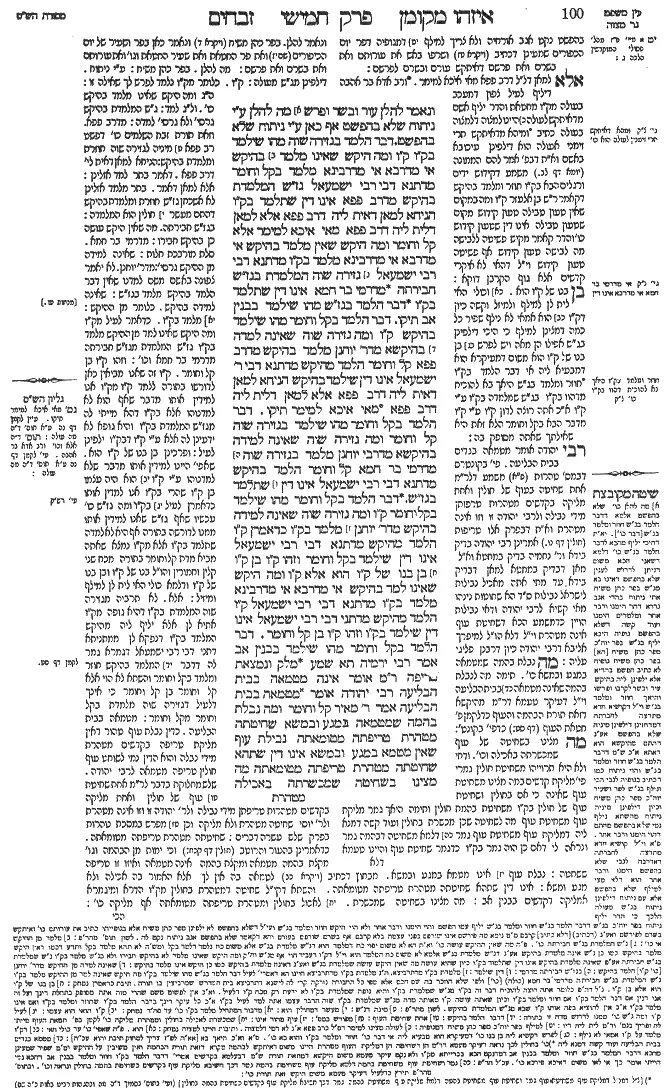
Zevahim 50b - Guemara
ונאמר להלן עור ובשר ופרש מה להלן ע"י ניתוח שלא בהפשט אף כאן ע"י ניתוח שלא בהפשט. דבר הלמד בגזירה שוה מהו שילמד בק"ו ק"ו ומה היקש שאינו מלמד בהיקש אי מדרבא אי מדרבינא מלמד בקל וחומר מדתנא דבי רבי ישמעאל גז"ש המלמדת בהיקש מדרב פפא אינו דין שתלמד בק"ו הניחא למאן דאית ליה דרב פפא אלא למאן דלית ליה דרב פפא מאי איכא למימר אלא קל וחומר ומה היקש שאין מלמד בהיקש אי מדרבא אי מדרבינא מלמד בק"ו מדתנא דבי רבי ישמעאל גזירה שוה המלמדת בגז"ש חבירתה מדרמי בר חמא אינו דין שתלמד בק"ו דבר הלמד בגז"ש מהו שילמד בבנין אב תיקו. דבר הלמד בקל וחומר מהו שילמד בהיקש ק"ו ומה גזירה שוה שאינה למדה בהיקשא מדר' יוחנן מלמד בהיקש מדרב פפא קל וחומר הלמד מהיקש מדתנא דבי ר' ישמעאל אינו דין שילמד בהיקש הניחא למאן דאית ליה דרב פפא אלא למאן דלית ליה דרב פפא מאי איכא למימר תיקו. דבר הלמד בקל וחומר מהו שילמד בגזירה שוה קל וחומר ומה גזירה שוה שאינה למידה בהיקשא מדרבי יוחנן מלמד בגזירה שוה מדרמי בר חמא קל וחומר הלמד בהיקש מדתנא דבי רבי ישמעאל אינו דין שתלמד בגז"ש. דבר הלמד בקל וחומר מהו שילמד בקל וחומר ק"ו ומה גזירה שוה שאינה למידה בהיקש מדר' יוחנן מלמד בק"ו כדאמרן ק"ו הלמד מהיקש מדתנא דבי רבי ישמעאל אינו דין שילמד בקל וחומר וזהו ק"ו בן ק"ו בן בנו של ק"ו הוא אלא ק"ו ומה היקש שאינו למד בהיקש אי מדרבא אי מדרבינא מלמד בק"ו מדתנא דבי רבי ישמעאל ק"ו הלמד מהיקש מדתני דבי רבי ישמעאל אינו דין שילמד בק"ו וזהו ק"ו בן קל וחומר. דבר הלמד בקל וחומר מהו שילמד בבנין אב אמר רבי ירמיה תא שמע מלק ונמצאת טריפה ר"מ אומר אינה מטמאה בבית הבליעה רבי יהודה אומר מטמאה בבית הבליעה אמר ר' מאיר קל וחומר ומה נבלת בהמה שמטמאה במגע ובמשא שחיטתה מטהרת טריפתה מטומאתה נבילת עוף שאין מטמא במגע ובמשא אינו דין שתהא שחיטתה מטהרת טריפתה מטומאתה מה מצינו בשחיטה שמכשרתה באכילה
Comments from Rashi on Masechet Zevahim Page 50b
ונאמר להלן . בפר כהן משיח (ויקרא ד) ונאמר כאן בפר ושעיר של יום הכיפורים (שם יז) ואת פר החטאת ואת שעיר החטאת וגו' ואת עורותם ואת בשרם ואת פרשם: מה להלן . בפר כהן משיח: ע"י ניתוח . דילפינן מג"ש מעולה: ק"ו . כלומר מק"ו נלמד לפרש לך שאילה זו: ה"ג ומה היקש שאינו מלמד בהיקש כו' . ול"ג למד: ג"ש המלמדת בהיקש גרסי' ולא גרסי' למדה: מדרב פפא . וזאת תורת זבח השלמים כו' דפשט רב פפא מיניה לגזירה שוה חוזרת ומלמדת בהיקש: הניחא למאן דאית לי' דרב פפא . דאמר בתר למד אזלינן: אלא למאן דאמר . בתר מלמד אזלינן לא אשכחן גז"ש חוזרת ומלמדת בהיקש דהתם מעשר חולין הוא המלמדה: בגז"ש חבירתה . מה שאין היקש עושה כן בהיקש חבירו: מדרמי בר חמא . סלת מורבכת חלות: שאינה למידה מן ההיקש גרסי': מדר' יוחנן . לא יאמר צפונה באשם משם למדנו שאין דבר הלמד בהיקש מלמד בגז"ש: שאינה למידה בהיקש . כלומר מן ההיקש: מלמד בק"ו . כדאמר לעיל מק"ו ומה היקש שאינו למד מן ההיקש מלמד בק"ו גז"ש המלמדת מגז"ש חבירתה מדרמי בר חמא וכו': וזהו ק"ו בן קל וחומר . ק"ו זה שאנו מביאין כאן לדורשו בתורה ללמד ק"ו מק"ו אנו למידין אותו מדבר שאף הוא לא למדנוהו אלא בק"ו דהא מייתי לה מגז"ש המלמדת בק"ו והיא גופא לא ידעינן לה אלא ע"י ק"ו דבק"ו ילפינן לעיל: ופרכינן בן בנו של ק"ו הוא . שאפי' היינו למידין אותו מדבר שלא למדנוהו ע"י ק"ו הוא היה עצמו בן ק"ו שהרי בק"ו אנו למדין אותו כדאמרן לעיל בק"ו ומה גז"ש כו' עכשיו שאף גז"ש שאנו למידין אותו ממנו לדורשה בתורה אף היא לא למדה שתלמד בק"ו אלא מק"ו נמצא שאתה מביא מדת קל וחומר בתורה מכח שני קלין וחמורין והו"ל בנו של ק"ו ובן בנו של ק"ו ודלמא כולי האי לית לן למילף ומיזיל: אלא . לא תרביה מגזירה שוה המלמדת בק"ו דהיא גופה מק"ו אתיא לן אלא יליף ליה מהיקש המלמד בק"ו דנפקא לן ממתניתא דתני דבי רבי ישמעאל דגמרא גמר לה דדבר המלמד בהיקש חוזר ומלמד בקל וחומר והשתא לא הוי אלא קל וחומר בן קל וחומר כי אינך דלעיל דגזירה שוה מלמדת בקל וחומר מקל וחומר: מטמאה בבית הבליעה . כדין נבלת עוף טהור דאין מליקת טריפה בקדשים מטהרת מידי נבלה והוא הדין נמי לשוחט עוף חולין טריפה מטמאה לרבי יהודה. שלש מחלוקת בדבר לר"מ אחת שחיטת עוף של חולין ואחת מליקה בקדשים מטהרות טריפתן מידי נבילה ולר' יהודה זו וזו אינה מטהרת ולר' יוסי שחיטה מטהרת ולא מליקה וכן מפרש במסכת טהרות בפרק שלש עשרה דברים: שחיטתה מטהרת טריפתה מטומאתה . כדאמרינן בהעור והרוטב (חולין דף קכח:) וכי ימות מן הבהמה וגו' מקצת בהמה מטמאה ומקצת בהמה אינה מטמאה ואיזו זו טריפה ששחטה: נבלת עוף אינו מטמא במגע ובמשא . מבחוץ דכתיב (ויקרא כב) לטמאה בה אין לך אלא האמור בה אכילה ולא מגע ומשא: אינו דין שתהא שחיטתה מטהרת טריפתה מטומאתה . והשתא דקי"ל שחיטה דמטהרת בחולין מק"ו הדרא ומיגמרא אמליקה דקדשים בבנין אב: מה מצינו בשחיטה שמכשרת . לאכול בחולין ומטהרת טריפתה מטומאתה אף מליקה כו':
Comments from Tosafot - Zevahim 50b
רבי יהודה אומר מטמאה בגדים בבית הבליעה . פי' בקונטרס דבמס' טהרות (פ"א) משמע דלר"מ אחת שחיטה בעוף של חולין ואחת מליקה בקדשים מטהרות טרפותן מידי נבילה ולרבי יהודה זו וזו אינה מטהרת וא"ת דבפרק אלו טריפות (חולין דף נו.) אמרינן רבי יהודה בדיק בידא ור' נחמיה בדיק במחטא וא"ל מאן דבדיק במחטא למאן דבדיק בידא עד מתי אתה מאכיל נבילות לישראל נבילות ס"ד הא שחוטות נינהו מאי קשיא לרבי יהודה ודאי נבילות הויין כדמשמע הכא דשחיטת עוף אינה מטהרת וי"ל דלא הו"ל למיפרך אליבא דרבי יהודה כיון דרבנן פליגי עליה: מה נבלת בהמה שמטמאה במגע ובמשא כו' . תימה מה לנבלת בהמה שאינה מטמאה בבית הבליעה וי"ל דעיקר טעמא דר"מ מהיקשא דזאת תורת הבהמה והעוף כדלקמן פ' חטאת העוף (זבחים דף סט:) כדפי' בקונט': מה מצינו בשחיטה של עוף שמכשרתה באכילה וכו' . ודחי ולא היא תרוייהו משחיטת חולין גמרי פי' מליקת קדשים במה מצינו משחיטת עוף שאינה כי אם בחולין ושחיטת עוף של חולין בק"ו משחיטת בהמת חולין ותימה היאך גמר מליקת עוף משחיטת עוף מה לשחיטה שכן מכשרת בחולין ועוד קשה דמנא ליה דמליקת עוף משחיטת עוף גמר דלמא משחיטה דבהמה גמר ונראה לי דאם כן הוה גמר בק"ו כדגמר שחיטת עוף והיינו טעמא דלא גמר דאיכא תרי שינויי מליקה משחיטה ועוף מבהמה. ברו"ך. ועוד קשה היכי דייק דדבר הלמד בק"ו חוזר ומלמד בבנין אב אימא דשחיטת עוף אתיא בבנין אב משחיטת בהמה ודבר הלמד בבנין אב חוזר ומלמד בבנין אב כדמסקא בשמעתא ונראה דלישנא דמתני' קדייק דפשיטא דעיקר טעמו של ר"מ מהיקשא דזאת התורה כדלקמן ופשיטא ליה דבמה מצינו מעוף יליף דאי מבהמה למה לי לאיתויי בק"ו:
Zevahim 50b - Mishnah translated into english
And it is stated below, with regard to the bull sin offerings that are burned, the terms skin, flesh, and dung, in the verse: “But the skin of the bull, and all its flesh, with its head, and with its legs, and its innards, and its dung” (Leviticus 4:11). Just as below it is prepared for burning by means of cutting it into pieces but not by means of flaying, as derived by the verbal analogy, so too here it is prepared for burning by means of cutting it into pieces but not by means of flaying. Evidently, a halakha derived via a verbal analogy can then teach another halakha via a verbal analogy.
§ The Gemara asks: What is the halakha as to whether a matter derived via a verbal analogy can teach its halakha to another matter via an a fortiori inference? The Gemara answers: That question itself can be answered with an a fortiori inference: And just as a matter derived via a juxtaposition, which cannot then teach its halakha via a juxtaposition, as proven either from the statement of Rava or from the statement of Ravina (49b), can nevertheless teach its halakha via an a fortiori inference, as proven from the statement that the school of Rabbi Yishmael taught (50a), with regard to a matter derived via a verbal analogy, which can teach its halakha via a juxtaposition, as proven from the statement of Rav Pappa (50a), is it not logical that it should teach its halakha via an a fortiori inference?
The Gemara clarifies: This works out well according to the one who accepts the statement of Rav Pappa. But according to the one who does not accept the statement of Rav Pappa, i.e., Mar Zutra, son of Rav Mari, what is there to say?
Rather, this can be derived through a different a fortiori inference: And just as a matter derived via a juxtaposition, which cannot then teach its halakha via a juxtaposition, as proven either from the statement of Rava or from the statement of Ravina (49b), can nevertheless teach its halakha via an a fortiori inference, as proven from the statement that the school of Rabbi Yishmael taught (50a), with regard to a matter derived via a verbal analogy, which can teach its halakha via another verbal analogy, as proven from the statement of Rami bar Ḥama (50a), is it not logical that it should teach its halakha via an a fortiori inference?
The Gemara asks: What is the halakha as to whether a matter derived via a verbal analogy can teach its halakha to another matter via a paradigm? The question shall stand unresolved.
§ The Gemara asks: What is the halakha as to whether a matter derived via an a fortiori inference can teach its halakha to another matter via a juxtaposition? The Gemara answers that this itself can be derived via an a fortiori inference: And just as a halakha derived via a verbal analogy, which cannot be derived from another halakha derived via a juxtaposition, as proven from the statement of Rabbi Yoḥanan (49b), can nevertheless teach its halakha to another matter via a juxtaposition, as proven from the statement of Rav Pappa (50a), with regard to a halakha derived via an a fortiori inference, which can be derived from another halakha derived via a juxtaposition, as proven from the statement that the school of Rabbi Yishmael taught (50a), is it not logical that it should teach its halakha via a juxtaposition?
The Gemara clarifies: This works out well according to the one who accepts the statement of Rav Pappa. But according to the one who does not accept the statement of Rav Pappa, i.e., Mar Zutra, son of Rav Mari, what is there to say? The Gemara comments: The question shall stand unresolved.
The Gemara asks: What is the halakha as to whether a matter derived via an a fortiori inference can teach its halakha to another matter via a verbal analogy? The Gemara answers that this itself can be derived via an a fortiori inference. And just as a halakha derived via a verbal analogy, which cannot be derived from another halakha derived via a juxtaposition, as proven from the statement of Rabbi Yoḥanan (49b), can nevertheless teach its halakha to another matter via a verbal analogy, as proven from the statement of Rami bar Ḥama (50a), with regard to a halakha derived via an a fortiori inference, which can be derived from another halakha derived via a juxtaposition, as proven from the statement that the school of Rabbi Yishmael taught (50a), is it not logical that it should teach its halakha via a verbal analogy?
The Gemara asks: What is the halakha as to whether a matter derived via an a fortiori inference can teach its halakha to another matter via an a fortiori inference? The Gemara answers that this itself can be derived via an a fortiori inference. And just as a halakha derived via a verbal analogy, which cannot be derived from another halakha derived via a juxtaposition, as proven from the statement of Rabbi Yoḥanan (49b), can nevertheless teach its halakha to another matter via an a fortiori inference, as we have said, with regard to a halakha derived via an a fortiori inference, which can be derived from another halakha derived via a juxtaposition, as proven from the statement that the school of Rabbi Yishmael taught (50a), is it not logical that it should teach its halakha via an a fortiori inference?
The Gemara comments: And this is an a fortiori inference that is the son of, i.e., is derived from, another a fortiori inference. The Gemara challenges this last statement: It is not the son of an a fortiori inference, but the grandson of an a fortiori inference, which cannot be used. The very fact that a matter derived via a verbal analogy can then teach its halakha via an a fortiori inference is itself derived from an a fortiori inference, as the Gemara stated.
Rather, the halakha as to whether a matter derived via an a fortiori inference can teach its halakha to another matter via an a fortiori inference can be derived via another a fortiori inference. And just as a matter derived via a juxtaposition, which cannot be derived via a juxtaposition, as proven either from the statement of Rava or from the statement of Ravina (49b), can nevertheless teach its halakha via an a fortiori inference, as proven from the statement that the school of Rabbi Yishmael taught (50a), with regard to a halakha derived via an a fortiori inference, which can be derived from another halakha derived via a juxtaposition, as proven from the statement that the school of Rabbi Yishmael taught (50a), is it not logical that it should teach its halakha via an a fortiori inference? The Gemara comments: And this is an a fortiori inference that is the son of another a fortiori inference.
The Gemara asks: What is the halakha as to whether a matter derived via an a fortiori inference can teach its halakha to another matter via a paradigm? Rabbi Yirmeya says: Come and hear a proof from a mishna (69a–b): If a priest pinched the nape of a bird offering properly and it was then found to be a bird with a wound that would have caused it to die within twelve months [tereifa], which disqualifies it from being used as an offering and renders it prohibited for consumption by the priests, Rabbi Meir says: An olive-bulk of its meat does not render one who swallows it ritually impure when it is in the throat, as is the halakha concerning a bird carcass, as the fact that it underwent pinching means that it is not in the category of a carcass. Rabbi Yehuda says: Its status is like that of any other carcass of a kosher bird, and its meat renders one who swallows it ritually impure when it is in the throat.
The mishna continues: Rabbi Meir said: My opinion can be proved via an a fortiori inference. And just as with regard to the carcass of an animal, which transmits impurity to a person through touching it and carrying it, its slaughter nevertheless purifies its tereifa from its impurity, with regard to the carcass of a bird, which possesses less severe impurity, as it does not transmit impurity through touching it and carrying it, but only when it is in the throat, is it not logical that its slaughter purifies its tereifa from its impurity? And once it is established that slaughter purifies a bird that is a tereifa, it can be derived: Just as we found with regard to a bird’s slaughter that it permits it for consumption
Traduction : The William Davidson digital edition of the Koren Noé Talmud, with commentary by Rabbi Adin Even-Israel Steinsaltz.