 Talmud Bavli
The learning on the whole site is dedicated : L'ilui Nishmat Amram ben Itshak Loubaton
The learning on the whole site is dedicated : L'ilui Nishmat Reuven ben Rivka SEBBAG
The learning on the whole site is dedicated : L'ilui Nishmat Ledicia bat David Banoun
Avodah Zarah 71b : Youtube
Daf TubeYoutube
2 video classes :
Avodah Zarah Page 71b
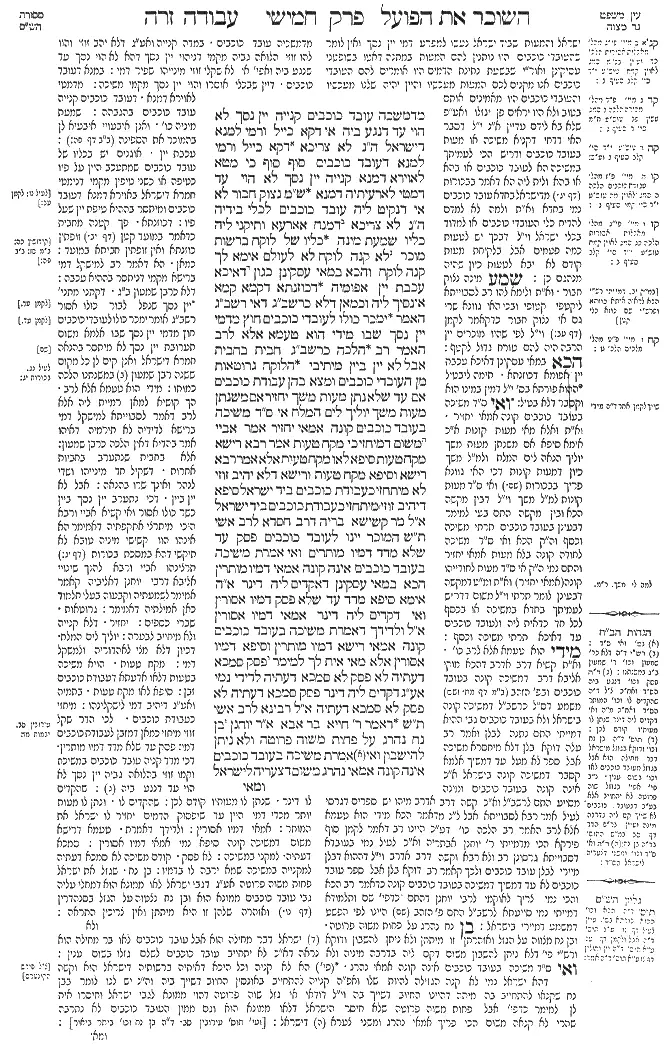
Avodah Zarah 71b - Guemara
מדמשכה עובד כוכבים קנייה יין נסך לא הוי עד דנגע ביה אי דקא כייל ורמי למנא דישראל ה"נ לא צריכא דקא כייל ורמי למנא דעובד כוכבים סוף סוף כי מטא לאוירא דמנא קנייה יין נסך לא הוי עד דמטי לארעיתיה דמנא ש"מ נצוק חבור לא אי דנקיט ליה עובד כוכבים לכלי בידיה ה"נ לא צריכא דמנח אארעא ותיקני ליה כליו שמעת מינה כליו של לוקח ברשות מוכר לא קנה לוקח לא לעולם אימא לך קנה לוקח והכא במאי עסקינן כגון דאיכא עכבת יין אפומיה דכוזנתא דקמא קמא אינסיך ליה וכמאן דלא כרשב"ג דאי רשב"ג האמר ימכר כולו לעובדי כוכבים חוץ מדמי יין נסך שבו מידי הוא טעמא אלא לרב האמר רב הלכה כרשב"ג חבית בחבית אבל לא יין ביין מיתיבי הלוקח גרוטאות מן העובדי כוכבים ומצא בהן עבודת כוכבים אם עד שלא נתן מעות משך יחזיר אם משנתן מעות משך יוליך לים המלח אי ס"ד משיכה בעובד כוכבים קונה אמאי יחזיר אמר אביי משום דמיחזי כי מקח טעות אמר רבא רישא מקח טעות סיפא לאו מקח טעות אלא אמר רבא רישא וסיפא מקח טעות ורישא דלא יהיב זוזי לא מיתחזי כעבודת כוכבים ביד ישראל סיפא דיהיב זוזי מיתחזי כעבודת כוכבים ביד ישראל א"ל מר קשישא בריה דרב חסדא לרב אשי ת"ש המוכר יינו לעובד כוכבים פסק עד שלא מדד דמיו מותרים ואי אמרת משיכה בעובד כוכבים אינה קונה אמאי דמיו מותרין הכא במאי עסקינן דאקדים ליה דינר א"ה אימא סיפא מדד עד שלא פסק דמיו אסורין ואי דקדים ליה דינר אמאי דמיו אסורין א"ל ולדידך דאמרת משיכה בעובד כוכבים קונה אמאי רישא דמיו מותרין וסיפא דמיו אסורין אלא מאי אית לך למימר פסק סמכא דעתיה לא פסק לא סמכא דעתיה לדידי נמי אע"ג דקדים ליה דינר פסק סמכא דעתיה לא פסק לא סמכא דעתיה א"ל רבינא לרב אשי ת"ש דאמר ר' חייא בר אבא א"ר יוחנן בן נח נהרג על פחות משוה פרוטה ולא ניתן להישבון ואי אמרת משיכה בעובד כוכבים אינה קונה אמאי נהרג משום דצעריה לישראל
Comments from Rashi on Masechet Avodah Zarah Page 71b
מדמשכיה עובד כוכבים . במדה קנייה ואע"ג דלא יהב זוזי והוו להו זוזי הלואה גביה מקמי דניהוי יין נסך דהא לא הוי נסך עד שנגע ביה ואפי' אי לא שקלי זוזי מינייהו שפיר דמי: במנא דעובד כוכבים . דיין שבכלי אוסרו והוי יין נסך מקמי משיכה: מדמטי לאוירא דמנא . דעובד כוכבים קנייה עובד כוכבים בהגבהה: שמעת מיניה כו' . ואנן איבעויי איבעיא לן בהמוכר את הספינה (ב"ב דף פה:): עכבת יין . אוגנים יש בכליו של עובד כוכבים שמתעכב היין על פיו כטיפה או כשני טיפין מקמי דנימטי חמרא דישראל באוירא דמנא דעובד כוכבים ומיתסר בההיא טיפת יין שעל פיו: דכוזנתא . פך קטנה מחבית כדאמר במועד קטן (דף יב.) זופתין כוזנתא ואין זופתין חביתא במועד: כמאן . הא דאמר רב למישקל דמי ברישא מקמי דניתסר בההיא עכבה: דלא כרבן שמעון ב"ג . דקתני מתני' יין נסך שנפל לבור כולו אסור רשב"ג אומר ימכר כולו לעובדי כוכבים חוץ מדמי יין נסך שבו אלמא משום תערובת יין נסך לא מיתסר בהנאה חמרא דישראל ואנן קים לן כל מקום ששנה רבן שמעון במשנתנו הלכה כמותו: מידי הוא טעמא אלא לרב . הך קושיא למאן רמיית ליה אלא לרב דאמר לסבוייתא למישקל דמי ברישא לדידיה לא תירמיה דאיהו אמר בהדיא דאין הלכה כרבן שמעון: אלא בחבית שנתערב בחביות אחרות דשקיל חד מינייהו ושדי לנהר ואינך שרו בהנאה: אבל לא יין ביין . דכי נתערב יין נסך ביין כשר כולו אסור. ואי קשיא אביי ורבא היכי מיתרצי אתקפתיה דאמימר הא אינהו הוו קשישי מיניה טובא לא תיקשי דהא במסכת בכורות (דף יג:) תרצינהו אביי ורבא להנך שינויי אליבא דרבי יוחנן דאליביה קאמר אמימר לשמעתיה וקבעוה בעלי תלמוד כאן אמילתיה דאמימר: גרוטאות . שברי כספים: יחזיר . דלא קנייה ולא מיחייב לבערה: יוליך לים המלח . דכיון דלא מצי לאהדוריה ולמשקל דמי: מקח טעות . הויא משיכה בטעות דלאו אדעתא דעבודת כוכבים זבן: סיפא לאו מקח טעות . בתמיה. ואע"ג דיהיב דמי לישקלינהו: מיחזי כעבודת כוכבים . לכי הדר שקל זוזי מיחזי כמאן דמזבן לעבודת כוכבים דמי: פסק עד שלא מדד דמיו מותרין . דכי מדד קניה עובד כוכבים במשיכה וקמו זוזי בהלואה גביה יין נסך לא הוי עד דנגע ביה: שהקדים לו דינר . שנתן לו מעותיו קודם לכן: שהקדים לו . ונתן לו מעות יותר מכדי דמי היין עד שיפסוק הדמים יחזיר לו ישראל את המותר:
אמאי דמיו אסורין: ולדידך דאמרת . טעמא דרישא משום דמשיכה קונה סיפא נמי אמאי דמיו אסורין: סמכא דעתיה . למקני במשיכה: לא פסק . קודם משיכה לא סמכא דעתיה למקנייה במשיכה שמא ירבה לו בדמיו: בן נח . שגזל את ישראל פחות משוה פרוטה אע"ג דגבי ישראל לאו ממונא הוא דמחלי עליה גבי עובד כוכבים ממונא הוא ובן נח נצטוה על הגזל בסנהדרין (דף נו.) ואזהרה שלהן זו היא מיתתן ואין צריכין התראה: ולא ניתן להישבון . ולא מחייב לאהדורה להאי ישראל דהא מחיל עליה: אמאי נהרג . הא לא קניא להך גזילה וכל היכא דאיתא של ישראל היא: ומשני האי דנהרג משום צעריה דישראל:
Comments from Tosafot - Avodah Zarah 71b
שמע מינה נצוק חבור . וא"ת ולימא להו רב לסבוייתא ליקטפי קטופי ובכי האי גוונא שרי גם אי נצוק חבור כדקאמר לקמן (עבודה זרה דף עב:) וי"ל לפי שהיו מוכרים יין הרבה היה להם טורח גדול לקטף: הכא במאי עסקינן דאיכא עכבת יין אפומא דכוזנתא . תימה ליבטיל ההוא פורתא בס' י"ל דמין במינו הוא וקסבר דלא בטיל: מידי הוא טעמא אלא לרב כו' . וא"ת קשיא דרב אדרב דהכא מוקי אליבא דרב דמשיכה קונה בעובד כוכבים ובפ' הזהב (ב"מ דף מח. ושם) משמע דס"ל כרשב"ל דמשיכה קונה בישראל ולא בעובד כוכבים גבי ההיא דמייתי התם נתנה לבלן ואמר רב עלה דוקא בלן דלא מיחסרא משיכה אבל ספר לא מעל עד דמשיך אלמא קסבר דמשיכה קונה בישראל א"כ אינה קונה בעובד כוכבים ומינה מסייע התם לרשב"ל וא"כ קשה דרב אדרב מיהו יש ספרים דגרסי לעיל אמר רבא לסבוייתא אבל ל"נ מדאמר הכא מידי הוא טעמא אלא לרב האמר רב הלכה כו' דע"כ היינו רב דאמר לקמן סוף פירקא הכי מדמייתי ר' יוחנן אבתריה וא"כ לעיל נמי בעובדא דסבוייתא גרסינן רב ולא רבא וקשה דרב אדרב וי"ל דההוא דבלן מיירי לבלן עובד כוכבים ולכך קאמר רב דוקא בלן אבל ספר עובד כוכבים לא עד דמשיך דמשיכה בעובד כוכבים קונה כדאמר רב הכא והכי נמי צריך לאוקמי לרבי יוחנן דהתם כדפי' שם ותלמודא דמייתי נמי סייעתא לרשב"ל התם פ' הזהב (שם) היינו לפי הפשט דמשמע דמיירי בישראל: ואי ס"ד משיכה בעובד כוכבים קונה אמאי יחזיר . וא"ת ואלא מאי מעות קונות א"כ אימא סיפא אם משנתן מעות משך יוליך הנאה לים המלח ולמ"ל משך כיון דמעות קונות דכי האי גוונא פריך בבכורות (שם.) ואי ס"ד מעות קונות למ"ל משך וי"ל דבין מקשה הכא ובין מקשה התם בעי למימר דבעינן בעובד כוכבים תרתי משיכה וכסף וה"ק הכא ואי ס"ד משיכה לחודה קונה בלא מעות אמאי יחזיר והתם נמי ה"ק אי ס"ד מעות לחודייהו קונה (אמאי יחזיר) וא"ת ומ"ט דמקשה דבעינן לומר תרתי וי"ל משום דדריש לעמיתך בחדא במשיכה או בכסף לכל חד כדאית ליה ולעובד כוכבים עד דאיכא תרתי משיכה וכסף: בן נח נהרג על פחות משוה פרוטה . ובן נח מצווה על הגזל ואזהרתן זו מיתתן ולא ניתן להשבון ודוקא ישראל דבר מחילה הוא אבל עובד כוכבים לאו בר מחילה הוא ורש"י פי' דלא ניתן להשבון משום דקם ליה בדרבה מיניה ולא נראה דא"כ לא יתחייב עובד כוכבים לשלם גזלו בשום ענין: ואי ס"ד משיכה בעובד כוכבים אינה קונה אמאי נהרג . (פי') הא לא קניה וכל היכא דאיתיה ברשותיה דישראל הוא וקשה דהא ישראל נמי לא קנה הגזילה להיות שלו ואפ"ה קנייה להתחייב באונסין החיוב דשייך ביה וה"נ יש לנו לומר בבן נח שקנאו להתחייב בה מיתה דהיינו החיוב דשייך בה וי"ל דודאי. אי גזל שוה פרוטה דהוי ממונא לגבי ישראל וחיסרו אית לן למימר כדפי' אבל פחות משוה פרוטה שלא חיסר הישראל דלאו ממונא הוא וגם ממון העובד כוכבים לא נתרבה שהרי לא קנאה משום הכי פריך אמאי נהרג ומשני צערא דישראל [ועי' תוס' עירובין סב. ד"ה בן נח וכו' ביתר ביאור]:
Avodah Zarah 71b - Mishnah translated into english
from the moment that he pulled it, the gentile acquired it, whereas it did not become wine used for a libation until he touched it. Therefore, the seller can receive payment for the wine he sold, because at the time of the acquisition the wine was permitted.
The Gemara rejects this proof: If it is a case where the seller measures the wine and pours it into the vessel of a Jew, it is indeed permitted to do so without receiving payment first. Rav’s ruling is not necessary except in a case where he measures the wine and pours it into the vessel of the gentile, which contains wine used for a libation, and the wine is rendered forbidden upon contact with the vessel even before the gentile acquires it by pulling it.
The Gemara raises an objection: Ultimately, even in this case, when the wine reaches the interior airspace of the gentile’s vessel, he acquires it, as this too is a mode of acquisition. And it does not become wine used for a libation until it reaches the bottom of the vessel, making contact with it, so the acquisition occurs before the wine becomes forbidden. Can one conclude from this that in the opinion of Rav a stream of liquid serves as a connection between two bodies of liquid? If so, when the Jew pours the wine into the gentile’s vessel, the flow of wine that is in contact with the forbidden wine at the bottom of the vessel would render all the wine being poured into the vessel forbidden.
The Gemara rejects this conclusion: No, a stream of liquid does not serve as a connection, and therefore if the gentile is holding the vessel in his hand, the gentile indeed acquires the wine before it becomes forbidden, and therefore the money paid for it is permitted. Rav’s ruling is not necessary unless the gentile’s vessel is set on the ground, so that there is no act of acquisition before the wine becomes forbidden.
The Gemara asks: But let the vessels of the gentile acquire the wine from the moment it enters the interior airspace. Can one conclude from this that if the buyer’s vessels are in the domain of the seller, the buyer does not acquire the merchandise once it is placed in his vessels? This is an issue that is subject to a dispute between the Sages, which remains unresolved.
The Gemara rejects this: No, actually, I could say to you that the buyer acquires the merchandise in such a case. But here, where the wine is rendered forbidden before being acquired by the gentile, we are dealing with a case where there is a remnant of wine remaining on the mouth of the gentile’s jug [kuzanta], which renders the wine poured into the jug forbidden, as each bit of wine becomes libation wine when it comes into contact with the remnant of wine on the mouth as it is poured into the jug. This is why Rav told the wine shopkeepers to take the money before measuring the wine into the gentile’s vessel.
The Gemara raises an objection: And in accordance with whose opinion does Rav say this? It is not in accordance with the opinion of Rabban Shimon ben Gamliel; as, if it were in accordance with the opinion of Rabban Shimon ben Gamliel, doesn’t he say that libation wine that became mixed with other wine may all be sold to gentiles for the monetary value of the entire mixture except for the value of the wine used for a libation that is in the mixture? Accordingly, it is permitted to accept payment for wine that was poured into a gentile’s vessel, and the halakha is in accordance with the opinion of Rabban Shimon ben Gamliel.
The Gemara answers: The explanation of this ruling can be only according to the opinion of Rav, who issued the ruling. And doesn’t Rav say that the halakha is in accordance with the opinion of Rabban Shimon ben Gamliel only in the case of a barrel of permitted wine that became intermingled with another barrel of libation wine, but not in the case of wine that became mixed with other wine in the same barrel? Therefore, explaining Rav’s statement as contradicting the opinion of Rabban Shimon ben Gamliel is not problematic; consequently, it cannot be proven from his statement that a gentile does not acquire an item by pulling it.
The Gemara raises another objection to the statement of Ameimar that a gentile can acquire an object by pulling it. It is taught in a baraita: With regard to one who buys broken vessels made of gold or silver from the gentiles and finds among them an object of idol worship, if he pulled the object of idol worship, thereby performing an act of acquisition, before he gave the money to the gentile, he may return the object of idol worship to the gentile. But if he pulled it after he gave the money to the gentile, he may not return it. Since the idol’s status was not revoked, he must take it and cast it into the Dead Sea. In that case, if it enters your mind that pulling an object acquires it in a transaction with a gentile, as Ameimar maintains, then why may he return the object once he has pulled it, since it is his? Abaye said: He may return it because it appears to be a mistaken transaction, since he clearly did not intend to purchase an object of idol worship.
Rava said: Then why, in the second instance, where he paid the money, may he not return it? Is the purchase in the first clause a mistaken transaction but the purchase in the latter clause not a mistaken transaction? Rather, Rava said: The purchase in the first clause and the purchase in the latter clause are both a mistaken transaction, but in the case presented in the first clause, where he did not pay him the dinars, it does not appear as though there is an object of idol worship in the possession of a Jew, and so he may return it. By contrast, in the latter clause, where he did pay him the dinars, it appears as though there is an object of idol worship in the possession of a Jew, and therefore he must cast away the object rather than return it.
§ The Gemara cites a claim against Rav Ashi’s opinion that a gentile cannot acquire an item by pulling it: Mar Kashisha, son of Rav Ḥisda, said to Rav Ashi: Come and hear an objection to your opinion from the mishna: In the case of a Jew who sells his wine to a gentile, if he fixed a price before he measured the wine into the gentile’s vessel, deriving benefit from the money paid for the wine is permitted, as the wine was acquired by the gentile before he touched it. And if you say that pulling an item does not acquire it in a transaction involving a gentile, why is the money paid for it permitted? Rav Ashi replied: Here we are dealing with a case where the gentile paid him a dinar in advance, before the measuring, thereby acquiring the wine with money.
One of the Sages raised an objection: If that is so, say the last clause: But if the Jew measured the wine into the gentile’s vessel, thereby rendering it forbidden, before he fixed a price, the money paid for the wine is forbidden. And if he paid him a dinar in advance, why should the money paid for it be forbidden?
Rav Ashi said to him: And according to you, as you say that pulling acquires items in a transaction involving a gentile, why in the first clause is the money paid for it permitted, and in the latter clause the money paid for it is forbidden?
Rather, what have you to say to explain the distinction between the two cases? You say that when the Jew fixed a price, the gentile consequently relied on him that the sale would not be canceled, and so the sale was concluded by the pulling. But in a case where he did not fix a price, the gentile did not rely on him that the sale would not be canceled, and therefore the sale was not concluded.
According to my opinion as well, even though the gentile gave him a dinar in advance, if he fixed a price, the gentile relied on him that the sale would not be canceled, and if he did not fix a price, the gentile did not rely on him that the sale would not be canceled.
Ravina said to Rav Ashi: Come and hear another proof against your opinion, as Rabbi Ḥiyya bar Abba says that Rabbi Yoḥanan says: A descendant of Noah, i.e., a gentile, is executed by the court for theft of even less than the value of one peruta; but if he stole less than the value of one peruta from a Jew, it is not subject to restitution, i.e., he is not obligated to return it, as the Jew presumably waived the debt. And if you say that pulling an item does not acquire it in a transaction involving a gentile, why should he be executed? He did not commit a legally significant act by stealing the item, as it remains in the possession of the owner.
The Gemara answers: He is executed because he caused a Jew distress by stealing the item, even though by the halakhot of acquisition the thief did not acquire it.
Traduction : The William Davidson digital edition of the Koren Noé Talmud, with commentary by Rabbi Adin Even-Israel Steinsaltz.