 Talmud Bavli
Gittin 5b : Youtube
Daf TubeYoutube
2 video classes :
Gittin Page 5b
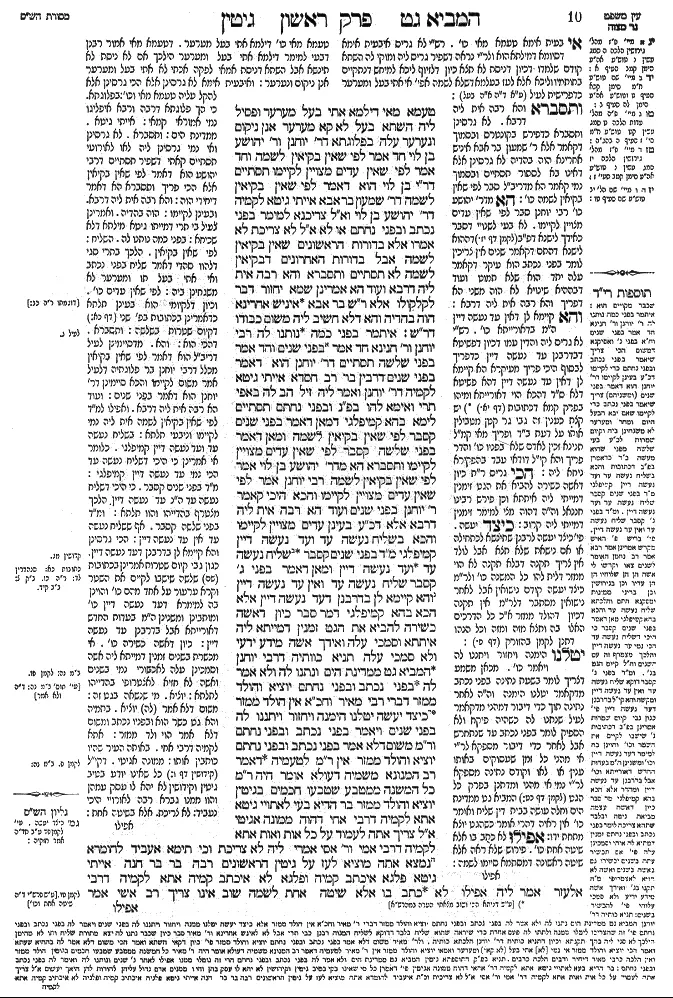
Gittin 5b - Guemara
טעמא מאי דילמא אתי בעל מערער ופסיל ליה השתא בעל לא קא מערער אנן ניקום ונערער עלה בפלוגתא דר' יוחנן ור' יהושע בן לוי חד אמר לפי שאין בקיאין לשמה וחד אמר לפי שאין עדים מצויין לקיימו תסתיים דר"י בן לוי הוא דאמר לפי שאין בקיאין לשמה דר' שמעון בר אבא אייתי גיטא לקמיה דר' יהושע בן לוי וא"ל צריכנא למימר בפני נכתב ובפני נחתם או לא א"ל לא צריכת לא אמרו אלא בדורות הראשונים שאין בקיאין לשמה אבל בדורות האחרונים דבקיאין לשמה לא תסתיים ותסברא והא רבה אית ליה דרבא ועוד הא אמרינן שמא יחזור דבר לקלקולו אלא ר"ש בר אבא איניש אחרינא הוה בהדיה והא דלא חשיב ליה משום כבודו דר"ש:
איתמר בפני כמה נותנו לה רבי יוחנן ור' חנינא חד אמר בפני שנים וחד אמר בפני שלשה תסתיים דר' יוחנן הוא דאמר בפני שנים דרבין בר רב חסדא אייתי גיטא לקמיה דר' יוחנן ואמר ליה זיל הב לה באפי תרי ואימא להו בפ"נ ובפני נחתם תסתיים לימא בהא קמיפלגי דמאן דאמר בפני שנים קסבר לפי שאין בקיאין לשמה ומאן דאמר בפני שלשה קסבר לפי שאין עדים מצויין לקיימו ותסברא הא מדר' יהושע בן לוי אמר לפי שאין בקיאין לשמה רבי יוחנן אמר לפי שאין עדים מצויין לקיימו והכא היכי קאמר ר' יוחנן בפני שנים ועוד הא רבה אית ליה דרבא אלא דכ"ע בעינן עדים מצויין לקיימו והכא בשליח נעשה עד ועד נעשה דיין קמיפלגי מ"ד בפני שנים קסבר שליח נעשה עד ועד נעשה דיין ומאן דאמר בפני ג' קסבר שליח נעשה עד ואין עד נעשה דיין והא קיימא לן בדרבנן דעד נעשה דיין אלא הכא בהא קמיפלגי דמר סבר כיון דאשה כשירה להביא את הגט זמנין דמייתא ליה איתתא וסמכי עלה ואידך אשה מידע ידעי ולא סמכי עלה תניא כוותיה דרבי יוחנן המביא גט ממדינת הים ונתנו לה ולא אמר לה בפני נכתב ובפני נחתם יוציא והולד ממזר דברי רבי מאיר וחכ"א אין הולד ממזר כיצד יעשה יטלנו הימנה ויחזור ויתננו לה בפני שנים ויאמר בפני נכתב ובפני נחתם ור"מ משום דלא אמר בפני נכתב ובפני נחתם יוציא והולד ממזר אין ר"מ לטעמיה דאמר רב המנונא משמיה דעולא אומר היה ר"מ כל המשנה ממטבע שטבעו חכמים בגיטין יוציא והולד ממזר בר הדיא בעי לאתויי גיטא אתא לקמיה דרבי אחי דהוה ממונה אגיטי א"ל צריך אתה לעמוד על כל אות ואות אתא לקמיה דרבי אמי ור' אסי אמרי ליה לא צריכת וכי תימא אעביד לחומרא נמצא אתה מוציא לעז על גיטין הראשונים רבה בר בר חנה אייתי גיטא פלגא איכתב קמיה ופלגא לא איכתב קמיה אתא לקמיה דרבי אלעזר אמר ליה אפילו לא כתב בו אלא שיטה אחת לשמה שוב אינו צריך רב אשי אמר
Comments from Rashi on Masechet Gittin Page 5b
טעמא מאי כו' דילמא אתי בעל מערער . דטעמא מאי אמור רבנן דבעי למימר דילמא אתי בעל ומערער הילכך אם לא ניסת לא תינשא אבל השתא דניסת אמאי לפקה אכתי לא אתי בעל ומערער אנן ניקום ונערער: ואיבעית אימא לא גרסינן אלא הכי גרסינן אלא להקל עליה טעמא מאי וכו': בפלוגתא . כי הך פלוגתא דרבה ורבא איפליגו נמי אמוראי קמאי: אייתי גיטא . ממדינת הים: ותסברא . לא גרסינן ואי נמי גרסינן ליה לאו לאורועי תסתיים קאתי דשפיר תסתיים דרבי יהושע הוא דאמר לפי שאין בקיאין אלא הכי פריך ותסברא הא דאמר דיחידי הוה: והא רבה אית ליה דרבא . ובעינן לקיימו: הוה בהדיה . ואמרינן לעיל בי תרי דמייתו גיטא מילתא דלא שכיחא: בפני כמה נותנו לה . השליח: לפי שאין בקיאין . הלכך בתרי סגי דלהוו סהדי דאמר שליח בפני נכתב ואי אתי בעל תו ומערער לא משגחינן ביה: לפי שאין עדים כו' . וכיון דלקיומי הוא בעינן תלתא כדאמרינן בכתובות בפ' שני (דף כא:) דקיום שטרות בשלשה: ותסברא . דהכי הוא: והא . מדסיימינן לעיל דריב"ל הוא דאמר לפי שאין בקיאין מכלל דרבי יוחנן בר פלוגתיה דלעיל אמר משום לקיימו והכא סיימינן דר' יוחנן הוא דאמר בפני שנים: ועוד הא רבה אית ליה דרבא . ואפילו למ"ד לפי שאין בקיאין לשמה אית ליה נמי לקיימו וניבעי תלתא: בשליח נעשה עד ועד נעשה דיין קמיפלגי . כלומר אי אמרינן כי היכי דשליח נעשה עד הכי נמי עד נעשה דיין קמיפלגי: מ"ד בפני שנים קסבר . כי היכי דשליח נעשה עד ה"נ עד נעשה דיין הלכך מצטרף בהדייהו והוו תלתא: ומ"ד בפני שלשה קסבר . אף ששליח נעשה עד אין עד נעשה דיין: הכי גרסינן והא קיימא לן בדרבנן דעד נעשה דיין . כגון גבי קיום שטרות אמרינן בכתובות (שם) שלשה שישבו לקיים את השטר וקרא ערעור על אחד מהם כו' והוינן בה למימרא דעד נעשה דיין כו' ומותבינן ומשנינן ה"מ בעדות החדש דאורייתא אבל בדרבנן עד נעשה דיין: כיון דאשה כשירה כו' . אי מכשרת בשנים זמנין דמייתא ליה אשה וסמכינן עלה לאכשורי נמי בשנים ואשה לא חזיא לאצטרופי בהדייהו לתלתא: יוציא . מי שנשאה בגט זה: משום דלא אמר (לה) יוציא . בתמיה והא גט כשר הוא ובפניו נכתב ומשום דלא אמר הוי ולד ממזר: אתא לקמיה דרבי אחי . באותה העיר שהיו כותבין אותו: ממונה אגיטי . דקי"ל (קידושין דף ו:) כל שאינו יודע בטיב גיטין וקידושין לא יהא לו עסק עמהן והוו ממנו גברא רבה לאורויי היכי נעביד: לא צריכת . אלא בשיטה אחת:
Comments from Tosafot - Gittin 5b
אי בעית אימא טעמא מאי כו' . רש"י לא גריס איבעית אימא דסיומא דמילתא הוא ולר"י נראה דשפיר גריס ליה ומוקי לה השתא קודם שלמדו דכיון דניסת לא תצא כיון דלזיוף ליכא למיחש דנתקיים בחותמיו וליכא אלא לעז בעלמא דשלא לשמה אפי' אי אתי בעל ומערער כדפרישית לעיל (גיטין ה ע"א ד"ה א"ה בעל): ותסברא והא רבה אית ליה דרבא . לא גרסינן ותסברא כדפירש בקונטרס ובסמוך דקאמר אלא ר' שמעון בר אבא איניש אחרינא הוה בהדיה לא גרסינן אלא דאינו בא לסתור תסתיים ובסמוך נמי קאמר הא מדריב"ל סבר לפי שאין בקיאין לשמה כו': הא מדר' יהושע כו' רבי יוחנן סבר לפי שאין עדים מצויין לקיימו . לא בעי לשנויי דסבר כאידך לישנא דפ"ב (לקמן גיטין דף יז.) דההוא לישנא דהתם דקאמר שנים אין צריכין לומר בפני נכתב הוא עיקר דקאמר עלה יתד הוא שלא תמוט ועוד דבההיא שינויא לא הוה משני הא דפריך והא רבה אית ליה דרבא: והא קיימא לן דאין עד נעשה דיין ה"מ בדאורייתא כו' . רש"י לא גריס ליה והדין עמו דכיון דפשיטא דבדרבנן עד נעשה דיין כדפריך לבסוף היכי פריך מעיקרא הא קיימא לן דאין עד נעשה דיין דהא פשיטא דלא ס"ד דהכא הוי דאורייתא ומיהו בפרק קמא דכתובות (דף יא.) יש קצת כענין זה גבי גר קטן מטבילין אותו על דעת ב"ד ופריך מאי קמ"ל תנינא זכין לאדם שלא בפניו כו' והדר פריך והא קי"ל דודאי עבד בהפקירא ניחא ליה: הכי גריס ר"ת כיון דאשה כשירה להביא את הגט זימנין דמייתי ליה איתתא וכן פירש רבינו חננאל וה"ה דהוה מצי למימר זימנין דמייתי ליה קרוב: הכי גריס ר"ת כיון דאשה כשירה להביא את הגט זימנין דמייתי ליה איתתא וכן פירש רבינו חננאל וה"ה דהוה מצי למימר זימנין דמייתי ליה קרוב: כיצד יעשה . פי' כיצד יעשה לרבנן שתינשא לכתחילה או אם נישאת שלא תצא אבל לולד אין צריך תקנה דבלא תקנה לא הוי ממזר דלית להו כל המשנה כו' ולר"מ כיצד יעשה קודם נישואין אבל לאחר נישואין מסתבר דלר"מ אין תקנה דכיון דהולד ממזר א"כ כל הדרכים האלו בה ותצא מזה ומזה וכל הנהו דתנן לקמן בהזורק (גיטין דף פ.): יטלנו הימנה ויחזור ויתננו לה ויאמר כו' . מכאן משמע דצריך לומר בשעת נתינה בפני נכתב מדקאמר יטלנו הימנה וה"ה לאחר נתינה תוך כדי דיבור דמהני מדקאמר לעיל שנתנו לה כשהיה פיקח ולא הספיק לומר בפני נכתב עד שנתחרש אבל לאחר כדי דיבור מספקא לר"י אי מהני כל זמן שעסוקים באותו ענין או לאו וקודם נתינה מספקא לר"י נמי אי מהני ומדתנן בפרק כל הגט (לקמן גיטין דף כט:) המביא גט ממדינת הים וחלה עושה בבית דין שליח ואומר כו' אין ראיה דהרי אומר כשהגט יוצא מתחת ידו: אפילו לא כתב בו אלא שיטה אחת כו' . פירוש שלא ראה אלא שיטה ראשונה דמסתמא סיימו לשמה:
Gittin 5b - Mishnah translated into english
What is the reason that the Sages required this testimony at all? Perhaps the husband will come to contest, and invalidate the bill of divorce. Now, in this case, where the husband is not contesting its validity, will we, the court, arise and contest it?
§ The Gemara comments: Rabba and Rava disagree with regard to the dispute between Rabbi Yoḥanan and Rabbi Yehoshua ben Levi. One said that the reason the Sages required an agent to say: It was written in my presence and it was signed in my presence, is because they are not experts in writing a bill of divorce for her sake. And one said that the reason is because there are no witnesses available to ratify it.
The Gemara suggests: It may be concluded that Rabbi Yehoshua ben Levi is the one who said that the reason is because they are not experts in writing a bill of divorce for her sake, as Rabbi Shimon bar Abba brought a bill of divorce before Rabbi Yehoshua ben Levi, and said to him: Am I required to say: It was written in my presence and it was signed in my presence, or not?
Rabbi Yehoshua ben Levi said to him: You are not required to do so, as they said that one was required to state this declaration only in the earlier generations, when they were not experts in writing a bill of divorce for her sake. However, in the later generations, when they are experts about writing it for her sake, no, this declaration is no longer necessary. The Gemara states: It may be concluded from here that Rabbi Yehoshua ben Levi was of this opinion.
The Gemara asks: And can you understand that an individual agent does not need to say: It was written in my presence and it was signed in my presence? But it was demonstrated earlier that Rabba is of the opinion that the reason is also in accordance with the opinion of Rava, and the issue of the availability of witnesses cannot be resolved by the fact that later generations are knowledgeable about writing a bill of divorce for the woman’s sake. And furthermore, we said that according to the opinion of Rabba an agent must still say that it was written and signed in his presence, lest the matter return to its corrupt state.
Rather, Rabbi Shimon bar Abba had another person with him, who served as a second witness, and the reason that the account of the incident did not mention him was due to the honor of Rabbi Shimon bar Abba, as that man was unlearned. As for the halakha, since there were two witnesses the concern for ratification does not apply in this case. As stated above, in this situation the Sages did not apply their decree due to a concern that the matter would return to its corrupt state.
§ It was stated that the amora’im disagreed with regard to the following question: In the presence of how many people must an agent who delivers a bill of divorce from overseas give it to the woman? Rabbi Yoḥanan and Rabbi Ḥanina disagreed with regard to this matter. One says that he must give it in the presence of at least two witnesses, and one says that he must give it in the presence of at least three witnesses.
The Gemara suggests: It may be concluded that Rabbi Yoḥanan is the one who said that the agent must give the bill of divorce in the presence of two witnesses, as Ravin bar Rav Ḥisda brought a bill of divorce before Rabbi Yoḥanan, and Rabbi Yoḥanan said to him: Go and give the bill of divorce to her in the presence of two witnesses, and say to them: It was written in my presence and it was signed in my presence. The Gemara states: It may be concluded from here that Rabbi Yoḥanan was of this opinion.
The Gemara suggests: Let us say that they disagree about this issue, as the one who said that the agent must deliver the bill of divorce in the presence of two witnesses holds that the reason is: Because they are not experts in writing a bill of divorce for her sake. Therefore, it is sufficient for there to be testimony that it was written for her sake. And the one who said that he must testify in the presence of three people holds that the reason is: Because there are no witnesses available to ratify it. Consequently, he must testify in the presence of three people, who are considered a court, as is the halakha for the ratification of all documents.
The Gemara rejects this argument: And can you understand it that way? But from the fact that Rabbi Yehoshua ben Levi said, as proven above, that the reason for the decree is because they are not experts in writing a bill of divorce for her sake, it follows that Rabbi Yoḥanan, who disagrees with him, said the reason is because there are no witnesses available to ratify it. And if so, here, how can Rabbi Yoḥanan say that it can be delivered in the presence of two people? If a court is needed to ratify the document, Rabbi Yoḥanan should require three people.
And furthermore, it was demonstrated earlier that Rabba is of the opinion that the reason is also in accordance with the opinion of Rava. Consequently, even the one who says that this decree was enacted because they are not experts in writing a bill of divorce for the woman’s sake still requires witnesses to ratify the document. If a court is necessary for this purpose, the presence of two people is not enough.
Rather, everyone agrees that we require witnesses who are available to ratify it, and here they disagree with regard to whether an agent can become a witness to testify about the matter of his agency, and whether a witness can become a judge for the matter about which he testified. The Gemara explains: The one who said that the agent must state the declaration in the presence of two witnesses holds that an agent can become a witness, and a witness can become a judge. Consequently, this agent can join with the other two people to form a court that ratifies the document. And the one who said that it must be delivered in the presence of three holds that an agent can become a witness, but a witness cannot become a judge. Therefore, the agent must issue his statement in the presence of three other people.
The Gemara raises a difficulty: But don’t we maintain with regard to matters of rabbinic law that a witness can become a judge, and the ratification of documents is a requirement by rabbinic law?
Rather, the Gemara suggests that here they disagree with regard to this issue: As one Sage, Rabbi Ḥanina, who rules that a bill of divorce must be given in the presence of three people, holds that since a woman is also fit to bring the bill of divorce there is a concern that sometimes a woman will bring it, and those to whom the bill of divorce is delivered will rely upon her. They will not know that ordinarily an agent can testify in the presence of two people only because the agent himself joins with them. In this situation, as a woman cannot join the court, there is no court to receive the testimony and ratify the bill of divorce. Consequently, the Sages required the presence of three people in all cases.
And the other Sage, Rabbi Yoḥanan, holds that with regard to a woman, people know that a woman cannot serve as a judge and they would not rely on her. Instead they would bring a third person, and therefore there is no need to enact a decree due to this case.
The Gemara comments: It is taught in a baraita in accordance with the opinion of Rabbi Yoḥanan, who says that it is sufficient that the agent state his declaration before an additional two people: With regard to one who brings a bill of divorce from a country overseas, and gave it to the woman but did not say to her: It was written in my presence and it was signed in my presence, and she remarries, her second husband must divorce her, and the offspring of the second marriage is a mamzer. This is the statement of Rabbi Meir.
And the Rabbis say: The offspring is not a mamzer. How should the agent act to remedy the situation? He should return, take the bill of divorce from her, and again give it to her in the presence of two witnesses, and he should say: It was written in my presence and it was signed in my presence. Although the dispute in this baraita is referring to a different issue, it mentions incidentally that the document must be transmitted in the presence of two people, not three.
After citing the baraita the Gemara asks: And Rabbi Meir, does he maintain that merely because the agent did not say: It was written in my presence and it was signed in my presence, the second husband must divorce her and the offspring is a mamzer? Is the halakha so strict that the divorce is invalidated even if the witness actually saw the writing and signing of the bill of divorce, and simply neglected to state the declaration?
The Gemara answers: Yes, as Rabbi Meir conforms to his own line of reasoning with regard to this issue. As Rav Hamnuna said in the name of Ulla: Rabbi Meir would say that in any case where one who deviates from the formula coined by the Sages with regard to bills of divorce, and the woman married despite this, the second husband must divorce the woman who married him on the basis of that bill of divorce, and the offspring is a mamzer.
§ The Gemara relates: Bar Haddaya sought to bring a bill of divorce from one country to another. He came before Rabbi Aḥai, who was appointed over bills of divorce in his location to ask him how to proceed. Rabbi Aḥai said to him: You are required to stand over each and every letter when the scribe writes the bill of divorce, to see that everything is performed in the correct manner. Bar Haddaya came before Rabbi Ami and Rabbi Asi to ask if this is required, and they said to him: You are not required to do this; rather, it is enough for you to be present and oversee in general that it is done in the proper manner.
And if you would say: I will act stringently, in accordance with the opinion of Rabbi Aḥai, then you are casting aspersions on the earlier bills of divorce, i.e., bills of divorce written in previous generations, as the agents who delivered them did not examine them to this extent.
The Gemara further relates: Rabba bar bar Ḥana brought a bill of divorce, half of which was written in his presence and half of which was not written in his presence. He came before Rabbi Elazar to clarify the halakha in this case. Rabbi Elazar said to him: Even if the scribe wrote only one line of it for her sake in the presence of the agent, he is no longer required to observe further, as it can be assumed that he wrote all of it for her sake. Rav Ashi said:
Traduction : The William Davidson digital edition of the Koren Noé Talmud, with commentary by Rabbi Adin Even-Israel Steinsaltz.