 Talmud Bavli
Gittin 43b : Youtube
Daf TubeYoutube
2 video classes :
Gittin Page 43b
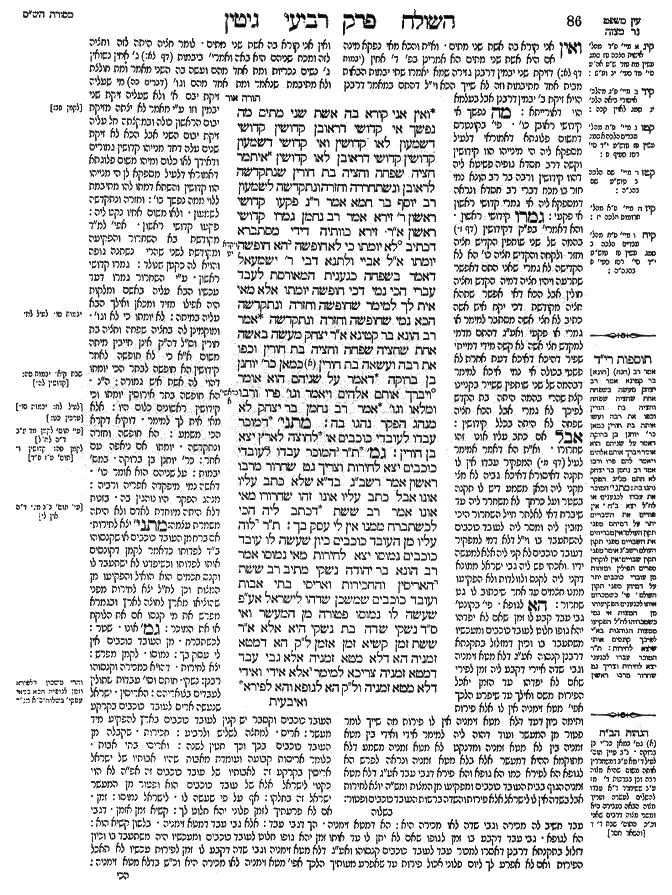
Gittin 43b - Guemara
ואין אני קורא בה אשת שני מתים מה נפשך אי קדושי דראובן קדושין קדושי דשמעון לאו קדושין ואי קדושי דשמעון קדושין קדושי דראובן לאו קדושין איתמר חציה שפחה וחציה בת חורין שנתקדשה לראובן ונשתחררה וחזרה ונתקדשה לשמעון רב יוסף בר חמא אמר ר"נ פקעו קדושי ראשון ר' זירא אמר רב נחמן גמרו קדושי ראשון א"ר זירא כוותיה דידי מסתברא דכתיב (ויקרא יט, כ) לא יומתו כי לא חופשה הא חופשה יומתו א"ל אביי ולתנא דבי ר' ישמעאל דאמר בשפחה כנענית המאורסת לעבד עברי הכי נמי דכי חופשה יומתו אלא מאי אית לך למימר שחופשה וחזרה ונתקדשה הכא נמי שחופשה וחזרה ונתקדשה אמר רב הונא בר קטינא א"ר יצחק מעשה באשה אחת שחציה שפחה וחציה בת חורין וכפו את רבה ועשאה בת חורין כמאן כר' יוחנן בן ברוקה דאמר על שניהם הוא אומר (בראשית א, כח) ויברך אותם אלהים ויאמר וגו' פרו ורבו ומלאו וגו' אמר רב נחמן בר יצחק לא מנהג הפקר נהגו בה:
מתני׳ המוכר עבדו לעובדי כוכבים או לחוצה לארץ יצא בן חורין:
גמ׳ ת"ר המוכר עבדו לעובדי כוכבים יצא לחירות וצריך גט שחרור מרבו ראשון אמר רשב"ג בד"א שלא כתב עליו אונו אבל כתב עליו אונו זהו שחרורו מאי אונו אמר רב ששת דכתב ליה הכי לכשתברח ממנו אין לי עסק בך:
ת"ר לוה עליו מן העובד כוכבים כיון שעשה לו עובד כוכבים נמוסו יצא לחירות מאי נמוסו אמר רב הונא בר יהודה נשקי מתיב רב ששת האריסין והחכירות ואריסי בתי אבות ועובד כוכבים שמשכן שדהו לישראל אע"פ שעשה לו נמוסו פטורה מן המעשר ואי ס"ד נשקי שדה בת נשקי היא אלא א"ר ששת זמן קשיא זמן אזמן ל"ק הא דמטא זמניה הא דלא מטא זמניה אלא גבי עבד דמטא זמניה צריכא למימר אלא אידי ואידי דלא מטא זמניה ול"ק הא לגופא והא לפירא
Comments from Rashi on Masechet Gittin Page 43b
ואין אני קורא בה אשת שני מתים . לומר חציה היתה לזה וחציה לזה ומכח שניהם היא באה ואמרי' ביבמות (דף לא:) ג' אחין נשואין ג' נשים נכריות ומת אחד מהם ועשה בה השני מאמר ומת חולצת ולא מתיבמת שנאמר ומת אחד מהם וגו' (דברים כה) מי שעליה זיקת יבם א' ולא שעליה זיקת שני יבמין וזו ע"י מאמר לא יצתה מזיקת יבום הראשון כולה ובמקצתה חל עליה זיקת יבום השני אבל הכא לא זיקת שנים עלה דחד מנייהו קדושין גמורים ודאידך לאו כלום ומיהו משום פלוגתא דאמוראי דלעיל מספקא לן הי מנייהו הוו קדושין והשתא דמתו להו מתיבמת ללוי ממה נפשך כו': וחזרה ונתקדשה לשמעון . ולאו משום אחיו נקט ליה: פקעו קדושי ראשון . אפי' למ"ד מקודשת בא השחרור והפקיעה ומקודשת לשני שהרי נשתנה גופה והויא לה כקטן שנולד: גמרו קדושי ראשון . ע"י השחרור גמרו דעד עכשיו הבא עליה באשם ומלקות היה אפילו מזיד ומכאן ואילך הבא עליה במיתה: לא יומתו כי לא וגו' . ומוקמינן לה בחציה שפחה וחציה בת חורין וס"ל דה"ק אינן חייבין מיתה משום א"א כי לא חופשה לאחר קידושין הא חופשה לבתר הכי יומתו דהוי לה אשת איש גמורה: ה"נ . הא חופשה בתר אירוסין יומתו וכי קידושין ראשונים כלום היו: אלא מאי אית לך למימר . דוקיא דקרא הכי משמע: הא חופשה וחזרה ונתקדשה . יומתו אם ניאפה עם אחר: כר' יוחנן בן ברוקה . במס' יבמות: על שניהם הוא אומר כו' . דאשה נמי מיפקדה אפריה ורביה: מנהג הפקר היו נוהגין בה . בזנות דלא היתה מיוחדת לאדם ולא היתה משמרת עצמה: מתני' יצא לחירות . אם ברח מן העובד כוכבים או שקנסוהו ב"ד לפדותו כדאמר לקמן דקונסים אותו לפדותו וכשיפדנו לא ישתעבד לו וקנס חכמים הוא הואיל והפקיעו מן המצות וכן לח"ל יצא לחירות מפני שהוציאו מארץ לחוצה לארץ ובגמרא מפרש את מי קנסו אם את הלוקח או את המוכר: גמ' אינו . שטר: לכשתברח . מן העובד כוכבים אין לי עסק בך: נמוסו . לקמן מפרש: יצא לחירות . דהויא כמכירה וקנסוהו רבנן: נשקי . חותם וסי' עבדות שתולין לעבדים בצואריהם: האריסין . ישראל שנעשה אריס לעובד כוכבים בקרקע העובד כוכבים וקסבר יש קנין לעובד כוכבים בארץ להפקיע מיד מעשר: אריס . למחצה לשליש ולרביע: חכירות . שקבלה מן העובד כוכבים בכך וכך חטין לשנה: ואריסי בתי אבות . כלומר אריסות קבועה ועומדת מאבות שהיו אבותיו של ישראל אריסין בקרקע זה לאבותיו של עובד כוכבים זה אפ"ה לא הוי כקנוי לישראל אלא של עובד כוכבים הוא ופטור מן המעשר ישראל זה בחלקו: אף על פי שעשה לו . לישראל נמוסו: זמן . אם לא פרעתיך לזמן פלוני יהא חלוט לך: קשיא זמן אזמן . דגבי עבד חשיב לה מכירה וגבי שדה לאו מכירה היא: הא דמטא זימניה . הך דגבי עבד: אלא גבי עבד דמטא זימניה . בלשון קשיא הוא: הא לגופא . גבי עבד דקבע בו זמן לגופו שאם לא יתן לו עד אותו זמן יהא גופו חלוט לעובד כוכבים ומעכשיו היה משתעבד בו וכיון דזלזל בתקנתא דרבנן דאסרו למכור עבד לעובד כוכבים קנסוהו ואע"ג דלא מטא זימניה וגבי שדה דקבע לו זמן לפירות עכשיו לא תאכל הפירות ואם לא אפרע לך ליום פלוני אכול פירות עד שאפרע מעותיך הלכך אפי' מטא זימניה לאו מכירה היא וכ"ש בדלא מטא זימניה:
Comments from Tosafot - Gittin 43b
ואין אני קורא בה אשת שני מתים . וא"ת והכא מאי נפקא מינה אם היא אשת שני מתים הא אמרינן בפ' ד' אחין (יבמות דף לא:) דזיקת שני יבמין דרבנן גזירה שמא יאמרו שתי יבמות הבאות מבית אחד מתיבמות וזה לא שייך הכא וי"ל דהתם במאמר דרבנן הויא זיקת ב' יבמין דרבנן אבל בעלמא הוי דאורייתא: מה נפשך אי קידושי ראובן כו' . פי' בקונטרס דמשום פלוגתא דאמוראי דלעיל מספקא ליה הי מינייהו הוו קידושין וקשה דרב חסדא גופיה פשיטא ליה דהוו קידושין ורבה בר רב הונא נמי חזר בו מכח דברי רב חסדא ונראה דמספקא ליה אי גמרי קדושי ראשון אי פקעי: גמרו קידושי ראשון . והא דאמרי' בפ"ק דקידושין (דף ז.) בהמה של שני שותפין הקדיש חציה וחזר ולקחה והקדיש חציה כו' הא לא הקדישה לא גמרי שאני התם דאפשר שתרעה ויהיו חציה דמיה הקדש וחציה חולין אבל הכא דאי אפשר שתהא חציה מקודשת דכי יקח איש אשה כתיב לא חצי אשה מסתבר למימר או גמרי או פקעי ואע"ג דהתם מדמי למקדש חצי אשה לא קשה מידי דמייתי שפיר דהיכא דאיכא דעת אחרת לא פשטי בכולה אי נמי איכא למימר דבהמה של שני שותפין ששייר בקניינו קצת שהרי בהמה היתה בת הקדש לפיכך לא גמרי אבל הכא חציה שפחה לא היתה בכלל קידושין: אבל אם כתב עליו אונו זהו שחרורו . וא"ת הא דאמר אמימר לעיל (גיטין דף מ.) המפקיר עבדו אין לו תקנה דאיסורא דאיכא גביה לא מצי מקני ליה וכאן משמע דיש לו תקנה בשטר ועל כרחך לא משחרר ליה עד שיברח דאי לאלתר חייל השחרור היכי מזבין ליה ומסר ליה לעובד כוכבים להשתעבד בו וי"ל דלא דמי למפקיר דעובד כוכבים לא קני ליה אלא למעשה ידיו ואכתי פש ליה גבי ישראל ממונא דקני ליה לקנס ולוולדות ולא הפקיעו ממנו חכמים עד אחר שיכתוב לו גט שחרור: הא לגופא . פי' בקונט' גבי עבד קבע לו זמן שאם לא יפדהו יהא גופו חלוט לעובד כוכבים ומעכשיו משתעבד בו וכיון דמזלזל בתקנתא דרבנן קנסוה אע"ג דלא מטא זימניה וגבי שדה איירי דקבע ליה זמן לפירי שאם לא יפדהו עד הזמן יאכל הפירות משם ואילך עד שיפרע הלכך אפי' מטא זימניה אין לו אלא פירות ותימה כיון דעד דלא מטא זימניה אין לו פירות מה שייך לומר פטור מן המעשר ועוד דהוה ליה למימר אידי ואידי בין מטא זמניה בין לא מטא זמניה ומדנקט לא מטא זמניה משמע דלא מתוקמא ההיא דמעשר אלא בלא מטא זמניה ונראה לפרש הא לגופא הא לפירא כמו הא גופא והא פירא דגבי עבד אע"ג דלא מטא זמניה הגוף בבית העובד כוכבים ומפקיעו מן המצות ומש"ה יוצא לחירות אבל בשדה אין לו לישראל אלא פירות והשדה ברשות העובד כוכבים ופטור:
Gittin 43b - Mishnah translated into english
and I do not declare her to be the wife of two dead men. The halakha is that a yevama whose requirement for levirate marriage results from marriage to two brothers does not enter into levirate marriage at all. Here, that halakha does not apply, as whichever way you look at it, she was not married to two brothers: If Reuven’s betrothal was a valid betrothal, then Shimon’s betrothal was not a valid betrothal, and she is only Reuven’s widow. And if Shimon’s betrothal was a valid betrothal, it could only be that Reuven’s betrothal was not a valid betrothal. Either way, she had been married to only one of the brothers, and therefore she enters into levirate marriage with the third.
It was stated: If there was a half-maidservant half-free woman who was betrothed to Reuven, and afterward she was emancipated entirely, and she went back and was betrothed to Shimon, who in this case was not the brother of Reuven, then Rav Yosef bar Ḥama says that Rav Naḥman says: Through her emancipation the first betrothal was entirely abrogated, and the second betrothal takes effect. Rabbi Zeira says that Rav Naḥman says: The first betrothal was completed. Reuven’s betrothal took effect immediately once she was emancipated. Consequently, Shimon’s betrothal did not take effect at all.
Rabbi Zeira says: It stands to reason in accordance with my opinion, as it is written with regard to one who engages in sexual intercourse with a designated maidservant: “They shall not be put to death, because she was not free” (Leviticus 19:20), and one can infer: But if she was free, then they will be put to death, because she is a married woman. This teaches that her betrothal is complete once she is emancipated.
Abaye said to him: And according to the tanna of the school of Rabbi Yishmael, who says: It is referring to a Canaanite maidservant betrothed to a Hebrew slave, so too, will you say that when she is free they are put to death? Once she is free, her betrothal to a Hebrew slave certainly is abrogated. Rather, what have you to say in order to understand the inference from the verse according to Rabbi Yishmael? That is a case where she was free, and she then went back and was betrothed. Here too, even if the verse is discussing a half-maidservant half-free woman, they will be put to death only in a case where she was free and she then went back and was betrothed, but the emancipation itself does not complete her earlier betrothal.
§ Rav Huna bar Ketina says that Rabbi Yitzḥak says: An incident occurred involving one woman who was a half-maidservant half-free woman, and they forced her master to emancipate her, and he made her a free woman. The Gemara asks: In accordance with whose opinion is it? Is it in accordance with the opinion of Rabbi Yoḥanan ben Beroka, who says: For both Adam and Eve the verse states: “And God blessed them, and God said to them: Be fruitful, and multiply, and replenish the earth and subdue it” (Genesis 1:28), indicating that the mitzva to procreate is incumbent upon women as well, and therefore a half-maidservant half-free woman must be freed to enable her to procreate?
Rav Naḥman bar Yitzḥak said: No, it need not be in accordance with the opinion of Rabbi Yoḥanan ben Beroka, as the reason that he was forced to emancipate her was because she was unable to marry, and other men took liberties with her, i.e., engaged in intercourse with her. Consequently, the court forced her master to emancipate her so that she could marry.
MISHNA: In a case of one who sells his slave to gentiles, or even to a Jew outside of Eretz Yisrael, the slave is emancipated. Since the slave, who is partially obligated in the fulfillment of mitzvot, would be restricted in his ability to fulfill them in his new situation, either because he would be under the authority of a gentile or because he will no longer be in Eretz Yisrael, the Sages penalized his original owner that he should become a freeman, so that if he succeeds in escaping his new owner, he is a full-fledged freeman.
GEMARA: The Sages taught (Tosefta, Avoda Zara 3:16): In a case of one who sells his slave to gentiles, the slave is emancipated, but nevertheless requires a bill of manumission from his first master. Rabban Shimon ben Gamliel said: In what case is this statement said? When the master did not write a document for him, but if he wrote a document for him, then this is his emancipation and he does not require a bill of manumission.
The Gemara asks: What is the nature of this document? Rav Sheshet said: He writes to him like this: When you will escape from the gentile, I have no business with you. Even though this is not an explicit bill of manumission, it is sufficient for him to be considered a freeman.
§ The Sages taught: If he borrows from a gentile on the basis of the slave, i.e., using the slave as collateral so that the creditor can collect the slave in payment of the debt in the event that the debtor defaults, then once the gentile behaves with the slave according to his law [nimmuso], the slave is emancipated, just like a slave who is sold to a gentile. The Gemara asks: What is defined as: His law? The Gemara answers: Rav Huna bar Yehuda said: He places a seal [nashkei] upon him.
Rav Sheshet raises an objection to this based on a baraita (Tosefta, Terumot 2:11): If there was a field owned by a gentile, but there were Jewish sharecroppers, or Jewish tenant farmers, or Jewish family sharecroppers, i.e., an entire family of sharecroppers who work a field generation after generation; or in the case of a gentile who mortgaged his field to a Jew, then even though the gentile acted for the Jew based on his, the Jew’s, law, the field is exempt from tithes, because the field belongs to a gentile. It is not considered as if it were transferred to the Jew.
And if it enters your mind that the phrase: His law, means a seal, is a field able to be sealed? Rather, Rav Sheshet says: The expression: He acted for him based on his law, means time. In other words, a deadline was set and if the debt was not paid by the given date the slave would automatically be transferred to the possession of the gentile.
The Gemara asks: If that is so, there is a difficulty with regard to the issue of time in the case of the slave and the issue of time in the case of the field. In the case of the slave the halakha is that after the set time, he leaves the debtor’s authority and is emancipated, while in the case of the field its produce does not become obligated to be tithed like the produce of a Jew’s field after that set time. The Gemara answers: This is not difficult, since the following distinction can be made: This, the case of the slave who is emancipated, is referring to when his time to be transferred has arrived, and this, the case of the field, is referring to where its time to be transferred has not yet arrived.
The Gemara asks: But with regard to a slave whose time to be transferred has arrived, does it need to be said that he is emancipated? Isn’t it obvious that once he is transferred to the authority of the gentile, he is emancipated, just as in the case of a sale? Rather, the Gemara offers a different explanation: This case and that case are referring to when his time to be transferred has not yet arrived, and it is not difficult: This, the case of the slave who is emancipated, is with regard to the slave himself, as the slave himself is to be transferred to the gentile, and that case is with regard to the produce. In other words, the Jewish creditor has the rights to the produce of the field, but he does not take possession of the actual field. Therefore, it remains exempt from tithes.
Traduction : The William Davidson digital edition of the Koren Noé Talmud, with commentary by Rabbi Adin Even-Israel Steinsaltz.