 Talmud Bavli
The learning on the whole site is dedicated : L'ilui Nishmat Yechayahou ben Moche
The learning on the whole site is dedicated : L'ilui Nishmat Chemouel Eliezer ben Batcheva
The learning on the whole site is dedicated : L'ilui Nishmat אליעזר בן רחל
Yoma 9b : Youtube
Daf TubeYoutube
3 video classes :
Yoma Page 9b
Yoma 9b - Guemara
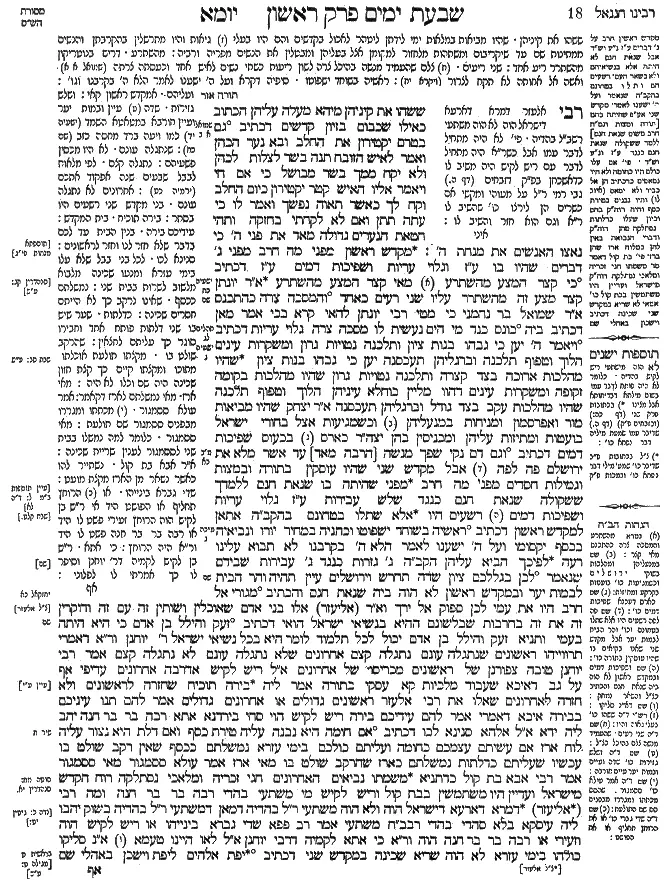
ששהו את קיניהן מיהא מעלה עליהן הכתוב כאילו שכבום בזיון קדשים דכתיב (שמואל א ב, טו) גם בטרם יקטירון את החלב ובא נער הכהן ואמר לאיש הזובח תנה בשר לצלות לכהן ולא יקח ממך בשר מבושל כי אם חי ויאמר אליו האיש קטר יקטירון כיום החלב וקח לך כאשר תאוה נפשך ואמר לו כי עתה תתן ואם לא לקחתי בחזקה ותהי חטאת הנערים גדולה מאד את פני ה' כי נאצו האנשים את מנחת ה' מקדש ראשון מפני מה חרב מפני ג' דברים שהיו בו ע"ז וגלוי עריות ושפיכות דמים ע"ז דכתיב (ישעיהו כח, כ) כי קצר המצע מהשתרע מאי קצר המצע מהשתרע א"ר יונתן קצר מצע זה מהשתרר עליו שני רעים כאחד (ישעיהו כח, כ) והמסכה צרה כהתכנס א"ר שמואל בר נחמני כי מטי רבי יונתן להאי קרא בכי אמר מאן דכתיב ביה (תהלים לג, ז) כונס כנד מי הים נעשית לו מסכה צרה גלוי עריות דכתיב (ישעיהו ג, טז) ויאמר ה' יען כי גבהו בנות ציון ותלכנה נטויות גרון ומשקרות עינים הלוך וטפוף תלכנה וברגליהן תעכסנה יען כי גבהו בנות ציון שהיו מהלכות ארוכה בצד קצרה ותלכנה נטויות גרון שהיו מהלכות בקומה זקופה ומשקרות עינים דהוו מליין כוחלא עיניהן הלוך וטפוף תלכנה שהיו מהלכות עקב בצד גודל וברגליהן תעכסנה א"ר יצחק שהיו מביאות מור ואפרסמון ומניחות במנעליהן וכשמגיעות אצל בחורי ישראל בועטות ומתיזות עליהן ומכניסין בהן יצה"ר כארס בכעוס שפיכות דמים דכתיב (מלכים ב כא, טז) וגם דם נקי שפך מנשה [הרבה מאד] עד אשר מלא את ירושלם פה לפה אבל מקדש שני שהיו עוסקין בתורה ובמצות וגמילות חסדים מפני מה חרב מפני שהיתה בו שנאת חנם ללמדך ששקולה שנאת חנם כנגד שלש עבירות ע"ז גלוי עריות ושפיכות דמים רשעים היו אלא שתלו בטחונם בהקב"ה אתאן למקדש ראשון דכתיב (מיכה ג, יא) ראשיה בשוחד ישפוטו וכהניה במחיר יורו ונביאיה בכסף יקסומו ועל ה' ישענו לאמר הלא ה' בקרבנו לא תבוא עלינו רעה לפיכך הביא עליהן הקב"ה ג' גזרות כנגד ג' עבירות שבידם שנאמר (מיכה ג, יב) לכן בגללכם ציון שדה תחרש וירושלים עיין תהיה והר הבית לבמות יער ובמקדש ראשון לא הוה ביה שנאת חנם והכתיב (יחזקאל כא, יז) מגורי אל חרב היו את עמי לכן ספוק אל ירך וא"ר (אליעזר) אלו בני אדם שאוכלין ושותין זה עם זה ודוקרין זה את זה בחרבות שבלשונם ההיא בנשיאי ישראל הואי דכתיב (יחזקאל כא, יז) זעק והילל בן אדם כי היא היתה בעמי ותניא זעק והילל בן אדם יכול לכל תלמוד לומר היא בכל נשיאי ישראל ר' יוחנן ור"א דאמרי תרווייהו ראשונים שנתגלה עונם נתגלה קצם אחרונים שלא נתגלה עונם לא נתגלה קצם אמר רבי יוחנן טובה צפורנן של ראשונים מכריסו של אחרונים א"ל ריש לקיש אדרבה אחרונים עדיפי אף על גב דאיכא שעבוד מלכיות קא עסקי בתורה אמר ליה בירה תוכיח שחזרה לראשונים ולא חזרה לאחרונים שאלו את רבי אלעזר ראשונים גדולים או אחרונים גדולים אמר להם תנו עיניכם בבירה איכא דאמרי אמר להם עידיכם בירה ריש לקיש הוי סחי בירדנא אתא רבה בר בר חנה יהב ליה ידא א"ל אלהא סנינא לכו דכתיב (שיר השירים ח, ט) אם חומה היא נבנה עליה טירת כסף ואם דלת היא נצור עליה לוח ארז אם עשיתם עצמכם כחומה ועליתם כולכם בימי עזרא נמשלתם ככסף שאין רקב שולט בו עכשיו שעליתם כדלתות נמשלתם כארז שהרקב שולט בו מאי ארז אמר עולא ססמגור מאי ססמגור אמר רבי אבא בת קול כדתניא משמתו נביאים האחרונים חגי זכריה ומלאכי נסתלקה רוח הקדש מישראל ועדיין היו משתמשין בבת קול וריש לקיש מי משתעי בהדי רבה בר בר חנה ומה רבי (אליעזר) דמרא דארעא דישראל הוה ולא הוה משתעי ר"ל בהדיה דמאן דמשתעי ר"ל בהדיה בשוק יהבו ליה עיסקא בלא סהדי בהדי רבב"ח משתעי אמר רב פפא שדי גברא בינייהו או ריש לקיש הוה וזעירי או רבה בר בר חנה הוה ור"א כי אתא לקמיה דרבי יוחנן א"ל לאו היינו טעמא א"נ סליקו כולהו בימי עזרא לא הוה שריא שכינה במקדש שני דכתיב (בראשית ט, כז) יפת אלהים ליפת וישכן באהלי שם
Comments from Rashi on Masechet Yoma Page 9b
ששהו את קיניהן . שהיו מביאות במלאות ימי לידתן ליטהר לאכול בקדשים והם היו בעלי גיאות והיו מתרשלין בהקרבתן והנשים ממתינות שם עד שיקריבום ומשתהות מלחזור למקומן אצל בעליהן ומבטלין את הנשים מפריה ורביה: מהשתרע . דריש בנוטריקון מהשתרר ריע אחד: שני ריעים . צלם שהעמיד מנשה בהיכל צרה לשון ריעות כשתי נשים לאיש אחד וכעסתה צרתה (שמואל א א) ואשה אל אחותה לא תקח לצרור (ויקרא יח): ועליהם . אמקדש ראשון קאי: ראשיה בשוחד ישפוטו . סיפה דקרא ועל ה' ישענו לאמר הלא ה' בקרבנו וגו': ושלש גזירות . שדה עיין ובמות יער ועיין חורבא במטאטא השמד (ישעיהו ד) כמו ויעה ברד מחסה כזב (שם כח): שנתגלה עונם . לא היו מכסין פשעיהם: נתגלה קצם . לפי מלאות לבבל שבעים שנה אפקוד אתכם (ירמיהו כט): אחרונים לא נתגלה עונם . בני מקדש שני רשעים היו בסתר: בירה תוכיח . בית המקדש: עידיכם בירה . בנין הבית עד לכם בדבר שלא חזר לנו וחזר לראשונים: סנינא לכו . לכל בני בבל שלא עלו בימי עזרא ומנעו שכינה מלבוא מלשוב לשרות בבית שני: נמשלתם ככסף . שאינו נרקב כך לא הייתם חסרים שכינה: כדלתות . שער שיש בו שני דלתות פותח אחד וחבירו סוגר כך עליתם לחצאין: שהרקב שולט בו . מקצתו תולעת אוכלתו מתוכו ומקצתו קיים כך קצת חזון שכינה היה שם וכלו לא היה: מאי ארז . מאי נמשלתם לארז דקאמר: אמר עולא ססמגור . מכתתו ומגררו מבפנים ססמגור שם תולעת: מאי ססמגור . כלומר למה נמשלו בבית שני לססמגור לענין שריית שכינה: א"ר אבא בת קול . נשתייר להו כאשר נשאר מן הארז מקצת מועט: שדי גברא בינייהו . או הרוחץ תחליף או הפושט היד אי ר"ש בן לקיש הוה הרוחץ זעירי פשט לו היד או רבה בר בר חנה פשט לו היד ור"א היה הרוחץ: כי אתא . ר"ש בן לקיש לקמיה דר' יוחנן וסיפר לו כך אמרתי לו לפלוני:
Comments from Tosafot - Yoma 9b
רבי אלעזר דמרא דארעא דישראל הוה לא הוה משתעי רשב"ל בהדיה . פי' לא היה מתחיל לדבר עמו אבל כשר"א היה מתחיל לדבר עם ריש לקיש היה משיב לו כדאשכחן בפ"ק דזבחים (דף ה.) גבי רמי ר"ל על מעוהי ומקשי אם כשרים הן לירצו כו' שהשיב לו ר"א וגם הוא חזר והשיב לו:
Yoma 9b - Mishnah translated into english
that they deferred the sacrifice of their bird-offerings by women after childbirth; nevertheless, the verse ascribes to them as if they lay with them. These women came to the Tabernacle to sacrifice doves or pigeons as bird-offerings as part of their purification process, which would permit them to engage in sexual relations with their husbands. Eli’s sons delayed the sacrifice of these offerings and thereby delayed the return of these women to their husbands and their fulfillment of the mitzva of procreation. Even though, according to this opinion, Eli’s sons did not actually engage in sexual relations with these women, the verse attributes that degree of severity to their conduct.
Eli’s sons also sinned in the degradation of consecrated items, as it is written: “Before the fat was made burned, the priest’s servant came and said to the man who sacrificed: Hand over some flesh to roast for the priest, for he will not take cooked flesh from you, but raw. And if the man said to him: Let the fat be burnt first and then take as much as you want, then he would say: No, hand it over right now, or I will take it by force. The sin of the young men against the Lord was very great, for the men treated the Lord’s offerings with contempt” (I Samuel 2:15–17).
§ The Tosefta continues with a discussion of the sins of the Jewish people over the generations: Due to what reason was the First Temple destroyed? It was destroyed due to the fact that there were three matters that existed in the First Temple: Idol worship, forbidden sexual relations, and bloodshed. Idol worship, as it is written: “The bed is too short for stretching [mehistare’a], and the cover is too narrow for gathering” (Isaiah 28:20).
What is the meaning of: “The bed is too short for stretching?” Rabbi Yonatan said: This bed is too short for two counterparts [re’im] to dominate [mehistarer]. Mehistare’a is a contraction of mehistarer re’im. It is inconceivable that there would be in one Temple both service of God and worship of the idol placed there by King Manasseh.
What is the meaning of: And the cover [vehamasseikha] is too narrow [tzara] for gathering [kehitkannes]? Rabbi Shmuel bar Naḥmani said that when Rabbi Yonatan reached this verse, he wept and said: For He about Whom it is written: “He gathers [kones] waters of the sea together as a heap” (Psalms 33:7), the idol [masseikha] became a rival [tzara]? In the homiletic interpretation, masseikha is interpreted as idol and tzara is interpreted as rival, as in the term used to describe the relationship between two women married to the same husband, isha tzara.
With regard to forbidden sexual relations, it is written: “The Lord says because the daughters of Zion are haughty and walk with outstretched necks and wanton eyes, walking and mincing as they go and making a tinkling with their feet” (Isaiah 3:16).
Because the daughters of Zion are haughty, indicates a tall woman walking alongside a short one so that the tall woman would stand out.
And walk with outstretched necks, indicates that they would walk with upright stature and carry themselves in an immodest way.
And wanton eyes, indicates that they would fill their eyes with blue eye shadow in order to draw attention to their eyes.
Walking and mincing as they go, indicates that they would walk in small steps, heel to toe, so onlookers would notice them.
Making a tinkling [te’akasna] with their feet, Rabbi Yitzḥak said: This teaches that they would bring myrrh and balsam and place them in their shoes and would walk in the marketplaces of Jerusalem. And once they approached a place where young Jewish men were congregated, they would stamp their feet on the ground and splash the perfume toward them and instill the evil inclination into them like venom of a viper [ke’eres bikhos].
With regard to bloodshed it is written: “Moreover, Manasseh shed innocent blood very much, until he had filled Jerusalem from one end to another” (II Kings 21:16).
However, considering that the people during the Second Temple period were engaged in Torah study, observance of mitzvot, and acts of kindness, and that they did not perform the sinful acts that were performed in the First Temple, why was the Second Temple destroyed? It was destroyed due to the fact that there was wanton hatred during that period. This comes to teach you that the sin of wanton hatred is equivalent to the three severe transgressions: Idol worship, forbidden sexual relations and bloodshed.
The Gemara continues: They were wicked; however, they put their faith in the Holy One, Blessed be He. With that statement we have come to the First Temple era, about which it is written: “Her chiefs judge for bribes, her priests give rulings for a fee, and her prophets divine for pay; yet they rely on the Lord, saying: The Lord is in our midst, no tragedy will overtake us” (Micah 3:11). At least the final portion of the verse was to their credit. Therefore, the Holy One, Blessed be He, brought upon them three decrees corresponding to their three wicked sins, as it is stated: “Therefore, due to you Zion will be plowed as a field, Jerusalem will become heaps of ruins, and the Temple Mount will be a like a shrine in the woods” (Micah 3:12).
The Gemara asks: And in the First Temple era was there really no baseless hatred? Isn’t it written: “Cry and wail, son of man, for this will befall my people, this will befall all the princes of Israel: They will be cast before the sword together with my people, therefore strike the thigh” (Ezekiel 21:17)? Rabbi Eliezer interpreted this verse and said: These are people who eat and drink with each other, and stab each other with verbal barbs. Apparently, even those who were close were filled with hatred toward one another.
The Gemara answers: That behavior was found only among the princes of Israel, as it is written: “Cry and wail, son of man, for this will befall my people”; and it was taught in a baraita: “Cry and wail, son of man, for this will befall my people”; one might have thought that this unsavory trait was common to all. Therefore, the verse states: “This will befall all the princes of Israel.” It was only the leaders of the nation who harbored baseless hatred for each other; the people of the nation as a whole did not hate one another.
§ It was Rabbi Yoḥanan and Rabbi Elazar who both said: In the case of the former, the people in the First Temple era, whose sin was exposed and no attempt was made to disguise their conduct, the end of their punishment was exposed, and the prophet informed them that they would return to their land in seventy years. In the case of the latter, the people in the Second Temple era, whose sin was not exposed; rather, they attempted to disguise their conduct, the end of their punishment was not exposed.
Rabbi Yoḥanan said: The fingernails of the former are preferable to the belly of the latter. Reish Lakish said to him: On the contrary, the latter were superior; even though there is subjugation by the kingdoms, they are engaged in Torah study. Rabbi Yoḥanan said to Reish Lakish: The Temple will prove that the former were superior, as it was restored to the former. The Second Temple was constructed after the destruction of the first. However, after the destruction of the Second Temple, it was not restored to the latter. Apparently, the former were superior to the latter.
Similarly, the Sages asked Rabbi Elazar: Are the former greater or are the latter greater? He said to them: Look to the Temple and see if it has been restored, as it was to our predecessors. Some say the exchange was slightly different: He said to them: The Temple is your witness. The restoration of the Temple after the destruction of the First Temple, attests to the fact that the former generation was greater.
Reish Lakish was swimming in the Jordan River when Rabba bar bar Ḥana came and gave him a hand to help him out. Reish Lakish said to him: My God! I hate you Babylonians, as it is written: “If she be a wall we will build a silver turret upon her, if she be a door we will cover her with boards of cedar” (Song of Songs 8:9). This is the meaning of the verse as it applies to the Jewish people: Had you rendered yourselves a solid bloc like a wall and all ascended to Eretz Yisrael in the days of Ezra, you would have been likened to silver, which rot does not infest, in the sense that you would have merited experiencing the Divine Presence in all its glory. Now that you ascended like doors, and only some of you came to Eretz Yisrael, you are likened to cedar, which rot infests, and you merit experiencing only partial revelation of the Divine Presence.
The Gemara asks: What rot infests cedar? Ulla said: It is sasmagor, a type of worm. The Gemara asks: What does sasmagor have to do with the Divine Presence during the Second Temple era? Rabbi Abba said: Just as little remains from a cedar tree infested by this worm, similarly, all that remained from the Divine Presence during the Second Temple period was a Divine Voice, as it was taught in a baraita: After the last prophets Haggai, Zechariah, and Malachi died, the Divine Spirit of prophetic revelation departed from the Jewish people, and they were still utilizing a Divine Voice, which they heard as an echo of prophecy.
The Gemara asks: And would Reish Lakish speak with Rabba bar bar Ḥana in public? Just as Rabbi Elazar, who was the master of Eretz Yisrael in wisdom and character, and nevertheless, Reish Lakish would not speak with him in public, as Reish Lakish was sparing in his speech and extended friendship to only a select few prominent, righteous people, to the extent that a person to whom Reish Lakish was seen speaking in the marketplace, one would give him a loan and do business with him without witnesses; would he have spoken with Rabba bar bar Ḥana?
Rav Pappa said: Cast a man between them, and say that the incident did not involve Reish Lakish and Rabba bar bar Ḥana. It was either Reish Lakish bathing in the river and Ze’iri, the prominent Babylonian Sage, who extended him a hand, or it was Rabba bar bar Ḥana who was in the river and Rabbi Elazar extended a hand to him. In any event, when the Sage who heard what Reish Lakish said came before Rabbi Yoḥanan and related it, Rabbi Yoḥanan said to him: That is not the reason; even had they all ascended in the days of Ezra, the Divine Presence would not have rested in the Second Temple, as it is written: “God will enlarge Japheth, and dwell in the tents of Shem” (Genesis 9:27).
Traduction : The William Davidson digital edition of the Koren Noé Talmud, with commentary by Rabbi Adin Even-Israel Steinsaltz.