 Talmud Bavli
The learning on the whole site is dedicated : L'ilui Nishmat Yaakov ben Myriam
The learning on the whole site is dedicated : L'ilui Nishmat Margalit bat Ledicia
The learning on the whole site is dedicated : L'ilui Nishmat Jacques Isaac Ben Amram Loubaton
Yoma 2b : Youtube
Daf TubeYoutube
3 video classes :
Yoma Page 2b
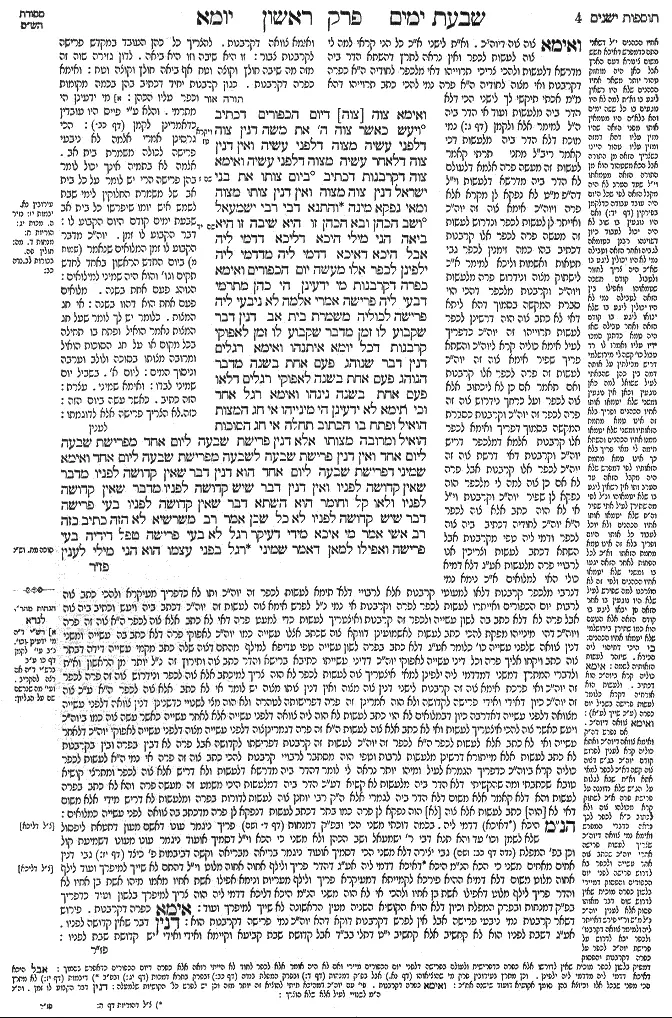
Yoma 2b - Guemara
ואימא צוה [צוה] דיום הכפורים דכתיב (ויקרא טז, לד) ויעש כאשר צוה ה' את משה דנין צוה דלפני עשיה מצוה דלפני עשיה ואין דנין צוה דלאחר עשיה מצוה דלפני עשיה ואימא צוה דקרבנות דכתיב (ויקרא ז, לח) ביום צותו את בני ישראל דנין צוה מצוה ואין דנין צותו מצוה ומאי נפקא מינה והתנא דבי רבי ישמעאל (ויקרא יד, לט) ושב הכהן ובא הכהן זו היא שיבה זו היא ביאה הני מילי היכא דליכא דדמי ליה אבל היכא דאיכא דדמי ליה מדדמי ליה ילפינן לכפר אלו מעשה יום הכפורים ואימא כפרה דקרבנות מי ידעינן הי כהן מתרמי דבעי ליה פרישה אמרי אלמה לא ניבעי ליה פרישה לכוליה משמרת בית אב דנין דבר שקבוע לו זמן מדבר שקבוע לו זמן לאפוקי קרבנות דכל יומא איתנהו ואימא רגלים דנין דבר שנוהג פעם אחת בשנה מדבר הנוהג פעם אחת בשנה לאפוקי רגלים דלאו פעם אחת בשנה נינהו ואימא רגל אחד וכי תימא לא ידעינן הי מינייהו אי חג המצות הואיל ופתח בו הכתוב תחלה אי חג הסוכות הואיל ומרובה מצותו אלא דנין פרישת שבעה ליום אחד מפרישת שבעה ליום אחד ואין דנין פרישת שבעה לשבעה מפרישת שבעה ליום אחד ואימא שמיני דפרישת שבעה ליום אחד הוא דנין דבר שאין קדושה לפניו מדבר שאין קדושה לפניו ואין דנין דבר שיש קדושה לפניו מדבר שאין קדושה לפניו ולאו קל וחומר הוא השתא דבר שאין קדושה לפניו בעי פרישה דבר שיש קדושה לפניו לא כל שכן אמר רב משרשיא לא הזה כתיב כזה רב אשי אמר מי איכא מידי דעיקר רגל לא בעי פרישה טפל דידיה בעי פרישה ואפילו למאן דאמר שמיני רגל בפני עצמו הוא הני מילי לענין
Comments from Rashi on Masechet Yoma Page 2b
דלפני עשייה . קיום המצוה: ואימא צוואה דקרבנות . להצריך כל כהן העובד במקדש פרישה לקרבנות ציבור: זו היא שיבה וזו היא ביאה . לדון גזירה שוה זה מזה מה שיבה חולץ וקוצה וטח אף ביאה חולץ וקוצה וטח: ואימא כפרה דקרבנות . כגון קרבנות יחיד דכתיב בהן בכמה מקומות וכפר עליו הכהן: מי ידעינן הי מתרמי . והלא ע"י פייס היו עובדין כדאמרינן לקמן (יומא דף כב.): הכי גרסינן אמרי אלמה לא ניבעי פרישה לכולה משמרת בית אב . אלמה לא בתמיה אינך יכול לומר בהן פרישה הרי יש לומר על כל בית אב של משמרת החלוקין לימי שבת לשמש איש יומו שיפרשו כל בית אב שבעת ימים קודם היום הקבוע לו: דבר הקבוע לו זמן . יוה"כ מדבר הקבוע לו זמן המילואים שנאמר (שמות מ) ביום החדש הראשון באחד לחדש תקים וגו' והוא היה שמיני למילואים: הנוהג פעם אחת בשנה . מילואים פעם אחת הוא דהוו בשנה: אי חג המצות . כלומר יש לך לומר שעל חג המצות נאמר הואיל ופתח בו תחילה בכל מקום או על חג הסוכות הואיל ומרובה מצותו בסוכה ולולב וערבה וניסוך המים: ליום א' . בשביל יום שמיני לבדו: ואימא שמיני . עצרת: הזה כתיב . כאשר עשה ביום הזה: כזה . לא הצריך פרישה אלא לדוגמתו:
Comments from Tosafot - Yoma 2b
ואימא צוה צוה דיוה"כ . וא"ת לישני א"כ כל הני קראי למה לי צוה לעשות לכפר ואין נראה לתרץ דהשתא הדר ביה מדרשא דלעשות ולהכי צריכי תרוייהו דאי מלכפר לחודיה ה"א כפרה דקרבנות ואי מצוה לחודיה ה"א פרה נמי להכי כתב תרוייהו דהא מ"מ אכתי תיקשי לך לישני הכי דלא הדר ביה מלעשות ועוד אי הדר ביה ה"ל למימר אלא ולקמן (יומא דף ג:) נמי מוכח דלא הדר ביה מלעשות דכי קאמר ריב"ל מתניתין תרתי קאמר לעשות זה מעשה פרה אלמא דלעולם לא הדר ביה מדרשא דלעשות וי"ל דה"פ מ"ט לא נפקא לן מקרא אלא פרה ויוה"כ אימא צוה זה יוה"כ ואייתר לן לעשות לכפר ונדרוש לעשות זה מעשה פרה לכפר אלו קרבנות דכתיב בהו כמה זימנין לכפר גבי חטאות ואשמות וליכא למימר א"כ לישתוק מצוה ונידרוש פרה מלעשות ויוה"כ וקרבנות מלכפר דהכי הוי סברת המקשה בסמוך דהא ליתא דאי לא כתב צוה הוה דרשינן לכפר לעשות תרוייהו זה יוה"כ כדפריך לעיל אימא כוליה קרא ליוה"כ והשתא פריך שפיר אימא צוה זה יוה"כ לעשות זה פרה לכפר אלו קרבנות ואם תאמר אם כן לא ליכתוב אלא צוה לכפר ועל כרחך נידרוש צוה זה פרה לכפר זה יוה"כ וקרבנות כסברת המקשה בסמוך דפריך ואימא לכפר אלו קרבנות אלמא דמלכפר דריש יוה"כ וקרבנות דאי דרשת צוה זה יוה"כ לכפר אלו קרבנות אבל פרה לא אם כן צוה למה לי מלכפר הוה נפקא לן שפיר יוה"כ וקרבנות וי"ל אי לא הוה כתב אלא צוה לכפר ה"א יוה"כ. לחודיה דכתיב ביה צוה לכפר ודמי ליה טפי מקרבנות אבל השתא דכתב לעשות וצריכין אנו לרבויי פרה מלעשות אע"ג דלא דמיא כולי האי למלואים א"כ נימא נמי דנרבי מלכפר קרבנות דלאו למעוטי קרבנות אלא לרבויי דלא תימא לעשות לכפר זה יוה"כ ותו לא כדפריך מעיקרא ולהכי כתב צוה לרבות. יום הכפורים ואייתרו לעשות לכפר לפרה וקרבנות אי נמי נ"ל לפרש אימא צוה לעשות זה יוה"כ דכתב ביה ויעש וכתיב ביה צוה אבל פרה לא דלא כתב בה לשון עשייה ולכפר זה קרבנות ואיצטריך לעשות כדי למעט פרה דאי לא כתב אלא צוה לכפר ה"א צוה זה פרה ויוה"כ דהי מינייהו מפקת להכי כתב לעשות לאשמועינן דווקא צוה שכתב אצלו עשייה כמו יוה"כ לאפוקי פרה דלא כתב בה עשייה ומשני דנין צוואה שלפני עשייה כו' כלומר אע"ג דלא כתב בפרה לשון עשייה טפי עדיפא למילף מהתם דצוה שלה כתב מקמי עשייה דידה דבתר צוה כתב ויקחו אליך פרה וכל דיני עשייה לאפוקי יוה"כ דדיני עשייתו כתיבא ברישא והדר כתב לוה ותירוץ זה נ"ל יותר מן הראשון וא"ת ולדברי המתרץ דמשני דמדדמי ליה ילפינן למאי איצטריך צוה לעשות לכפר לא הוה צריך למיכתב אלא צוה לכפר ונידרוש צוה זה פרה לכפר זה יוה"כ ואי פרכת אימא צוה זה קרבנות לישני דנין צוה מצוה ואין דנין צותו מצוה יש לומר אי לא כתב אלא צוה לכפר ה"א ע"כ צוה זה יוה"כ כיון דאידי ואידי פרישה לקדושה ולא הוה אמרינן זה פרה דפרישותה לטהרה ולא הוה מצי לשנויי כדשנינן דנין צוואה דלפני עשייה מצוואה דלפני עשייה דאדרבה כיון דבמלואים לא הוי כתב לעשות לא הוה ליה צוואה דלפני עשייה אלא לאחר עשייה כאשר עשה צוה כמו ביוה"כ ויעש כאשר צוה להכי איצטריך לעשות ואי לא כתב אלא צוה לעשות ה"א זה פרה דגמרינן צוה דלפני עשייה מצוה דלפני עשייה לאפוקי יוה"כ דלאחר עשייה ואי לא כתב אלא לעשות לכפר ה"א לכפר זה יוה"כ לעשות זה קרבנות דפרישתו לקדושה אבל פרה לא דבין בפרה ובין בקרבנות לא כתב לעשות אלא מייתורא דרשינן מלעשות לרבות וטפי הוה מסתבר לרבויי קרבנות להכי כתב צוה זה פרה אי נמי ה"א לעשות לכפר כוליה קרא ביוה"כ כדפריך הגמרא לעיל ומיהו יותר נראה לי לומר דהדר ביה מדרשא דלעשות ולא דריש אלא צוה לכפר ומתרצי קושיא טובא שכתבתי ומה שהקשיתי דלא הדר ביה מלעשות לא קשיא דע"כ הדר ביה דמלעשות היכי משמע זה מעשה פרה והא לא כתב בפרה לעשות והא דלא קאמר אלא משום דלא הדר ביה לגמרי אלא ה"ק רבי יוחנן צוה לעשות לדורות בפרה ומלעשות לא דריש מידי אלא משום דאי לא [הוה] כתב לעשות אלא צוה [לא] הוה נפקא לן פרה כמו בתר דכתב לעשות דנפקא לן פרה מדכתב בה צוואה לפני עשייה כמלואים: הנ"מ היכא (דאיכא) דדמי ליה . בכמה דוכתי משני הכי ובפ"ק דמנחות (דף ד. ושם) פריך ניגמר עונו דאשם מעון דחטאת ליפסול שלא לשמן וכו' עד והא תנא דבי ר' ישמעאל ושב הכהן ולא משני כי הכא וי"ל דסמיך אועוד ניגמר עונו מעונו דשמיעת קול וכן בפ' המפלת (נדה דף כב: ושם) גבי יצירה דלא משני הכי דסמיך אועוד ניגמר בריאה מבריאה וקשה דביבמות פ' כיצד (דף יז:) גבי דנין אחים מאחים משני כי הכא הנ"מ היכא דאיכא דדמי ליה אע"ג דהדר פריך ולילף אחוה אחוה מלוט וי"ל דהתם לא שייך למיפרך ועוד לילף אחוה מלוט משום דלא דמיא ההיא פירכא לקמייתא דמעיקרא פריך ולילף מעריות ונימא אפילו אשת אחיו מאמו מיהו אשת בן אחיו לא והדר פריך לילף מלוט דאפילו אשת בן אחיו ולהכי אי לא הוה משני הנ"מ היכא דליכא דדמי ליה הוה צריך למיפרך בלשון ועוד כדפריך בפ"ק דמנחות ובפרק המפלת וכיון דלא הויא הקושיא השניה מעין הראשונה לא שייך למיפרך ועוד: אימא כפרה דקרבנות . פירוש דשאר קרבנות נמי ניבעי פרישה אבל אין לפרש דקרבנות דוקא דהא יוה"כ נמי פרישה דקרבנות הוא: דנין דבר שאין קדושה לפניו . אע"ג דשבת לפניו הוא לא קחשיב אלא קחשיב י"ט דתלי בב"ד אבל קדושת שבת קביעא וקיימא ואידי ואידי יש קדושת שבת לפניו:
Yoma 2b - Mishnah translated into english
The Gemara asks: And say that there is indeed a verbal analogy; however, it is not between the red heifer and the inauguration of the priests, but between the term commanded in the context of the inauguration and the term commanded in the context of Yom Kippur, as it is written: “And this will be an everlasting statute for you, to atone for the children of Israel for all their sins once a year; and he did as the Lord commanded Moses” (Leviticus 16:34). In that case, only the sequestering prior to Yom Kippur can be derived. The Gemara rejects this, as a verbal analogy is derived only between functionally similar phrases. One derives commanded that is stated before performance, as in the portion of the heifer, from commanded that is stated before performance in the portion of the inauguration; and one does not derive commanded that is stated after performance in the portion of Yom Kippur from commanded that is stated before performance.
Again the Gemara asks: And say that there is a verbal analogy between the term commanded in the context of the inauguration and the term commanded with regard to offerings, as it is written: “On the day that He commanded [tzavoto] the children of Israel to sacrifice their offerings” (Leviticus 7:38). The result would be that any priest sacrificing a communal offering would require sequestering for seven days. The Gemara rejects this: One derives the term commanded from the identical term commanded, and one does not derive the term that he commanded [tzavoto] from the term commanded [tziva].
The Gemara raises a difficulty: What is the practical difference between the two terms? Didn’t the school of Rabbi Yishmael teach a verbal analogy with regard to leprosy of houses between the verse: “And the priest shall return [veshav]” (Leviticus 14:39) and the verse: “And the priest shall come [uva]” (Leviticus 14:44)? From that verbal analogy it is derived that this is the halakha with regard to returning, i.e., it is after seven days; and this is the same halakha with regard to coming, i.e., it is also after seven days. Obviously, the less pronounced difference in grammatical forms between tziva and tzavoto should not prevent the teaching of a verbal analogy.
The Gemara rejects this argument: This applies only where there are no terms that are identical to it; however, where there are terms that are identical to it, we derive the verbal analogy from terms that are identical to it, rather than from terms that are merely similar.
§ The Gemara analyzes the verbal analogy from which the sequestering of the High Priest is derived. The Gemara states with regard to the phrase “to make atonement,” written in the context of the inauguration: These are the actions performed on Yom Kippur. The Gemara suggests: And say that it refers to the atonement of offerings in general, such that any priest engaged in sacrificing atonement offerings must be sequestered seven days beforehand.
The Gemara seeks to reject this suggestion from a practical perspective. Do we know in advance which priest will happen to sacrifice a given offering, and who would consequently require sequestering? The Sages say: Why not? There are certainly ways to do so. Each of the twenty-four priestly watches has set weeks during which it serves in the Temple, and the patrilineal families that constitute that watch have set days during that week on which each serves in the Temple. We could require sequestering for the entire patrilineal family of the priestly watch designated to serve on that day the following week. The Gemara rejects the suggestion that all priests should be sequestered prior to sacrificing an atonement offering. We derive a matter that has a fixed time during the year, Yom Kippur, from a matter that also has a fixed time, the inauguration of the priests for service in the Tabernacle, to the exclusion of offerings that are sacrificed every day.
Again the Gemara asks: And say that one derives from the phrase “to make atonement” the principle of sequestering prior to sacrificing atonement offerings on the Festivals, which have fixed times. The Gemara rejects this: We derive a matter that is performed once a year, the service of Yom Kippur, from a matter that is performed once a year, like the inauguration, which was a one-time event, to the exclusion of the service on the Festivals, which is not performed once a year; rather, it is performed three times a year.
The Gemara asks: And say that the service on one Festival of the three, which is performed once a year, should require sequestering. And if you say: We do not know which of them is the most significant and requires sequestering, since one could suggest that it is Passover, with which the verse opened, as the Torah always lists it first among the Festivals; or one could suggest that it is Sukkot, since its mitzva is to bring numerous offerings, many more than the number brought on the other Festivals.
Rather, the Gemara rejects this possibility and explains: One derives sequestering for seven days prior to performing a service for one day, Yom Kippur, from sequestering for seven days prior to performing a service for one day, the inauguration. And one does not derive sequestering for seven days prior to performing a service for seven days, a Festival, from sequestering for seven days prior to performing a service for one day, the inauguration. Therefore, atonement offerings on Festivals are not derived from the inauguration.
The Gemara asks: And say that the sequestering for seven days is prior to the festival of the Eighth Day of Assembly, as that would also be sequestering for seven days prior to performing a service for one day. The Gemara rejects this: One derives a matter before which there is not sanctity, Yom Kippur, which is preceded by weekdays, from a matter before which there is not sanctity, the day of the inauguration, which was also preceded by weekdays. And we do not derive a matter before which there is sanctity, the Eighth Day of Assembly, which is preceded by the seven days of Sukkot, from a matter before which there is not sanctity.
The Gemara challenges this: And is it not an a fortiori inference? Now, if a matter before which there is not sanctity requires sequestering, due to its sanctity, then with regard to a matter before which there is sanctity, all the more so is it not clear that it should require sequestering? Rav Mesharshiyya said in rejection of this challenge: No, there is no a fortiori inference here, as the verse: “As has been done this day, so the Lord has commanded to do, to make atonement for you” (Leviticus 8:34), is written to emphasize specifically a day like this day; precisely as it was for the inauguration, and not in any other situation.
Rav Ashi said: There is another reason why it could not be that sequestering is required prior to the Eighth Day of Assembly. Is there any matter where the primary Festival, the first day of Sukkot, does not require sequestering, as was already proven, while that which is secondary to it requires sequestering? Since the Eighth Day of Assembly is an addendum to Sukkot, could its sanctity and stringency be greater than that which is associated with the primary Festival? And even according to the one who said: The Eighth Day of Assembly is a Festival in and of itself and is not part of the festival of Sukkot, that applies only to the matter of
Traduction : The William Davidson digital edition of the Koren Noé Talmud, with commentary by Rabbi Adin Even-Israel Steinsaltz.