 Talmud Bavli
Gittin 83b : Youtube
Daf TubeYoutube
2 video classes :
Gittin Page 83b
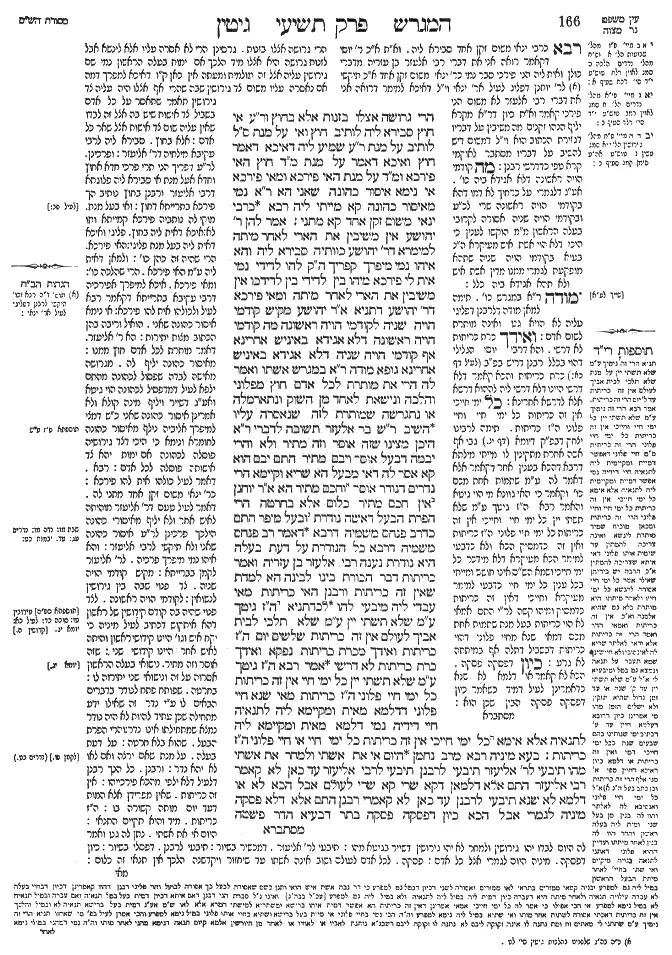
Gittin 83b - Guemara
הרי גרושה אצלו בזנות אלא בחוץ ור"ע אי חוץ סבירא ליה לותיב חוץ ואי על מנת ס"ל לותיב על מנת ר"ע שמיע ליה דאיכא דאמר חוץ ואיכא דאמר על מנת מ"ד חוץ האי פירכא ומ"ד על מנת האי פירכא ומאי פירכא אי נימא איסור כהונה שאני הא ר"א נמי מאיסור כהונה קא מייתי ליה רבא כרבי ינאי משום זקן אחד קא מתני:
אמר להן ר' יהושע אין משיבין את הארי לאחר מיתה למימרא דר' יהושע כוותיה סבירא ליה והא איהו נמי מיפרך קפריך ה"ק להו לדידי נמי אית לי פירכא מיהו בין לדידי בין לדידכו אין משיבין את הארי לאחר מיתה ומאי פירכא דר' יהושע דתניא א"ר יהושע מקיש קודמי הויה שניה לקודמי הויה ראשונה מה קודמי הויה ראשונה דלא אגידא באיניש אחרינא אף קודמי הויה שניה דלא אגידא באיניש אחרינא גופא מודה ר"א במגרש אשתו ואמר לה הרי את מותרת לכל אדם חוץ מפלוני והלכה ונישאת לאחד מן השוק ונתארמלה או נתגרשה שמותרת לזה שנאסרה עליו השיב ר"ש בר אלעזר תשובה לדברי ר"א היכן מצינו שזה אוסר וזה מתיר ולא והרי יבמה דבעל אוסר ויבם מתיר התם יבם הוא קא אסר לה דאי מבעל הא שריא וקיימא הרי נדרים דנודר אוסר וחכם מתיר הא א"ר יוחנן אין חכם מתיר כלום אלא בחרטה הרי הפרת הבעל דאשה נודרת ובעל מיפר התם כדרב פנחס משמיה דרבא דאמר רב פנחס משמיה דרבא כל הנודרת על דעת בעלה היא נודרת נענה רבי אלעזר בן עזריה ואמר כריתות דבר הכורת בינו לבינה הא למדת שאין זה כריתות ורבנן האי כריתות מאי עבדי ליה מיבעי להו לכדתניא ה"ז גיטך ע"מ שלא תשתי יין ע"מ שלא תלכי לבית אביך לעולם אין זה כריתות שלשים יום ה"ז כריתות ואידך מכרת כריתות נפקא ואידך כרת כריתות לא דרשי אמר רבא ה"ז גיטך ע"מ שלא תשתי יין כל ימי חיי אין זה כריתות כל ימי חיי פלוני ה"ז כריתות מאי שנא חיי פלוני דדלמא מאית ומקיימא ליה לתנאיה חיי דידיה נמי דלמא מאית ומקיימא ליה לתנאיה אלא אימא כל ימי חייכי אין זה כריתות כל ימי חיי או חיי פלוני ה"ז כריתות:
בעא מיניה רבא מרב נחמן היום אי את אשתי ולמחר את אשתי מהו תיבעי לר' אליעזר תיבעי לרבנן תיבעי לרבי אליעזר עד כאן לא קאמר רבי אליעזר התם אלא דלמאן דקא שרי קא שרי לעולם אבל הכא לא או דלמא לא שנא תיבעי לרבנן עד כאן לא קאמרי רבנן התם אלא דלא פסקה מיניה לגמרי אבל הכא כיון דפסקה פסקה בתר דבעיא הדר פשטה
Comments from Rashi on Masechet Gittin Page 83b
הרי גרושה אצלו בזנות . גרסינן הרי לא אסרה עליו אלא לינשא אבל לזנות גרושה היא אצלו מיד הלכך אם ימות בעלה הראשון נמי שם גירושין עליה אצל זה עולמית ומעתה אין כאן ק"ו דאיכא למפרך דמה אם נאסרה עליו משום צד גירושין שבה שהרי אף אצלו היה עליה צד גירושין תאמר שתאסר על כל אדם בשביל צד אישות שיש בה אצל זה לבדו שאין עליה שום צד אישות אצל שאר כל אדם: אלא בחוץ . סבירא ליה לרבי עקיבא מילתיה דר' אליעזר: ופרכינן . לר"ע דפריך הני תרי פרכי חדא אחוץ וחדא אעל מנת אי סבירא ליה פלוגתא דרבי אליעזר ורבנן בחוץ נותיב הך פירכא בתרייתא דחוץ: ואי בעל מנת . מוקי לה נותביה פירכא קמייתא ותו לא: איכא דאית ליה בחוץ . פליגי ואיכא דאית ליה בעל מנת פליגי: האי פירכא . הרי שהיה זה כהן כו': ולמאן דאית ליה ע"מ האי פירכא . הרי שהלכה כו': ומאי פירכא . איכא למיפרך אפירכיה דרבי עקיבא בתרייתא דקאמר רבא לעיל ולכולהו אית להו פירכא: אי נימא איסור כהונה שאני . הואיל וריבה בהן הכתוב מצות יתירות: הא ר' אליעזר . דאמר מותרת לכל אדם חוץ ממנו: מאיסור כהונה יליף לה . מגרושה מאישה לבדה שפסול לכהונה מהתם ילפא לעיל דמדפסיל לכהונה הוי גיטא ואע"ג דשייר ויליף מינה קולא ולא אמרינן איסור כהונה שאני כ"ש דמצי למיפרך אליביה נילף מאיסור כהונה לחומרא ונימא כי היכי דצד גירושיה פוסלה לכהונה אם ימות יהא צד אישותה פוסלה לכל אדם: רבא . דאמר לעיל כולהו אית להו פירכא: כר' ינאי משום זקן אחד מתני לה . דאמר לעיל טעם דר' אליעזר מוהיתה לאיש אחר ולא יליף מאיסורי כהונה הילכך פרכינן לר"ע איסור כהונה שאני ולא תיקשי לרבי אליעזר: והא איהו נמי מיפרך פרכיה . לר' אליעזר לקמן בברייתא: מקיש קודמי הויה שניה . צד פנוי שבה בין גירושין לנשואין: לקודמי הויה ראשונה . לצד פנוי שהיה בה קודם קידושין של ראשון דהא איתקוש דכתיב לעיל מיניה כי יקח איש וגו' היינו קידושי ראשון והיתה לאיש אחר היינו קידושי שני: שזה אוסר וזה מתיר . נישואי בעלה הראשון אסרוה על זה ונישואי שני יתירוה לו: בחרטה . שפותח פתח לנודר בדברים הבאים לו ע"י נדר זה שאילו ידע מתחילה שכן עתיד להיות לא היה נודר נמצא שמתחילתו אינו נדר: והרי הפרת הבעל . שהוא בלא חרטה: על דעת בעלה . על מנת שאם ירצה ואם לאו לא יהא נדר: ורבנן . כל הנך רבנן דלעיל דלא ילפי מהכא פירכייהו: אין זה כריתות . שאין מפרידן אלא המות דעד יום מותה קשורה בו: ה"ז כריתות . מיד והיא תקיים התנאי: היום אי את אשתי . נתן לה גט ואמר לה היום לבדו יהו גירושין ולמחר לא יהו גירושין דשייר בגיטא מהו: תיבעי לר' אליעזר . דמכשיר בשיור: תיבעי לרבנן . דפסלי בשיור: כיון דפסקה . מיניה היום לגמרי אצל כל אדם: פסקה . לכל אדם לעולם ושוב אינה אשתו עד שיחזור ויקדשנה הלכך אין תנאי זה כלום:
Comments from Tosafot - Gittin 83b
רבא כרבי ינאי משום זקן אחד סבירא ליה . וא"ת א"כ ר' יוסי דקאמר רואה אני את דברי רבי אלעזר בן עזריה מדברי כולן ואית ליה הני פירכי סבר נמי כר' ינאי משום זקן אחד א"כ תיקשי לר' יוחנן דפליג לעיל אר' ינאי וי"ל דאיכא למימר דרואה אני את דברי רבי אלעזר לא משום הני פירכי קאמר וא"ת כיון דר"א מקרא יליף הנהו זקנים מה משיבין על דבריו דגזירת הכתוב הוא וי"ל דמשום דיש להשיב על דבריו מסתבר לאוקמי קרא טפי כדדרשי רבנן: מה קודמי הויה ראשונה דלא אגידא ביה כו' . אע"ג דלגמרי על כרחיך לא דמו דהא בקודמי הויה ראשונה שרי לכ"ע ובקודמי הויה שניה אסורה לקרובי בעלה הראשון מ"מ הוקשו לענין כי היכי דלא הוי אשת איש מעיקרא ה"נ בעיא בקודמי הויה שניה שתהא מופקעת לגמרי ממנו מדין אשת איש ולא תהא אגידא ביה כלל: ואידך כרת כריתות לא דרשי . והא דרבי יוסי הגלילי דהוי בכלל רבנן דריש בפ"ב (לעיל גיטין דף כא:) כרת כריתות והכא קאמר דלא דרשי היינו דלא דרשי ליה לההוא דרשא אלא לדרשא אחרינא: כל ימי חייכי אין זה כריתות כל ימי חיי וחיי פלוני ה"ז כריתות . תימה לרבינו יצחק דבפ"ק דיומא (דף יג.) גבי אף אשה אחרת מתקינין לו מייתי מילתא דרבא דהכא בענין אחר דקאמר אלא דאמר לה ע"מ שתמות אחת מכם כו' וקאמר כי האי גוונא מי הוי גיטא והאמר רבא ה"ז גיטך ע"מ שלא תשתי יין כל ימי חיי וחייכי אין זה כריתות כל ימי חיי פלוני ה"ז כריתות ואין זה כדמסיק הכא ולא כדבעי למימר הכא מעיקרא דלא מידכר כל ימי חייכי ושמא הש"ס אינו חושש ומייתי בכל ענין כל ימי חיי כדבעי למימר מעיקרא וחייכי דאין זה כריתות כדמסיק ומיהו קשה לר"י התם אמאי לא הוי כריתות בעל מנת שתמות אחת מכם דמאי שנא מחיי פלוני דהוי כריתות דבשביל דתלה אף במיתתה לא גרע: כיון דפסקה פסקה . הכא לא קאמר או דלמא לא שנא כדאמרינן לעיל דמיד כשאמר כיון דפסקה פסקה הבין שכן הוא:
Gittin 83b - Mishnah translated into english
isn’t the woman a divorcée with regard to engaging in licentious behavior with him? The husband stipulated that she not marry that man, but he did not prohibit her from engaging in licentious behavior with him. Therefore, she is considered a divorcée with regard to him as well. This removes the a fortiori inference, as with regard to all other men she is not considered married at all. Rather, the objection was clearly raised with regard to a case of exception.
The Gemara asks: If Rabbi Akiva holds that Rabbi Eliezer is referring to a case of an exception, he should raise an objection with regard to an exception, and if he holds that Rabbi Eliezer is referring to a case of a stipulation, he should raise an objection with regard to a case of a stipulation. Why does he raise one objection with regard to an exception and then another with regard to a stipulation?
The Gemara answers: Rabbi Akiva heard that there is someone who states Rabbi Eliezer’s ruling with regard to an exception, and there is someone else who states it with regard to a stipulation. He therefore raised objections with regard to both exceptions and stipulations; according to the one who says that it is with regard to an exception, this is the refutation, and according to the one who says that it is with regard to a stipulation, that is the refutation.
The Gemara asks: What is the refutation that Rava found for Rabbi Akiva’s second objection? If we say that it is that the prohibition against marrying into the priesthood is different, and therefore the halakhot of adultery and divorce cannot be inferred from it, doesn’t Rabbi Eliezer also derive his opinion from the prohibition against marrying into the priesthood? Rabbi Yoḥanan stated (82b) that Rabbi Eliezer’s ruling is derived from the verse that states with regard to priests: “Neither may they take a woman divorced from her husband” (Leviticus 21:7), indicating that even if a woman was divorced only from her husband and was not permitted to marry others, she is disqualified from marrying into the priesthood as a divorcée.
The Gemara answers: Rava taught his statement in accordance with the opinion of Rabbi Yannai, who said in the name of one elder that Rabbi Eliezer’s opinion is derived not from the prohibition against marrying into the priesthood, but from the verse: “And she departs out of his house, and goes and becomes another man’s wife” (Deuteronomy 24:2), which indicates that even if he divorced her in a manner that permitted her to marry only one other man, the divorce takes effect. Therefore, Rava refutes Rabbi Akiva’s latter objection by claiming that the prohibition against marrying into the priesthood is different from other prohibitions and cannot be compared to them.
It is stated in the baraita that Rabbi Yehoshua said to them: One does not refute the opinion of a lion after his death. The Gemara asks: Is this to say that Rabbi Yehoshua holds in accordance with the opinion of Rabbi Eliezer? But doesn’t he also raise a refutation against Rabbi Eliezer’s opinion?
The Gemara answers that this is what he was saying to them: I also have a refutation against Rabbi Eliezer’s opinion, but both my objection and yours should not be raised, as one does not refute the opinion of a lion after his death.
The Gemara asks: And what is Rabbi Yehoshua’s refutation? It is as it is taught in a baraita: Rabbi Yehoshua said that the passage: “When a man takes a wife, and marries her, and it comes to pass, if she finds no favor in his eyes, because he has found some unseemly matter in her, and he writes her a scroll of severance, and gives it in her hand, and sends her out of his house; and she departs out of his house, and goes and becomes another man’s wife” (Deuteronomy 24:1–2), juxtaposes the woman’s status before the second marriage to her status before the first marriage. It should be derived from here that just as before the first marriage she is not bound to another man, so too, before the second marriage she is not bound to another man. Therefore, a woman cannot remarry if she is still bound to her ex-husband due to a qualification that prohibits her from marrying a certain man.
§ The Gemara discusses the matter itself that was mentioned above in passing: With regard to a case where a man divorces his wife and said to her: You are hereby permitted to marry any man except for so-and-so, and she went and married someone from the general public and was subsequently widowed or divorced from him, Rabbi Eliezer concedes that she is now permitted to marry the man whom she was initially prohibited from marrying.
The baraita continues: Rabbi Shimon bar Elazar raised a refutation to Rabbi Eliezer’s statement: Where do we find a situation where this person prohibits something and that other person permits it? How can the first husband render the woman prohibited from marrying a certain man and her second husband render her permitted to do so after his death or their divorce?
The Gemara questions this refutation: Is there not such a situation? But isn’t there the case of a yevama, a woman whose husband dies childless, and he deems her forbidden to other men while she waits for his brother, her yavam, to perform levirate marriage with her, and the yavam, after performing levirate marriage with her, deems her permitted in the event of divorce or his death?
The Gemara answers: There, it is the yavam who renders her forbidden, since if not for the yavam, i.e., if her deceased husband did not have any brothers, she would have already been released from her bond to her husband and permitted to marry any man. It is only the existence of the yavam that prevents her from marrying other men. Therefore, it is he who renders her permitted.
The Gemara asks: Isn’t there the matter of vows, where the one who takes the vow prohibits something and a halakhic authority renders it permitted by dissolving the vow? The Gemara answers: Rabbi Yoḥanan says that a halakhic authority dissolves a vow only through regret of the person who took the vow. Since it is necessary for this person to express regret for taking the vow, it is not actually the halakhic authority who causes the dissolution of the vow.
The Gemara asks: Isn’t there the nullification of a wife’s vows by the husband, where the wife vows, creating a prohibition, and her husband nullifies the vow? The Gemara answers: There it can be explained in accordance with that which Rav Pineḥas reasoned in the name of Rava, as Rav Pineḥas says in the name of Rava that with regard to any woman who takes a vow, it is from the outset contingent on her husband’s consent that she takes the vow. Therefore, the husband can nullify it.
§ The Gemara resumes discussion of the previous baraita. Rabbi Elazar ben Azarya responded, saying: What is the meaning of the expression: “Scroll of severance [keritut],” that is used in the Torah for a bill of divorce? It means something that severs the bond between him and her entirely. You have therefore derived that this divorce, after which the wife is still bound to her husband due to his qualification, is not an act of severance.
The Gemara asks: And what do the other Rabbis, who did not refute Rabbi Eliezer’s opinion in this manner, do with this term “severance”? How do they interpret it? The Gemara answers: They need it for that which is taught in a baraita: If a man says to his wife: This is your bill of divorce on the condition that you will not ever drink wine, or: On the condition that you will never go to your father’s house, that is not an act of severance, as she remains restricted by him indefinitely. If he stipulates that she may not do so for thirty days, that is an act of severance. The Rabbis derive from the term severance that any indefinite condition prevents the divorce from taking effect.
The Gemara asks: And from where does the other Sage, Rabbi Elazar ben Azarya, derive this principle? The Gemara answers: It is derived from the fact that the verse does not utilize the basic form of the word severance, i.e., karet, but rather its conjugate, keritut. This indicates an additional principle that is derived from the term. The Gemara asks: And what do the other Sages derive from the seemingly superfluous use of this word? The Gemara answers: They do not interpret the distinction between karet and keritut.
§ Rava says that if a man says to his wife: This is your bill of divorce on the condition that you will not drink wine for all the days of my life, that is not an act of severance, as she remains bound to his condition for the rest of his life. If he stipulates that she may not drink wine for all the days of the life of so-and-so, that is an act of severance.
The Gemara asks: What is different about the case where he mentioned the life of so-and-so? Is it because perhaps that person will die and she will thereby fulfill the condition, allowing her to remarry? With regard to his own life it is also true that perhaps he will die and she will thereby fulfill the condition. Why is the divorce invalid in that case?
Rather, say that if the husband tells her: This is your bill of divorce on the condition that you will not drink wine for all the days of your life, that is not an act of severance, as the wife will never be released from this restriction. If he says: For all the days of my life, or: For all the days of so-and-so’s life, that is an act of severance, as the condition can potentially be fulfilled during her lifetime.
§ Rava raised a dilemma before Rav Naḥman: If a man hands his wife a bill of divorce and says to her: Today you are not my wife, and tomorrow you are my wife, what is the halakha? The Gemara elaborates: Let the dilemma be raised according to the opinion of Rabbi Eliezer and let the dilemma be raised according to the opinion of the Rabbis.
Let the dilemma be raised according to Rabbi Eliezer: Is Rabbi Eliezer saying that only there, in the case of the mishna, the divorce is valid because concerning the one whom the husband permits the wife to marry, he permits her to marry him forever, but here, the divorce is not valid as it is limited in time? Or perhaps it is no different from the case in the mishna, and in both cases Rabbi Eliezer holds that the divorce takes effect?
Let the dilemma be raised according to the Rabbis: Perhaps the Rabbis are saying only there that the divorce is invalid because the husband did not separate her from himself entirely, as she is prohibited from marrying a certain man due to his qualification. But here, the divorce takes effect, as once he separates her, even for a limited period of time, he has consequently separated her entirely.
After Rava raised the dilemma he then resolved it on his own:
Traduction : The William Davidson digital edition of the Koren Noé Talmud, with commentary by Rabbi Adin Even-Israel Steinsaltz.