 Talmud Bavli
Gittin 24b : Youtube
Daf TubeYoutube
2 video classes :
Gittin Page 24b
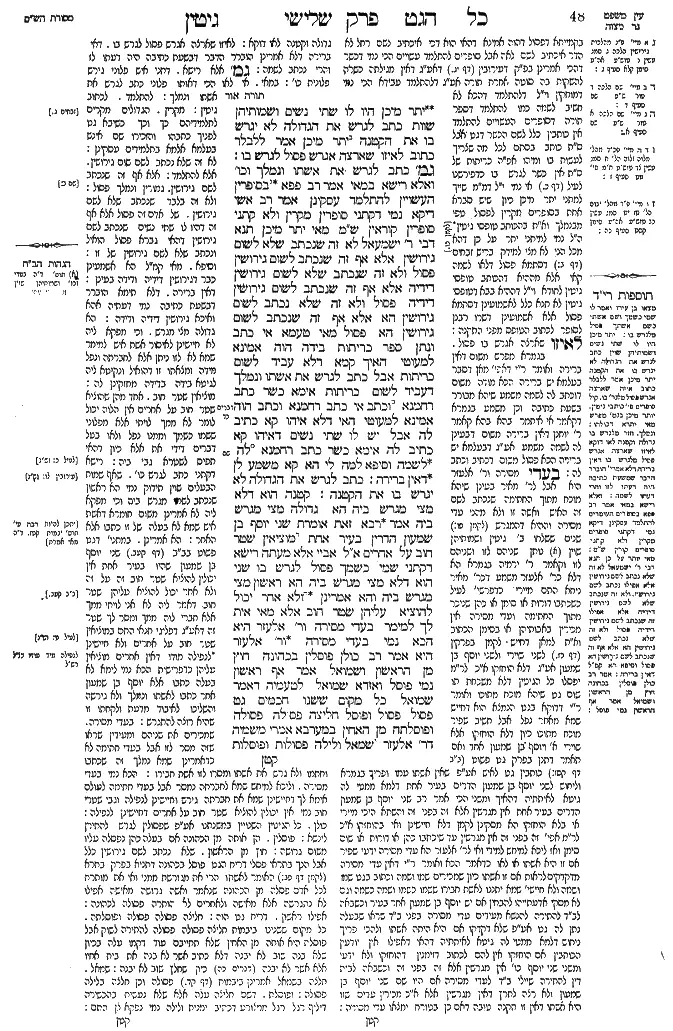
Gittin 24b - Guemara
יתר מיכן היו לו שתי נשים ושמותיהן שוות כתב לגרש את הגדולה לא יגרש בו את הקטנה יתר מיכן אמר ללבלר כתוב לאיזו שארצה אגרש פסול לגרש בו:
גמ׳ כתב לגרש את אשתו ונמלך וכו' ואלא רישא במאי אמר רב פפא בסופרין העשויין להתלמד עסקינן אמר רב אשי דיקא נמי דקתני סופרין מקרין ולא קתני סופרין קוראין ש"מ מאי יתר מיכן תנא דבי ר' ישמעאל לא זה שנכתב שלא לשום גירושין אלא אף זה שנכתב לשום גירושין פסול ולא זה שנכתב שלא לשום גירושין דידיה אלא אף זה שנכתב לשום גירושין דידיה פסול ולא זה שלא נכתב לשום גירושין הא אלא אף זה שנכתב לשום גירושין הא פסול מאי טעמא אי כתב ונתן ספר כריתות בידה הוה אמינא למעוטי האיך קמא דלא עביד לשום כריתות אבל כתב לגרש את אשתו ונמלך דעביד לשום כריתות אימא כשר כתב רחמנא (דברים כד, א) וכתב אי כתב רחמנא וכתב הוה אמינא למעוטי האי דלא איהו קא כתיב לה אבל יש לו שתי נשים דאיהו קא כתיב לה אימא כשר כתב רחמנא (דברים כד, א) לה לשמה וסיפא למה לי הא קא משמע לן דאין ברירה:
כתב לגרש את הגדולה לא יגרש בו את הקטנה:
קטנה הוא דלא מצי מגרש ביה הא גדולה מצי מגרש ביה אמר רבא זאת אומרת שני יוסף בן שמעון הדרין בעיר אחת מוציאין שטר חוב על אחרים א"ל אביי אלא מעתה רישא דקתני שמי כשמך פסול לגרש בו שני הוא דלא מצי מגרש ביה הא ראשון מצי מגרש ביה והא אמרינן ולא אחר יכול להוציא עליהן שטר חוב אלא מאי אית לך למימר בעדי מסירה ור' אלעזר היא הכא נמי בעדי מסירה ור' אלעזר היא אמר רב כולן פוסלין בכהונה חוץ מן הראשון ושמואל אמר אף ראשון נמי פוסל ואזדא שמואל לטעמיה דאמר שמואל כל מקום ששנו חכמים גט פסול פסול ופוסל חליצה פסולה פסולה ופוסלתה מן האחין במערבא אמרי משמיה דר' אלעזר שמאל ולילה פסולות ופוסלות
Comments from Rashi on Masechet Gittin Page 24b
גדולה וקטנה . לאו דוקא: לאיזו שארצה אגרש פסול לגרש בו . דאין ברירה דלא אמרינן הוברר הדבר דבשעת כתיבה היה דעתו לזו והרי נכתב לשמה: גמ' אלא רישא . דתני איש פלוני גירש פלונית כו': במאי . אי לאו הכי דאותו פלוני כתב לגרש את אשתו ונמלך: להתלמד . לכתוב גיטין: מקרין . הגדולים מקרים לתלמידיהם כך וכך כשיבא גט לפניך כתבהו והזכירו שם אינש בעלמא אלמא בתלמידים עסקינן: לא זה שלא נכתב לשם שום גירושין . אלא להתלמד: אלא אף זה שנכתב לשם גירושין . גמורין ונמלך פסול: ולא זה בלבד שנכתב שלא לשם גירושין . של אדם זה פסול אלא אף זה דהיו לו שתי נשים שנכתב לשם גירושין דהאי גברא פסול הואיל ונכתב שלא לשם גירושין של זו: וסיפא . מאי קמ"ל הא אשמעינן כבר דגירושין דידיה ודידה בעינן: דאין ברירה . דלא תימא הוברר דבשעת כתיבה נמי דעתיה אהא ואיכא גירושין דידיה ודידה: הא גדולה מצי מגרש . וכי מפקא ליה לא חיישינן לאיסור אשת איש למימר שמא לא לזו ניתן אלא לחברתה ונפל מידה ומצאתו זו דהואיל ונקיטא ליה לגיטא בידה בדידה מחזקינן לה: מוציאין שטר חוב . אחד מהן שהוציא שטר חוב על אחרים אין הלוה יכול לומר לא ממך לויתי אלא מפלוני ששמו כשמך וממנו נפל ולאו בעל דברים דידי את אלא כיון דהאי תפיס לשטרא גבי ביה: רישא דקתני כתב לגרש כו' . שאף שמות הבעלים שוין תידוק נמי הא ראשון שנכתב לשמו מגרש ביה וכי מפקא ליה לא אמרינן משום חומרא דאשת איש שמא לא בעלה של זו כתבו אלא האחר: הא אמרינן . במתני' דגט פשוט בב"ב (דף קעב.) שני יוסף בן שמעון שהיו בעיר אחת אין יכולין להוציא שטר חוב זה על זה ולא אחר יכול להוציא עליהן שטר חוב דאמר ליה לא אני לויתי ממך אלא חברי לוה ממך ומסר לך שטר זה דאע"ג דפליגי תנאי התם במוציאין שטר חוב על אחרים ולא חיישינן לנפילה מודו דאין אחרים מוציאין עליהן כדפרישית הכא נמי לימא לא בעלה כתבו אלא יוסף בן שמעון אחר כתבו לאשתו ונמלך ולא גירשה והשליכו לאיבוד מדעת ולקחתו זו שהיא רוצה להתגרש: בעדי מסירה . שמכירים את שניהם ומעידין שראו שזה מסר לזו אבל בעדי חתימה לא כדאמרינן שמא נמלך זה שכתבו וחתמו ולא גרש את אשתו ומסרו לזו אשת חבירו: הכא נמי בעדי מסירה . וליכא למיחש שמא לחברתה נמסר אבל בעדי חתימה לעולם אימא לך דחיישינן שמא את חברתה גירש וחיישינן לנפילה וגבי שטרי חוב נמי אין יכולין להוציא שטר חוב על אחרים דחיישינן לנפילה: כולן . כל הגיטין השנויין במשנתנו אע"פ שפסולין לגרש להתירן לינשא: פוסלין . הן אותה מן הכהונה אם בעלה כהן נפסלה עליו משום גרושה: חוץ מן הראשון . שלא נכתב לשם גירושין כלל אבל הנך בתראי פסלי דריח הגט פוסל בכהונה דתניא בפרק בתרא (לקמן גיטין דף פב:) האומר לאשתו הרי את מגורשת ממני ואי את מותרת לכל אדם פסלה מן הכהונה שנאמר ואשה גרושה מאישה אפילו לא נתגרשה אלא מאישה ולאחרים לא הותרה פסולה לכהונה: אפילו ראשון . דריח גט הוה: חליצה פסולה פסולה ופוסלתה . כל מקום ששנינו ביבמות חליצה פסולה פסולה להתירה לשוק אבל פוסלת היא אותה מן האחין שלא תתייבם עוד דקמו עלה בכיון שלא בנה שוב לא יבנה דלא כתיב אשר לא בנה את בית אחיו אלא אשר לא יבנה (דברים כה) כיון שחלץ שוב לא יבנה: שמאל . חלצה בשמאל אמרינן ביבמות (דף קד.) פסולה וכן חלצה בלילה פסולה: ופוסלת . דשם חליצה עלה אלא שלא נעשית בהכשירה דיליף רגל רגל ממצורע דכתיב ימנית ולילה נמי נפקא לן התם:
Comments from Tosafot - Gittin 24b
לאיזו שארצה אגרש בו פסול . בגמרא מפרש משום דאין ברירה ואומר ר"י דאפי' מאן דסבר בעלמא יש ברירה הכא מודה משום דוכתב לה לשמה משמע שיהא מבורר בשעת כתיבה וכן משמע בגמרא דקאמר אי איתמר בהא בהא קאמר ר' יוחנן דאין ברירה משום דבעינן לה לשמה משמע אע"ג דבעלמא יש ברירה הכא פסול משום דכתיב וכתב לה: בעדי מסירה ור' אלעזר היא . אבל לר' מאיר בעינן שיהא מוכח מתוך החתימה שנכתב לשם זה האיש ואשה זו ולא מהני עדי מסירה וההיא דהמגרש (לקמן גיטין פו:) שנים ששלחו ב' גיטין ושמותיהן שוין נותן שניהם לזו ושניהם לזו וקאמר ר' ירמיה בגמרא הא דלא כר' אלעזר משמע דכר' מאיר ניחא התם מיירי כדפרשי' לעיל כשכתבו דורות או סימן או כהן שניכר מתוך החתימה ועדי מסירה אין מכירין באבותיהן או בסימן הכתוב וא"ת למאן דחייש לקמן בפרקין (גיטין דף כז.) לשני שוירי ולשני יוסף בן שמעון אע"ג דלא הוחזקו א"כ לר"מ . יפסלו כל הגיטין דלא משכחת תו שום גט שיהא מוכח מתוכו ואומר ר"י דדוקא בגט הנמצא הוא דחייש שמא מאחר נפל אבל חשיב שפיר מוכח מתוכו כיון דלא הוחזקו אלא שוירי א' ויוסף בן שמעון אחד ואם תאמר דתנן בפרק גט פשוט (ב"ב דף קסז:) כותבין גט לאיש אע"פ שאין אשתו עמו ופריך בגמרא וליחוש לשני יוסף בן שמעון הדרים בעיר אחת דלמא ממטי לה גיטא לאיתתיה דהאיך ומשני הכי אמר רב שני יוסף בן שמעון הדרים בעיר אחת אין מגרשין אלא זה בפני זה והשתא היכי מיירי אי בלא הוחזקו הא מסקינן לקמן דלא חיישינן ואי בהוחזקו א"כ לר"מ אפי' זה בפני זה אין מגרשין עד שיכתבו כהן או דורות או שום סימן ואז ליכא למיחש למידי ואי לר' אלעזר הא עדי מסירה ידעי שפיר אם זו היא אשתו או לאו כדאמר הכא ואומר ר"י דאין עדי מסירה מדקדקים לראות אם זו אשתו כיון שמכירים שמו ושמה וכתוב בגט שמו ושמה ולא חיישי' שמא יתננו לאשת חבירו ששמו כשמו ושמה כשמה וגם לא מסקי אדעתייהו להבחין אם יש יוסף בן שמעון אחר בעיר וכשבאה לב"ד להתירה להנשא מעידים עדי מסירה בפני ב"ד שראו שבעלה נתן לה גט אע"פ שלא דקדקו אם היא היתה אשתו ולהכי פריך ניחוש דלמא ממטי לה גיטא לאיתתיה דהאי דאפילו אין יודעין הכותבין אם הוחזקו אין להם לכתוב דזימנין דהוחזקו ולא ידעי ומשני שני יוסף כו' אין מגרשין אלא זה בפני זה וכשבאה לבית דין להתירה שיילי ב"ד לעדי מסירה אם היו שם שני יוסף בן שמעון ולא רצה לתרץ דאין מגרשין אלא א"כ מכירין עדים שזו היא אשתו דאין זו תקנה טובה דאם כן בטורח ימצאו עדי מסירה:
Gittin 24b - Mishnah translated into english
Moreover, if one had two wives and their names were identical, and he wrote a bill of divorce to divorce the older one and then reconsidered, he may not divorce the younger one with it.
Moreover, if he said to the scribe: Write a bill of divorce for whichever one of them that I will want and I will divorce her with it, this bill of divorce is unfit for him to divorce either wife with it.
GEMARA: The second clause of the mishna considers a case where one wrote a bill of divorce with which to divorce his wife but later reconsidered, and a resident of his town with identical personal details found him and desired to use the bill of divorce. The Gemara asks: But then with what case is the first clause of the mishna, where a man discovers that a scribe had written a bill of divorce with identical personal details to his own, dealing; isn’t that also a case of a bill of divorce that was written for someone else? Why did the tanna cite two seemingly identical cases?
Rav Pappa said: We are dealing with scribes who are practicing writing; the bill of divorce in the first case was written as an exercise and not because someone requested that it be written. Rav Ashi said: The language of the mishna is also precise, as it teaches: Scribes dictating, i.e., to their students, and it does not teach: Scribes reading the names on their own. The Gemara concludes: Indeed, learn from this phrasing that this is the correct understanding of the mishna.
By employing the introductory term: Moreover, the mishna indicates that each case teaches an additional novelty beyond that of the previous case. The Gemara asks: What novel element warrants the use of the term: Moreover? The Gemara answers by quoting a baraita: The school of Rabbi Yishmael taught that not only this bill of divorce, which was written for practice and which was not written for the sake of divorce, is unfit, but even that bill of divorce, which was written for the sake of divorce but the husband then reconsidered and did not use it, is unfit to be used by someone else.
And not only this bill of divorce, which was not written for the sake of his own divorce, is unfit, but even that bill of divorce, which was written for the sake of his own divorce, albeit for a particular wife, is unfit to be used for divorcing his other wife. And not only this bill of divorce, which was not written for the sake of this wife’s divorce, but even that bill of divorce, which was written for this wife’s divorce, as he instructed the scribe to write the bill of divorce for the sake of whichever wife he decides to divorce, is unfit to use in divorce.
The Gemara explains: What is the reason that a bill of divorce must be written for the sake of the woman who is being divorced? It is stated in the verse that deals with divorce: “And he writes for her a scroll of severance and gives it in her hand” (Deuteronomy 24:1). This teaches the following: If the Merciful One had written only: And he gives a scroll of severance in her hand, I would say that the verse serves to exclude this case of the first clause of the mishna, where it was done not for the sake of severance, as the scribe wrote the bill of divorce as a mere exercise; however, if one wrote a bill of divorce to divorce his wife but then reconsidered, where it was done for the sake of severance, I would say that it is valid for another man to use for divorcing his wife. Therefore, the Merciful One writes in the Torah: “And he writes,” meaning that the bill of divorce must be written exclusively for the sake of his own divorce.
The Gemara continues the explanation: If the Merciful One had written only: And he writes, I would say that the verse serves to exclude this case mentioned previously, where the man using the bill of divorce was not the one who wrote it; but if a man has two wives with the same name, so that the man using the bill of divorce is writing it, say that it is a valid bill of divorce. Therefore, the Merciful One writes in the Torah: “And he writes for her,” teaching that a bill of divorce must be written for the sake of a specific wife.
The Gemara asks: And why do I need the last clause of the mishna, which deals with a man who writes a bill of divorce for whichever wife he later chooses? The earlier clauses made clear that one must write the bill of divorce for the sake of the woman who is being divorced. The Gemara answers: This teaches us that there is no retroactive clarification, i.e., that one does not say that since he gave the bill of divorce to this wife, it is clarified retroactively that he had written the bill of divorce for her sake; rather, he must write it for her sake from the outset.
§ The mishna teaches: If he wrote a bill of divorce to divorce the older of his two wives and then reconsidered, he may not divorce the younger wife with it, even though the two wives share the same name. The Gemara deduces from this: It is the younger one whom he is not able to divorce with it, but he is able to divorce the older wife with it, as it was written for her from the outset. This is the case even though the younger wife would be able to collect payment of her marriage contract and remarry if she were to present this bill of divorce, as the court would think it was written for her.
Rava said: That is to say that one of two people with identical names, e.g., Yosef ben Shimon, who live in one city, can present a promissory note to claim a debt from others, and the borrower cannot claim that the promissory note was written for the other Yosef ben Shimon.
Abaye said to him: If that is so, then according to your reasoning, from the earlier clause of the mishna that teaches that if one man requests a bill of divorce from another, saying: My name is the same as your name, the bill of divorce is unfit for the second person to divorce his wife with it, one could infer that the second man is the one who is not able to divorce with it, but the first man is able to divorce with it even though they have the same names. But didn’t we say in a mishna (Bava Batra 172a): With regard to two people with identical names, neither of them can present a promissory note to the other, and another person cannot present a promissory note to them, as each one can deny that he is the one who owes the money? Here too, there is a concern lest the wife of the other use the bill of divorce to collect payment of her marriage contract even though the bill of divorce was not written for her.
Rather, what have you to say to explain how the first man can divorce his wife with this bill of divorce, and how it can be used as a reliable proof of divorce? One can say that the ruling of the mishna applies in a case where there are witnesses who observe the transmission of the bill of divorce, and they confirm in court which woman was given the bill of divorce. And this mishna is in accordance with the opinion of Rabbi Elazar, who holds that presence of witnesses at the transmission of the bill of divorce is essential to its taking effect, so there is no concern that the wife of the other man will claim payment of her marriage contract.
Here too, in the case of two wives of the same man who have the same name, the ruling of the mishna applies in a case where there are witnesses who observe the transmission of the bill of divorce. And this mishna is in accordance with the opinion of Rabbi Elazar, and there is no concern that the other wife will claim payment of her marriage contract. Therefore, one should not deduce from this, as Rava did, that one of two people with the same name can present a promissory note to claim a debt from others.
§ Rav says: All of the bills of divorce that the mishna categorizes as unfit to use for divorce still disqualify the women who receive them from marrying into the priesthood, as she is considered a divorced woman with regard to the halakha of marrying a priest, except for the first bill of divorce mentioned in the mishna. Unlike the other cases, that one was not written for the sake of divorce at all but was written only as part of a scribe’s training. And Shmuel says: Even the first bill of divorce disqualifies her from marrying into the priesthood.
And Shmuel follows his own line of reasoning, as Shmuel says: Any place where the Sages taught in a mishna: An invalid bill of divorce, it indicates both that it is invalid to be used as a bill of divorce and that it nevertheless disqualifies the one who receives it from marrying a priest. Similarly, where the Sages taught: An invalid ḥalitza, it indicates both that the ḥalitza is invalid and that it nevertheless disqualifies the yevama from entering into levirate marriage with the other brothers.
In the West, Eretz Yisrael, they say in the name of Rabbi Elazar: If ḥalitza was performed on the left foot of the yavam, or at night, these acts of ḥalitza are invalid, and they nevertheless disqualify the yevama from entering into levirate marriage with the other brothers.
Traduction : The William Davidson digital edition of the Koren Noé Talmud, with commentary by Rabbi Adin Even-Israel Steinsaltz.