 Talmud Bavli
Berakhot 50b : Youtube
Daf TubeYoutube
2 video classes :
Berakhot Page 50b
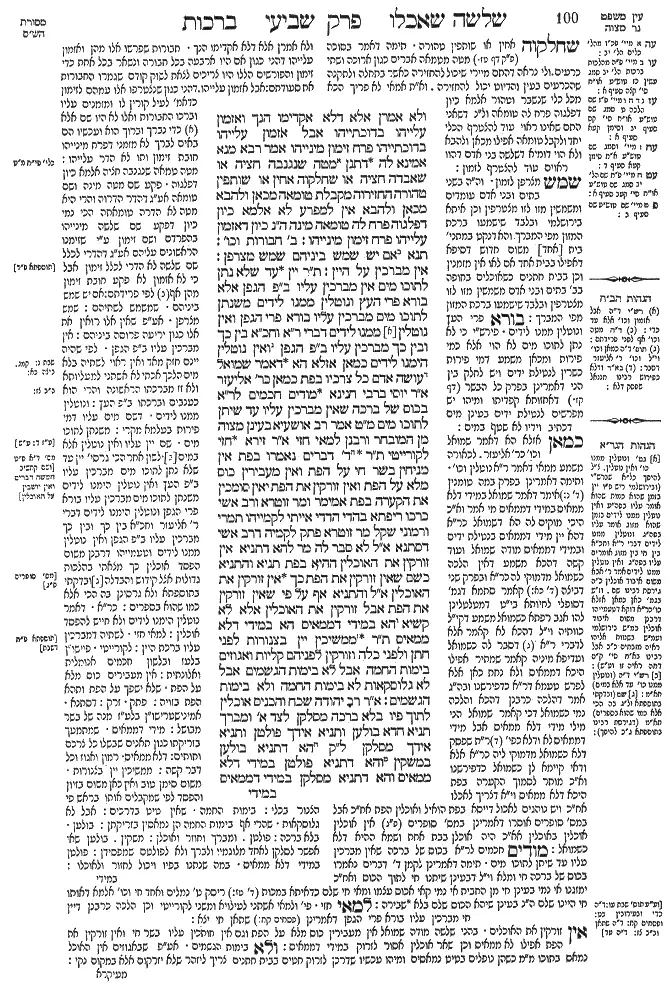
Berakhot 50b - Guemara
ולא אמרן אלא דלא אקדימו הנך ואזמון עלייהו בדוכתייהו אבל אזמון עלייהו בדוכתייהו פרח זימון מינייהו אמר רבא מנא אמינא לה דתנן מטה שנגנבה חציה או שאבדה חציה או שחלקוה אחין או שותפין טהורה החזירוה מקבלת טומאה מכאן ולהבא מכאן ולהבא אין למפרע לא אלמא כיון דפלגוה פרח לה טומאה מינה הנ כיון דאזמון עלייהו פרח זימון מינייהו:
ב' חבורות וכו':
תנא אם יש שמש ביניהם שמש מצרפן:
אין מברכין על היין:
תר יין עד שלא נתן לתוכו מים אין מברכין עליו בפ הגפן אלא בורא פרי העץ ונוטלין ממנו לידים משנתן לתוכו מים מברכין עליו בורא פרי הגפן ואין נוטלין ממנו לידים דברי רא וחכא בין כך ובין כך מברכין עליו בפ הגפן ואין נוטלין הימנו לידים כמאן אזלא הא דאמר שמואל עושה אדם כל צרכיו בפת כמאן כר' אליעזר אר יוסי ברבי חנינא מודים חכמים לרא בכוס של ברכה שאין מברכין עליו עד שיתן לתוכו מים מט אמר רב אושעיא בעינן מצוה מן המובחר ורבנן למאי חזי אר זירא חזי לקורייטי תר ד' דברים נאמרו בפת אין מניחין בשר חי על הפת ואין מעבירין כוס מלא על הפת ואין זורקין את הפת ואין סומכין את הקערה בפת אמימר ומר זוטרא ורב אשי כרכו ריפתא בהדי הדדי אייתי לקמייהו תמרי ורמוני שקל מר זוטרא פתק לקמיה דרב אשי דסתנא אל לא סבר לה מר להא דתניא אין זורקין את האוכלין ההיא בפת תניא והתניא כשם שאין זורקין את הפת כך אין זורקין את האוכלין אל והתניא אף על פי שאין זורקין את הפת אבל זורקין את האוכלין אלא לא קשיא הא במידי דממאיס הא במידי דלא ממאיס תר ממשיכין יין בצנורות לפני חתן ולפני כלה וזורקין לפניהם קליות ואגוזים בימות החמה אבל לא בימות הגשמים אבל לא גלוסקאות לא בימות החמה ולא בימות הגשמים:
אר רב יהודה שכח והכניס אוכלין לתוך פיו בלא ברכה מסלקן לצד א' ומברך תניא חדא בולען ותניא אידך פולטן ותניא אידך מסלקן לק הא דתניא בולען במשקין והא דתניא פולטן במידי דלא ממאיס והא דתניא מסלקן במידי דממאיס
Comments from Rashi on Masechet Berakhot Page 50b
ולא אמרן אלא דלא אקדימו הנך . חבורות שפרשו אלו מהן ואזמון עלייהו דהני כגון אם היו ארבעה בכל חבורה ונשאר בכל אחת כדי זימון והפורשים הללו היו צריכים לצאת לשוק קודם שגמרו החבורות את סעודתם: אבל אזמון עלייהו . דהני כגון שנצטרפו אלו עמהם לזימון כדאמ' לעיל קורין לו ומזמנים עליו וברכו החבורות ואלו לא היו שם אלא כדי נברך וברוך הוא ועכשיו הם באים לברך לא מזמני דפרח מינייהו חובת זימון ותו לא הדר עלייהו: מטה . טמאה שנגנבה חציה: אלמא כיון דפלגוה . פקע שם מטה מינה ושם טומאה אע"ג דהדר הדרוה והרי היא מטה לא הדרה טומאתה הכא נמי כיון דפקע שם שלשה מינייהו בהפרדם ושם זימון ע"י שזימנו הראשונים עליהם אע"ג דהדרי לכלל שם שלשה לא הדרי לכלל זימון אבל כי לא אזמון לא פקע חובת זימון מהן אף לפי פרידתם: אם יש שמש ביניהם . שמשמש לשתיהם: שמש מצרפן . אע"פ שאין אלו רואין את אלו כגון יריעה פרוסה ביניהם: אין מברכין עליו ב"פ הגפן . לפי שהיה יינם חזק מאד ואין ראוי לשתיה בלא מים הלכך אכתי לא אשתני למעליותא ולא זז מברכתו הראשונה והרי הוא כענבים וברכתו ב"פ העץ: ונוטלין ממנו לידים . דשם מים עליו דמי פירות בעלמא מקרי: משנתן לתוכו מים . שם יין עליו ואין נוטלין אלא במים. לשון אחר הכי גרסי' יין עד שלא נתן לתוכו מים מברכין עליו ב"פ העץ ואין נוטלין הימנו לידים משנתן לתוכו מים מברכין עליו בורא פרי הגפן ונוטלין הימנו לידים דברי רבי אליעזר וחכ"א בין כך ובין כך מברכין עליו ב"פ הגפן ואין נוטלין ממנו לידים וטעמייהו דרבנן משום הפסד אוכלין כך מצאתי בהלכות גדולות אצל קידוש והבדלה ובדקתי בתוספתא ולא גרסינן בה הכי אלא כמו שהוא בספרים: כר"א . דאמר נוטלין הימנו לידים ולא חייש להפסד אוכלין: כר"א . דאמר נוטלין הימנו לידים ולא חייש להפסד אוכלין: למאי חזי . לשתיה דמברכין עליו ברכת היין: לקורייטי . פיישו"ן בלע"ז ובלשון חכמים אנומלית ואלונתית: אין מעבירים כוס מלא על הפת . שלא ישפך על הפת ותהא הפת בזויה: פתק . זרק: דסתנא . אמינישטרישו"ן בלע"ז מנה של בשר מבושל: מידי דממאיס . שמתמעך בזריקתו כגון תאנים שבשלו כל צרכם ותותים: דלא ממאיס . רמון ואגוז וכל דבר קשה: ממשיכין יין בצנורות . משום סימן טוב ואין כאן משום בזיון והפסד לפי שמקבלים אותו בראש פי הצנור בכלי: בימות החמה . שאין טיט בדרכים: אבל לא גלוסקאות . שהרי אף בימות החמה הן נמאסין בזריקתן: בולען . בלא ברכה: פולטן . ומברך וחוזר ואוכלן: משקין . בולען שאי אפשר לסלקן לאחד מלוגמיו ולברך ולא לפולטם שמפסידן: פולטן במידי דלא ממאיס . במה שנתנו בפיו ויכול לחזור ולאוכלו:
Comments from Tosafot - Berakhot 50b
אבל אי אקדימו ואזמינו עלייהו בדוכתייהו . פי' שאכל כל אחד מהשלשה והפסיק לשתים שהיו מסובין עמו עד הזן כדאיתא לעיל (ברכות דף מה:) פרח חובת זמון מעליהם כלומר פטורין מן הזמון ורשאין עתה ליחלק ורש"י לא פירש כן: שחלקוה אחין או שותפין טהורה . תימה דאמר בסוכה (פ"ק דף טז.) מטה מטמאה אברים כגון ארוכה ושתי כרעים. ולי נראה דהתם מיירי שיכול להחזירה כאשר בתחלה ולתקנה שהכרעים בעין והדיוט יכול להחזירה. וא"ת אמאי לא פריך הכא מכל כלי שנשבר וטהור אלמא כיון דפלגוה פרח לה טומאה ול"נ דשאני התם שאינו ראוי עוד להצטרף הכלי יחד ולקבל טומאה אפילו מכאן ולהבא ולא הוי דומיא דשלשה בני אדם דהוו ראוים עוד להצטרף לזמון: שמש מצרפן לזמון . וה"ה בשני בתים ובני אדם עומדים ומשמשין מזו לזו מצטרפין וכן איתא בירושלמי ובלבד שישמעו ברכת המזון מפי המברך והא דנקט במתני' בית [אחד] משום חדוש דסיפא דאפילו בבית אחד אם לאו אין מזמנין וכן בבית חתנים כשאוכלים בחופה בב' בתים ובני אדם משמשין מזו לזו מצטרפין ובלבד שישמעו ברכת המזון מפי המברך: בורא פרי העץ ונוטלין ממנו לידים . פירש"י כי לא נתן לתוכו מים לא הוי אלא כמי פירות ומכאן משמע דמי פירות כשרין לנטילת ידים ויש לחלק בין הני דאמרינן בפרק כל הבשר (דף קז.) דאחזותא קפדיתו ומיהו יש מפרשים לנטילת ידים בעינן מים דכתיב וידיו לא שטף במים: כמאן אזלא הא דאמר שמואל וכו' כר' אליעזר . לכאורה משמע ממאי דאמר ר"א נוטלין וכו'. ותימה דאמרינן בפרק במה טומנין (ד' נ:) אימר דאמר שמואל במידי דלא ממאיס במידי דממאיס מי אמר וא"כ היכי מוקים לה הא דשמואל כר"א דהא יין מידי דממאיס בנטילת ידים ובמידי דממאיס מודה שמואל ועוד קשה דהכא משמע דאין הלכה כשמואל מדמוקי לה כר"א ובפרק שני דביצה (ד' כא:) קאמר סתמא דגמ' דסופלי לחיותא בי"ט דמטלטלינן להו אגב רפתא כשמואל משמע דקי"ל כוותיה וי"ל דהכא לא קאמר אלא לדברי ר"א דסבר לה כשמואל ועדיפא מיניה קאמר שמתיר אפילו היכא דממאיס ולא נחת כאן אלא לפרש טעמא דר"א כדפירשנו ובה"ג אמר דהלכה כרבנן דהכא והלכה נמי כשמואל דכי קאמר שמואל הני מילי מידי דלא ממאיס אבל מידי דממאיס לא ודלא כפי' ר"ת שפסק דלא כשמואל מדמוקי ליה כר"א אלא ודאי קיימא לן כשמואל כדפירשנו וא"כ מותר לסמוך הקערה בפת היכא דלא ממאיס וי"א דצריך לאכלו אח"כ ויש נוהגים לאכול דייסא בפת הואיל ואוכלין הפת אח"כ אבל במס' סופרים אוסרו דאמרינן במס' סופרים (פ"ג) אין אוכלין אוכלין באוכלין אא"כ היה אוכלן בבת אחת ושמא ההיא דלא כשמואל: מודים חכמים לר"א בכוס של ברכה שאין מברכין עליו עד שיתן לתוכו מים . תימה דאמרינן לקמן ד' דברים נאמרו בכוס של ברכה חי ומלא וי"ל דבעינן שיתנו חי לתוך הכוס ואח"כ ימזגנו אי נמי בעינן חי מן החבית אי נמי קאי אכוס עצמו ומאי חי שלם כדאיתא במכות (ד' טז:) ריסק ט' נמלים ואחד חי וכו' אלמא דאותו חי היינו שלם ה"נ בעינן שיהא הכוס שלם בלא שבירה: למאי חזי . פי' ולמאי אשתני לעילויא ומשני לקורייטי וכן הלכה כרבנן דיין חי מברכין עליו בורא פרי הגפן דאמרינן (פסחים קח:) שתאן חי יצא: אין זורקין את האוכלים . בהני שלשה מודה שמואל אין מעבירין כוס מלא על הפת וגם אין חותכין עליו בשר חי ואין זורקין את הפת אפילו לא ממאיס וכן שאר אוכלין אסור לזרוק במידי דממאיס: ולא בימות הגשמים . אע"פ שבאגוזים אין האוכל נמאס בתוכו מ"מ כשהן נופלים בטיט נמאסים ומיהו עכשיו שדרכן לזרוק חטים בבית חתנים צריך ליזהר שלא יזרקום אלא במקום נקי:
Berakhot 50b - Mishnah translated into english
We only said this halakha in a case where those members of the previous groups did not include them in the zimmun in their original place, but in a case where they included them in the zimmun in their original place, their obligation to participate in a zimmun has left them. The obligation incumbent upon these three individuals to form a zimmun stems from their obligation to form a zimmun with the members of their original groups. If their groups already included them in a zimmun, their obligation as individuals has lapsed and they can no longer form another zimmun.
In order to explain the general principle contained in this halakhic ruling, Rava said: From where do I derive to say this halakha? As we learned in a mishna: A ritually impure bed, half of which was stolen or half of which was lost, or it was divided by brothers after they inherited it from their father, or was divided by partners, it is ritually pure. This is true with regard to any ritually impure utensil that was broken or divided; it is no longer a utensil and is therefore ritually pure. However, if they restored it and reattached the parts, it is susceptible to ritual impurity from here on.
Rava infers: From here on, yes, it is susceptible to ritual impurity, retroactively, no, it does not reassume its previous status of ritual impurity. Apparently, once they divided it, the ritual impurity left it. Although it was restored, it does not reassume its previous status of ritual impurity. Here, too, once they included them in the zimmun, their obligation left them and they do not reassume their previous obligation.
The mishna explained the circumstances in which two groups that were eating in one house may combine to form a zimmun. The Gemara adds: It was taught: If there is a common waiter among them, serving both groups, the waiter joins them into a single group, even if they cannot see each other.
In the mishna, we learned: One does not recite a blessing over wine until he adds water to it, that is the statement of Rabbi Eliezer. And the Rabbis say: One recites a blessing over it. Regarding this, the Sages taught in the Tosefta: Over wine, until he added water to it, one does not recite: Who creates fruit of the vine; rather, he recites: Who creates fruit of the tree, as it is merely fruit juice and not wine. Moreover, since it is not halakhically considered wine, one ritually washes his hands with it. Once he added water to it, however, it is considered wine, and one recites over it: Who creates fruit of the vine, and one does not ritually wash his hands with it, that is the statement of Rabbi Eliezer. The Rabbis say: In either case, whether water has been added or not, it is considered wine for all intents and purposes, and one recites over it: Who creates fruit of the vine, and one may not ritually wash his hands from it.
In accordance with whose opinion is that halakha which Shmuel said: A person may perform all his needs with bread? He may use it for purposes other than food, and he need not be concerned that he is treating the food contemptuously. In accordance with whose opinion among the tannaitic opinions cited above? The Gemara answers: It is in accordance with the opinion of Rabbi Eliezer, who permits one to wash his hands with undiluted wine.
Rabbi Yosei bar Rabbi Ḥanina said: The Rabbis agree with Rabbi Eliezer with regard to a cup of blessing, e.g., the cup of wine over which Grace after Meals is recited, that one does not recite a blessing over it until he adds water to it. What is the reason? Rav Oshaya said: We require that a mitzva be performed in the best possible manner.
With regard the issue of wine itself, the Gemara asks: And according to the Rabbis, for what is undiluted wine, which is virtually undrinkable, fit? Rabbi Zeira said: It is good for koraiytei, a medicinal drink made of wine and oil.
The Gemara continues to discuss the topic of using food. The Sages taught: Four things were said with regard to bread: One may not place raw meat on bread so the blood will not drip onto the bread and render it inedible; and one may not pass a full cup of wine over bread lest the wine drip on it and ruin the bread; and one may not throw bread; and one may not prop up a dish with a piece of bread. The basis for these laws is the need to treat bread with respect.
The Gemara recounts: Ameimar, Mar Zutra and Rav Ashi ate bread together when they brought dates and pomegranates before them. Mar Zutra took fruit and threw a portion before Rav Ashi. Rav Ashi was astounded and said to him: Does the Master not hold with that which was taught in a baraita: One may not throw food? He responded: That was taught with regard to bread, not other foods. Rav Ashi challenged him again: Wasn’t it taught in a baraita: Just as one may not throw bread, so too one may not throw other foods? Mar Zutra said to him: Wasn’t the opposite taught in another baraita: Although one may not throw bread, he may throw other foods?
Rather, that is not difficult, as the two baraitot address two different cases. This baraita, in which it is taught that one may not throw other foods, refers to a food item that becomes disgusting when thrown, whereas that baraita, in which it is taught that one may throw other foods, refers to a food item that does not become disgusting when thrown.
Similarly, the Sages taught: One may draw wine through pipes before a bride and groom as a blessed omen, and one may throw roasted grain and nuts before them in the summer, but not in the rainy season, as in the summer they can be retrieved and eaten, which is not the case in the rainy season. But one may not throw cakes, neither in the summer nor in the rainy season.
Rav Yehuda said: If one forgot and put food items in his mouth without reciting a blessing, he moves them to one side of his mouth and recites the blessing.
The Gemara notes that there are three baraitot on this topic: It was taught in one baraita: He swallows them. It was taught in another baraita: He spits them out. Another baraita taught: He moves them to the side of his mouth.
The Gemara explains: That is not difficult, as each baraita addresses a different case. This baraita in which it was taught: He swallows them refers to liquids, as there is no alternative. This baraita in which it was taught: He spits them out, refers to a food item that does not become disgusting and if he removes it from his mouth he can subsequently eat it. This baraita in which it was taught: He moves them to the side of his mouth, refers to a food item that becomes disgusting, in which case it is sufficient to move it to the side.
Traduction : The William Davidson digital edition of the Koren Noé Talmud, with commentary by Rabbi Adin Even-Israel Steinsaltz.