 Talmud Bavli
Berakhot 53b : Youtube
Daf TubeYoutube
2 video classes :
Berakhot Page 53b
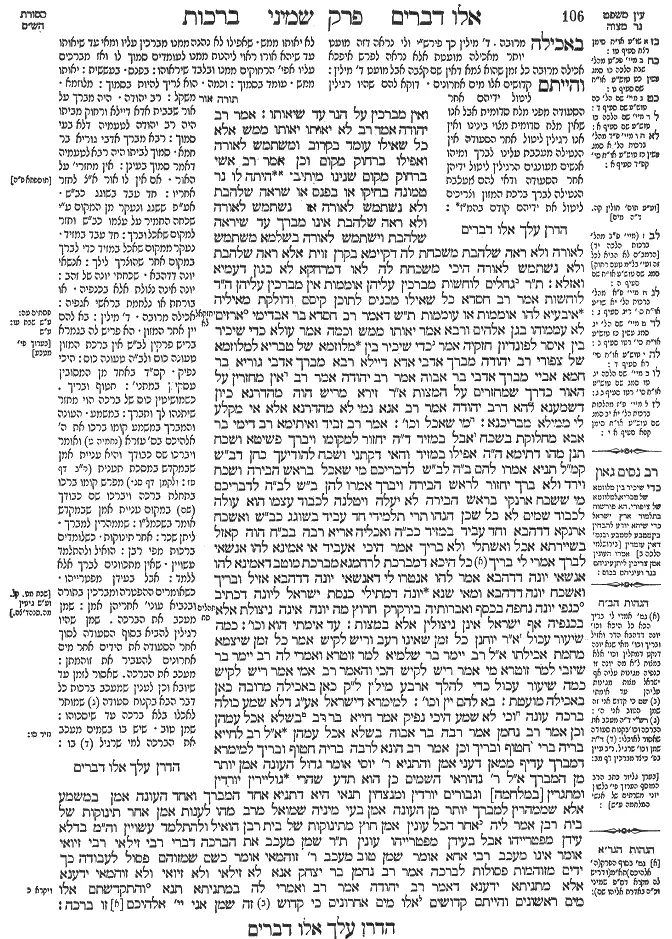
Berakhot 53b - Guemara
ואין מברכין על הנר עד שיאותו:
אמר רב יהודה אמר רב לא יאותו יאותו ממש אלא כל שאילו עומד בקרוב ומשתמש לאורה ואפילו ברחוק מקום וכן אמר רב אשי ברחוק מקום שנינו מיתיבי היתה לו נר טמונה בחיקו או בפנס או שראה שלהבת ולא נשתמש לאורה או נשתמש לאורה ולא ראה שלהבת אינו מברך עד שיראה שלהבת וישתמש לאורה בשלמא משתמש לאורה ולא ראה שלהבת משכחת לה דקיימא בקרן זוית אלא ראה שלהבת ולא נשתמש לאורה היכי משכחת לה לאו דמרחקא לא כגון דעמיא ואזלא:
תר גחלים לוחשות מברכין עליהן אוממות אין מברכין עליהן הד לוחשות אמר רב חסדא כל שאילו מכניס לתוכן קיסם ודולקת מאיליה איבעיא להו אוממות או עוממות תש דאמר רב חסדא בר אבדימי (יחזקאל לא ח) ארזים לא עממוהו בגן אלהים ורבא אמר יאותו ממש וכמה אמר עולא כדי שיכיר בין איסר לפונדיון חזקיה אמר כדי שיכיר בין מלוזמא של טבריא למלוזמא של צפורי רב יהודה מברך אדבי אדא דיילא רבא מברך אדבי גוריא בר חמא אביי מברך אדבי בר אבוה אמר רב יהודה אמר רב אין מחזרין על האור כדרך שמחזרים על המצות אר זירא מריש הוה מהדרנא כיון דשמענא להא דרב יהודה אמר רב אנא נמי לא מהדרנא אלא אי מקלע לי ממילא מבריכנא:
מי שאכל וכו':
אמר רב זביד ואיתימא רב דימי בר אבא מחלוקת בשכח אבל במזיד דה יחזור למקומו ויברך פשיטא ושכח תנן מהו דתימא הה אפילו במזיד והאי דקתני ושכח להודיעך כחן דבש קמל תניא אמרו להם בה לבש לדבריכם מי שאכל בראש הבירה ושכח וירד ולא ברך יחזור לראש הבירה ויברך אמרו להן בש לבה לדבריכם מי ששכח ארנקי בראש הבירה לא יעלה ויטלנה לכבוד עצמו הוא עולה לכבוד שמים לא כל שכן הנהו תרי תלמידי חד עביד בשוגג כבש ואשכח ארנקא דדהבא וחד עביד במזיד כבה ואכליה אריא רבה בבח הוה קאזל בשיירתא אכל ואשתלי ולא בריך אמר היכי אעביד אי אמינא להו אנשאי לברך אמרי לי בריך כל היכא דמברכת לרחמנא מברכת מוטב דאמינא להו אנשאי יונה דדהבא אמר להו אנטרו לי דאנשאי יונה דדהבא אזיל ובריך ואשכח יונה דדהבא ומאי שנא יונה דמתילי כנסת ישראל ליונה דכתיב (תהלים סח יד) כנפי יונה נחפה בכסף ואברותיה בירקרק חרוץ מה יונה אינה ניצולת אלא בכנפיה אף ישראל אינן ניצולין אלא במצות:
עד אימתי הוא וכו':
כמה שיעור עכול אר יוחנן כל זמן שאינו רעב וריש לקיש אמר כל זמן שיצמא מחמת אכילתו אל רב יימר בר שלמיא למר זוטרא ואמרי לה רב יימר בר שיזבי למר זוטרא מי אמר ריש לקיש הכי והאמר רב אמי אמר ריש לקיש כמה שיעור עכול כדי להלך ארבע מילין לק כאן באכילה מרובה כאן באכילה מועטת:
בא להם יין וכו':
למימרא דישראל אעג דלא שמע כולה ברכה עונה וכי לא שמע היכי נפיק אמר חייא בר רב בשלא אכל עמהן וכן אמר רב נחמן אמר רבה בר אבוה בשלא אכל עמהן אל רב לחייא בריה ברי חטוף ובריך וכן אמר רב הונא לרבה בריה חטוף ובריך למימרא דמברך עדיף ממאן דעני אמן והתניא ר' יוסי אומר גדול העונה אמן יותר מן המברך אל ר' נהוראי השמים כן הוא תדע שהרי גוליירין יורדין ומתגרין [במלחמה] וגבורים יורדין ומנצחין תנאי היא דתניא אחד המברך ואחד העונה אמן במשמע אלא שממהרין למברך יותר מן העונה אמן בעי מיניה שמואל מרב מהו לענות אמן אחר תינוקות של בית רבן אמר ליה אחר הכל עונין אמן חוץ מתינוקות של בית רבן הואיל ולהתלמד עשויין והמ בדלא עידן מפטרייהו אבל בעידן מפטרייהו עונין תר שמן מעכב את הברכה דברי רבי זילאי רבי זיואי אומר אינו מעכב רבי אחא אומר שמן טוב מעכב ר' זוהמאי אומר כשם שמזוהם פסול לעבודה כך ידים מזוהמות פסולות לברכה אמר רב נחמן בר יצחק אנא לא זילאי ולא זיואי ולא זוהמאי ידענא אלא מתניתא ידענא דאמר רב יהודה אמר רב ואמרי לה במתניתא תנא (ויקרא כ ז) והתקדשתם אלו מים ראשונים והייתם קדושים אלו מים אחרונים כי קדוש זה שמן אני יי' אלהיכם זו ברכה:
הדרן עלך אלו דברים
Comments from Rashi on Masechet Berakhot Page 53b
לא יאותו ממש . שאפילו לא נהנה ממנו מברכין עליו ומאי עד שיאותו עד שיהא אורו ראוי ליהנות ממנו לעומדים סמוך לו ואז מברכים עליו אפי' הרחוקים ממנו ובלבד שיראוהו: בפנס . בעששית: יאותו ממש . עומד בסמוך: וכמה . הוא צריך להיות בסמוך: מלוזמא . משקל: רב יהודה . היה מברך על אור שבבית אדא דיילא ורחוק מביתו היה רב יהודה לטעמיה דלא בעי סמוך: רבא מברך אדבי גוריא בר חמא . סמוך לביתו היה רבא לטעמיה דאמר סמוך בעינן: אין מחזרין על האור . אם אין לו אור א"צ לחזר אחריו: חד עבד בשוגג כב"ש . אע"פ ששגג ונעקר מן המקום ע"י שכחה החמיר על עצמו כב"ש וחזר למקום שאכל וברך: חד עבד במזיד . נעקר ממקום שאכל במזיד כדי לברך במקום אחר שהוצרך לילך: חד עבד בשוגג כב"ש . אע"פ ששגג ונעקר מן המקום ע"י שכחה החמיר על עצמו כב"ש וחזר למקום שאכל וברך: חד עבד במזיד . נעקר ממקום שאכל במזיד כדי לברך במקום אחר שהוצרך לילך: אנשאי יונה דדהבא . שכחתי יונה של זהב: יונה אינה נצולת אלא בכנפיה . או בורחת או נלחמת בראשי אגפיה: אכילה מרובה . ד' מילין: בא להם יין אחר המזון . הא פריש לה בגמרא בריש פרקין לב"ש אין ברכת המזון טעונה כוס ולב"ה טעונה כוס: היכי נפיק . קס"ד באחד מן המסובין עסקינן במתני': חטוף ובריך . כשמושיטין כוס של ברכה הוי מחזר שיתנהו לך ותברך: במשמע . העונה והמברך במשמע קומו ברכו את ה' אלהיכם בס' עזרא (נחמיה ט) ואומר ויברכו שם כבודך והיא עניית אמן שבמקדש במסכת תענית (פ"ב דף טז: ולקמן ברכות דף סג.) מפרש קומו ברכו בתחלת ברכה ויברכו שם כבודך( נחמיה ט) במקום עניית אמן שבמקדש אומר בשכמל"ו: שממהרין למברך . ליתן שכר: אחר תינוקות . כשלומדים ברכות מפי רבן: הואיל ולהתלמד עשויין . שאין מתכוונים לברך אלא ללמד: אבל בעידן מפטרייהו . כשאומרים ההפטרה ומברכין בתורה ובנביא עוני' אחריהן אמן: שמן מעכב את הברכה . שמן שהיו רגילין להביא בסוף הסעודה לסוך אחר הסעודה את הידים אחר מים אחרונים להעביר את זוהמתן: מעכב את הברכה . שאסור לזמן עד שיובא וכן לענין שמעכב ברכות כל דבר הבא בקנוח סעודה שמותר לאכלו בלא ברכה עד שיסכוהו: שמן טוב . שיש בו בשמים מעכב את הברכה למי שרגיל בו: הדרן עלך אלו דברים
Comments from Tosafot - Berakhot 53b
באכילה מרובה . ד' מילין כך פירש"י ולי נראה דזה מועט יותר מאכילה מועטת אלא נראה לפרש איפכא אכילה מרובה כל זמן שהוא צמא דאין שם קצבה אבל מועט ד' מילין: והייתם קדושים אלו מים אחרונים . דוקא להם שהיו רגילין ליטול ידיהם אחר הסעודה מפני מלח סדומית אבל אנו שאין מלח סדומית מצוי בינינו ואין אנו רגילין ליטול אחר הסעודה אין הנטילה מעכבת עלינו לברך ומיהו אנשים מעונגים הרגילין ליטול ידיהן אחר הסעודה ודאי להם מעכבת הנטילה לברך ברכת המזון וצריכים ליטול את ידיהם קודם בהמ"ז: הדרן עלך אלו דברים
Berakhot 53b - Mishnah translated into english
We learned in the mishna: And one does not recite the blessing over the candle until he derives benefit from its light.
Rav Yehuda says that Rav says: Derives benefit does not mean that the one reciting the blessing must actually derive benefit from the light of the candle. Rather, as long as if one were to stand close to the candle he could utilize its light, if he sees it he may recite a blessing over it, even if he is now standing at a distance.
The Gemara raises an objection from a Tosefta: One who had a candle hidden in his lap or placed inside an opaque lamp, or if he saw a flame and did not utilize its light, or if he utilized its light and did not see a flame, may not recite a blessing until he both sees the flame and utilizes its light.
The Gemara first clarifies the content of the Tosefta itself: Granted, a case where one utilizes its light and did not see a flame, can be found where the flame is situated around a corner, illuminating the area but hidden from his view. But how can a case where one saw a flame and did not utilize its light be found? Is it not referring to a case where one is distant? Apparently, one must actually utilize the flame; merely having the potential to utilize it is not sufficient.
The Gemara rejects this: No. This refers to a case where the flame is gradually dimming. One sees the flame, but is unable to utilize its light.
The Sages taught in a baraita: One may recite a blessing over smoldering coals just as he does over a candle; however, over dimming [omemot] coals, one may not recite a blessing. The Gemara asks: What are the circumstances of smoldering coals? Rav Ḥisda said: Smoldering coals are any coals that, if one places a wood chip among them, it ignites on its own without fanning the flame.
With regard to the wording of the baraita, the Gemara raises a dilemma: Does the baraita say omemot beginning with an alef, or omemot beginning with an ayin?
Come and hear a resolution, as Rav Ḥisda bar Avdimi said: The correct version is omemot beginning with an ayin, as it is stated: “The cedars in the garden of God could not dim it [amamuhu]” (Ezekiel 31:8).
And with regard to the question whether or not one must actually benefit from the flame’s light in order to recite a blessing, Rava said: When the mishna said benefit, it meant that he must actually derive benefit from the light.
The Gemara asks: And how adjacent must one be in order to be considered to have derived benefit from the flame? Ulla said: So that he can distinguish between an issar and a pundeyon, two coins of the period. Ḥizkiya said: So that he can distinguish between a weight used in Tiberias and a weight used in Tzippori, which were slightly different.
The Gemara relates that the amora’im conducted themselves in accordance with their above-stated opinions. At the conclusion of Shabbat, Rav Yehuda would recite a blessing over the light of the house of Adda, the servant, which was far from his house. Rava would recite a blessing over the light of the house of Gurya bar Ḥama, which was adjacent to his house. Abaye would recite a blessing over the light of the house of bar Avuh.
Rav Yehuda said that Rav said a general halakhic principle: One need not seek out light at the conclusion of Shabbat in the manner that one seeks out other mitzvot. If no flame is available over which to recite a blessing, it does not prevent one from reciting havdala. And Rav Zeira said: Initially I would seek out light, once I heard this halakha that Rav Yehuda said that Rav said, I too do not seek out light. However, if a candle happens to become available to me, I recite a blessing over it.
Our mishna cited a dispute regarding one who ate and forgot and did not recite a blessing; Beit Shammai say: He returns to the place where he ate and recites the blessing. Beit Hillel say: That is unnecessary. He recites the blessing at the place where he remembered. Rav Zevid said and some say Rav Dimi bar Abba said: This dispute is only with regard to a case where one forgot to recite the blessing, but if he did so intentionally, everyone agrees that he must return to the place where he ate and recite a blessing.
The Gemara asks: This is obvious. We learned in the mishna: And forgot, not if he did so intentionally.
The Gemara explains: Lest you say that the same is true, that Beit Hillel permit one to recite a blessing without returning to the place where he ate, even in a case where he willfully did not recite a blessing, and that which was taught: And forgot, is to convey the far-reaching nature of the opinion of Beit Shammai, who require him to return to the place where he ate even if he forgot, Rav Zevid teaches us that there is no disagreement in that case.
It was taught in a baraita that Beit Hillel said to Beit Shammai: According to your statement, one who ate atop the Temple Mount, God’s chosen place of residence, and forgot and descended without reciting a blessing, must he return to the top of the Temple Mount, God’s chosen place of residence, to recite a blessing? Beit Shammai said to Beit Hillel: Why not? And according to your statement, one who forgot his purse atop the Temple Mount, God’s chosen place of residence, would he not ascend to retrieve it? If one ascends in deference to his own needs, all the more so he should ascend in deference to Heaven.
The Gemara relates: There were these two students who ate and did not recite a blessing. One of them did so unwittingly, and, in accordance with the opinion of Beit Shammai, returned to where he ate, and found a purse of gold. One of them did so intentionally, and, in accordance with the opinion of Beit Hillel, albeit in circumstances where they agree with Beit Shammai, did not return and a lion ate him.
The Gemara further relates: Rabba bar bar Ḥana was once traveling with a caravan. He ate and forgot and did not recite a blessing. He said to himself: What shall I do? If I say to them: I forgot to recite a blessing, they will say to me to recite a blessing here, as wherever you recite a blessing, you recite a blessing to God. It is better that I say to them: I forgot a golden dove. Then they will wait for me while I retrieve it. He said to them: Wait for me, as I forgot a golden dove. He went and recited a blessing and found a golden dove.
The Gemara asks: What is different about a dove, that he specifically said that that was the object that he forgot? The Gemara answers: Because the community of Israel is likened to a dove, as it is written: “The wings of a dove, covered in silver, and its pinions with the shimmer of gold” (Psalms 68:14). The Gemara explains the parable: Just as a dove is saved from its enemies only by its wings, so too, Israel is saved only by the merit of the mitzvot.
We learned in the mishna: And until when does he recite the blessing? Until the food is digested in his intestines.
The Gemara asks: What is the duration of digestion? Rabbi Yoḥanan said: As long as he is not yet hungry again. And Reish Lakish said: As long as he is thirsty due to his eating.
Rav Yeimar bar Shelamya said to Mar Zutra, and some say that it was Rav Yeimar bar Sheizevi who said to Mar Zutra: Did Reish Lakish say that? Didn’t Rav Ami say that Reish Lakish said: What is the duration of digestion? As long as it takes to walk four mil?
The Gemara answers: This is not difficult. Here, where Reish Lakish said the duration is as long as it takes to walk four mil, is in a case where he ate a sizable meal, here, where Reish Lakish said the duration is as long as he remains thirsty, is in a case where he ate a meager meal.
We learned in the mishna a tannaitic dispute with regard to a case where wine came before the diners after the meal, and we also learned in the mishna that one answers amen after a Jew recites a blessing even if he did not hear the entire blessing.
The Gemara asks: Is that to say that if a Jew recites a blessing, even though one did not hear the entire blessing, he responds amen? If he did not hear the entire blessing, how did he fulfill his obligation?
Ḥiyya bar Rav said: This is not a case where one seeks to fulfill his obligation by responding amen; rather, it is a case where he did not eat with them yet still wishes to answer amen to their blessing. And so Rav Naḥman said that Rabba bar Avuh said: It is a case where he did not eat with them. The Gemara relates: Rav said to his son, Ḥiyya: My son, seize the opportunity and recite a blessing quickly. And similarly Rav Huna said to his son, Rabba, seize the opportunity and recite a blessing.
The Gemara asks: Is that to say that one who recites a blessing is preferable to one who answers amen? Wasn’t it taught in a baraita that Rabbi Yosei says: The reward of the one who answers amen is greater than the reward of the one who recites the blessing?
Rabbi Nehorai said to him: By Heavens, an oath in the name of God, it is so. Know that this is true, as the military assistants [gulyarin] descend to the battlefield and initiate the war and the mighty descend and prevail. The amen that follows a blessing is compared to the mighty who join the war after the assistants, illustrating that answering amen is more significant than reciting the initial blessing.
The Gemara responds: This is subject to a tannaitic dispute, as it was taught in a baraita: Both the one who recites a blessing and the one who answers amen are included among those who “stand up and bless” (Nehemiah 9:5), but they hurry to reward, i.e., the one who recites the blessing, more than they hurry to reward, i.e., the one who answers amen.
Shmuel raised a dilemma before Rav: What is the halakha with regard to answering amen after the blessings of schoolchildren? Rav said to him: One answers amen following everyone whom we hear recite a blessing, except for schoolchildren, as they recite blessings merely in order to learn them, not as expressions of thanksgiving. This applies specifically at a time when they are not fulfilling their obligation with the recitation of the blessing, but are simply learning. However, at a time when they are fulfilling their obligation through the recitation of a blessing, one answers amen after their blessing.
The Sages taught in a baraita: If one does not have oil to spread on and cleanse his hands after eating, this prevents him from reciting the Grace after Meals blessing; this is the statement of Rabbi Zilai. Rabbi Zivai says: Lack of that oil does not prevent one from reciting Grace after Meals. Rav Aḥa says: Lack of fine oil prevents one from reciting Grace after Meals. One must wait until he rubs oil on his hands. Rav Zuhamai says: Just as one who is filthy is unfit for Temple service, so too are filthy hands unfit for reciting the Grace after Meals blessing.
Rav Naḥman bar Yitzḥak said of this: I do not know of Zilai or Zivai or Zuhamai; rather, I know a baraita, as Rav Yehuda said that Rav said, and some say that it was taught in a baraita: It is stated: “And you shall sanctify yourselves, and you shall be holy, for holy am I, the Lord your God” (Leviticus 20:26). With regard to this verse, the Sages said: And you shall sanctify yourselves, these are the first waters with which one washes his hands before the meal; and you shall be holy, these are the final waters; for holy, this is oil which one spreads on his hands; am I, the Lord your God, this is the Grace after Meals blessing.
May we return unto thee : The following are the points of variance !
Traduction : The William Davidson digital edition of the Koren Noé Talmud, with commentary by Rabbi Adin Even-Israel Steinsaltz.