 Talmud Bavli
The learning on the whole site is dedicated : L'ilui Nishmat Rav Chlomo Ben Jamilla
The learning on the whole site is dedicated : L'ilui Nishmat Ledicia bat David Banoun
The learning on the whole site is dedicated : L'ilui Nishmat Yaakov ben Myriam
Berakhot 43a : Youtube
Daf TubeYoutube
2 video classes :
Berakhot Page 43a
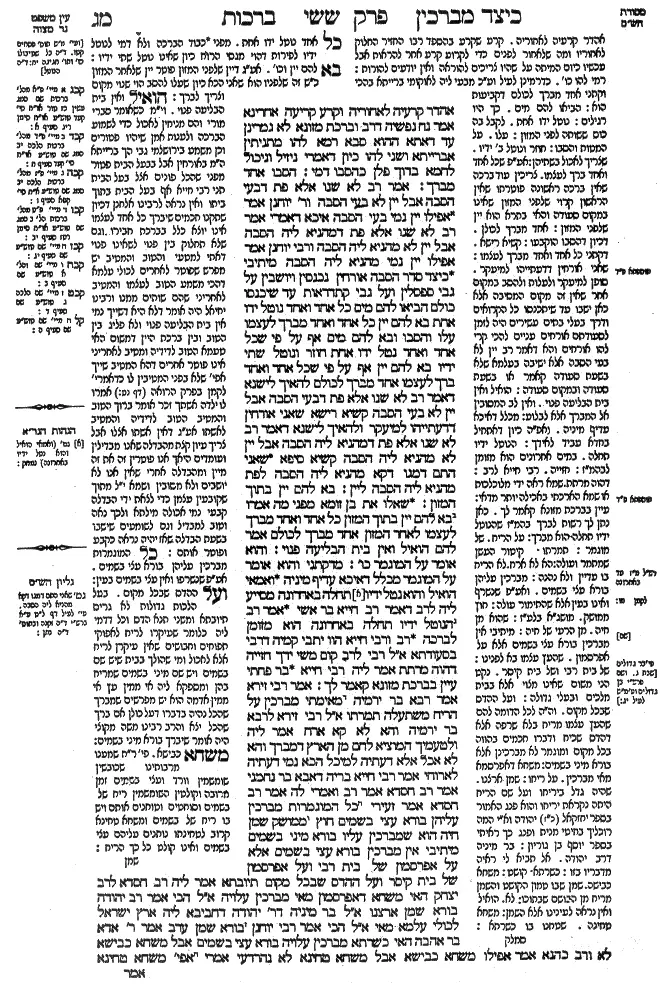
Berakhot 43a - Guemara
אהדר קרעיה לאחוריה וקרע קריעה אחרינא אמר נח נפשיה דרב וברכת מזונא לא גמרינן עד דאתא ההוא סבא רמא להו מתניתין אברייתא ושני להו כיון דאמרי ניזיל וניכול לחמא בדוך פלן כהסבו דמי:
הסבו אחד מברך:
אמר רב לא שנו אלא פת דבעי הסבה אבל יין לא בעי הסבה ור' יוחנן אמר אפילו יין נמי בעי הסבה איכא דאמרי אמר רב לא שנו אלא פת דמהניא ליה הסבה אבל יין לא מהניא ליה הסבה ורבי יוחנן אמר אפילו יין נמי מהניא ליה הסבה מיתיבי כיצד סדר הסבה אורחין נכנסין ויושבין על גבי ספסלין ועל גבי קתדראות עד שיכנסו כולם הביאו להם מים כל אחד ואחד נוטל ידו אחת בא להם יין כל אחד ואחד מברך לעצמו עלו והסבו ובא להם מים אף על פי שכל אחד ואחד נטל ידו אחת חוזר ונוטל שתי ידיו בא להם יין אף על פי שכל אחד ואחד ברך לעצמו אחד מברך לכולם להאיך לישנא דאמר רב לא שנו אלא פת דבעי הסבה אבל יין לא בעי הסבה קשיא רישא שאני אורחין דדעתייהו למיעקר ולהאיך לישנא דאמר רב לא שנו אלא פת דמהניא ליה הסבה אבל יין לא מהניא ליה הסבה קשיא סיפא שאני התם דמגו דקא מהניא ליה הסבה לפת מהניא ליה הסבה ליין:
בא להם יין בתוך המזון:
שאלו את בן זומא מפני מה אמרו בא להם יין בתוך המזון כל אחד ואחד מברך לעצמו לאחר המזון אחד מברך לכולם אמר להם הואיל ואין בית הבליעה פנוי:
והוא אומר על המוגמר כו':
מדקתני והוא אומר על המוגמר מכלל דאיכא עדיף מיניה ואמאי הואיל והוא נטל ידיו תחלה באחרונה מסייע ליה לרב דאמר רב חייא בר אשי אמר רב הנוטל ידיו תחלה באחרונה הוא מזומן לברכה רב ורבי חייא הוו יתבי קמיה דרבי בסעודתא אל רבי לרב קום משי ידך חזייה דהוה מרתת אמר ליה רבי חייא בר פחתי עיין בברכת מזונא קאמר לך:
אמר רבי זירא אמר רבא בר ירמיה מאימתי מברכין על הריח משתעלה תמרתו אל רבי זירא לרבא בר ירמיה והא לא קא ארח אמר ליה ולטעמיך המוציא לחם מן הארץ דמברך והא לא אכל אלא דעתיה למיכל הכא נמי דעתיה לארוחי אמר רבי חייא בריה דאבא בר נחמני אמר רב חסדא אמר רב ואמרי לה אמר רב חסדא אמר זעירי כל המוגמרות מברכין עליהן בורא עצי בשמים חוץ ממושק שמן חיה הוא שמברכין עליו בורא מיני בשמים מיתיבי אין מברכין בורא עצי בשמים אלא על אפרסמון של בית רבי ועל אפרסמון של בית קיסר ועל ההדס שבכל מקום תיובתא אמר ליה רב חסדא לרב יצחק האי משחא דאפרסמון מאי מברכין עלויה אל הכי אמר רב יהודה בורא שמן ארצנו אל בר מיניה דר' יהודה דחביבא ליה ארץ ישראל לכולי עלמא מאי אל הכי אמר רבי יוחנן בורא שמן ערב אמר ר' אדא בר אהבה האי כשרתא מברכין עלויה בורא עצי בשמים אבל משחא כבישא לא ורב כהנא אמר אפילו משחא כבישא אבל משחא טחינא לא נהרדעי אמרי אפי' משחא טחינא
Comments from Rashi on Masechet Berakhot Page 43a
אהדר קרעיה לאחוריה . קרע שקרע בהספד רבו החזיר החלוק לאחוריו ומה שלאחור לפנים כדי לקרוע קרע אחר להראות אבל עכשיו כיום המיתה על שהיו צריכים להוראה ואין יודעים להורות: רמי להו כו' . כדרמינן לעיל וע"כ מבעי ליה לאוקומי ברייתא בהכי וקתני אחד מברך לכולם דקביעות הוא: הביאו להם מים . כך היו רגילים: נוטל ידו אחת . לקבל בה כוס ששותה לפני המזון: עלו . על המטות והסבו: חוזר ונוטל ב' ידיו . שצריך לאכול בשתיהן: אע"פ שכל אחד ואחד ברך לעצמו . צריכין עוד ברכה שאין ברכה ראשונה פוטרתו שאין הראשון קרוי שלפני המזון שאינו במקום סעודה והאי בתרא הוא יין שלפני המזון: אחד מברך לכולן . דכיון דהסבו הוקבעו: קשיא רישא . דקתני כל אחד ואחד מברך לעצמו: שאני אורחין דדעתייהו למיעקר . סופן למיעקר ולעלות ולהסב במקום אחר שאין זה מקום המסיבה אלא כאן ישבו עד שיתכנסו כל הקרואים ודרך בעלי בתים עשירים היה לזמן לסעודתם אורחים עניים להכי קרי להו אורחים והא דאמר רב יין לא בעי הסבה אלא ישיבה בעלמא שלא בשעת סעודה קאמר או בשעת סעודה ובמקום סעודה: הואיל ואין בית הבליעה פנוי . ואין לב המסובין אל המברך אלא לבלוע: מכלל דאיכא עדיף מיניה . ואפ"ה כיון דאתחיל בחדא עביד לאידך: הנוטל ידיו תחלה . במים אחרונים הוא מזומן לבהמ"ז: חזייה . רבי חייא לרב: דהוה מרתת . שמא ראה ידי מלוכלכות או שמא הארכתי באכילה יותר מדאי: עיין בברכת מזונא קאמר לך . כאן נתן לך רשות לברך בהמ"ז שהנוטל ידיו תחלה הוא מברך: על הריח . של מוגמר: תמרתו . קיטור העשן שמתמר ועולה: הא לא ארח . לא הריח בו עדיין ולא נהנה: מברכין עליהן בורא עצי בשמים . ואע"פ שנשרף ואינו בעין אלא שהתימור עולה: חוץ ממושק . מושג"א בלע"ז: שהוא מן חיה . מן הרעי של חיה: מיתיבי אין מברכין בורא עצי בשמים אלא על אפרסמון . שהעץ עצמו בא לפנינו: של בית רבי ושל בית קיסר . נקט הני משום שאינו מצוי אלא בבית מלכים ובעלי גדולה: של בית רבי ושל בית קיסר . נקט הני משום שאינו מצוי אלא בבית מלכים ובעלי גדולה: ועל ההדס שבכל מקום . וה"ה לכל הדומה להם שהעץ עצמו מריח בלא שרפה אלא דהדס שכיח ודברו חכמים בהווה בכל מקום ומוגמר לא מברכינן אלא בורא מיני בשמים: משחא דאפרסמא מאי מברכין . על ריחו: שמן ארצנו . שהיה גדל ביריחו ועל שם הריח היתה נקראת יריחו והוא פנג האמור בספר יחזקאל (כ"ז) יהודה וא"י המה רוכליך בחיטי מנית ופנג כך ראיתי בספר יוסף בן גוריון: בר מיניה דרב יהודה . אל תביא לי ראיה מדבריו בזו: כשרתא . קושט: משחא כבישא . שמן שבו טמון הקושט והשמן מריח מן הבושם שבתוכו: משחא כבישא . שמן שבו טמון הקושט והשמן מריח מן הבושם שבתוכו: משחא טחינא . שטחנו בו כשרתא: לא . הואיל ואין נראה לעינינו אלא השמן:
Comments from Tosafot - Berakhot 43a
כל אחד נוטל ידו אחת . מפני כבוד הברכה ולא דמי לנוטל ידיו לפירות דהוי מגסי הרוח כיון שאינו נוטל שתי ידיו: בא להם יין וכו' . אע"ג דיין שלפני המזון פוטר יין שלאחר המזון כ"ש זה שלפניו הוא שאני הכא כיון שעלו להסב הוי שנוי מקום וצריך לברך: הואיל ואין בית הבליעה פנוי . וי"מ כשאומר סברי מורי והם מניחין לאכול כדי לשמוע הברכה ולענות אמן שיהיו פטורים וכן משמע בירושלמי גבי הך ברייתא ה"מ באורחין אבל בבעל הבית פטור מפני שהכל פונים אצל בעל הבית תני רבי חייא אף בעל הבית בתוך ביתו ואין נראה לרבינו אלחנן דכיון שתקנו חכמים שיברך כל אחד לעצמו אינו יוצא כלל בברכת חבירו וגם שלא תחלוק בין פנוי לשאינו פנוי דאתי למטעי והטוב והמטיב יש מפרש שפוטר לאחרים לכולי עלמא דהכי משמע הטוב לעצמו והמטיב לאחריני שהם שותים ממנו ורבינו יחיאל היה אומר דלא היא דשייך נמי אין בית הבליעה פנוי ולא פליג בין הטוב ובין ברכת היין דמשום האי טעמא הטוב לדידיה ומטיב לאחריני אינו פוטר אחרים דהא המטיב שייך אפי' שלא בפני המטיבין לו כדאמרי' לקמן בפרק הרואה (ברכות דף נט:) אמרו לו ילדה אשתך זכר אומר ברוך הטוב והמטיב הטוב לדידיה והמטיב לאשתו אע"ג דאין אשתו אצלו אבל צריך עיון קצת מהבדלה שאנו מבדילין ועומדים היאך אנו פוטרין זה את זה מיין ומהבדלה אחרי שאין אנו לא יושבים ולא מסובין ושמא י"ל מתוך שקובעין עצמן כדי לצאת ידי הבדלה קבעי נמי אכולה מילתא ולכך נאה וטוב למבדיל וגם לשומעים שישבו בשעת הבדלה שאז יהיה נראה כקבע ופוטר אותם: כל המוגמרות מברכין עליהן בורא עצי בשמים . אע"פ שנשרפו ואין עצי בשמים בעין: ועל ההדס שבכל מקום . בעל הלכות גדולות לא גריס תיובתא ומשני תנא הדס וכל דדמי ליה כלומר שעיקרו לריח לאפוקי תפוחים וחבושים שאין עיקרן לריח אלא לאכול ומי שהולך בבית שיש שם בשמים ויש שם מיני בשמים שמריח בהן ומספקא ליה אי ממין עץ אי ממין אדמה הוא יש מפרשים שמברך שהכל נהיה בדברו דעל כולן אם ברך שהכל יצא והרב רבינו משה מקוצי היה אומר שיברך בורא מיני בשמים: משחא כבישא . פי' ר"ח שמענו מרבותינו שכובשין שומשמין וורד ועצי בשמים זמן מרובה וקולטין השומשמין ריח של בשמים וסוחטים וטוחנים אותם ויש בו ריח של בשמים ומשחא טחינא קרוב לטחינתו נותנים עליהם עצי בשמים ואינו קולט כל כך הריח:
Berakhot 43a - Mishnah translated into english
and reversed his cloak, so that his tear which he had rent in mourning of Rav was behind him, and in mourning, he rent another tear in his garment. He said: Rav is dead, and we have not yet learned the halakhot of the Grace after Meals. Until, this elder came and raised a contradiction from the mishna to the baraita, as cited above, and he resolved it for them: Since they said: Let us go and eat in such-and-such a place, it is considered as if they reclined.
We learned in the mishna: If they were reclined, one recites a blessing on behalf of them all. Rav said: This halakha was only taught with regard to bread that it requires reclining to enable one to recite a blessing on behalf of them all. However, wine does not require reclining. And Rabbi Yoḥanan said: Even wine requires reclining as well.
Some say that Rav said: The mishna only taught that reclining is effective and enables one to recite a blessing on behalf of them all, with regard to a group eating bread. However, with regard to a group drinking wine, reclining is ineffective and each individual must recite a blessing for himself. And Rabbi Yoḥanan said: Even with regard to wine, reclining is effective.
The Gemara raises an objection based on a Tosefta: What is the order of reclining at a meal? The guests enter and sit upon benches and chairs [katedraot] until all are assembled. Afterward, they brought them water and each and every one washes one hand in which to hold the cup of wine. When wine came before them prior to the meal, each and every one recites a blessing over the wine for himself. Then, when they entered and reclined on the divans for the meal itself, and water came before them, despite the fact that each and every one already washed one hand, they wash both hands again prior to the meal, so that they will be able to eat with both hands. If wine came before them during the meal, despite the fact that each and every one already recited a blessing for himself, one recites a blessing on behalf of them all.
If so, according to that version that Rav said: This halakha was only taught with regard to bread that it requires reclining to enable one to recite a blessing on behalf of them all. However, wine does not require reclining; the first clause of the Tosefta, which taught that each guest recites a blessing over the wine for himself, is difficult.
The Gemara answers: Guests are different, as when they are sitting in the hall prior to the meal, their intention is to leave and enter the dining room. Therefore, while there, their drinking together is not considered a joint meal.
And according to the version that Rav said: The mishna only taught that reclining is effective and enables one to recite a blessing on behalf of them all, with regard to a group eating bread. However, with regard to a group drinking wine, reclining is ineffective and each individual must recite a blessing for himself; the latter clause of the Tosefta, which taught that when drinking wine when reclining, one recites a blessing on behalf of all, is difficult.
The Gemara responds: There it is different, as since reclining is effective and enables one to recite a blessing on behalf of them all for bread, reclining is effective for wine as well.
We learned in the mishna: If wine came before them during the meal, each and every diner recites a blessing over the wine for himself. If the wine came after the meal, one recites a blessing on behalf of them all. The Tosefta relates: They asked Ben Zoma: Why did the Sages say: If wine came before them during the meal, each and every diner recites a blessing over the wine for himself; but if the wine came after the meal, one recites a blessing on behalf of them all? He said to them: This is because while eating, the throat is not available. If one recites a blessing on behalf of them all, he would be forced to wait until they all had finished eating and readied themselves to drink the wine together (Tosafot). To prevent imposing upon them, the Sages ruled that there is no need to recite the blessing together.
The mishna teaches: And he, who recited the blessing over the wine, also recites the blessing over the incense, although they bring the incense only after the meal. The Gemara asks: From the fact that the mishna teaches: And he recites the blessing over the incense, it can be inferred that there is someone who should take precedence over him, to recite the blessing. That is why the mishna must emphasize that it is he who recites the blessing. And why does the one who recited the blessing over the wine nevertheless recite the blessing over the incense?
The Gemara responds: Since he washed his hands first after the meal, prior to Grace after Meals, he also recites the blessing over the incense, as the washing of hands after the meal and the burning of the incense serve similar functions.
The Gemara comments: This supports the opinion of Rav, as Rav Ḥiyya bar Ashi says that Rav says: He who washes his hands first after the meal is designated to recite the blessing of Grace after Meals. Evidently, being given priority in performing one mitzva related to the meal results in that same person being given priority with regard to other mitzvot related to the meal. The Gemara relates: Rav and Rabbi Ḥiyya were seated before Rabbi Yehuda HaNasi at a meal. Rabbi Yehuda HaNasi said to Rav: Stand and wash your hands. Rabbi Ḥiyya saw that Rav was trembling, as Rav thought that Rabbi Yehuda HaNasi was criticizing him for eating too much or for having dirty hands. Rabbi Ḥiyya said to Rav: Son of noblemen, he is telling you to review Grace after Meals. As you will be the one reciting Grace after Meals, he told you to wash your hands first.
Having mentioned the blessing over incense, the Gemara proceeds to discuss various halakhot that deal with blessings recited over scents. Rabbi Zeira said that Rava bar Yirmeya said: From when does one recite the blessing over the scent of incense? From when its column of smoke rises after the incense has been placed upon the coals. Rabbi Zeira said to Rava bar Yirmeya: But at that point, he has not yet smelled it. Rava bar Yirmeya said to him: And according to your reasoning, the blessing: Who brings forth bread from the earth, that one recites before eating bread, at that point, he has not yet eaten from it. Rather, in that case, one recites the blessing when he intends to eat; here too, he intends to smell.
Rabbi Ḥiyya, son of Abba bar Naḥmani, said that Rav Ḥisda said that Rav said, and some say that Rav Ḥisda said that Ze’iri said: Over all the incense one recites: Who creates fragrant trees, except for musk, which is extracted from a living creature, and over which one recites: Who creates various spices.
The Gemara raises an objection based on what was taught in a baraita: One only recites: Who creates fragrant trees, over the balsam from the house of Rabbi Yehuda HaNasi, and over balsam from the house of Caesar and over myrtle everywhere. According to the previous statement, one recites that blessing over all types of incense.
The Gemara comments: Indeed, it is a conclusive refutation.
Rav Ḥisda said to Rav Yitzḥak: This balsam oil, what blessing does one recite over it? Rav Yitzḥak said to him, this is what Rav Yehuda said: One recites: Who creates the oil of our land, as balsam only grew in Eretz Yisrael, in the Jordan valley. Rav Ḥisda said to him: Except for Rav Yehuda, for whom Eretz Yisrael was extremely beloved and who therefore mentioned it in his blessing, what blessing does everyone else recite over balsam oil?
He said to him: This is what Rabbi Yoḥanan said: One recites: Who creates pleasant oil.
Rav Adda bar Ahava said: Over costus, a spice, one recites: Who creates fragrant trees, but over oil that was pressed with spices to absorb their scents, no, one does not recite that blessing. And Rav Kahana said: Even over oil pressed with spices, one recites: Who creates fragrant trees, but not over oil into which spices were ground. The Sages of Neharde’a say: Even over oil into which spices were ground, which is of even lower quality, one recites this blessing.
Traduction : The William Davidson digital edition of the Koren Noé Talmud, with commentary by Rabbi Adin Even-Israel Steinsaltz.