 Talmud Bavli
Berakhot 38a : Youtube
Daf TubeYoutube
2 video classes :
Berakhot Page 38a
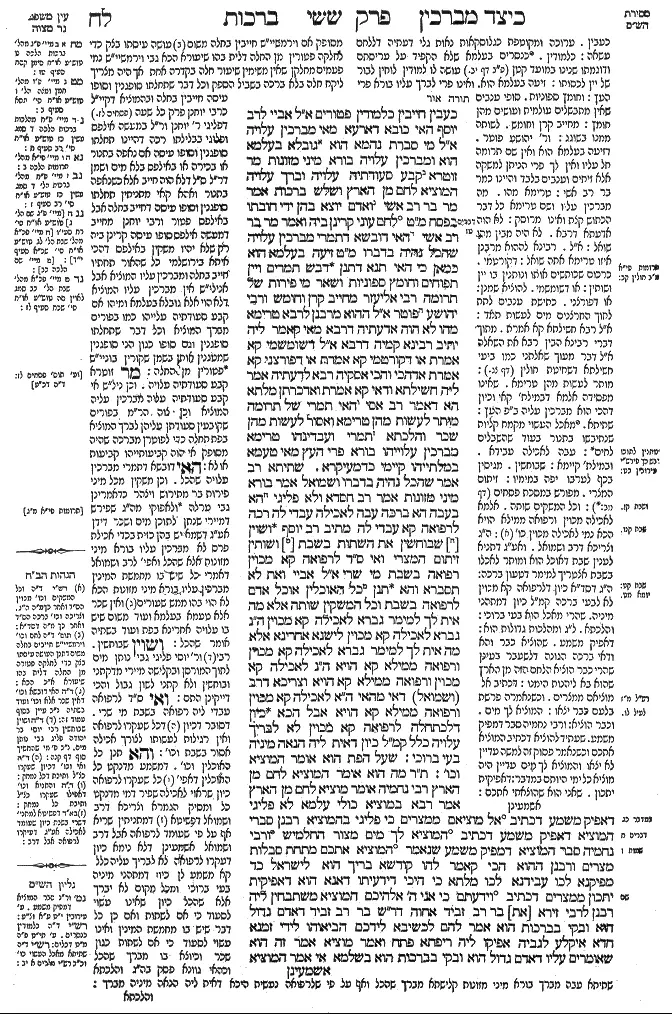
Berakhot 38a - Guemara
כעבין חייבין כלמודין פטורים אל אביי לרב יוסף האי כובא דארעא מאי מברכין עלויה אל מי סברת נהמא הוא גובלא בעלמא הוא ומברכין עלויה בורא מיני מזונות מר זוטרא קבע סעודתיה עלויה וברך עלויה המוציא לחם מן הארץ ושלש ברכות אמר מר בר רב אשי ואדם יוצא בהן ידי חובתו בפסח מט (דברים טז ג) לחם עוני קרינן ביה ואמר מר בר רב אשי האי דובשא דתמרי מברכין עלויה שהכל נהיה בדברו מט זיעה בעלמא הוא כמאן כי האי תנא דתנן דבש תמרים ויין תפוחים וחומץ ספוניות ושאר מי פירות של תרומה רבי אליעזר מחייב קרן וחומש ורבי יהושע פוטר אל ההוא מרבנן לרבא טרימא מהו לא הוה אדעתיה דרבא מאי קאמר ליה יתיב רבינא קמיה דרבא אל דשומשמי קא אמרת או דקורטמי קא אמרת או דפורצני קא אמרת אדהכי והכי אסקיה רבא לדעתיה אמר ליה חשילתא ודאי קא אמרת ואדכרתן מלתא הא דאמר רב אסי האי תמרי של תרומה מותר לעשות מהן טרימא ואסור לעשות מהן שכר והלכתא תמרי ועבדינהו טרימא מברכין עלוייהו בורא פרי העץ מאי טעמא במלתייהו קיימי כדמעיקרא. שתיתא רב אמר שהכל נהיה בדברו ושמואל אמר בורא מיני מזונות אמר רב חסדא ולא פליגי הא בעבה הא ברכה עבה לאכילה עבדי לה רכה לרפואה קא עבדי לה מתיב רב יוסף ושוין שבוחשין את השתות בשבת ושותין זיתום המצרי ואי סד לרפואה קא מכוין רפואה בשבת מי שרי אל אביי ואת לא תסברא והא תנן כל האוכלין אוכל אדם לרפואה בשבת וכל המשקין שותה אלא מה אית לך למימר גברא לאכילה קא מכוין הנ גברא לאכילה קא מכוין לישנא אחרינא אלא מה אית לך למימר גברא לאכילה קא מכוין ורפואה ממילא קא הויא הנ לאכילה קא מכוין ורפואה ממילא קא הויא וצריכא דרב (ושמואל) דאי מהאי הא לאכילה קא מכוין ורפואה ממילא קא הויא אבל הכא כיון דלכתחלה לרפואה קא מכוין לא לבריך עלויה כלל קמל כיון דאית ליה הנאה מיניה בעי ברוכי:
שעל הפת הוא אומר המוציא וכו':
תר מה הוא אומר המוציא לחם מן הארץ רבי נחמיה אומר מוציא לחם מן הארץ אמר רבא במוציא כולי עלמא לא פליגי דאפיק משמע דכתיב (במדבר כג כב) אל מוציאם ממצרים כי פליגי בהמוציא רבנן סברי המוציא דאפיק משמע דכתיב (דברים ח טו) המוציא לך מים מצור החלמיש ורבי נחמיה סבר המוציא דמפיק משמע שנאמר (שמות ו ז) המוציא אתכם מתחת סבלות מצרים ורבנן ההוא הכי קאמר להו קודשא בריך הוא לישראל כד מפיקנא לכו עבידנא לכו מלתא כי היכי דידעיתו דאנא הוא דאפיקית יתכון ממצרים דכתיב (שמות ו ז) וידעתם כי אני ה' אלהיכם המוציא משתבחין ליה רבנן לרבי זירא [את] בר רב זביד אחוה דרש בר רב זביד דאדם גדול הוא ובקי בברכות הוא אמר להם לכשיבא לידכם הביאוהו לידי זמנא חדא איקלע לגביה אפיקו ליה ריפתא פתח ואמר מוציא אמר זה הוא שאומרים עליו דאדם גדול הוא ובקי בברכות הוא בשלמא אי אמר המוציא
Comments from Rashi on Masechet Berakhot Page 38a
כעבין . ערוכה ומקוטפת כגלוסקאות נאות גלי דעתיה דללחם עשאה: כלמודין . כנסרים בעלמא שלא הקפיד על עריסתם ודוגמתו שנינו במועד קטן (פ"ב דף יב.) עושה לו למודין לוחין לבור של יין לכסותו: א"ל רבא חשילתא קא אמרת . מתוך דברי רבינא הבין רבא את השאלה א"ל דבר מעוך שאלתני כמו ביעי חשילתא דשחיטת חולין (דף צג.): זיעה בעלמא הוא . ואינו פרי לברך עליו בורא פרי העץ: וחומץ ספוניות . סופי ענבים שאין מתבשלים עולמית ועושים מהן חומץ: מחייב קרן וחומש . לשותה ממנו בשוגג: ור' יהושע פוטר . דזיעה בעלמא הוא ואין שם תרומה חל עליו ואין לך פרי הניתן למשקה אלא זיתים וענבים בלבד והיינו כמר בר רב אשי: טרימא מהו . מה מברכין עליו ושם טרימא כל דבר הכתוש קצת ואינו מרוסק: לא הוה אדעתא דרבא . לא היה מבין מהו שואל: א"ל . רבינא לההוא מרבנן איזו טרימא אתה שואל: דקורטמי . כרכום שכותשים אותו ונותנין בו יין ושותין: או דשומשמי . להוציא שמנן: או דפורצני . כתישת ענבים לתת לתוך החרצנים מים לעשות תמד: א"ל רבא חשילתא קא אמרת . מתוך דברי רבינא הבין רבא את השאלה א"ל דבר מעוך שאלתני כמו ביעי חשילתא דשחיטת חולין (דף צג.): מותר לעשות מהן טרימא . שאינו מפסידה אלמא דבמילת' קאי וכיון דהכי הוא מברכין עליה ב"פ העץ: והלכתא . ל"ג ומהלכות גדולות הוא: שתיתא . מאכל העשוי מקמח קליות שנתיבשו בתנור בעוד שהשבלים לחים: עבה לאכילה עבידא . ובמילת' קיימא: שבוחשין . מגיסין בכף לערבו יפה במימיו: זיתום המצרי . מפורש במסכת פסחים (דף מב:): וכל המשקים שותה . אלמא לאכילה מכוין ורפואה ממילא הויא הכא נמי לאכילה מכוין כו': ה"ג וצריכא דרב ושמואל . ואע"ג דתניא לענין שבת דאוכל הוא ומותר לאכלו בשבת איצטריך למימר דטעון ברכה: ה"ג דסד"א כיון דלרפואה קא מכוין לא לבעי ברכה קמ"ל כיון דמתהני מיניה. שהרי מאכל הוא בעי ברוכי: והלכתא . ל״ג ומהלכות גדולות הוא: דאפיק משמע . שהוציא כבר והא ודאי ברכה הגונה דלשעבר בעינן שהרי כבר הוציא הלחם הזה מן הארץ שהוא בא ליהנות הימנו: דכתיב אל מוציאם ממצרים . וכשנאמרה פרשת בלעם כבר יצאו: המוציא לך מים . וכבר הוציא: ורבי נחמיה סבר דמפיק משמע . שעתיד להוציא דכתיב המוציא אתכם וכשנאמר פסוק זה למשה עדיין לא יצאו והמוציא לך מים עדיין היה מוציא כל ימי היותם במדבר: דאפיקית יתכון . שאני הוא שהוצאתי אתכם:
Comments from Tosafot - Berakhot 38a
מר זוטרא קבע סעודתיה עלויה . וכן ניל"ש אי קבע סעודתיה עליה מברכין עליה המוציא וכן צוה הר"מ בפורים שקובעין סעודתן עליהן לברך המוציא בפת תחלה כדי לפוטרן מברכה שהיה מסופק אי הוה קביעותייהו קביעות או לא: האי דובשא דתמרי מברכין עלויה שהכל . וכן משקין מכל מיני פירות בר מתירוש ויצהר כדאמרינן גבי ערלה ולאפוקי מה"ג שפירש דמיירי שנתן לתוכן מים ושכר דידן אע"ג דשמא יש בהן כזית בכדי אכילת פרס לא מברכין עליו בורא מיני מזונות אלא שהכל ואפי' לרב ושמואל דאמרי כל שיש בו מחמשת המינין מברכין עליו בורא מיני מזונות הכא לא הוי בהו ממש שעורים ואין שכר אלא טעמא בעלמא ועוד משום שיש בו עלויה אחרינא בפת ועוד בשתיה אומר שהכל: ושוין שבוחשין . רבי ור' יוסי פליגי גבי נותן מים לתוך המורסן ובקלישה מיירי מדקתני ובוחשין ולא קתני לשון גבול והכי דייקינן התם: ואי ס"ד לרפואה עבדי ליה רפואה בשבת מי שרי . דסובר דכיון דכל שעקרו לרפואה ואין רגילות לעשותו לצורך אכילה אסור בשבת וכו': והא תנן כל האוכלין וכו' . דמשמע מדנקט כל האוכלין דאפי' כל שעקרו לרפואה כיון שראוי לאכילה שפיר דמי מדנקט כל ומסיק הגמרא וצריכא דרב ושמואל דפשיטא דמתניתין שריא אף על פי שעומד לרפואה אבל דרב ושמואל אשמעינן דלא נימא כיון דעקרו לרפואה לא לבריך עליה כלל קא משמע לן כיון דמתהני מיניה בעי ברוכי ומכל מקום לא יברך אלא שהכל כיון שאינו עשוי לסעוד כי אם לשתות ואם כן כל דבר שיש בו מחמשת המינין ואינו עשוי לסעוד כי אם לשתות כגון שכר וכיוצא בו מברך שהכל וכהאי גוונא פסק בה"ג והלכתא שתיתא עבה מברך בורא מיני מזונות קלישתא מברך שהכל ואף על פי שלרפואה נעשית היכא דאית ליה הנאה מיניה מברך:
Berakhot 38a - Mishnah translated into english
thick [ke’avin], so that they appear like loaves of bread, they are obligated in ḥalla, and if he shaped them like boards [kelimmudin], they are exempt, since they will certainly only be used for kutaḥ. Abaye said to Rav Yosef: What blessing is recited over the dough of the ground? Rav Yosef said to him: Do you think that it is bread? It is merely kneaded dough, and just like over all other cooked grains, one recites over it the blessing: Who creates the various kinds of nourishment.
Mar Zutra based his meal on this dough, and he recited: Who brings forth bread from the earth, beforehand and the three blessings of Grace after Meals thereafter. Since he based his meal on it, he considered it to be bread.
Mar bar Rav Ashi said: With these types of bread, a person fulfills his obligation to eat matza on Passover. What is the reason? Because we call it bread of affliction, and in that sense, it is in the category of matza.
And with regard to blessings, Mar bar Rav Ashi said: Over this date honey one recites: By Whose word all things came to be. What is the reason that one does not recite: Who creates fruit of the tree, as he does over the date itself? Because date honey is not the essence of the fruit, but merely moisture that drips from the ripe fruit.
In accordance with whose opinion does he recite that blessing? In accordance with the opinion of this tanna, as we learned in a mishna: If a non-priest ate date honey, apple wine or vinegar made from grapes of autumn that grow stunted at the end of the season and are unfit for wine production, or any other type of juice made from fruits of teruma, Rabbi Eliezer obligates him to repay the principal and an additional fifth as a penalty for misuse of consecrated items. And Rabbi Yehoshua exempts him from payment, because he holds that these are byproducts of the fruit and do not have the status of the fruit itself. Mar bar Rav Ashi’s ruling with regard to blessings was based on Rabbi Yehoshua’s ruling with regard to teruma.
One of the Sages said to Rava: What is the halakha with regard to terima? Rava was unfamiliar with the term terima and did not understand what he was saying to him. Ravina sat before Rava and said to the student who had posed the question to Rava: In posing the question, are you speaking of sesame terima or are you speaking of safflower terima or are you speaking of grape-pits terima?
Meanwhile, Rava comprehended the meaning of the term and said to the Sage: Certainly, you are speaking of pressed items, and you reminded me of a matter that Rav Asi said: Those dates of teruma; one is permitted to press them in order to make terima, because the dates maintain their form, and one is forbidden to make date beer from them, as in so doing the dates are damaged and it is forbidden to damage teruma. The Gemara concludes: The halakha is that over dates that were made into terima, one recites: Who creates fruit of the tree. What is the reason? Because they remain in their original state.
The Gemara raises another question with regard to the blessing recited on roasted barley to which honey or vinegar was added [shetita]. Rav said that one recites: By Whose word all things came to be; and Shmuel said that one recites: Who creates the various kinds of nourishment.
Rav Ḥisda said: And they do not disagree, as each is referring to a different case. This, where Shmuel said that one recites: Who creates the various kinds of nourishment, is in a case where the mixture is thick, while this, where Rav said that one recites: By Whose word all things came to be, is in a case where the mixture is thin. When it is thick, he made it as food; therefore one recites a blessing just as he would over any food made from the five species of grain. When it is thin, he made it as medicine, therefore one only recites: By Whose word all things came to be.
With regard to the assumption that this mixture is essentially medicinal, Rav Yosef raised a challenge from the laws of Shabbat: And they agree that one may mix shetita on Shabbat and drink Egyptian beer [zitom haMitzri], which contains a mixture of a pungent spice in flour. And if it enters your mind to say that when one prepares shetita, his intention is for medicinal purposes, is medicine permitted on Shabbat?
Abaye said to Rav Yosef: Do you not hold that to be true? Didn’t we learn in a mishna: All foods that are commonly eaten; a person may eat them for medicinal purposes on Shabbat, and all drinks that are not designated for medicinal purposes, a person may drink them for medicinal purposes on Shabbat. But what can you say in explaining that ruling? The man’s intention is for the purpose of eating; here too, when he mixes the shetita, the man’s intention is for the purpose of eating.
The Gemara cites another version of what was taught above: But what can you say in explaining that ruling? The man’s intention is for the purpose of eating and the cure comes about on its own; here too, the man’s intention is for the purpose of eating and the cure comes about on its own. Ostensibly, after proving that it is permissible to drink the shetita on Shabbat, it is clearly a type of food over which one is required to recite a blessing. If so, it is difficult to understand the need for Rav and Shmuel to point out that one is required to recite a blessing over it.
Therefore the Gemara says: And the statement of Rav and Shmuel is necessary, as if the halakha had been derived solely from this mishna that permits drinking shetita on Shabbat, I would have said: This applies specifically when one’s intention is for the purpose of eating and the cure comes about on its own. Here, however, since from the outset, his intention in eating the shetita is for the purpose of medicine; just as one recites no blessing when he ingests medicine, let him recite no blessing over the shetita at all. Therefore, Rav and Shmuel taught us that here, since he derives pleasure from eating it, he is required to recite a blessing.
We learned in the mishna that over bread one recites: Who brings forth bread from the earth. The Sages taught in a baraita: What does one who eats bread recite before eating? Who brings forth [hamotzi] bread from the earth. Rabbi Neḥemya says that the blessing is phrased: Who brought forth [motzi] bread from the earth. Rava said: Everyone agrees that the term motzi means brought, in the past tense, as it is written: “God who brought them forth [motziam] from Egypt is for them like the horns of the wild ox” (Numbers 23:22). When do they disagree? With regard to the term hamotzi, as the Rabbis hold that hamotzi means that God brought forth, in the past tense, as it is written: “Who brought forth [hamotzi] for you water from a rock of flint” (Deuteronomy 8:15), which depicts a past event. Rabbi Neḥemya holds that the term hamotzi means that God brings forth in the present tense, as it is stated in Moses’ prophecy to the Jewish people in Egypt: “And you will know that I am the Lord your God who is bringing you forth [hamotzi] from under the burdens of Egypt” (Exodus 6:7). Since, in that context, hamotzi is used with regard to an event transpiring in the present or possibly even one that will transpire in the future, it is inappropriate to include this term in a blessing referencing the past.
And the Rabbis, how do they respond to that proof? The Sages interpret that verse to mean that the Holy one, Blessed be He, said to Israel as follows: When I bring you forth, I will perform something for you that you will know that I am the one who brought you forth from Egypt, as it is written: “And you will know that I am the Lord your God who brought you forth [hamotzi]”; in this verse, too, hamotzi refers to the past.
On that note, the Gemara relates: The Sages would praise son of Rav Zevid, brother of Rabbi Shmuel bar Rav Zevid to Rabbi Zeira, that he is a great man and he is expert in blessings. Rabbi Zeira said to the Sages: When he comes to you, bring him to me so that I can meet him. One day he happened to come before him. They brought out bread to the guest, he began and recited: Who brought forth [motzi] bread from the earth. Rabbi Zeira grew annoyed and said: This is he of whom they say that he is a great man and expert in blessings? Granted, had he recited: Hamotzi,
Traduction : The William Davidson digital edition of the Koren Noé Talmud, with commentary by Rabbi Adin Even-Israel Steinsaltz.