 Talmud Bavli
Berakhot 16a : Youtube
Daf TubeYoutube
2 video classes :
Berakhot Page 16a
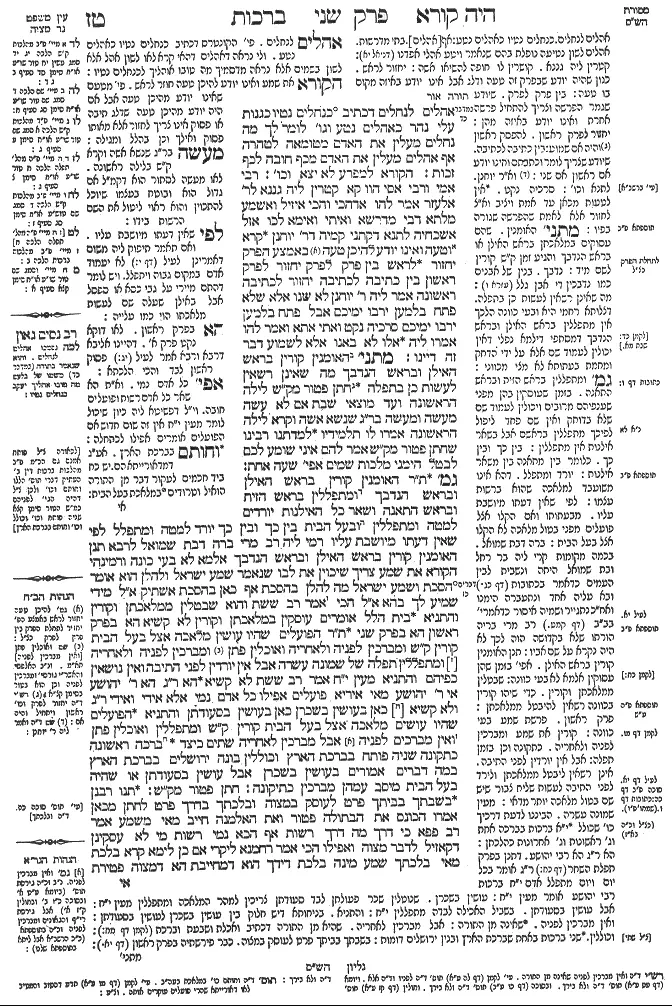
Berakhot 16a - Guemara
אהלים לנחלים דכתיב (במדבר כד ו) כנחלים נטיו כגנות עלי נהר כאהלים נטע וגו' לומר לך מה נחלים מעלין את האדם מטומאה לטהרה אף אהלים מעלין את האדם מכף חובה לכף זכות:
הקורא למפרע לא יצא וכו':
רבי אמי ורבי אסי הוו קא קטרין ליה גננא לר' אלעזר אמר להו אדהכי והכי איזיל ואשמע מלתא דבי מדרשא ואיתי ואימא לכו אזל אשכחיה לתנא דקתני קמיה דר' יוחנן קרא וטעה ואינו יודע להיכן טעה באמצע הפרק יחזור לראש בין פרק לפרק יחזור לפרק ראשון בין כתיבה לכתיבה יחזור לכתיבה ראשונה אמר ליה ר' יוחנן לא שנו אלא שלא פתח בלמען ירבו ימיכם אבל פתח בלמען ירבו ימיכם סרכיה נקט ואתי אתא ואמר להו אמרו ליה אלו לא באנו אלא לשמוע דבר זה דיינו:
מתני׳ האומנין קורין בראש האילן ובראש הנדבך מה שאינן רשאין לעשות כן בתפלה חתן פטור מקש לילה הראשונה ועד מוצאי שבת אם לא עשה מעשה ומעשה ברג שנשא אשה וקרא לילה הראשונה אמרו לו תלמידיו למדתנו רבינו שחתן פטור מקש אמר להם איני שומע לכם לבטל הימני מלכות שמים אפי' שעה אחת:
גמ׳ תר האומנין קורין בראש האילן ובראש הנדבך ומתפללין בראש הזית ובראש התאנה ושאר כל האילנות יורדים למטה ומתפללין ובעל הבית בין כך ובין כך יורד למטה ומתפלל לפי שאין דעתו מיושבת עליו רמי ליה רב מרי ברה דבת שמואל לרבא תנן האומנין קורין בראש האילן ובראש הנדבך אלמא לא בעי כונה ורמינהי הקורא את שמע צריך שיכוין את לבו שנאמר שמע ישראל ולהלן הוא אומר (דברים כז ט) הסכת ושמע ישראל מה להלן בהסכת אף כאן בהסכת אשתיק אל מידי שמיע לך בהא אל הכי אמר רב ששת והוא שבטלין ממלאכתן וקורין והתניא בית הלל אומרים עוסקין במלאכתן וקורין לא קשיא הא בפרק ראשון הא בפרק שני תר הפועלים שהיו עושין מלאכה אצל בעל הבית קורין קש ומברכין לפניה ולאחריה ואוכלין פתן ומברכין לפניה ולאחריה ומתפללין תפלה של שמונה עשרה אבל אין יורדין לפני התיבה ואין נושאין כפיהם והתניא מעין יח אמר רב ששת לא קשיא הא רג הא ר' יהושע אי ר' יהושע מאי איריא פועלים אפילו כל אדם נמי אלא אידי ואידי רג ולא קשיא כאן בעושין בשכרן כאן בעושין בסעודתן והתניא הפועלים שהיו עושים מלאכה אצל בעל הבית קורין קש ומתפללין ואוכלין פתן ואין מברכים לפניה אבל מברכין לאחריה שתים כיצד ברכה ראשונה כתקונה שניה פותח בברכת הארץ וכוללין בונה ירושלים בברכת הארץ במה דברים אמורים בעושין בשכרן אבל עושין בסעודתן או שהיה בעל הבית מיסב עמהן מברכין כתיקונה:
חתן פטור מקש:
תנו רבנן בשבתך בביתך פרט לעוסק במצוה ובלכתך בדרך פרט לחתן מכאן אמרו הכונס את הבתולה פטור ואת האלמנה חייב מאי משמע אמר רב פפא כי דרך מה דרך רשות אף הכא נמי רשות מי לא עסקינן דקאזיל לדבר מצוה ואפילו הכי אמר רחמנא ליקרי אם כן לימא קרא בלכת מאי בלכתך שמע מינה בלכת דידך הוא דמחייבת הא דמצוה פטירת
Comments from Rashi on Masechet Berakhot Page 16a
אהלים לנחלים . כנחלים נטיו כאהלים נטע: אף [אהלים] . בתי מדרשות. אהלים לשון נטיעה נופלת בהם שנאמר ויטע אהלי אפדנו (דניאל יא): אף [אהלים] . בתי מדרשות. אהלים לשון נטיעה נופלת בהם שנאמר ויטע אהלי אפדנו (דניאל יא): קטרין ליה גננא . קושרין לו חופה להשיאו אשה: יחזור לראש . כגון שהיה יודע שבפרק זה טעה ודלג אבל אינו יודע באיזה מקום בו טעה: בין פרק לפרק . שיודע שגמר הפרשה וצריך להתחיל פרשה אחרת ואינו יודע באיזה מהן: יחזור לפרק ראשון . להפסק ראשון והיה אם שמוע: בין כתיבה לכתיבה . שיודע שצריך לומר וכתבתם ואינו יודע אם ראשון אם שני: וא"ר יוחנן . לתנא וכו': סרכיה נקט . אין לטעות מכאן עד אמת ויציב וא"צ לחזור אלא לאמת שהפרשה שגורה בפיו: מתני' האומנין . שהם עסוקים במלאכתן בראש האילן או בראש הנדבך והגיע זמן ק"ש קורין לשם מיד: נדבך . בנין של אבנים כמו נדבכין די אבן גלל (עזרא ו): מה שאינן רשאין לעשות כן בתפלה . דצלותא רחמי היא ובעי כוונה הלכך אין מתפללין בראש האילן ובראש הנדבך דמסתפי דילמא נפלי דאין יכולין לעמוד שם אלא על ידי הדחק ומחמת בעתותא לא מצי מכווני: תנן האומנין קורין בראש האילן . אפי' בזמן שהן עסוקין אלמא לא בעי כוונה: גמ' ומתפללין בראש הזית ובראש התאנה . בזמן שעוסקין בהן מפני שענפיהם מרובים ויכולין לעמוד שם שלא בדוחק ואין שם פחד ליפול לפיכך מתפללין בראשם אבל בשאר אילנות אין מתפללין: בין כך ובין כך . כלומר בין מתאנה בין משאר אילנות: יורד ומתפלל . דהא אינו משועבד למלאכה שהוא ברשות עצמו: לפי שאין דעתו מיושבת עליו . מבעתותו ואם הקלו אצל פועלים מפני בטול מלאכה לא הקלו אצל בעל הבית: ברה דבת שמואל . בכמה מקומות קרי ליה בר רחל ובת שמואל היתה ונשבית לבין העמים כדאמר בכתובות (דף כג.) ובא עליה אחד ונתעברה הימנו ואח"כ נתגייר ושמיה איסור כדאמרי' בב"ב (דף קמט.) רב מרי בריה הורתו שלא בקדושה הוה לכך לא היה נקרא על שם אביו: תנן האומנין קורין בראש האילן . אפ' בזמן שהן עסוקין אלמא לא בעי כוונה: שבטלין ממלאכתן וקורין . כדי שיהו קורין בכוונה רשאין להיבטל ממלאכתן: פרק ראשון . פרשת שמע בעי כוונה: קורין את שמע ומברכין לפניה ולאחריה . כתקונה וכן בזמן תפלה: אבל אין יורדין לפני התיבה . אינן רשאין ליבטל ממלאכתן ולירד לפני התיבה לעשות שליח צבור שיש שם בטול מלאכה יותר מדאי: מעין שמונה עשרה . הביננו לדעת דרכיך כו' שכולל י"א ברכות בברכה אחת וג' ראשונות וג' אחרונות כהלכתן: הא ר"ג הא רבי יהושע . דתנן בפרק תפלת השחר (דף כח:) ר"ג אומר בכל יום ויום מתפלל אדם י"ח ברכות רבי יהושע אומר מעין י"ח: עושין בשכרן . שנוטלין שכר פעולתן לבד סעודתן צריכין למהר המלאכה ומתפללין מעין י"ח: אבל עושין בסעודתן . בשביל האכילה לבדה מתפללין י"ח: והתניא . בניחותא דיש חלוק בין עושין בשכרן לעושין בסעודתן: ואין מברכין לפניה . שאינה מן התורה: אבל מברכין לאחריה . שהיא מן התורה דכתיב ואכלת ושבעת וברכת (לקמן ברכות דף מח:): וכוללין . שני ברכות באחת שברכת הארץ ובנין ירושלים דומות: אבל עושין בסעודתן . בשביל האכילה לבדה מתפללין י"ח: ואין מברכין לפניה . שאינה מן התורה: בשבתך בביתך פרט לעוסק במצוה . כבר פירשתיה בפרק ראשון (דף יא.):
Comments from Tosafot - Berakhot 16a
אהלים לנחלים . פי' הקונטרס דכתיב כנחלים נטיו כאהלים נטע. ולי נראה דאהלים דהאי קרא לאו לשון אהל אלא לשון בשמים אלא נראה מדסמיך מה טובו אוהליך לכנחלים נטיו: הקורא את שמע ואינו יודע להיכן טעה חוזר לראש . פי' מטעם שאינו יודע מהיכן טעה אבל אם היה יודע מהיכן טעה שדלג תיבה או פסוק אינו צריך לחזור אלא מאותו פסוק ואילך וכן בהלל ומגילה: מעשה בר"ג שנשא אשה וקרא ק"ש בלילה ראשונה . לאו מעשה לסתור הוא דקמ"ל אם גדול הוא ובוטח בעצמו שיוכל להתכוין והוא ראוי ליטול את השם הרשות בידו: לפי שאין דעתו מיושבת עליו . ואם תאמר תיפוק ליה משום דאמרינן לעיל (ברכות דף י:) לא יעמוד אדם במקום גבוה ויתפלל. ויש לומר דהתם מיירי על גבי כסא או ספסל אבל באילן שעלה שם לעשות מלאכתו הוי כמו עלייה: הא בפרק ראשון . לאו דוקא נקט פרק א'. דהיינו אליבא דרבא ורבא אמר לעיל (ברכות יג:) פסוק ראשון לבד והכי הלכתא: אפי' כל אדם נמי . וא"ת הא שאר כל אדם רשות ופועלים חובה. וי"ל דפשיטא ליה כיון שיכול לומר מעין י"ח אין זה שום חדוש אם הפועלים אומרים אפילו לכתחלה: וחותם בברכת הארץ . אע"ג דמדאורייתא הם. יש כח ביד חכמים לעקור דבר מן התורה הואיל וטרודים במלאכת בעל הבית:
Berakhot 16a - Mishnah translated into english
tents juxtaposed to streams, as it is written: “As streams stretched forth, as gardens by the riverside; as aloes [ahalim] planted by the Lord, as cedars by the water” (Numbers 24:6)? The Gemara vocalizes the word ohalim, tents, rather than ahalim. They are juxtaposed in order to tell you: Just as streams elevate a person from ritual impurity to purity after he immerses himself in their water, so too tents of Torah elevate a person from the scale of guilt to the scale of merit.
We learned in our mishna: One who recited Shema out of order did not fulfill his obligation. One who recited and erred, should return to the place in Shema that he erred.
With regard to an error in the recitation of Shema, the Gemara recounts: Rabbi Ami and Rabbi Asi were once tying a wedding canopy in preparation for the wedding of Rabbi Elazar. He said to them: In the meantime, until you finish, I will go and hear something in the study hall, and I will come and say it to you. He went and found the tanna who recited mishnayot in the study hall, who was reciting this Tosefta before Rabbi Yoḥanan:
One who recited Shema and erred, and does not know where exactly he erred; if he was in the middle of a paragraph when he realized his error, he must return to the beginning of the paragraph; if he was between one paragraph and another when he realized his error but does not remember between which paragraphs, he must return to the first break between paragraphs. Similarly, if one erred between writing and writing, i.e., between the verse: “And you shall write them on the door posts of your house and on your gates” (Deuteronomy 6:9) in the first paragraph and the identical verse (Deuteronomy 11:20) in the second paragraph, he must return to the first writing.
Rabbi Yoḥanan said to him: They only taught this halakha in a case where one did not yet begin: “In order to lengthen your days” (Deuteronomy 11:21) which follows that verse at the end of the second paragraph. However, if he already began to recite: In order to lengthen your days, he can assume that he assumed his routine and continued and completed the second paragraph.
Rabbi Elazar came and told Rabbi Ami and Rabbi Asi what he heard. They said to him: Had we come only to hear this, it would have been sufficient.
MISHNA: The primary issue in this mishna is the requisite degree of concentration when reciting Shema. Laborers engaged in their work may recite Shema while standing atop the tree or atop the course of stones in a wall under construction, which they are not permitted to do for the Amida prayer, which requires intent of the heart.
The mishna continues: A groom is exempt from the recitation of Shema on the first night of his marriage, which was generally Wednesday night, until Saturday night, if he has not taken action and consummated the marriage, as he is preoccupied by concerns related to consummation of the marriage. The mishna relates that there was an incident where Rabban Gamliel married a woman and recited Shema even the first night. His students said to him: Didn’t our teacher teach us that a groom is exempt from the recitation of Shema? He answered them: Nevertheless, I am not listening to you to refrain from reciting Shema, and in so doing preclude myself from the acceptance of the yoke of the Kingdom of Heaven, for even one moment.
GEMARA: With regard to laborers, the Sages taught in a Tosefta: Laborers, while engaged in their labor, may recite Shema while standing atop the tree or atop the course of stones in a wall under construction. And they may pray atop the olive tree or the fig tree, as those trees have many branches close together, so one could stand on them and focus properly while praying. In the case of all the rest of the trees, however, they must climb down and pray. However, the homeowner, who is self-employed, in all cases, regardless of the type of tree, must climb down and pray, as he will be unable to focus appropriately. Since, in contrast to the laborers, it is his prerogative to climb down and pray, the Sages did not permit him to pray atop the tree.
Rav Mari, son of the daughter of Shmuel, raised a contradiction before Rava: We learned in our mishna: Laborers may recite Shema atop the tree or atop the course of stones in a wall under construction. We see that he does not require intent, simple recitation is sufficient. And he raised a contradiction from the verbal analogy taught in a baraita: One who recites Shema must focus his heart, as it is stated: “Hear [Shema], Israel.” And below, later in Deuteronomy, it says: “Pay attention, and hear [shema], Israel” (Deuteronomy 27:9). Just as there one must pay attention, so too here one must pay attention.
Rava was silent as he had no response. But he said to him: Have you heard anything on this matter? He replied: Rav Sheshet said as follows: And this halakha, that laborers may recite Shema atop the tree only applies when they are idle from their work and recite it so they can focus their hearts.
The Gemara challenges this: But wasn’t it taught in a baraita that Beit Hillel say: Laborers engage in their labor and recite Shema?
The Gemara responds: This is not difficult. This, which says that laborers must be idle from their labor, is referring to a case when they are reciting the first paragraph of Shema, while that, which says that they may continue to work, is in a case when they are reciting the second paragraph.
The Sages taught in a Tosefta: Laborers who were working for a homeowner are obligated to recite Shema and recite the blessings before it and after it; and when they eat their bread they are obligated to recite the blessing before and after it; and they are obligated to recite the Amida prayer. However, they do not descend before the ark as communal prayer leaders and the priests among them do not lift their hands to recite the Priestly Blessing, so as not to be derelict in the duties they were hired to perform.
The Gemara challenges this: Didn’t we learn in a different baraita that laborers recite an abridged prayer consisting of a microcosm of the Amida prayer in place of the full Amida prayer? Rav Sheshet said: This is not difficult. This baraita obligating laborers to recite the full Amida prayer is in accordance with the opinion of Rabban Gamliel, as he holds that one must always recite the full eighteen blessings. This baraita which allows laborers to abridge their prayers is in accordance with the opinion of Rabbi Yehoshua, who permits one to abridge the Amida prayer.
The Gemara objects: But if this baraita is in accordance with the opinion of Rabbi Yehoshua, why did the baraita discuss a case involving laborers in particular? Rabbi Yehoshua holds that every person may also recite an abridged version of the Amida prayer.
Rather, we must say that this baraita and that baraita are both in accordance with the opinion of Rabban Gamliel, and this is not difficult: Here, in the baraita where laborers pray the abridged version of the Amida prayer, refers to a case where laborers work for their wage beyond the meal provided by their employer; while here, in the baraita where laborers must pray the full Amida prayer, refers to a case where laborers work only for their meal.
And indeed it was taught in a baraita: Laborers who were performing labor for the homeowner recite Shema and pray; and when they eat their bread they do not recite a blessing beforehand because the blessing recited before food is only an obligation by rabbinic law, but they recite two of the three blessings normally recited in the blessing thereafter, the Grace after Meals, which is an obligation by Torah law. How so? The first blessing is recited in its standard formula; the second blessing, he begins to recite the blessing of the land and they include the blessing: Who builds Jerusalem within the blessing of the land, at which point they conclude the Grace after Meals.
In what case is this said? This is said with regard to laborers who work for their wage, but if they work for their meal or if the homeowner reclined and ate the meal with them, they recite the blessings in their standard formula.
We learned in the mishna that a groom is exempt from the recitation of Shema on the first night of his marriage. The Sages taught the source of this halakha in a baraita based on the verse: “When you sit in your home, and when you walk along the way.” When you sit in your home, to the exclusion of one who is engaged in performance of a mitzva, who is exempt from the recitation of Shema; and when you walk along the way, to the exclusion of a groom, who is also exempt from the recitation of Shema. The baraita adds that from here, from this interpretation of the verses, they said: One who marries a virgin is exempt from the recitation of Shema on his wedding night, but one who marries a widow is obligated.
The Gemara clarifies the meaning of this baraita, and asks: From where is it inferred that the verse: “When you walk along the way,” enables us to derive that a groom is exempt from the obligation to recite Shema? Rav Pappa said that it is derived: Like the way; just as the journey along a specific way described in the verse is voluntary and involves no mitzva, so too all of those who are obligated to recite Shema are engaged in voluntary activities. However, one engaged in performance of a mitzva is exempt from the obligation to recite Shema.
The Gemara asks: Are we not dealing with a case where one is walking along on his way to perform a mitzva; nevertheless, the Torah said to recite Shema, indicating that he is obligated even if he set out to perform a mitzva.
The Gemara explains: If so, that the intention was to obligate in all cases, let the Torah say: When walking along the way. What is the meaning of: When you walk along the way? Conclude from this: It is in a case of your walking, meaning that when you do this for your own purposes and of your own volition, you are obligated to recite Shema, but when you go with the objective of performing a mitzva, you are exempt.
Traduction : The William Davidson digital edition of the Koren Noé Talmud, with commentary by Rabbi Adin Even-Israel Steinsaltz.