 Talmud Bavli
Berakhot 6a : Youtube
Daf TubeYoutube
2 video classes :
Berakhot Page 6a
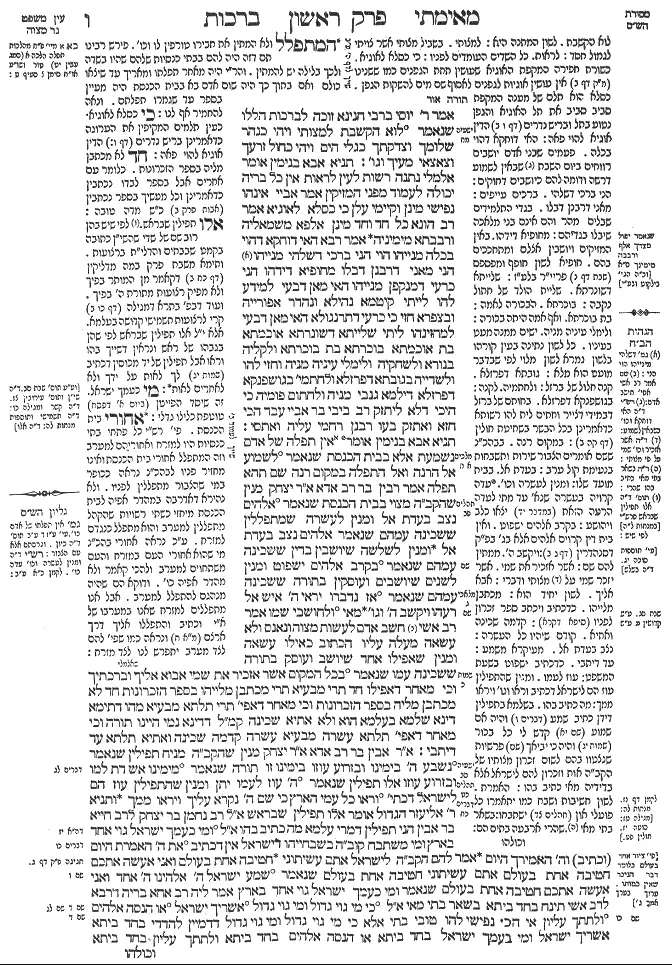
Berakhot 6a - Guemara
אמר ר' יוסי ברבי חנינא זוכה לברכות הללו שנאמר (ישעיהו מח יח) לוא הקשבת למצותי ויהי כנהר שלומך וצדקתך כגלי הים ויהי כחול זרעך וצאצאי מעיך וגו':
תניא אבא בנימין אומר אלמלי נתנה רשות לעין לראות אין כל בריה יכולה לעמוד מפני המזיקין אמר אביי אינהו נפישי מינן וקיימי עלן כי כסלא לאוגיא אמר רב הונא כל חד וחד מינן אלפא משמאליה ורבבתא מימיניה אמר רבא האי דוחקא דהוי בכלה מנייהו הוי הני ברכי דשלהי מנייהו הני מאני דרבנן דבלו מחופיא דידהו הני כרעי דמנקפן מנייהו האי מאן דבעי למידע להו לייתי קיטמא נהילא ונהדר אפורייה ובצפרא חזי כי כרעי דתרנגולא האי מאן דבעי למחזינהו ליתי שלייתא דשונרתא אוכמתא בת אוכמתא בוכרתא בת בוכרתא ולקליה בנורא ולשחקיה ולימלי עיניה מניה וחזי להו ולשדייה בגובתא דפרזלא ולחתמי' בגושפנקא דפרזלא דילמא גנבי מניה ולחתום פומיה כי היכי דלא ליתזק רב ביבי בר אביי עבד הכי חזא ואתזק בעו רבנן רחמי עליה ואתסי:
תניא אבא בנימין אומר אין תפלה של אדם נשמעת אלא בבית הכנסת שנאמר (מלכים א ח כח) לשמוע אל הרנה ואל התפלה במקום רנה שם תהא תפלה אמר רבין בר רב אדא אר יצחק מנין שהקבה מצוי בבית הכנסת שנאמר (תהלים פב א) אלהים נצב בעדת אל ומנין לעשרה שמתפללין ששכינה עמהם שנאמר אלהים נצב בעדת אל ומנין לשלשה שיושבין בדין ששכינה עמהם שנאמר (תהלים פב א) בקרב אלהים ישפוט ומנין לשנים שיושבים ועוסקין בתורה ששכינה עמהם שנאמר (מלאכי ג טז) אז נדברו יראי ה' איש אל רעהו ויקשב ה' וגו' מאי (מלאכי ג טז) ולחושבי שמו אמר רב אשי חשב אדם לעשות מצוה ונאנס ולא עשאה מעלה עליו הכתוב כאילו עשאה ומנין שאפילו אחד שיושב ועוסק בתורה ששכינה עמו שנאמר (שמות כ כד) בכל המקום אשר אזכיר את שמי אבוא אליך וברכתיך וכי מאחר דאפילו חד תרי מבעיא תרי מכתבן מלייהו בספר הזכרונות חד לא מכתבן מליה בספר הזכרונות וכי מאחר דאפי' תרי תלתא מבעיא מהו דתימא דינא שלמא בעלמא הוא ולא אתיא שכינה קמל דדינא נמי היינו תורה וכי מאחר דאפי' תלתא עשרה מבעיא עשרה קדמה שכינה ואתיא תלתא עד דיתבי:
אר אבין בר רב אדא אר יצחק מנין שהקבה מניח תפילין שנאמר (ישעיהו סב ח) נשבע ה' בימינו ובזרוע עוזו בימינו זו תורה שנאמר (דברים לג ב) מימינו אש דת למו ובזרוע עוזו אלו תפילין שנאמר (תהלים כט יא) ה' עוז לעמו יתן ומנין שהתפילין עוז הם לישראל דכתי' (דברים כח י) וראו כל עמי הארץ כי שם ה' נקרא עליך ויראו ממך ותניא ר' אליעזר הגדול אומר אלו תפילין שבראש אל רב נחמן בר יצחק לרב חייא בר אבין הני תפילין דמרי עלמא מה כתיב בהו אל (דברי הימים א יז כא) ומי כעמך ישראל גוי אחד בארץ ומי משתבח קובה בשבחייהו דישראל אין דכתיב (דברים כו יז) את ה' האמרת היום (וכתיב) וה' האמירך היום אמר להם הקבה לישראל אתם עשיתוני חטיבה אחת בעולם ואני אעשה אתכם חטיבה אחת בעולם אתם עשיתוני חטיבה אחת בעולם שנאמר (דברים ו ד) שמע ישראל ה' אלהינו ה' אחד ואני אעשה אתכם חטיבה אחת בעולם שנאמר ומי כעמך ישראל גוי אחד בארץ אמר ליה רב אחא בריה דרבא לרב אשי תינח בחד ביתא בשאר בתי מאי אל (דברים ד ז) כי מי גוי גדול ומי גוי גדול (דברים לג כט) אשריך ישראל (דברים ד לד) או הנסה אלהים (דברים כו יט)ולתתך עליון אי הכי נפישי להו טובי בתי אלא כי מי גוי גדול ומי גוי גדול דדמיין להדדי בחד ביתא אשריך ישראל ומי כעמך ישראל בחד ביתא או הנסה אלהים בחד ביתא ולתתך עליון בחד ביתא
Comments from Rashi on Masechet Berakhot Page 6a
לוא הקשבת . לשון המתנה היא: למצותי . בשביל מצותי אשר צויתי לגמול חסד: לראות . כל השדים העומדים לפניו: כי כסלא לאוגיא . כשורת חפירה המקפת האוגיא שעושין תחת הגפנים כמו ששנינו (מ"ק דף ב) אין עושין אוגיות לגפנים לאסוף שם מים להשקות הגפן. כסלא הוא תלם של מענה המקפת סביב סביב את תל האוגיא והגפן נטוע בתל ובריש נדרים (דף ו ב) הדין אוגיא להוי פאה: האי דוחקא דהוי בכלה . פעמים שבני אדם יושבים רווחים ביום השבת שבאין לשמוע דרשה ודומה להם כיושבים דחוקים: הני ברכי דשלהי . ברכים עייפים: מאני דרבנן דבלו . בגדי התלמידים שבלים מהר והם אינם בני מלאכה שיבלו בגדיהם: מחופיא דידהו . באין המזיקים ויושבין אצלם ומתחככים בהם. חופיא לשון חופף ומפספס (שבת דף נ) פריי"ר בלע"ז: שלייתא דשונרתא . שליית הולד של חתול נקבה: בוכרתא . הבכורה לאמה: בת בוכרתא . ואף אמה היתה בכורה: ולימלי עיניה מניה . ישים ממנה מעט בעיניו. כל לשון נתינה בעין קורהו בלשון גמרא לשון מלוי לפי שבדבר מועט הוא מלא: גובתא דפרזלא . קנה חלול של ברזל: ולחתמיה . לקנה: בגושפנקא דפרזלא . בחותם של ברזל דבמידי דצייר וחתים לית להו רשותא כדאמרינן בכל הבשר בשחיטת חולין (דף קה ב): במקום רנה . בבהכ"נ ששם אומרים הצבור שירות ותשבחות בנעימת קול ערב: בעדת אל . בבית מועד שלו: ומנין לעשרה וכו' . עדה קרויה בעשרה שנא' עד מתי לעדה הרעה הזאת (במדבר יד) יצאו כלב ויהושע: בקרב אלהים ישפוט . ואין בית דין קרוים אלהים אלא בג' בפ"ק דסנהדרין (דף ג ב ): ויקשב ה' . ממתין להם שם: אשר אזכיר את שמי . אשר יזכר שמי על מצותי ודברי: אבא אליך . לשון יחיד הוא: מכתבן מלייהו . כדכתיב ויכתב ספר זכרון לפניו (סיפא דקרא): מילי . לשמח החתן בדברים: קדמה שכינה ואתיא . קודם שיהיו כל העשרה: נצב בעדת אל . מעיקרא משמע: עד דיתבי . כדכתיב ישפוט בשעת המשפט: עוז לעמו . ומנין שהתפילין עוז הם לישראל דכתיב וראו וגו' ויראו ממך: מה כתיב בהו . בשלמא בתפילין דידן כתיב שמע (דברים ו) והיה אם שמוע (שם יא) קדש לי כל בכור (שמות יג) והיה כי יביאך(שם) פרשיות שנצטוו בהם לשום זכרון מצותיו של הקב"ה אות וזכרון להם לישראל אלא בדידיה מאי כתיב בהו: האמרת . לשון חשיבות ושבח כמו יתאמרו כל פועלי און (תהלים צד) ישתבחו: בשאר בתי מאי . שהרי ארבעה בתים הם:
Comments from Tosafot - Berakhot 6a
כי כסלא לאוגיא. . כעין תלמים המקיפין את הערוגה כדאמרינן בריש נדרים (דף ו:) הדין אוגיא להוי פאה: חד לא מכתבן מליה בספר הזכרונות . כלומר עם אחרים אבל בספר לבדו נכתבין כדאמרינן וכל מעשיך בספר נכתבין (אבות פרק ב) כ"ש מדה טובה: אלו תפילין שבראש . לפי שיש בהן רוב שם של שדי שהשי"ן כתובה בקמט שבבתים והדלי"ת ברצועות. ותימא משבת פרק במה מדליקין (דף כח ב) דקאמר מן המותר בפיך ולא מפיק רצועות מתורת ה' בפיך. ועוד דבפ' בתרא דמגילה (דף כו ב) קרי לרצועות תשמישי קדושה בעלמא. אלא י"ל אלו תפילין שבראש לפי שהן בגבהו של ראש ונראין דשייך בהו וראו אבל תפילין של יד מכוסין דכתיב (שמות יג) לך לאות על ידך ולא לאחרים לאות: מי כעמך ישראל . זה שיסד הפייטן (ביום א' דפסח) טוטפת כלילו גדלי:
Berakhot 6a - Mishnah translated into english
In terms of this reward, Rabbi Yosei, son of Rabbi Ḥanina said: One who waits in the synagogue for the other to finish his prayer merits the following blessings, as it is stated: “If only you had listened to My mitzvot then your peace would be as a river, and your righteousness as the waves of the sea. Your seed would be as the sand, and the offspring of your body like the grains thereof; his name would be neither cut off nor destroyed from before Me” (Isaiah 48:18–19). The explanation of this passage is based on the etymological similarity between the word mitzva and the word tzevet, which means group. If he keeps the other person company and does not abandon him after his prayer, all of the blessings that appear later in the verse will be fulfilled in him (Talmidei Rabbeinu Yona).
In another baraita it was taught that Abba Binyamin says: If the eye was given permission to see, no creature would be able to withstand the abundance and ubiquity of the demons and continue to live unaffected by them.
Similarly, Abaye said: They are more numerous than we are and they stand over us like mounds of earth surrounding a pit.
Rav Huna said: Each and every one of us has a thousand demons to his left and ten thousand to his right. God protects man from these demons, as it says in the verse: “A thousand may fall at your side, and ten thousand at your right hand; they will not approach you” (Psalms 91:7).
Summarizing the effects of the demons, Rava said:
The crowding at the kalla, the gatherings for Torah study during Elul and Adar, is from the demons;
those knees that are fatigued even though one did not exert himself is from the demons;
those clothes of the Sages that wear out, despite the fact that they do not engage in physical labor, is from friction with the demons;
those feet that are in pain is from the demons.
One who seeks to know that the demons exist should place fine ashes around his bed, and in the morning the demons’ footprints appear like chickens’ footprints, in the ash. One who seeks to see them should take the afterbirth of a firstborn female black cat, born to a firstborn female black cat, burn it in the fire, grind it and place it in his eyes, and he will see them. He must then place the ashes in an iron tube sealed with an iron seal [gushpanka] lest the demons steal it from him, and then seal the opening so he will not be harmed. Rav Beivai bar Abaye performed this procedure, saw the demons, and was harmed. The Sages prayed for mercy on his behalf and he was healed.
It was taught in a baraita that Abba Binyamin said: One’s prayer is only fully heard in a synagogue, as it is stated with regard to King Solomon’s prayer in the Temple: “Yet have You turned toward the prayer of Your servant and to his supplication, Lord my God, to listen to the song and the prayer which Your servant prays before You on this day” (I Kings 8:28). The following verse concludes: “To hear the prayer Your servant directs toward this place” (I Kings 8:29). We see that one’s prayer is heard specifically in the Temple, of which the synagogue is a microcosm (Rav Yoshiyahu Pinto). It may be inferred that in a place of song, a synagogue where God’s praises are sung, there prayer should be.
In explaining Abba Binyamin’s statement, Ravin bar Rav Adda said that Rabbi Yitzḥak said: From where is it derived that the Holy One, Blessed be He, is located in a synagogue? As it is stated: “God stands in the congregation of God; in the midst of the judges He judges” (Psalms 82:1). The congregation of God is the place where people congregate to sing God’s praises, and God is located among His congregation.
And from where is it derived that ten people who pray, the Divine Presence is with them? As it is stated: “God stands in the congregation of God,” and the minimum number of people that constitute a congregation is a quorum of ten.
From where is it derived that three who sit in judgment, the Divine Presence is with them? It is derived from this same verse, as it is stated: “In the midst of the judges He judges,” and the minimum number of judges that comprises a court is three.
From where is it derived that two who sit and engage in Torah study, the Divine Presence is with them? As it is stated: “Then they that feared the Lord spoke one with the other, and the Lord listened, and heard, and a book of remembrance was written before Him, for them that fear the Lord, and that think upon His name” (Malachi 3:16). The Divine Presence listens to any two God-fearing individuals who speak with each other.
With regard to this verse, the Gemara asks: What is the meaning of the phrase, “And that think upon His name”? Rav Ashi said: If a person intended to perform a mitzva, but due to circumstances beyond his control, he did not perform it, the verse ascribes him credit as if he performed the mitzva, as he is among those that think upon His name.
The Gemara returns to Ravin bar Rav Adda’s statement: And from where is it derived that when even one who sits and engages in Torah study, the Divine Presence is with him? As it is stated: “In every place where I cause My Name to be mentioned, I will come to you and bless you” (Exodus 20:21); God blesses even a single person who mentions God’s name, a reference to Torah study (Iyyun Ya’akov).
The Gemara asks: Since the Divine Presence rests even upon one who engages in Torah study, was it necessary to say that the Divine Presence rests upon two who study Torah together? The Gemara answers: There is a difference between them. Two people, their words of Torah are written in the book of remembrance, as it is stated: “And a book of remembrance was written”; however a single individual’s words of Torah are not written in a book of remembrance.
The Gemara continues: Since the Divine Presence rests even upon two who engage in Torah study, is it necessary to mention three? The Gemara answers: Here too, a special verse is necessary lest you say that judgment is merely to keep the peace among the citizenry, and the Divine Presence does not come and rest upon those who sit in judgment as they are not engaged in Torah study. Ravin bar Rav Adda teaches us that sitting in judgment is also Torah.
The Gemara asks: Since the Divine Presence rests even upon three, is it necessary to mention ten? The Gemara answers: The Divine Presence arrives before a group of ten, as the verse: “God stands in the congregation of God,” indicates that when the ten individuals who comprise a congregation arrive, the Divine Presence is already there. For a group of three judges, however, the Divine Presence does not arrive until they sit and begin their deliberations, as in the midst of the judges He judges. God aids them in their judgment, but does not arrive before them.
The Gemara cites another aggadic statement: Rabbi Avin bar Rav Adda said that Rabbi Yitzḥak said: From where is it derived that the Holy One, Blessed be He, wears phylacteries? As it is stated: “The Lord has sworn by His right hand, and by the arm of His strength” (Isaiah 62:8). Since it is customary to swear upon holy objects, it is understood that His right hand and the arm of His strength are the holy objects upon which God swore.
Specifically, “His right hand” refers to the Torah, as it is stated in describing the giving of the Torah: “From His right hand, a fiery law for His people” (Deuteronomy 33:2). “The arm of His strength,” His left hand, refers to phylacteries, as it is stated: “The Lord gave strength to His nation” (Psalms 29:11), in the form of the mitzva of phylacteries.
The Gemara asks: And from where is it derived that phylacteries provide strength for Israel? As it is written: “And all the nations of the land shall see that the name of the Lord is called upon you, and they will fear you” (Deuteronomy 28:10). It was taught in a baraita that Rabbi Eliezer the Great says: This is a reference to the phylacteries of the head, upon which the name of God is written in fulfillment of the verse: “That the name of the Lord is called upon you.”
Rav Naḥman bar Yitzḥak said to Rav Ḥiyya bar Avin: What is written in the phylacteries of the Master of the world? Rav Ḥiyya bar Avin replied: It is written: “Who is like Your people, Israel, one nation in the land?” (I Chronicles 17:21). God’s phylacteries serve to connect Him, in a sense, to the world, the essence of which is Israel.
Rav Naḥman bar Yitzḥak continues: Is the Holy One, Blessed be He, glorified through the glory of Israel? Rav Ḥiyya bar Avin answered: Yes, as indicated by the juxtaposition of two verses; as it is stated: “You have affirmed, this day, that the Lord is your God, and that you will walk in His ways and keep His laws and commandments, and listen to His voice.” And the subsequent verse states: “And the Lord has affirmed, this day, that you are His treasure, as He spoke to you, to keep His commandments” (Deuteronomy 26:17–18). From these two verses it is derived that the Holy One, Blessed be He, said to Israel: You have made Me a single entity [ḥativa] in the world, as you singled Me out as separate and unique. And because of this, I will make you a single entity in the world, and you will be a treasured nation, chosen by God.
You have made Me a single entity in the world, as it is stated that Israel declares God’s oneness by saying: “Hear, Israel, the Lord is our God, the Lord is One” (Deuteronomy 6:4). And because of this, I will make you a single entity in the world, unique and elevated with the utterance: “Who is like Your people, Israel, one nation in the land?” Consequently, the Holy One, Blessed be He, is glorified through the glory of Israel whose praises are written in God’s phylacteries.
Rav Aḥa, son of Rava said to Rav Ashi: It works out well with regard to the contents of one of the four compartments of God’s phylacteries of the head. However, all four compartments of Israel’s phylacteries of the head contain portions of the Torah that praise God. What portions in praise of Israel are written in the rest of the compartments of God’s phylacteries of the head?
Rav Ashi said to him: In those three compartments it is written: “For who is a great nation, to whom God is close, like the Lord our God whenever we call upon Him?” (Deuteronomy 4:7); “And who is a great nation, who has righteous statutes and laws, like this entire Torah which I set before you today?” (Deuteronomy 4:8); “Happy are you, Israel, who is like you? A people saved by the Lord, the shield of your help, and that is the sword of your excellence. And your enemies shall dwindle away before you, and you shall tread upon their high places” (Deuteronomy 33:29); “Or has God attempted to go and take for Himself a nation from the midst of another nation, by trials, by signs and by wonders” (Deuteronomy 4:34); “And to elevate you above all nations that He has made, in praise, in name and in glory; that you may be a holy people to the Lord, your God, as He has spoken” (Deuteronomy 26:19).
Rav Aḥa, son of Rava, raises an objection: If all of these verses are included in God’s phylacteries of the head, there are too many compartments as more than four verses of praise were listed. Rather, the portions in God’s phylacteries must be arranged as follows: The verses “For who is a great nation” and “And who is a great nation” are included in one compartment, as they are similar. “Happy are you, Israel” and "Who is like your people, Israel" are in one compartment. “Or has God attempted” is in one compartment and “And to elevate you” is in one compartment
Traduction : The William Davidson digital edition of the Koren Noé Talmud, with commentary by Rabbi Adin Even-Israel Steinsaltz.