 Talmud Bavli
Berakhot 39a : Youtube
Daf TubeYoutube
2 video classes :
Berakhot Page 39a
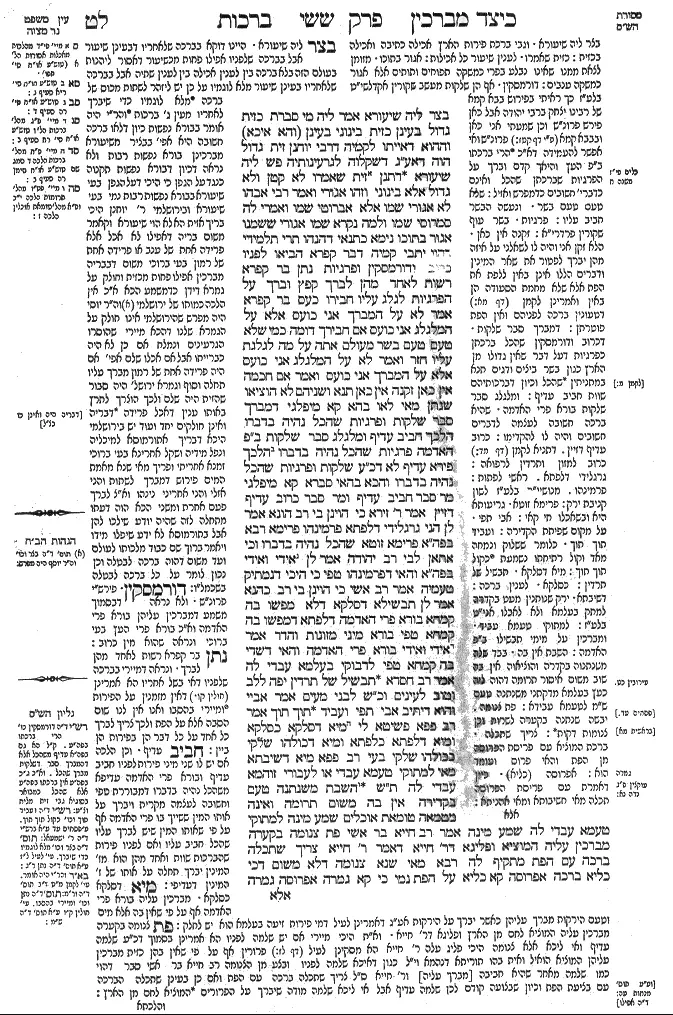
Berakhot 39a - Guemara
בצר ליה שיעורא אמר ליה מי סברת כזית גדול בעינן כזית בינוני בעינן (והא איכא) וההוא דאייתו לקמיה דרבי יוחנן זית גדול הוה דאעג דשקלוה לגרעינותיה פש ליה שיעורא דתנן זית שאמרו לא קטן ולא גדול אלא בינוני וזהו אגורי ואמר רבי אבהו לא אגורי שמו אלא אברוטי שמו ואמרי לה סמרוסי שמו ולמה נקרא שמו אגורי ששמנו אגור בתוכו נימא כתנאי דהנהו תרי תלמידי דהוו יתבי קמיה דבר קפרא הביאו לפניו כרוב ודורמסקין ופרגיות נתן בר קפרא רשות לאחד מהן לברך קפץ וברך על הפרגיות לגלג עליו חבירו כעס בר קפרא אמר לא על המברך אני כועס אלא על המלגלג אני כועס אם חבירך דומה כמי שלא טעם טעם בשר מעולם אתה על מה לגלגת עליו חזר ואמר לא על המלגלג אני כועס אלא על המברך אני כועס ואמר אם חכמה אין כאן זקנה אין כאן תנא ושניהם לא הוציאו שנתן מאי לאו בהא קא מיפלגי דמברך סבר שלקות ופרגיות שהכל נהיה בדברו הלכך חביב עדיף ומלגלג סבר שלקות בפ האדמה פרגיות שהכל נהיה בדברו הלכך פירא עדיף לא דכע שלקות ופרגיות שהכל נהיה בדברו והכא בהאי סברא קא מיפלגי מר סבר חביב עדיף ומר סבר כרוב עדיף דזיין אמר ר' זירא כי הוינן בי רב הונא אמר לן הני גרגלידי דלפתא פרמינהו פרימא רבא בפהא פרימא זוטא שהכל נהיה בדברו וכי אתאן לבי רב יהודה אמר לן אידי ואידי בפהא והאי דפרמינהו טפי כי היכי דנמתיק טעמיה אמר רב אשי כי הוינן בי רב כהנא אמר לן תבשילא דסלקא דלא מפשו בה קמחא בורא פרי האדמה דלפתא דמפשו בה קמחא טפי בורא מיני מזונות והדר אמר אידי ואידי בורא פרי האדמה והאי דשדי בה קמחא טפי לדבוקי בעלמא עבדי לה אמר רב חסדא תבשיל של תרדין יפה ללב וטוב לעינים וכש לבני מעים אמר אביי והוא דיתיב אבי תפי ועביד תוך תוך אמר רב פפא פשיטא לי מיא דסלקא כסלקא ומיא דלפתא כלפתא ומיא דכולהו שלקי ככולהו שלקי בעי רב פפא מיא דשיבתא מאי למתוקי טעמא עבדי או לעבורי זוהמא עבדי לה תש השבת משנתנה טעם בקדירה אין בה משום תרומה ואינה מטמאה טומאת אוכלים שמע מינה למתוקי טעמא עבדי לה שמע מינה אמר רב חייא בר אשי פת צנומה בקערה מברכין עליה המוציא ופליגא דר' חייא דאמר ר' חייא צריך שתכלה ברכה עם הפת מתקיף לה רבא מאי שנא צנומה דלא משום דכי כליא ברכה אפרוסה קא כליא על הפת נמי כי קא גמרה אפרוסה גמרה
Comments from Rashi on Masechet Berakhot Page 39a
בצר ליה שיעורא . וגבי ברכת פירות הארץ אכילה כתיבה ואכילה בכזית: כזית שאמרו . לענין שיעור כל אכילות: כזית שאמרו . לענין שיעור כל אכילות: אגור בתוכו . מזומן לצאת ממנו שאינו נבלע בפרי כמשקה תפוחים ותותים אלא אגור כמשקה ענבים: דורמסקין . אף הן שלקות מעשב שקורין אקדלשי"ט בלע"ז כך ראיתי בפירוש בבא קמא של רבינו יצחק ברבי יהודה אבל כאן פירש פרונ"ש וכן שמעתי אני כאן ובבבא קמא (פ"י דף קטז:) פרונ"ש ואי אפשר להעמידה דא"כ הרי ברכתו ב"פ העץ והאיך קדם וברך על הפרגיות שברכתן שהכל ואינם כדברים חשובים כדמפרש ואזיל: פרגיות . בשר עוף שקורין פרדרי"א: שלא טעם טעם בשר . ונעשה הבשר חביב עליו: זקנה אין כאן . הלא זקן אני והיה לו לשאלני על איזה מהן יברך לפטור את שאר המינין ודברים הללו אינן באין ללפת את הפת אלא שלא מחמת הסעודה הן באין ואמרינן לקמן (ברכות דף מא:) דטעונין ברכה לפניהם ואין הפת פוטרתן: דמברך סבר שלקות . דכרוב ודורמסקין שהכל ברכתן כפרגיות דעל דבר שאין גדולו מן הארץ כגון בשר ביצים ודגים תנא במתניתין שהכל וכיון דברכותיהם שוות חביב עדיף: ומלגלג סבר שלקות בורא פרי האדמה . שהיא ברכה חשובה לעצמה לדברים חשובים והיה לו להקדימו: כרוב עדיף דזיין . דתניא לקמן (ברכות דף מד:) כרוב למזון ותרדין לרפואה: גרגלידי דלפתא . ראשי לפתות: פרמינהו . מנושיי"ר בלע"ז לשון קניבת ירק: פרימא זוטא . גריעותא היא ובשאכלו חי קאי: אבי תפי . על מקום שפיתת הקדירה: ועביד תוך תוך . כלומר ששלוק ונמחה מאד וקול רתיחתו נשמעת כקול תוך תוך: מיא דסלקא . תבשיל של תרדין: כסלקא . לענין ברכה: דשיבתא . ירק שנותנין מעט בקדרה למתק בעלמא ולא לאכלו אני"ט בלע"ז: למתוקי טעמא עביד . ומברכין על מימי תבשילו ב"פ האדמה: השבת אין בה . בבד שלה משנתנוה בקדרה והוציאוה אין בה שוב משום איסור תרומה דהוה ליה כעץ בעלמא מדקתני משנתנה טעם שמע מינה לטעמא עבידא: פת צנומה . יבשה שנתנה בקערה לשרות וכן צנומות דקות: צריך שתכלה . ברכת המוציא עם פריסת הפרוסה מן הפת והאי פרוס ועומד הוא: אפרוסה (כליא) . כיון דאמרת עם פריסת הפרוסה תכלה מאי חשיבותא ומאי אהניתא:
Comments from Tosafot - Berakhot 39a
בצר ליה שיעורא . היינו דוקא בברכה שלאחריו דבעינן שיעור אבל בברכה שלפניו אפילו פחות מכשיעור דאסור ליהנות בעולם הזה בלא ברכה בין לענין אכילה בין לענין שתיה אבל בברכה שלאחריו בעינן שיעור מלא לוגמיו על כן יש ליזהר לשתות מכוס של ברכה מלא לוגמיו כדי שיברך לאחריו מעין ג' ברכות והר"י היה אומר בבורא נפשות כיון דלאו ברכה חשובה היא אפי' בבציר משיעורא מברכינן בורא נפשות רבות ולא נראה דכיון דבורא נפשות תקנוה כנגד על הגפן כי היכי דעל הגפן בעי שיעורא בבורא נפשות רבות נמי בעי שיעורא ובירושלמי ר' יוחנן היכי בריך אזית הא לא הוי שיעורא וקאמר משום בריה דאפילו לא אכל אלא פרידה אחת של ענב או פרידה אחת של רמון בעי ברוכי משום דבבריה מברכין אפילו פחות מכזית וחולק על גמרא דידן כדמשמע הכא א"כ אין הלכה כמותו של ירושלמי וה"ר יוסי היה מפרש שהירושלמי אינו חולק על הגמרא שלנו דהכא מיירי שהוסרו הגרעינים ונמלח אם כן לא היה כברייתו אבל אם אכלו שלם אפי' אם היה פרידה אחת של רמון מברך עליו תחלה וסוף וגמרא ירושל' היה סבור שהזית היה שלם ולכך הוצרך לתרץ באותו ענין דאכל פרידה דבריה ואינן חולקים יחד ועוד יש בירושלמי היכא דבריך אתורמוסא למיכליה ונפל מידיה ושקל אחרינא בעי ברוכי זמנא אחריתי ופריך מאי שנא מאמת המים פירוש דמברך לשתות והני אזלי והני אחריני נינהו וא"צ לברך פעם אחרת ומשני הכא הוה דעתו מתחלה לזה שהיה יודע שילכו להן אבל בתורמוסא לא ידע שיפלו מידו ויאמר ברוך שם כבוד מלכותו לעולם ועד משום דהוה ברכה לבטלה וכן נכון לומר על כל ברכה לבטלה בשכמל"ו: דורמסקין . פירש"י פרונ"ש. ולא נראה דבסמוך משמע דמברכין עליהן בורא פרי האדמה וא"כ בורא פרי העץ בעי ברוכי ונראה שהוא מין כרוב: נתן בר קפרא רשות לאחד מהן לברך . ונראה דמיירי בברכה שלפניו דאי בשל אחריו הא אמרינן (חוליו קו.) דאין מזמנין על הפירות ומיירי בהסבו ואנו אין לנו שום הסבה אלא על הפת ולכך צריך לברך כל אחד על כל דבר הן בפירות הן ביין: חביב עדיף . וכן הלכה אם יש לו שני מיני פירות לפניו חביב עדיף ובורא פרי האדמה עדיפא משהכל נהיה בדברו דמבוררת טפי וחשובה לעצמה מקרית ויברך על אותו המין ששייך בו פרי האדמה אף על פי שאותו המין שיש לברך עליו שהכל חביב עליו ואם לפניו פירות שהברכות שוות ואחד מהן הוא מז' המינין יברך תחלה על אותו של ז' המינין דעדיפי: מניח פרוסה בתוך השלמה ובוצע . פירש רש"י ובוצע לשתיהן או בוצע לשלמה בלבד והיינו ע"י שניהן דכיון שהניח הפרוסה תחת השלמה נראה כמו שבוצע נמי אפרוסה ודוקא בוצע לשלמה אבל לא רצה לפרש ובוצע לאיזה מהן שירצה או לפרוסה או לשלמה דמדקאמר לתוך השלמה משמע דהשלמה עיקר ולפי' רש"י ה"פ ירא שמים יוצא ידי שניהם כדרב הונא וכדר' יוחנן בפתיתין ושלמה ולפי' ר"ת לא מצינו לפרש הכי דקאי אפתיתין שהרי אינו צריך לעשות כן אלא יברך על השלמה ודי בכך לכ"ע דאפילו רב הונא לא קאמר אלא על הפרוסה אם ירצה אבל פשיטא אם בירך על השלמה יצא ונראה לפירוש ר"ת שניהם קאי אשני לחמים אפרוסה של חטים ושלמה של שעורים: מיא דסלקא כסלקא . מברכין עליה בורא פרי האדמה אף על פי שאין בה אלא מים וטעם הירקות מברך עליהן כאשר יברך על הירקות אע"ג דאמרינן לעיל דמי פירות זיעה בעלמא הוא יש לחלק: פת צנומה בקערה מברכין עליה המוציא לחם מן הארץ ופליגא דר' חייא . וא"ת היכי מיירי אם יש שלמה לפניו הא אמרינן בסמוך דכ"ע שלמה עדיף ואי ליכא אלא צנומה היכי פליג עלה ר' חייא הא מסקינן לעיל (ברכות דף לז:) פרורין אף על פי שאין בהן כזית מברכין עליהן המוציא הואיל ואית בהו תוריתא דנהמא וי"ל כגון דאיכא שלמה לפניו ובצע מן הצנומה רב חייא בר אשי סבר דהוי כמו שלמה מאחר שהיא חביבה [מברך עליה] ור' חייא ס"ל צריך שתכלה ברכה עם הפת ואם כן בעינן שתכלה הברכה עם בציעת הפת וכיון שבצועה קודם לכן שלמה עדיף אבל אי ליכא שלמה מודה שיברך על הפרורים המוציא לחם מן הארץ:
Berakhot 39a - Mishnah translated into english
it lacks the requisite measure? The smallest quantity of food that is considered eating is the size of an olive-bulk, and an olive with its pit removed is smaller than that.
He said to him: Do you hold that we require a large olive as the measure of food necessary in order to recite a blessing after eating? We require a medium-sized olive and that olive was that size, as the olive that they brought before Rabbi Yoḥanan was a large olive. Even though they removed its pit, the requisite measure remained.
The Gemara cites a proof that the halakhic measure of an olive is not based on a large olive as we learned in a mishna: The olive of which the Sages spoke with regard to the halakhic measures is neither small nor large, but medium, and that olive is called aguri. And Rabbi Abbahu said: The name of that genus of olives is not aguri, but its name is avruti, and some say that its name is samrusi. And why, then, is it called aguri? Because its oil is accumulated [agur] inside it.
With regard to the appropriate blessing over boiled vegetables: Let us say that this dispute is parallel to a dispute between the tanna’im, as the Gemara relates: Two students were sitting before bar Kappara when cooked cabbage, cooked Damascene plums and pullets were set before him. Bar Kappara gave one of the students permission to recite a blessing. He hurried and recited a blessing over the pullets and his counterpart ridiculed him for gluttonously reciting the blessing that should have been recited later, first. Bar Kappara became angry with both of them, he said: I am not angry with the one who recited the blessing, but at the one who ridiculed him. If your counterpart is like one who never tasted the flavor of meat and was therefore partial to the pullet, and hurriedly ate it, why did you ridicule him? Bar Kappara continued and said to the second student: I am not upset at the one who ridiculed him, rather it is with the one who recited the blessing that I am angry. And he said: If there is no wisdom here, is there no elder here? If you are uncertain which blessing to recite first, couldn’t you have asked me, as I am an elder?
The Gemara concludes that it was taught: And both of them did not live out his year. Due to bar Kappara’s anger they were punished, and both died within the year.
The Gemara attempts to infer from this story to the topic at hand: What? Is it not that they disagreed with regard to the following? The one who recited the blessing over the pullet first held that the blessing to be recited over both boiled vegetables and pullet is: By whose word all things came to be, and, therefore, that which he prefers takes precedence and is eaten first. The one who ridiculed him held that over boiled vegetables one recites: Who creates fruit of the ground, and over pullet one recites: By whose word all things came to be, and, therefore, the fruit takes precedence, as its blessing is more specific and therefore more significant.
The Gemara rejects this explanation: No, everyone agrees that over boiled vegetables and pullet one recites: By whose word all things came to be, and here they argue over this: This Sage, who recited the blessing, held that the food which is preferred takes precedence and one recites a blessing over it first, and the Sage who ridiculed him held: Cabbage takes precedence, as it nourishes.
Rabbi Zeira said: When we were in the study hall of Rav Huna he said to us: These turnip heads, if one cut them into large slices, he recites over them: Who creates fruit of the ground, because in doing so he has not significantly changed them. If he cut them into small pieces, he recites over them: By whose word all things came to be. And when we came to the study hall of Rav Yehuda he said to us: Over both these, large slices, and those, small pieces, one recites: Who creates fruit of the ground, and the fact that he cut them extensively was in order to sweeten its flavor.
On a similar note, Rav Ashi said: When we were in the study hall of Rav Kahana, he said to us: Over a cooked dish of beets to which they, typically, do not add a significant amount of flour, one recites: Who creates fruit of the ground. Over a cooked dish of turnips to which they, typically, add a more significant amount of flour, one recites: Who creates the various types of nourishment. And Rav Kahana reconsidered his previous statement and said: Over both these, beets, and those, turnips, one recites: Who creates fruit of the ground, and the fact that they threw extra flour in with the turnips, they did so merely so the components of the cooked dish would stick together. The primary ingredient in the dish remains the turnips, not the flour.
Tangential to this mention of a turnip dish, Rav Ḥisda added, and said: A cooked dish of beets is beneficial for the heart, good for the eyes and all the more so, for the intestines. Abaye said: That is specifically when the dish sits on the stove and makes a tukh tukh sound, i.e., it boils.
Rav Pappa said: It is clear to me that beet water, water in which beets were boiled, has the same status as beets, and turnip water has the same status turnips, and the water in which all boiled vegetables were boiled has the same status as all boiled vegetables. However, Rav Pappa raised a dilemma: What is the status of water in which dill was boiled? Do they use dill to sweeten the taste, or do they use it to remove residual filth? If the dill was added to flavor the food then the water in which it was boiled should be treated like water in which any other vegetable was boiled. However, if the dill was added merely to absorb the residue of the soup, then there was never any intention to flavor the dish and one should not recite a blessing over it.
Come and hear a resolution to this dilemma from what we learned in a mishna in the tractate Okatzin: Dill, once it has already given its flavor in the pot, no longer has any value and is no longer subject to the halakhot of teruma and since it is no longer considered food, it can no longer become impure with the ritual impurity of food. Learn from this that they used dill to sweeten the taste. The Gemara concludes: Indeed, learn from this.
Rav Ḥiyya bar Ashi said: Over dry bread that was placed in a bowl to soak, one recites: Who brings forth bread from the earth, even if there is another loaf of bread before him, as it is considered bread in every respect. This halakha disagrees with the opinion of Rabbi Ḥiyya, as Rabbi Ḥiyya said: The blessing must conclude with the beginning of the breaking of the loaf of bread. The dried bread had already been sliced and separated from the loaf.
Rava strongly objects to this assumption: What is different about dried bread, that one does not recite: Who brings forth bread from the earth, over it, because when the blessing concludes, it concludes on a slice? In a case where he recites a blessing on a loaf of bread as well, when he completes the blessing, he completes it on a slice, as one cuts the bread before the blessing.
Traduction : The William Davidson digital edition of the Koren Noé Talmud, with commentary by Rabbi Adin Even-Israel Steinsaltz.