 Talmud Bavli
Berakhot 60b : Youtube
Daf TubeYoutube
2 video classes :
Berakhot Page 60b
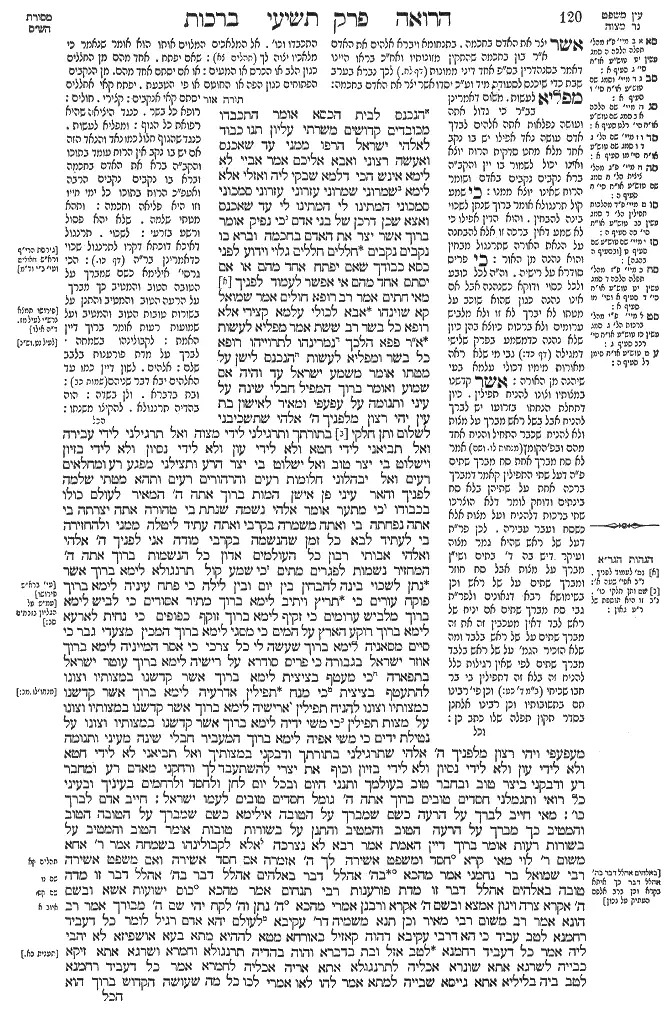
Berakhot 60b - Guemara
הנכנס לבית הכסא אומר התכבדו מכובדים קדושים משרתי עליון תנו כבוד לאלהי ישראל הרפו ממני עד שאכנס ואעשה רצוני ואבא אליכם אמר אביי לא לימא אינש הכי דלמא שבקי ליה ואזלי אלא לימא שמרוני שמרוני עזרוני עזרוני סמכוני סמכוני המתינו לי המתינו לי עד שאכנס ואצא שכן דרכן של בני אדם כי נפיק אומר ברוך אשר יצר את האדם בחכמה וברא בו נקבים נקבים חללים חללים גלוי וידוע לפני כסא כבודך שאם יפתח אחד מהם או אם יסתם אחד מהם אי אפשר לעמוד לפניך מאי חתים אמר רב רופא חולים אמר שמואל קא שוינהו אבא לכולי עלמא קצירי אלא רופא כל בשר רב ששת אמר מפליא לעשות אר פפא הלכך נמרינהו לתרוייהו רופא כל בשר ומפליא לעשות הנכנס לישן על מטתו אומר משמע ישראל עד והיה אם שמוע ואומר ברוך המפיל חבלי שינה על עיני ותנומה על עפעפי ומאיר לאישון בת עין יהי רצון מלפניך ה' אלהי שתשכיבני לשלום ותן חלקי בתורתך ותרגילני לידי מצוה ואל תרגילני לידי עבירה ואל תביאני לידי חטא ולא לידי עון ולא לידי נסיון ולא לידי בזיון וישלוט בי יצר טוב ואל ישלוט בי יצר הרע ותצילני מפגע רע ומחלאים רעים ואל יבהלוני חלומות רעים והרהורים רעים ותהא מטתי שלמה לפניך והאר עיני פן אישן המות ברוך אתה ה' המאיר לעולם כולו בכבודו כי מתער אומר אלהי נשמה שנתת בי טהורה אתה יצרתה בי אתה נפחתה בי ואתה משמרה בקרבי ואתה עתיד ליטלה ממני ולהחזירה בי לעתיד לבא כל זמן שהנשמה בקרבי מודה אני לפניך ה' אלהי ואלהי אבותי רבון כל העולמים אדון כל הנשמות ברוך אתה ה' המחזיר נשמות לפגרים מתים כי שמע קול תרנגולא לימא ברוך אשר נתן לשכוי בינה להבחין בין יום ובין לילה כי פתח עיניה לימא ברוך פוקח עורים כי תריץ ויתיב לימא ברוך מתיר אסורים כי לביש לימא ברוך מלביש ערומים כי זקיף לימא ברוך זוקף כפופים כי נחית לארעא לימא ברוך רוקע הארץ על המים כי מסגי לימא ברוך המכין מצעדי גבר כי סיים מסאניה לימא ברוך שעשה לי כל צרכי כי אסר המייניה לימא ברוך אוזר ישראל בגבורה כי פריס סודרא על רישיה לימא ברוך עוטר ישראל בתפארה כי מעטף בציצית לימא ברוך אשר קדשנו במצותיו וצונו להתעטף בציצית כי מנח תפילין אדרעיה לימא ברוך אשר קדשנו במצותיו וצונו להניח תפילין ארישיה לימא ברוך אשר קדשנו במצותיו וצונו על מצות תפילין כי משי ידיה לימא ברוך אשר קדשנו במצותיו וצונו על נטילת ידים כי משי אפיה לימא ברוך המעביר חבלי שינה מעיני ותנומה מעפעפי ויהי רצון מלפניך ה' אלהי שתרגילני בתורתך ודבקני במצותיך ואל תביאני לא לידי חטא ולא לידי עון ולא לידי נסיון ולא לידי בזיון וכוף את יצרי להשתעבד לך ורחקני מאדם רע ומחבר רע ודבקני ביצר טוב ובחבר טוב בעולמך ותנני היום ובכל יום לחן ולחסד ולרחמים בעיניך ובעיני כל רואי ותגמלני חסדים טובים ברוך אתה ה' גומל חסדים טובים לעמו ישראל:
חייב אדם לברך כו':
מאי חייב לברך על הרעה כשם שמברך על הטובה אילימא כשם שמברך על הטובה הטוב והמטיב כך מברך על הרעה הטוב והמטיב והתנן על בשורות טובות אומר הטוב והמטיב על בשורות רעות אומר ברוך דיין האמת אמר רבא לא נצרכה אלא לקבולינהו בשמחה אמר ר' אחא משום ר' לוי מאי קרא (תהלים קא א) חסד ומשפט אשירה לך ה' אזמרה אם חסד אשירה ואם משפט אשירה רבי שמואל בר נחמני אמר מהכא (תהלים נו יא) בה' אהלל דבר באלהים אהלל דבר בה' אהלל דבר זו מדה טובה באלהים אהלל דבר זו מדת פורענות רבי תנחום אמר מהכא (תהלים קטז יג) כוס ישועות אשא ובשם ה' אקרא צרה ויגון אמצא ובשם ה' אקרא ורבנן אמרי מהכא (איוב א כא) ה' נתן וה' לקח יהי שם ה' מבורך אמר רב הונא אמר רב משום רבי מאיר וכן תנא משמיה דר' עקיבא לעולם יהא אדם רגיל לומר כל דעביד רחמנא לטב עביד כי הא דרבי עקיבא דהוה קאזיל באורחא מטא לההיא מתא בעא אושפיזא לא יהבי ליה אמר כל דעביד רחמנא לטב אזל ובת בדברא והוה בהדיה תרנגולא וחמרא ושרגא אתא זיקא כבייה לשרגא אתא שונרא אכליה לתרנגולא אתא אריה אכליה לחמרא אמר כל דעביד רחמנא לטב ביה בליליא אתא גייסא שבייה למתא אמר להו לאו אמרי לכו כל מה שעושה הקדוש ברוך הוא
Comments from Rashi on Masechet Berakhot Page 60b
התכבדו וכו' . אל המלאכים המלוים אותו הוא אומר שנאמר כי מלאכיו יצוה לך (תהלים צא): שאם יפתח אחד מהם . מן החללים כגון הלב או הכרס או המעים: או אם יסתם אחד מהם . מן הנקבים הפתוחים כגון הפה או החוטם או פי הטבעת. יפתח קאי אחללים יסתם קאי אנקבים: קצירי . חולים: רופא כל בשר . כנגד היציאה שהיא רפואת כל הגוף: ומפליא לעשות . כנגד שהגוף חלול כמו נאד והנאד הזה אם יש בו נקב אין הרוח עומד בתוכו והקב"ה ברא את האדם בחכמה וברא בו נקבים נקבים הרבה ואעפ"כ הרוח בתוכו כל ימי חייו וזו היא פליאה וחכמה: ותהא מטתי שלמה . שלא יהא פסול ורשע בזרעי: לשכוי . תרנגול דאיכא דוכתא דקרו לתרנגול שכוי כדאמרינן בר"ה (דף כו.): הכי גרסי' אילימא כשם שמברך על הטובה הטוב והמטיב כך מברך על הרעה הטוב והמטיב והתנן על בשורות טובות הטוב והמטיב ועל שמועות רעות אומר ברוך דיין האמת: הכי גרסי' אילימא כשם שמברך על הטובה הטוב והמטיב כך מברך על הרעה הטוב והמטיב והתנן על בשורות טובות הטוב והמטיב ועל שמועות רעות אומר ברוך דיין האמת: לקבולינהו בשמחה . לברך על מדת פורענות בלבב שלם: אלהים . לשון דיין כמו עד האלהים יבא דבר שניהם (שמות כב): ובת בדברא . ולן בשדה: הוה בהדיה תרנגולא . להקיצו משנתו:
Comments from Tosafot - Berakhot 60b
אשר יצר את האדם בחכמה . בתנחומא ויברא אלהים את האדם א"ר בון בחכמה שהתקין מזונותיו ואח"כ בראו היינו דאמר בסנהדרין בס"פ אחד דיני ממונות (דף לח.) לכך נברא בערב שבת כדי שיכנס לסעודה מיד וע"כ יסדו אשר יצר את האדם בחכמה: מפליא לעשות . משום דאמרינן בב"ר כי גדול אתה ועושה נפלאות אתה אלהים לבדך אדם עושה נאד אפילו יש בו נקב אחד מלא מחט סדקית הרוח יוצא ואינו יכול לשמור בו יין והקב"ה ברא נקבים נקבים באדם ושומר הרוח שאינו יוצא ממנו: כי שמע קול תרנגולא אומר ברוך שנתן לשכוי בינה להבחין . והוא הדין אפילו כי לא שמע דאין ברכה זו אלא להבחנה על הנאת האורה שתרנגול מבחין והוא נהנה מן האור: כי פריס סודרא על רישיה . וה"ה לכל כובע ולכל כסוי ודוקא כשנהנה אבל אם אינו נהנה כגון שהוא שוכב על מטתו לא יברך לא זו ולא מלביש ערומים ולא ברכות כיוצא בהן כיון שלא נהנה כדמשמע בפרק שלישי דמגילה (דף כד:) גבי מי שלא ראה מאורות מימיו דכולי עלמא בעי שיהנה מן האורה: אשר קדשנו במצותיו וצונו להניח תפילין . כיון דתחלת הנחתו בזרועו יש לברך להניח אבל בשל ראש מברך על מצות ולא להניח שכבר התחיל והניח אחד מהם ובפ' הקומץ (מנחות לו. ושם) אמר לא סח מברך אחת סח מברך שתים פ"ה דעל שתי התפילין קאמר דמברך ברכה אחת על שתיהן בלא סח בינתים ודוחק לומר דלא הוצרכו שתי ברכות דלהניח ועל מצות אלא כשסח ועבר עבירה. לכן פר"ת דעל של ראש שהיא גמר מצוה ועיקר דיש בה ד' בתים ושי"ן מברך על מצות אבל סח חוזר ומברך שתים על של ראש וכן בשימושא רבא דגאונים ולפר"ת גבי סח מברך שתים אם יניח של ראש לבד דאין מעכבין זה את זה מברך שתים על של ראש בלבד ומה שלא הזכיר הגמ' על של ראש בלבד מברך שתים לפי שאין רגילות כלל להניח זה בלא זה דתפילין בי בר חבו שכיחי (ב"מ ד' כט:) וכן פי' רבינו תם בתשובותיו וכן רבינו אלחנן בסדר תקון תפלה שלו כתב כן:
Berakhot 60b - Mishnah translated into english
One who enters a bathroom says to the angels who accompany him at all times:
Be honored, honorable holy ones, servants of the One on High,
give honor to the God of Israel,
leave me until I enter and do my will and come back to you.
Abaye said: A person should not say this, lest they abandon him and go. Rather he should say:
Guard me, guard me,
help me, help me,
support me, support me,
wait for me, wait for me until I enter and come out, as this is the way of man.
Upon exiting, one says:
Blessed…Who formed man in wisdom,
and created in him many orifices and cavities.
It is revealed and known before the throne of Your glory
that were one of them to be ruptured or blocked, it would be impossible to survive and stand before You.
The Gemara asks: With what should one conclude this blessing? Rav said: One should conclude: Blessed…Healer of the sick. Shmuel said: Abba, Rav, has rendered everyone sick. Rather, one should say: Healer of all flesh. Rav Sheshet said: One should conclude: Who performs wondrous deeds. Rav Pappa said: Therefore, let us say them both: Healer of all flesh, Who performs wondrous deeds.
The Gemara proceeds to cite additional blessings recited as part of one’s daily routine. One who enters to sleep on his bed recites Shema in his bed from Shema Yisrael to VeHaya Im Shamoa. Then he recites:
Blessed…Who makes the bands of sleep fall upon my eyes and slumber upon my eyelids,
and illuminates the pupil of the eye.
May it be Your will, O Lord my God,
that You make me lie down in peace and give me my portion in Your Torah,
accustom me to mitzvot and do not accustom me to transgression,
lead me not into error, nor into iniquity, nor into temptation nor into disgrace.
May the good inclination have dominion over me
and may the evil inclination not have dominion over me.
Save me from an evil mishap and evil diseases.
Let neither bad dreams nor troubling thoughts disturb me.
May my bed be flawless before You, that my progeny should not be flawed.
Enlighten my eyes in the morning lest I sleep the sleep of death, never to awaken.
Blessed are You, O Lord, Who gives light to the whole world in His glory.
When one awakens, he recites:
My God, the soul You have placed within me is pure.
You formed it within me,
You breathed it into me,
and You guard it while it is within me.
One day You will take it from me and restore it within me in the time to come.
As long as the soul is within me, I thank You,
O Lord my God and God of my ancestors, Master of all worlds, Lord of all souls.
Blessed are You, O Lord, who restores souls to lifeless bodies.
Upon hearing the sound of the rooster, one should recite: Blessed…Who gave the heart [sekhvi] understanding to distinguish between day and night.
Upon opening his eyes, one should recite: Blessed…Who gives sight to the blind.
Upon sitting up straight, one should recite: Blessed…Who sets captives free.
Upon dressing, one should recite: Blessed…Who clothes the naked, as they would sleep unclothed.
Upon standing up straight, one should recite: Blessed…Who raises those bowed down.
Upon descending from one’s bed to the ground, one should recite: Blessed…Who spreads the earth above the waters, in thanksgiving for the creation of solid ground upon which to walk.
Upon walking, one should recite: Blessed…Who makes firm the steps of man.
Upon putting on his shoes, one should recite: Blessed…Who has provided me with all I need, as shoes are a basic necessity.
Upon putting on his belt, one should recite: Blessed…Who girds Israel with strength.
Upon spreading a shawl upon his head, one should recite: Blessed…Who crowns Israel with glory.
Upon wrapping himself in ritual fringes, one should recite: Blessed…Who has made us holy through His commandments and has commanded us to wrap ourselves in a garment with ritual fringes.
Upon donning his phylacteries on his arm, one should recite: Blessed…Who has made us holy through His commandments and has commanded us to don phylacteries.
Upon donning phylacteries on his head one should recite: Blessed…Who has made us holy through His commandments and has commanded us with regard to the mitzva of phylacteries.
Upon ritually washing his hands: Blessed…Who has made us holy through His commandments and has commanded us with regard to the washing of the hands.
Upon washing his face, one recites: Blessed…Who removes the bands of sleep from my eyes and slumber from my eyelids.
And may it be Your will, O Lord my God, to accustom me in Your Torah,
attach me to Your mitzvot, and lead me not into transgression,
nor into error, nor into iniquity, nor into temptation nor into disgrace.
Bend my evil inclination to be subservient to You,
and distance me from an evil person and an evil acquaintance.
Help me attach myself to the good inclination and to a good friend in Your world.
Grant me, today and every day, grace, loving-kindness, and compassion in Your eyes and the eyes of all who see me,
and bestow loving-kindness upon me.
Blessed are You, O Lord, Who bestows loving-kindness on His people, Israel.
We learned in the mishna: One is obligated to recite a blessing for the bad that befalls him just as he recites a blessing for the good that befalls him. The Gemara asks: What does it mean: One is obligated to recite a blessing for the bad just as for the good? If we say this means that just as one recites a blessing for a positive event with the formula: Who is good and does good, so too one recites a blessing for a calamity with the formula: Who is good and does good, didn’t we learn in our mishna that over good tidings one recites: Who is good and does good, while over bad tidings one recites: Blessed…the true Judge? Rather, Rava said: The mishna’s statement was only necessary to instruct us to accept bad tidings with the same joy with which we accept good tidings, not to instruct with regard to which blessing to recite.
Rav Aḥa said in the name of Rabbi Levi: What is the verse that alludes to this? “I will sing of loving-kindness and justice; unto You, O Lord, will I sing praises” (Psalms 101:1). Rav Aḥa explains: If it is loving-kindness, I will sing, and if it is justice, I will sing. I will thank God in song for the bad just as for the good.
Rabbi Shmuel bar Naḥmani said: The proof is from here, as it is stated: “In God, I will praise His word; in the Lord, I will praise His word” (Psalms 56:11). The Gemara explains that In God, I will praise His word; that is the revelation of God’s attribute of benevolence, while: In the Lord, I will praise His word; that is the attribute of suffering; even if God brings suffering to bear upon me, I will still praise Him.
Rabbi Tanḥum said: The proof is from here, as it is stated: “I will lift up the cup of salvation and call upon the name of the Lord” (Psalms 116:13), and: “I found trouble and sorrow, but I called upon the name of the Lord” (Psalms 116:3–4).
And the Rabbis said: The proof is from here, as it is stated: “The Lord has given and the Lord has taken away; blessed be the name of the Lord” (Job 1:21).
Rav Huna said that Rav said that Rabbi Meir said; and so it was taught in a baraita in the name of Rabbi Akiva: One must always accustom oneself to say: Everything that God does, He does for the best.
The Gemara relates: Like this incident, when Rabbi Akiva was walking along the road and came to a certain city, he inquired about lodging and they did not give him any. He said: Everything that God does, He does for the best. He went and slept in a field, and he had with him a rooster, a donkey and a candle. A gust of wind came and extinguished the candle; a cat came and ate the rooster; and a lion came and ate the donkey. He said: Everything that God does, He does for the best. That night, an army came and took the city into captivity. It turned out that Rabbi Akiva alone, who was not in the city and had no lit candle, noisy rooster or donkey to give away his location, was saved. He said to them: Didn’t I tell you? Everything that God does,
Traduction : The William Davidson digital edition of the Koren Noé Talmud, with commentary by Rabbi Adin Even-Israel Steinsaltz.