 Talmud Bavli
Berakhot 45b : Youtube
Daf TubeYoutube
2 video classes :
Berakhot Page 45b
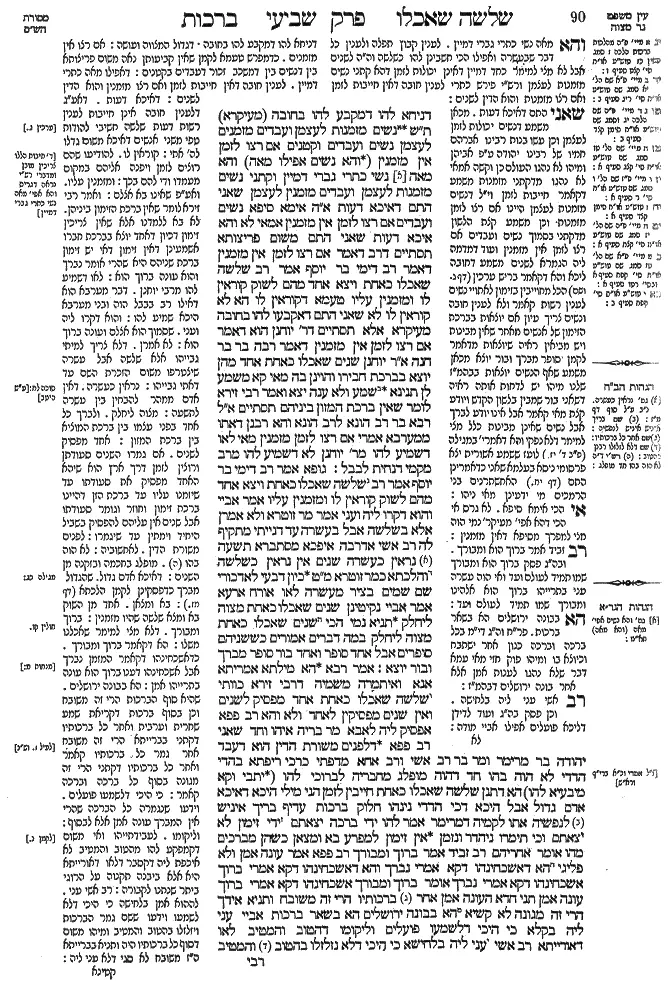
Berakhot 45b - Guemara
דניחא להו דמקבע להו בחובה (מעיקרא) תש נשים מזמנות לעצמן ועבדים מזמנים לעצמן נשים ועבדים וקטנים אם רצו לזמן אין מזמנין (והא נשים אפילו מאה) והא מאה נשי כתרי גברי דמיין וקתני נשים מזמנות לעצמן ועבדים מזמנין לעצמן שאני התם דאיכא דעות אה אימא סיפא נשים ועבדים אם רצו לזמן אין מזמנין אמאי לא והא איכא דעות שאני התם משום פריצותא תסתיים דרב דאמר אם רצו לזמן אין מזמנין דאמר רב דימי בר יוסף אמר רב שלשה שאכלו כאחת ויצא אחד מהם לשוק קוראין לו ומזמנין עליו טעמא דקוראין לו הא לא קוראין לו לא שאני התם דאקבעו להו בחובה מעיקרא אלא תסתיים דר' יוחנן הוא דאמר אם רצו לזמן אין מזמנין דאמר רבה בר בר חנה אר יוחנן שנים שאכלו כאחת אחד מהן יוצא בברכת חבירו והוינן בה מאי קא משמע לן תנינא שמע ולא ענה יצא ואמר רבי זירא לומר שאין ברכת המזון ביניהם תסתיים אל רבא בר רב הונא לרב הונא והא רבנן דאתו ממערבא אמרי אם רצו לזמן מזמנין מאי לאו דשמיע להו מר' יוחנן לא דשמיע להו מרב מקמי דנחית לבבל:
גופא אמר רב דימי בר יוסף אמר רב שלשה שאכלו כאחת ויצא אחד מהם לשוק קוראין לו ומזמנין עליו אמר אביי והוא דקרו ליה ועני אמר מר זוטרא ולא אמרן אלא בשלשה אבל בעשרה עד דנייתי מתקיף לה רב אשי אדרבה איפכא מסתברא תשעה נראין כעשרה שנים אין נראין כשלשה והלכתא כמר זוטרא מט כיון דבעי לאדכורי שם שמים בציר מעשרה לאו אורח ארעא אמר אביי נקיטינן שנים שאכלו כאחת מצוה ליחלק תניא נמי הכי שנים שאכלו כאחת מצוה ליחלק במה דברים אמורים כששניהם סופרים אבל אחד סופר ואחד בור סופר מברך ובור יוצא:
אמר רבא הא מילתא אמריתא אנא ואיתמרה משמיה דרבי זירא כוותי שלשה שאכלו כאחת אחד מפסיק לשנים ואין שנים מפסיקין לאחד ולא והא רב פפא אפסיק ליה לאבא מר בריה איהו וחד שאני רב פפא דלפנים משורת הדין הוא דעבד יהודה בר מרימר ומר בר רב אשי ורב אחא מדפתי כרכי ריפתא בהדי הדדי לא הוה בהו חד דהוה מופלג מחבריה לברוכי להו (יתבי וקא מיבעיא להו) הא דתנן שלשה שאכלו כאחת חייבין לזמן הני מילי היכא דאיכא אדם גדול אבל היכא דכי הדדי נינהו חלוק ברכות עדיף בריך איניש לנפשיה אתו לקמיה דמרימר אמר להו ידי ברכה יצאתם ידי זימון לא יצאתם וכי תימרו ניהדר ונזמן אין זימון למפרע בא ומצאן כשהן מברכים מהו אומר אחריהם רב זביד אמר ברוך ומבורך רב פפא אמר עונה אמן ולא פליגי הא דאשכחינהו דקא אמרי נברך והא דאשכחינהו דקא אמרי ברוך אשכחינהו דקא אמרי נברך אומר ברוך ומבורך אשכחינהו דקא אמרי ברוך עונה אמן תני חדא העונה אמן אחר ברכותיו הרי זה משובח ותניא אידך הרי זה מגונה לא קשיא הא בבונה ירושלים הא בשאר ברכות אביי עני ליה בקלא כי היכי דלשמעו פועלים וליקומו דהטוב והמטיב לאו דאורייתא רב אשי עני ליה בלחישא כי היכי דלא נזלזלו בהטוב והמטיב
Comments from Rashi on Masechet Berakhot Page 45b
דניחא להו דמקבע להו בחובה . דגדול המצווה ועושה: אם רצו אין מזמנים . כדמפרש טעמא לקמן שאין קביעותן נאה משום פריצותא בין דנשים בין דמשכב זכור דעבדים בקטנים: דאפילו מאה כתרי דמיין . לענין חובה דאין חייבות לזמן ואם רצו מזמנין והוא הדין לשנים: דאיכא דעות . דאע"ג דלענין חובה אינן חייבות לענין רשות דעות שלשה חשיבי להודות טפי משני אנשים דאיכא משום גדלו לה' אתי: קוראין לו . להודיעו שהם רוצים לזמן ויפנה אליהם במקום מעמדו ודי להם בכך: ומזמנין עליו . ואע"פ שאינו בא אצלם: ואמר רבי זירא לומר שאין ברכת הזימון ביניהן . לא בא ללמדנו אלא שאין צריכין זימון דכיון דאחד יוצא בברכת חברו אשמעינן דאין זימון דאי יש זימון ברכת שניהם היא שהרי אומר נברך והוא עונה ברוך הוא: לאו דשמיע להו מרבי יוחנן . דבר מערבא הוא דאילו רב בבבל הוה ובני מערבא היכא שמיע להו: והוא דקרו ליה ועני . שסמוך הוא אצלם ועונה ברוך הוא: לא אמרן . דלא צריך למיתי גבייהו אלא שלשה אבל עשרה שיצטרפו משום הזכרת השם עד דאתי גבייהו: נראין כעשרה . דאין אדם ממהר להבחין בין עשרה לתשעה: מצוה ליחלק . ולברך כל אחד בפני עצמו בין ברכת המוציא בין ברכת המזון: אחד מפסיק לשנים . אם גמרו השנים סעודתן ורוצין לזמן דרך ארץ הוא שיהא האחד מפסיק את סעודתו עד שיזמנו עליו עד ברכת הזן דהיינו ברכת זימון וחוזר וגומר סעודתו אבל שנים אין עליהם להפסיק בשביל היחיד וימתין עד שיגמרו: לפנים משורת הדין . לאחשוביה: לא הוה בהו . מופלג בחכמה ובזקנה מן השנים: דאיכא אדם גדול . שהגדול מברך כדפסקינן לקמן הלכתא (דף מז.): בא ומצאן . אחד מן השוק בא ומצא שלשה שהיו מזמנין: ברוך ומבורך . דלא מצי למימר שאכלנו משלו: הא דקאמר ברוך ומבורך . כדאשכחינהו דקאמר המזמן נברך אבל אשכחינהו דענו ברוך הוא עונה בתרייהו אמן: הא בבונה ירושלים . שהיא סוף הברכות הרי זה משובח וכן בסוף ברכות דקריאת שמע שחרית וערבית ואחר כל ברכותיו דקתני בברייתא הרי זה משובח אחר גמר כל ברכותיו קאמר ואחר כל ברכותיו דקתני הרי זה מגונה בסוף כל ברכה וברכה קאמר: כי היכי דלשמעו פועלים . וידעו שנגמרה כל הברכה שהרי אין המברך עונה אמן אלא לבסוף: וליקומו . לעבידתייהו ואי משום דקמפקע להו מהטוב והמטיב לא איכפת ליה דקסבר דלאו דאורייתא היא אלא ביבנה תקנוה על הרוגי ביתר שנתנו לקבורה: רב אשי עני . לההוא אמן בלחישה כי היכי דלא לשמעו וידעו ששם גמר הברכות ויזלזלו בהטוב והמטיב ומיהו משום דסוף כל ברכותיו היה ותניא בברייתא ה"ז משובח לא סגי דלא עני ליה:
Comments from Tosafot - Berakhot 45b
והא מאה נשי כתרי גברי דמיין . לענין קבוץ תפלה ולענין כל דבר שבעשרה ואפילו הכי חשבינן להו כשלשה וה"ה לשנים אבל לא מצי למימר כחד דמיין דאינן יכולות לזמן דהא קתני נשים מזמנות לעצמן ורש"י פירש כתרי לענין חובה דאין חייבות לזמן ואם רצו מזמנות והוא הדין לשנים: שאני התם דאיכא דעות . מכאן משמע דנשים יכולות לזמן לעצמן וכן עשו בנות רבינו אברהם חמיו של רבינו יהודה ע"פ אביהן ומיהו לא נהגו העולם כן וקשה אמאי לא נהגו מדקתני מזמנות משמע דקאמר חייבות לזמן וי"ל דנשים מזמנות לעצמן היינו אם רצו לזמן מזמנות וכן משמע קצת הלשון מדקתני בסמוך נשים ועבדים אם רצו לזמן אין מזמנין ועוד דמדמה ליה הגמרא לשנים משמע דחובה ליכא והא דקאמר בריש ערכין (דף ג. ושם) הכל מחוייבין בזימון לאתויי נשים לענין רשות קאמר ולא לענין חובה ונשים צריך עיון אם יוצאות בברכת הזימון של אנשים מאחר שאין מבינות ויש מביאין ראיה שיוצאות מדאמר לקמן סופר מברך ובור יוצא מכאן משמע שאף הנשים יוצאות בבהמ"ז שלנו מיהו יש לדחות אותה ראיה דשאני בור שמבין בלשון הקדש ויודע קצת מאי קאמר אבל אינו יודע לברך אבל נשים שאינן מבינות כלל מצי למימר דלא נפקי והא דאמרי' במגילה (פ"ב ד' יז.) לועז ששמע אשורית יצא פרסומי ניסא בעלמא שאני כדאמרינן התם (דף יח.) האחשתרנים בני הרמכים מי ידעינן מאי ניהו: אי הכי אימא סיפא . לא גרס אי הכי דהא אפי' מעיקר' נמי הוה מצי למפרך מסיפא דאין מזמנין: רב זביד אמר ברוך הוא ומבורך . ובה"ג פסק ברוך הוא ומבורך שמו תמיד לעולם ועד ואי הוה עשרה עני בתרייהו ברוך הוא אלהינו ומבורך שמו תמיד לעולם ועד: הא בבונה ירושלים הא בשאר ברכות . פר"ח וה"ג די"מ בכל ברכה וברכה כגון אחר ישתבח וכיוצא בו ומיהו פוק חזי מאי עמא דבר שלא נהגו לענות אמן אלא אחר בונה ירושלים דבהמ"ז: רב אשי עני ליה בלחישה . וכן פסק בה"ג ועוד לדידן דליכא פועלים אפילו אביי מודה:
Berakhot 45b - Mishnah translated into english
in the case of a waiter, because from the outset, they prefer to establish their zimmun as an obligation rather than as an option.
The Gemara cites yet another proof. Come and hear: Women form a zimmun for themselves and slaves form a zimmun for themselves; however, women, slaves, and minors, even if they wish to form a zimmun together, they may not form a zimmun. But aren’t one hundred women considered the equivalent of two men, in that they cannot constitute a prayer quorum? And yet, the baraita teaches that women form a zimmun for themselves and Canaanite slaves form a zimmun for themselves. Apparently, like women, two men can form a zimmun on their own.
The Gemara rejects this: There it is different because, although women cannot constitute a prayer quorum, since there are three individual minds, i.e., people, three women can fulfill the verse: “Praise God with me, and we will exalt His name together.” Two men cannot.
The Gemara objects: If so, say the latter clause of this baraita: Women and slaves, if they wish to form a zimmun, they may not form a zimmun. Why not? Aren’t they individual minds, which should enable the collective praise of God?
The Gemara responds: That is not the reason that women and slaves were prohibited from forming a zimmun together. Rather, it is different there, as the Sages were concerned with regard to women and slaves joining together due to promiscuity.
In the dispute between Rav and Rabbi Yoḥanan, it is unclear which amora held which opinion. The Gemara seeks to resolve this: Conclude that Rav is the one who said: If they wanted to join together, they may not form a zimmun. As Rav Dimi bar Yosef said that Rav said: Three people who ate as one and one of them went out to the marketplace, they call him and include him in the zimmun. The reason is because they call him; by inference, if they do not call him, no, they cannot form a zimmun.
The Gemara rejects this proof: It is different there, in the case of three who ate together and one of them left, because from the outset, they established themselves as a group of three who were obligated to form a zimmun. That is why they need to call him and include him in their zimmun.
The Gemara now attempts to prove the opposite: Rather, conclude that Rabbi Yoḥanan is the one who said: If they wanted to join together, they may not form a zimmun, as Rabba bar bar Ḥana said that Rabbi Yoḥanan said: Two people who ate as one, one fulfills his obligation to recite a blessing with the recitation of the blessing of the other.
The Gemara comments: And we discussed it in an attempt to clarify the halakha. What is he teaching us? We already learned this halakha explicitly: One who heard a blessing and did not respond, nevertheless he fulfilled his obligation And Rabbi Zeira said: Rabbi Yoḥanan’s statement teaches us that there is no blessing of zimmun among them. Indeed, conclude that Rabbi Yoḥanan is the amora who held that two may not form a zimmun.
With regard to this, Rava bar Rav Huna said to his father Rav Huna: Didn’t the Sages who came from the West, from Eretz Yisrael, say that two individuals who ate together, if they wanted to join together, they may form a zimmun? What, is it not that they heard it from Rabbi Yoḥanan, who was from Eretz Yisrael? Rav Huna answered: No, this is not a proof, as it is possible that they heard this halakha from Rav before he left Eretz Yisrael and descended to Babylonia.
The Gemara now explains the matter of Rav’s statement itself: Rav Dimi bar Yosef said that Rav said: Three people who ate as one and one of them went out to the marketplace, they call him and include him in the zimmun, even if he is not beside them. And Abaye said: This is only in a case that they call him and he responds, but if he is too far away to answer he cannot be included.
Mar Zutra said: We only said this, that it is sufficient to hear and answer, with regard to a zimmun of three; but, with regard to a quorum of ten, they may not form a zimmun which includes mention of God’s name until the one who left comes and sits with them.
Rav Ashi strongly objects to this: On the contrary, the opposite is more reasonable. Nine people who ate together appear like ten, so even if one is missing, the quorum does not seem to be incomplete. Two people who ate together do not appear like three, so it would be reasonable to require the actual presence of the third.
The Gemara concludes: And the halakha is in accordance with the opinion of Mar Zutra. What is the reason? Because in a zimmun of ten they need to mention the Name of Heaven, and it is not proper conduct to invoke the Name of Heaven with fewer than ten people present.
With regard to the halakhot of zimmun, Abaye said that we have a tradition: Two people who ate as one, it is a mitzva for them to separate and for each to recite a blessing for himself. This was also taught in a baraita: Two people who ate as one, it is a mitzva for them to separate The baraita, however, adds: In what case are these matters stated? Specifically when both individuals are learned people [soferim] and capable of reciting prayers and blessings. However, if one of them was a learned person and the other an ignoramus, the learned person recites the blessing and the ignoramus thereby fulfills his obligation.
Rava said: This is a statement that I said and it was stated in the name of Rabbi Zeira in accordance with my opinion: Three people who ate as one but did not conclude their meals together, one interrupts his meal in order to join the other two in a zimmun, but two do not interrupt their meal to join the other one in a zimmun.
The Gemara challenges: And do two really not interrupt their meal to join the other one in a zimmun? Didn’t Rav Pappa interrupt his meal to enable Abba Mar, his son, to recite the zimmun blessing; and, in that case, it was Rav Pappa and one other person? The Gemara responds: The case of Rav Pappa is different, as he acted beyond the letter of the law.
The Gemara relates that three Sages, Yehuda bar Mareimar, Mar bar Rav Ashi and Rav Aḥa of Difti ate bread together. None among them was greater than the other in either age or wisdom, rendering him the obvious choice to recite the blessing on their behalf. They sat down and raised a dilemma: That which we learned in our mishna: Three people who ate as one are required to join together and recite Grace after Meals, does that apply only when there is a great man among them, but where they are on a par with each other, perhaps separating and reciting independent blessings is preferable?
Indeed, that is what they did, and each person recited the blessing for himself. Later, they came before Mareimar to ask him if they had acted correctly. Mareimar said to them: Although you fulfilled your obligation to recite a blessing over your food, you did not fulfill your obligation to form a zimmun. And if you say: Let us go back and form a zimmun, there is no retroactive zimmun. Once the blessing over the meal has been recited, one can no longer recite the zimmun.
The Gemara discusses another question: One who came and found them reciting the zimmun blessing, what does he say after them in response to the zimmun.Rav Zevid said that he says: Blessed is He and blessed is His Name for ever and all time (Tosafot). Rav Pappa said: He answers amen.
The Gemara explains that Rav Zevid and Rav Pappa do not disagree. This is in a case where he found them saying: Let us bless; and that is in a case where he found them saying: Blessed be. The Gemara specifies: Where he found them saying: Let us bless, he says: Blessed is He and blessed is His Name for ever and all time; where he found them saying: Blessed be, he answers amen.
A similar explanation resolves a difficulty in a related topic. One baraita taught: One who answers amen after his own blessings, it is praiseworthy. Another baraita taught: It is reprehensible.
The Gemara resolves this apparent contradiction: This is not difficult. This, where the first baraita says that it is praiseworthy to answer amen after his own blessing, is in the blessing: Who builds Jerusalem; this, where the second baraita deems it offensive, is in other blessings.
The Gemara relates: Abaye would answer amen aloud after reciting the blessing: Who builds Jerusalem, so the workers would hear and stand to return to work, as the ensuing blessing: Who is good and does good, is not required by Torah law, so the laborers working for the homeowner need not recite it. Rav Ashi, on the other hand, would answer amen in a whisper, so that those who heard him would not relate to the blessing: Who is good and does good, with contempt.
Traduction : The William Davidson digital edition of the Koren Noé Talmud, with commentary by Rabbi Adin Even-Israel Steinsaltz.