 Talmud Bavli
Berakhot 17b : Youtube
Daf TubeYoutube
2 video classes :
Berakhot Page 17b
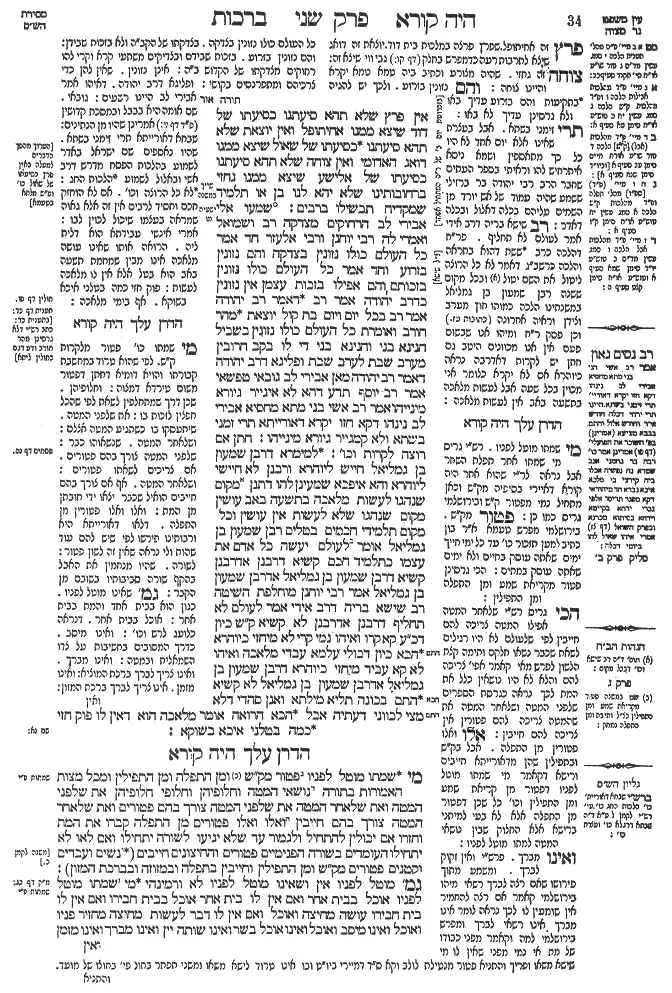
Berakhot 17b - Guemara
אין פרץ שלא תהא סיעתנו כסיעתו של דוד שיצא ממנו אחיתופל ואין יוצאת שלא תהא סיעתנו כסיעתו של שאול שיצא ממנו דואג האדומי ואין צוחה שלא תהא סיעתנו כסיעתו של אלישע שיצא ממנו גחזי ברחובותינו שלא יהא לנו בן או תלמיד שמקדיח תבשילו ברבים:
(ישעיהו מו יב) שמעו אלי אבירי לב הרחוקים מצדקה רב ושמואל ואמרי לה רבי יוחנן ורבי אלעזר חד אמר כל העולם כולו נזונין בצדקה והם נזונין בזרוע וחד אמר כל העולם כולו נזונין בזכותם והם אפילו בזכות עצמן אין נזונין כדרב יהודה אמר רב דאמר רב יהודה אמר רב בכל יום ויום בת קול יוצאת מהר חורב ואומרת כל העולם כולו נזונין בשביל חנינא בני וחנינא בני די לו בקב חרובין מערב שבת לערב שבת ופליגא דרב יהודה דאמר רב יהודה מאן אבירי לב גובאי טפשאי אמר רב יוסף תדע דהא לא איגייר גיורא מינייהו אמר רב אשי בני מתא מחסיא אבירי לב נינהו דקא חזו יקרא דאורייתא תרי זמני בשתא ולא קמגייר גיורא מינייהו:
חתן אם רוצה לקרות וכו':
למימרא דרבן שמעון בן גמליאל חייש ליוהרא ורבנן לא חיישי ליוהרא והא איפכא שמעינן להו דתנן מקום שנהגו לעשות מלאכה בתשעה באב עושין מקום שנהגו שלא לעשות אין עושין וכל מקום תלמידי חכמים בטלים רבן שמעון בן גמליאל אומר לעולם יעשה כל אדם את עצמו כתלמיד חכם קשיא דרבנן אדרבנן קשיא דרבן שמעון בן גמליאל אדרבן שמעון בן גמליאל אמר רבי יוחנן מוחלפת השיטה רב שישא בריה דרב אידי אמר לעולם לא תחליף דרבנן אדרבנן לא קשיא קש כיון דכע קא קרו ואיהו נמי קרי לא מיחזי כיוהרא הכא כיון דכולי עלמא עבדי מלאכה ואיהו לא קא עביד מיחזי כיוהרא דרבן שמעון בן גמליאל אדרבן שמעון בן גמליאל לא קשיא התם בכונה תליא מילתא ואנן סהדי דלא מצי לכווני דעתיה אבל הכא הרואה אומר מלאכה הוא דאין לו פוק חזי כמה בטלני איכא בשוקא:
הדרן עלך היה קורא
מתני׳ מי שמתו מוטל לפניו פטור מקש ומן התפלה ומן התפילין ומכל מצות האמורות בתורה נושאי המטה וחלופיהן וחלופי חלופיהן את שלפני המטה ואת שלאחר המטה את שלפני המטה צורך בהם פטורים ואת שלאחר המטה צורך בהם חייבין ואלו ואלו פטורים מן התפלה קברו את המת וחזרו אם יכולין להתחיל ולגמור עד שלא יגיעו לשורה יתחילו ואם לאו לא יתחילו העומדים בשורה הפנימיים פטורים והחיצונים חייבים (נשים ועבדים וקטנים פטורים מקש ומן התפילין וחייבין בתפלה ובמזוזה ובברכת המזון):
גמ׳ מוטל לפניו אין ושאינו מוטל לפניו לא ורמינהי מי שמתו מוטל לפניו אוכל בבית אחר ואם אין לו בית אחר אוכל בבית חבירו ואם אין לו בית חבירו עושה מחיצה ואוכל ואם אין לו דבר לעשות מחיצה מחזיר פניו ואוכל ואינו מיסב ואוכל ואינו אוכל בשר ואינו שותה יין ואינו מברך ואינו מזמן
Comments from Rashi on Masechet Berakhot Page 17b
כל העולם כולו נזונין בצדקה . בצדקתו של הקב"ה ולא בזכות שבידן: והם נזונין בזרוע . בזכות שבידם ובצדיקים משתעי קרא וקרי להו רחוקים מצדקתו של הקדוש ב"ה: ופליגא דרב יהודה . דאיהו אמר אבירי לב היינו רשעים: גובאי . שם אומה היא בבבל ובמסכת קדושין (פ"ד דף ע:) אמרינן שהיו מן הנתינים: שבחא דאורייתא תרי זימני בשתא . שהיו נאספים שם ישראל באדר לשמוע בהלכות הפסח מדרש דרב אשי ובאלול לשמוע הלכות החג: אמרי אינשי עבידתא הוא דלית ליה . הרואה אותו שאינו עושה מלאכה אינו מבין שמחמת תשעה באב הוא בטל אלא אין לו מלאכה לעשות: פוק חזי כמה בטלני איכא בשוקא . אף בימי מלאכה: הדרן עלך היה קורא מי שמתו כו' פטור מלקרות ק"ש . לפי שהוא טרוד במחשבת קבורתו והויא דומיא דחתן דפטור משום טירדא דמצוה: וחלופיהן . שכן דרך שמתחלפין לשאת לפי שהכל חפצין לזכות בו: את שלפני המטה . שיתעסקו בו כשתגיע המטה אצלם: ושלאחר המטה . שנשאוהו כבר: שלפני המטה צורך בהם פטורים . אם צריכים לשאתו פטורים: ושלאחר המטה . אף אם צורך בהם חייבים הואיל שכבר יצאו ידי חובתן מן המת: ואלו ואלו פטורין מן התפלה . דלאו דאורייתא היא ורבותינו פירשו לפי שיש להם עוד שהות ולי נראה שאין זה לשון פטור: לשורה . שהיו מנחמין את האבל בהקף שורה סביבותיו בשובם מן הקבר: גמ' שאינו מוטל לפניו . כגון הוא בבית אחד והמת בבית אחר: מי שמתו כו' פטור מלקרות ק"ש . לפי שהוא טרוד במחשבת קבורתו והויא דומיא דחתן דפטור משום טירדא דמצוה: אוכל בבית אחר . דנראה כלועג לרש וכו': ואינו מיסב . כדרך המסובים בחשיבות על צדו השמאלית ובמטה: ואינו מברך . ואינו צריך לברך ברכת המוציא: ואינו מזמן . אינו צריך לברך ברכת המזון:
Comments from Tosafot - Berakhot 17b
פרץ זה אחיתופל . שפרץ פרצה במלכות בית דוד. יוצאת זה דואג שיצא לתרבות רעה כדמפרש בחלק (קו:) גבי ווי שיצא זה: צוחה זה גחזי . שהיה מצורע וכתיב ביה טמא טמא יקרא והיינו צוחה: והם נזונין בזרוע . ולכך יש להגיה בתקיעות והם בזרוע עדיך באו ולא גרסינן עדיך לא באו: תרי זימני בשתא . אבל בעצרת שאינו אלא יום אחד לא היו כל כך מתאספין ושמא ניסא איתרחיש להו וראיתי בספר העתים שחבר הרב רבי יהודה בר ברזילי ששמע שהיה עמוד של אש יורד מן השמים עליהם בכלה דאלול ובכלה דאדר: רב שישא בריה דרב אידי אמר לעולם לא תחליף . פר"ח דהלכה כרב ששת דהוא בתראה והלכה כרשב"ג דאמר לא כל הרוצה ליטול את השם יטול ובכל מקום ששנה רבן שמעון בן גמליאל במשנתינו הלכה כמותו חוץ מערב וצידן וראיה אחרונה (כתובות עז א) וכן פסק ר"ח ומיהו אנו שבשום פעם אין אנו מכוונים היטב גם חתן יש לקרות דאדרבה נראה כיוהרא אם לא יקרא כלומר אני מכוין בכל שעה אבל לעשות מלאכה בתשעה באב אין לעשות מלאכה: הדרן עלך היה קורא מי שמתו מוטל לפניו . רש"י גריס מי שמתו אחר תפלת השחר אבל נראה לר"י שהוא אחר היה קורא דאיירי בסיפיה מק"ש וכאן מתחיל נמי מפטור ק"ש ובירושלמי גריס כמו כן: פטור מק"ש . בירושלמי מפרש טעמא א"ר בון כתיב למען תזכור כו' עד כל ימי חייך ימים שאתה עוסק בחיים ולא ימים שאתה עוסק במתים: הכי גרסינן פטור מקריאת שמע ומן התפלה ומן התפילין: הכי גריס רש"י שלאחר המטה אפילו המטה צריכה להם חייבין לפי שלעולם לא היו רגילים לשאת שכבר נשאו חלקם ותימה קצת הלשון לפרש מאי קאמר אפי' צריכה להם והלא לא היו נושאין כלל את המת לכך נראה כגרסת הספרים שלפני המטה ושלאחר המטה את שהמטה צריכה להם פטורין אין צריכה להם חייבין: אלו ואלו פטורין מן התפלה . אבל בק"ש ובתפילין שהן מדאורייתא חייבים ורישא דקאמר מי שמתו מוטל לפניו דפטור מן קריאת שמע ומן התפילין וכו' כל שכן דפטור מן התפלה אלא לא בעי למיתני ברישא אלא החלוק שבין נושאי המטה למתו מוטל לפניו: הכי גריס רש"י שלאחר המטה אפילו המטה צריכה להם חייבין לפי שלעולם לא היו רגילים לשאת שכבר נשאו חלקם ותימה קצת הלשון לפרש מאי קאמר אפי' צריכה להם והלא לא היו נושאין כלל את המת לכך נראה כגרסת הספרים שלפני המטה ושלאחר המטה את שהמטה צריכה להם פטורין אין צריכה להם חייבין: ואינו מברך . פרש"י ואין זקוק לברך . ומשמע מתוך פירושו שאם רצה לברך רשאי מיהו בירושלמי קאמר אם רצה להחמיר אין שומעין לו לכך נראה לומר אינו מברך אינו רשאי לברך ומפרש בירושלמי למה וקאמר מפני כבודו של מת אי נמי מפני שאין לו מי שישא משאו ופריך והתניא פטור מנטילת לולב וקא ס"ד דמיירי ביו"ט ובו אינו טרוד לישא משאו ומשני תפתר בחול פי' בחולו של מועד. והתניא פטור מתקיעת שופר אית לך למימר בחול ולא בי''ט בתמיה ומשני א''ר חנינא מכיון שהוא זקוק להכין לו ארון ותכריכין כדתנן (שבת קנא.) מחשיכין על התחום להביא לו ארון ותכריכין כמו שהוא נושא משאו דמי אלמא משמע דבשבתות וי''ט אינו רשאי לברך ולהתפלל דטרוד להחשיך לו על התחום להביא ארון ותכריכין וקשיא מסיפא דקתני בשבת מברכין עליו ומזמנין עליו וכן תניא נמי בירושלמי בד''א בחול אבל בשבת מיסב ואוכל ומברך ועונים אחריו אמן. ואומר הר''י דפליגי אהדדי רישא וסיפא בירושלמי. ורבי נתנאל היה אומר דאפשר לישבו דודאי אם דעתו להחשיך על התחום אז יש לנו לומר דטרוד להחשיך ואינו רשאי לברך אבל בסיפא מיירי בשאין דעתו להחשיך על התחום ומיהו האי טעמא לא שייך לטעמא דמשום כבודו. ומן הירושלמי דמשני דפטור מנטילת לולב דמיירי בחול המועד דטרוד לישא משאו למדנו שבחול המועד שייך אנינות כשמתו מוטל לפניו וכיון דכשמוטל לפניו שייך אנינות כי מוטל עליו לקוברו כמוטל לפניו דמי וכן איפכא מי שמתו מוטל לפניו ואין עליו לקוברו אינו נוהג אנינות וכן משמע בירושלמי נמסר לרבים אוכל בשר ושותה יין נמסר לכתפים כנמסר לרבים ועל כרחך נמסר לרבים ר''ל אפי' לפניו דאי שלא לפניו תיפוק ליה שמיד חל עליו אבלות משיצא מפתח ביתו וכיון דלא חל עליה אנינות א''כ אדם שאינו יכול לקבור מתו כגון אדם שמת בבית האסורים ואין המושל מניחו לקוברו נראה שאין חייב לנהוג בו אנינות שהרי אין זה מוטל עליו לקברו מפני שאינו יכול לפדותו ולהוציאו לקברו כדתניא במסכת שמחות (פ''ב) נתיאשו בעליו מלקוברו מתאבלין עליו ופסיק מיניה תורת אנינות מיהו באותו שתפסו מושל גם אבילות אינו חייב דלא דמי לנתיאשו מלקוברו ששם אינו קוברו תו אבל הכא עדיין הוא מצפה אם יוכל לעשות פשרה עם המושל להניחו לקברו וכן מעשה דר' אליעזר בר''ש בבבא מציעא (דף פד:) דפסק מצות אנינות ומעשה שמתה אחותו של ר''ת בשבת והודיעו לו במוצאי שבת בעיר אחרת ואכל בשר ושתה יין ואמר כיון שיש לה בעל שחייב בקבורתה אינו אסור בבשר ויין ואפשר שגם ר''ת אם היה בעיר עצמו היה מיקל מאותו הטעם:
Berakhot 17b - Mishnah translated into english
“There is no breach”; that our faction of Sages should not be like the faction of David, from which Ahitophel emerged, who caused a breach in the kingdom of David.
“And no going forth”; that our faction should not be like the faction of Saul, from which Doeg the Edomite emerged, who set forth on an evil path.
“And no outcry”; that our faction should not be like the faction of Elisha, from which Geihazi emerged.
“In our open places”; that we should not have a child or student who overcooks his food in public, i.e., who sins in public and causes others to sin, as in the well-known case of Jesus the Nazarene.
Having cited a dispute with regard to the interpretation of a verse where we are uncertain whether the dispute is between Rav and Shmuel or Rabbi Yoḥanan and Rabbi Elazar, the Gemara cites another verse with regard to which there is a similar dispute. It is said: “Hear Me, stubborn-hearted who are far from charity” (Isaiah 46:12). While both agree that the verse refers to the righteous, Rav and Shmuel, and some say Rabbi Yoḥanan and Rabbi Elazar, disagreed as to how to interpret the verse. One said: The entire world is sustained by God’s charity, not because it deserves to exist, while the righteous who are far from God’s charity are sustained by force, as due to their own good deeds they have the right to demand their sustenance. And one said: The entire world is sustained by the merit of their righteousness, while they are not sustained at all, not even by their own merit, in accordance with the statement that Rav Yehuda said that Rav said.
As Rav Yehuda said that Rav said: Every day a Divine Voice emerges from Mount Horeb and says: The entire world is sustained by the merit of Ḥanina ben Dosa, my son, and for Ḥanina, my son, a kav of carobs is sufficient to sustain him for an entire week, from one Shabbat eve to the next Shabbat eve.
And this exegesis disagrees with the opinion of Rav Yehuda, as Rav Yehuda said, who are the stubborn-hearted? They are the foolish heathens of Gova’ei. Rav Yosef said: Know that this is so, as no convert has ever converted from their ranks.
Similarly, Rav Ashi said: The heathen residents of the city Mata Meḥasya are the stubborn-hearted, as they witness the glory of the Torah twice a year at the kalla gatherings in Adar and Elul, when thousands of people congregate and study Torah en masse, yet no convert has ever converted from their ranks.
We learned in our mishna that if a groom wishes to recite Shema on the first night of his marriage, he may do so, and Rabban Shimon ben Gamliel prohibited doing so because of the appearance of presumptuousness.
The Gemara asks: Is that to say that Rabban Shimon ben Gamliel is concerned about presumptuousness and the Rabbis are not concerned about presumptuousness? Didn’t we learn that they say the opposite? As we learned in a mishna: A place where they were accustomed to perform labor on Ninth of Av, one may perform labor. A place where they were accustomed not to perform labor on Ninth of Av, one may not perform labor. And everywhere, Torah scholars are idle and do not perform labor. Rabban Shimon ben Gamliel says: With regard to performing labor on the Ninth of Av, one should always conduct himself as a Torah scholar.
If so, there is a contradiction between the statement of the Rabbis here and the statement of the Rabbis there. And, there is a contradiction between the statement of Rabban Shimon ben Gamliel here and the statement of Rabban Shimon ben Gamliel there.
Rabbi Yoḥanan said: The attribution of the opinions is reversed in one of the sources in the interest of avoiding contradiction. Rav Sheisha, son of Rav Idi, said: Actually, you need not reverse the opinions, as the contradiction between the statement of the Rabbis here and the statement of the Rabbis there is not difficult. In the case of the recitation of Shema on his wedding night, since everyone is reciting Shema and he is also reciting Shema, he is not conspicuous and it does not appear as presumptuousness. Here, in the case of the Ninth of Av, however, since everyone is performing labor and he is not performing labor, his idleness is conspicuous and appears as presumptuousness.
So too, the contradiction between the statement of Rabban Shimon ben Gamliel here and the statement of Rabban Shimon ben Gamliel there is not difficult. There, in the case of the recitation of Shema on his wedding night, the matter is dependent upon his capacity to concentrate, and it is clear to all that he is unable to concentrate. Reciting Shema under those circumstances is a display of presumptuousness. But here, in the case of the Ninth of Av, one who sees him idle says: It is because he has no labor to perform. Go out and see how many idle people there are in the marketplace, even on days when one is permitted to work. Consequently, his idleness is not conspicuous.
May we return to thee : Who reads.
MISHNA: One whose deceased relative is laid out unburied before him is exempt from the recitation of Shema, from the Amida prayer, and from the mitzva to don phylacteries, as well as all positive mitzvot mentioned in the Torah, until the deceased has been buried.
With regard to the pallbearers and their replacements and the replacements of their replacements, those located before the bier who have not yet carried the deceased and those located after the bier. Those before the bier who are needed to carry the bier are exempt from reciting Shema; while those after the bier, even if they are still needed to carry it, since they have already carried the deceased, they are obligated to recite Shema. However, both these and those are exempt from reciting the Amida prayer, since they are preoccupied and are unable to focus and pray with the appropriate intent.
After they buried the deceased and returned, if they have sufficient time to begin to recite Shema and conclude before they arrive at the row, formed by those who attended the burial, through which the bereaved family will pass in order to receive consolation, they should begin. If they do not have sufficient time to conclude reciting the entire Shema, then they should not begin.
And those standing in the row, those in the interior row, directly before whom the mourners will pass and who will console them, are exempt from reciting Shema, while those in the exterior row, who stand there only to show their respect, are obligated to recite Shema. Women, slaves and minors are exempt from the recitation of Shema and from phylacteries, but are obligated in prayer, mezuza and Grace after Meals.
GEMARA: We learned in the mishna that one whose deceased relative is laid out before him is exempt from the recitation of Shema and other positive mitzvot. The Gemara deduces: When the corpse is laid out before him, yes, he is exempt, but when the corpse is not physically laid out before him, no, he is not exempt from these mitzvot.
The Gemara raises a contradiction from a baraita: One whose deceased relative is laid out before him eats in another room. If he does not have another room, he eats in the house of a friend. If he does not have a friend’s house available, he makes a partition between him and the deceased and eats. If he does not have material with which to make a partition, he averts his face from the dead and eats. And in any case, he does not recline while he eats, as reclining is characteristic of a festive meal. Furthermore, he neither eats meat nor drinks wine, and does not recite a blessing before eating, and does not recite the formula to invite the participants in the meal to join together in the Grace after Meals [zimmun], i.e., he is exempt from the obligation of Grace after Meals.
Traduction : The William Davidson digital edition of the Koren Noé Talmud, with commentary by Rabbi Adin Even-Israel Steinsaltz.