 Talmud Bavli
No video class on this page yet.
To add a video to this page please click here.Niddah Page 23b
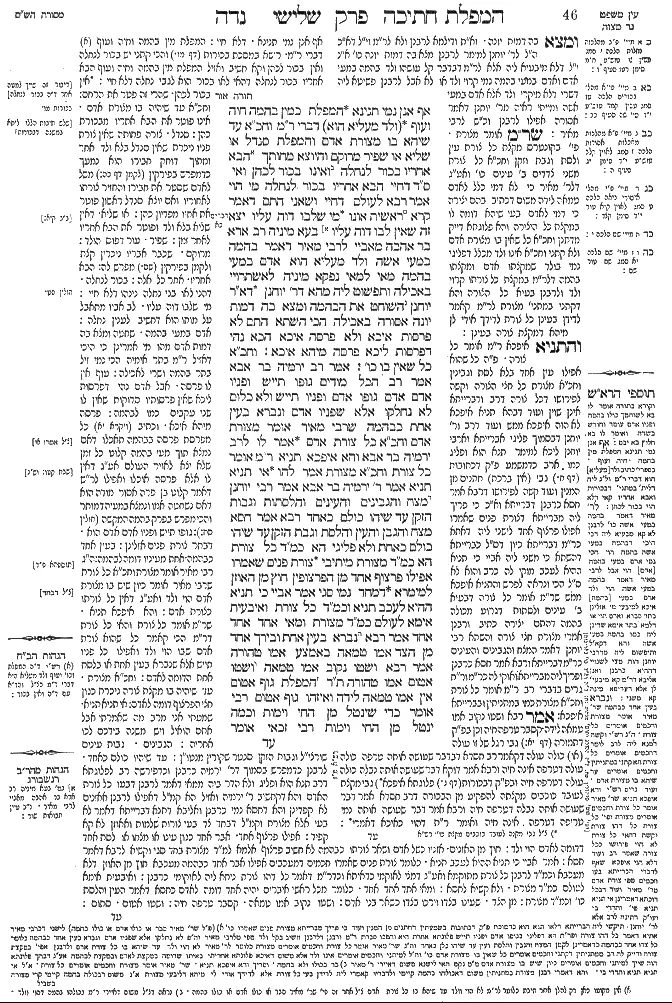
Niddah 23b - Guemara
אף אנן נמי תנינא המפלת כמין בהמה חיה ועוף (ולד מעליא הוא) דברי ר"מ וחכ"א עד שיהא בו מצורת אדם והמפלת סנדל או שליא או שפיר מרוקם והיוצא מחותך הבא אחריו בכור לנחלה ואינו בכור לכהן ואי ס"ד דחיי הבא אחריו בכור לנחלה מי הוי אמר רבא לעולם דחיי ושאני התם דאמר קרא {דברים כח } ראשית אונו מי שלבו דוה עליו יצא זה שאין לבו דוה עליו בעא מיניה רב אדא בר אהבה מאביי לרבי מאיר דאמר בהמה במעי אשה ולד מעליא הוא אדם במעי בהמה מאי למאי נפקא מיניה לאשתרויי באכילה ותפשוט ליה מהא דר' יוחנן דא"ר יוחנן השוחט את הבהמה ומצא בה דמות יונה אסורה באכילה הכי השתא התם לא פרסות איכא ולא פרסה איכא הכא נהי דפרסות ליכא פרסה מיהא איכא וחכ"א כל שאין בו כו' אמר רב ירמיה בר אבא אמר רב הכל מודים גופו תייש ופניו אדם אדם גופו אדם ופניו תייש ולא כלום לא נחלקו אלא שפניו אדם ונברא בעין אחת כבהמה שרבי מאיר אומר מצורת אדם וחכ"א כל צורת אדם אמר לו לרב ירמיה בר אבא והא איפכא תניא ר"מ אומר כל צורת וחכ"א מצורת אמר להו אי תניא תניא אמר ר' ירמיה בר אבא אמר רבי יוחנן מצח והגבינים והעינים והלסתות וגבות הזקן עד שיהו כולם כאחד רבא אמר חסא מצח והגבן והעין והלסת וגבת הזקן עד שיהו כולם כאחת ולא פליגי הא כמ"ד כל צורת הא כמ"ד מצורת מיתיבי צורת פנים שאמרו אפילו פרצוף אחד מן הפרצופין חוץ מן האוזן למימרא דמחד נמי סגי אמר אביי כי תניא ההיא לעכב תניא וכמ"ד כל צורת ואיבעית אימא לעולם כמ"ד מצורת ומאי אחד אחד אחד אמר רבא נברא בעין אחת ובירך אחד מן הצד אמו טמאה באמצע אמו טהורה אמר רבא ושטו נקוב אמו טמאה ושטו אטום אמו טהורה ת"ר המפלת גוף אטום אין אמו טמאה לידה ואיזהו גוף אטום רבי אומר כדי שינטל מן החי וימות וכמה ינטל מן החי וימות רבי זכאי אומר
Comments from Rashi on Masechet Niddah Page 23b
אף אנן נמי תנינא . דלא חיי: המפלת מין בהמה וחיה ועוף דברי ר"מ . רישא במסכת בכורות (דף מו.) והכי קתני יש בכור לנחלה ואין בכור לכהן וקא חשיב ואזיל המפלת מין בהמה וחיה ועוף הבא אחריו בכור לנחלה דהאי לאו בכור הוא לגבי נחלה דלא חיי: וחכ"א עד שיהיה בו מצורת אדם . אינו פוטר את הבא אחריו מבכורת כהן: אין בכור לכהן . שהרי זה פטר את הרחם: סנדל . צורה פחותה שאין צורת פניו ניכרת שאין סנדל בלא ולד אחר ומתוך דוחק חבירו הוא נמעך כדמפרש בפירקין (לקמן נדה דף כה:) משל לאדם שסטר את חבירו והחזיר צורתו לאחוריו. ואם יוצא סנדל ראשון פוטר את אחיו מפדיון כהן: או שליא . דאין שליא בלא ולד ופוטר את הבא אחריו לאחר זמן: שפיר . עור דפוס הולד: מרוקם . שכבר אבריו ניכרין קצת ולקמן בפירקין (שם.) מפרש לה: הבא אחריו . אחר כל אלה: בכור לנחלה . דהני לאו בני נחלה נינהו דלא חיי: מי שלבו דוה עליו . לב אביו מתאבל על מותו הוא דחשיב לענין נחלה: אדם במעי בהמה . שחטה ומצא בה דמות אדם מהו מי אמרינן כי היכי דאזיל ר"מ בתר אימיה הכי נמי זיל בתר בהמה ושרי לאכילה: עוף אין לו פרסה . אבל אדם נהי דפרסות ליכא שאין פרסותיו סדוקות שאין לו שני עקבים כמו לבהמה: פרסה מיהא איכא . וכתיב (ויקרא יא) כל מפרסת פרסה בבהמה תאכלו דאם נמצא תוך מעי בהמה קלוט כל זמן שלא יצא לאויר העולם אע"ג דאין לו אלא פרסה אוכלו ואפילו לר"ש דאמר קלוט בן פרה אסור מודה הוא דאם נשחטה אמו ונמצא במעיה דמותר והכי מפרש בפרק בהמה המקשה (חולין סח:): גופו תייש ופניו אדם אדם הוא . דבתר צורת פנים אזלינן: בעין אחד כבהמה . אחת מעיניו דומה לבהמה: ה"ג רבי מאיר אומר מצורת וחכ"א כל צורת . שרבי מאיר אומר כיון שיש בו מצורת אדם הוי ולד ואע"ג דאין כל צורתו כצורת אדם: והא איפכא תניא . שר"מ אומר כל צורת והאי כל צורת דר"מ הכי קאמר כל שהוא צורת אדם שבו הוי ולד ואפילו כל פניו תייש אלא שנברא בעין אחת או בלסת אחת הדומה לאדם: וחכ"א מצורת . עד שיהיה בו מקצת צורה ניכרת כגון חצי הפרצוף דומה לאדם: אי תניא תניא . שמעתי אני מרב מה שאמרתי אבל אתם הואיל ויש משנה בידכם לכו אחריה: הגבינים . גבות עינים שורצי"ל. וגבות הזקן סנטר שקורין מנטו"ן: עד שיהיו כולם כאחד . לרבנן כדמפרש בסמוך דר' ירמיה כרבנן וכדפירשה רב לפלוגתא דרב תנא הוא ופליג ולא הדר ביה ממאי דאמר לרבנן דבעו כל צורת האדם והא דקחשיב ר' ירמיה ואזיל הא קמ"ל דאפילו לרבנן אאזנים לא קפדינן והא דחסא נמי כרבנן ואליבא דתנא דברייתא דאמר לא בעי אלא מצורת וקמ"ל דבחד צד בעי צורות שלמות ואאוזן לא קא קפיד: אפילו פרצוף אחד . אבר אחד כגון עינו או מצחו או לסת אחד דדומה לאדם הוי ולד: חוץ מן האזנים . אזניו כשל אדם ושאר צורתו כבהמה לא חשיב פרצוף. אלמא למ"ד מצורת בחד סגי וקשיא לרבא דאמר חסא: אמר אביי כי תניא ההיא לעכב תניא . כלומר צורת פנים שאמרו חכמים דמעכבים אפילו אבר אחד כבהמה מעכבא חוץ מן האוזן דלא מעכבא וכמ"ד לרבנן כל צורת מתוקמא ואע"ג דמצי לאוקמי כדאיתא וכדר"מ דאמר כל דהו צורת ניחא ליה לאוקומי כרבנן: ואיבעית אימא לעולם כמ"ד מצורת . ולא קשיא לחסא: ומאי אחד אחד אחד . כלומר מכל ראשי איברים יהיה אחד דומה לאדם כחסא דאמר העין והלסת כו' וכמ"ד מצורת: מן הצד . שעינו בצדו וירכו בצדו כשאר בני אדם: ושטו נקוב אמו טמאה . קסבר טרפה חיה: ושטו אטום . סתום:
Comments from Tosafot - Niddah 23b
ומצא בה דמות יונה. וא"ת ודילמא לרבנן ולא לר"מ וי"ל דא"כ ה"ל לר' יוחנן למימר לרבנן מצא בה דמות יונה כו' א"נ י"ל דלא מיבעיא ליה אלא לר"מ דבדבר קל עושהו ולד בהמה במעי אדם ואדם במעי בהמה נמי קרוי ולד או לא אבל לרבנן פשיטא ליה דשרי דלא מיקרי ולד אלא אדם במעי אשה ומייתי ראיה מר' יוחנן דאמר אסורה אפילו לרבנן וכ"ש לרבי מאיר: שר"מ אומר מצורת. פי' בקונטרס מקצת כל צורת עין ולסת וגבת וזקן וחכ"א כל צורת משני צדדים ב' עינים כו' ואע"ג דלר' מאיר כי לא דמי כלל לאדם טמאה לידה משום דכתיב בהם יצירה כי דמי לאדם בעי שיהא דומה לו במקצת כל היצירה והא פלוגתא דייק מדתנן וחכ"א כל שאין בו מצורת אדם ולא קתני וחכ"א אינו ולד מכלל דפליגי נמי בולד שמקצתו אדם ומקצתו בהמה דלר"מ במקצת כל צורתו קרוי ולד ולרבנן בעיא כל הצורה והא דקתני במתני' מצורת לר"מ קאמר לדידן בעינן כל צורת לדידך אודי לן מיהא דמקצת צורה בעינן: והתניא איפכא ר"מ אומר כל צורה. פ"ה כל שהוא אפילו עין אחד בלא לסת וגבינין וחכ"א מצורת כל חצי הצורה וקשה לפירושו דכל צורה דרב ודברייתא אינן שוין ועוד דבהא תניא איפכא לא הוה איפכא ממש ועוד דרב ור' יוחנן דבסמוך פליגי אברייתא וארבי יוחנן ליכא למימר תנא הוא ופליג כמו ארב כדמשמע פ"ק דכתובות (דף ח.) גבי (אין ברכת) חתנים מן המנין ועוד קשה לפירושו דרבא אמר חסא כרבנן דברייתא וא"כ כי פריך ליה מברייתא דצורת פנים שאמרו אפילו פרצוף אחד לישני ליה דאתא כר"מ דברייתא כיון דס"ל כברייתא דהשתא כי משני ליה אביי כי תניא ההיא לעכב מוקי לה כרב והוא לא ס"ל הכי ונראה לפרש והתניא איפכא ממש שר"מ אומר כל צורה דבעיא ב' עינים ולסתות דגרוע מכולה בהמה דהתם יצירה כתיב ורבנן אמרי מצורת חצי צורה והשתא רבי יוחנן דאמר המצח והגבינים והעינים כר"מ דברייתא ורבא אמר חסא כרבנן ופריך ליה מברייתא ואוקי לה כר"מ ור"ח גריס בדברי רב ר"מ אומר כל צורת וחכ"א מצורת כמו במתניתין ובברייתא איפכא: אמר רבא ושטו נקוב אמו טמאה לידה. קסבר טרפה חיה וכן בפ"ק דתמורה (דף יא:) גבי רגל של זו עולה (או) כולה עולה דקאמר רב חסדא דבדבר שעושה אותה טרפה כולה עולה דטרפה אינה חיה ורבא אמר דוקא דבר שעושה אותה נבלה כולה עולה דטרפה חיה ובפ"ק דבכורות (דף ג.) פלוגתא איפכא גבי מקצת לעובד כוכבים מקצתה להפקיע מן הבכורה דרב חסדא אמר דבר שעושה אותה נבלה דטרפה חיה ורבא אמר דבר שעושה אותה נמי טריפה דטרפה אינה חיה ואומר ר"ת דהוי כאיכא דאמרי:
Niddah 23b - Mishnah translated into english
We, too, learn in a mishna (Bekhorot 46a) that the fetus of a woman that has the form of an animal cannot survive: In the case of a woman who had previously discharged a fetus with the appearance similar to that of a domesticated animal, an undomesticated animal, or bird before giving birth to any children, and subsequently she gives birth to a son, the son is considered a firstborn with regard to the halakhot of inheritance, but he does not require redemption, as the fetus is considered a full-fledged offspring in that regard. This is the statement of Rabbi Meir. And the Rabbis say: The son is not exempted from the requirement of redemption from a priest unless it follows the birth of a fetus that takes the form of a person; otherwise, it is not considered the offspring that “opens the womb” (Exodus 13:2), and the son requires redemption as a firstborn.
And in the case of a woman who discharges a fetus in the form of a sandal fish, or from whom an afterbirth or a gestational sac in which tissue developed emerged, or who delivered a fetus that emerged in pieces, the son that follows them is considered a firstborn with regard to inheritance but is not a firstborn with regard to redemption from a priest. The Gemara explains the proof: And if it enters your mind that a fetus that has the form of an animal can survive, is the son that follows it a firstborn with regard to inheritance?
Rava said, in rejection of this proof: Actually, it is possible that a fetus shaped like an animal can survive; but it is different there, with regard to inheritance. The son that follows such a fetus has the status of a firstborn, as the verse states with regard to the inheritance of a firstborn: “By giving him a double portion of all that he has; for he is the first fruits of his strength [ono]; the right of the firstborn is his” (Deuteronomy 21:17). It is derived from the verse that the status of a firstborn applies only to a son over whose death a father would mourn. The word ono is interpreted homiletically based on its similarity to the word onen, acute mourner. This offspring that has the form of an animal is therefore excluded, as its father would not mourn over its death.
§ Rav Adda bar Ahava asked Abaye: According to Rabbi Meir, who said that an item that is similar to an animal in the womb of a woman is considered a full-fledged offspring, what is the halakha with regard to a human fetus in the womb of an animal? The Gemara explains: What is the practical difference of this inquiry? The difference is with regard to permitting the fetus in consumption. A full-fledged fetus found inside its slaughtered mother is permitted to be eaten, despite the fact that it was not slaughtered itself.
The Gemara suggests: But one can resolve the dilemma from that statement of Rabbi Yoḥanan, as Rabbi Yoḥanan said: In the case of one who slaughters an animal and finds in it an item that has the form of a pigeon, the pigeon is prohibited for consumption. Evidently, the ritual slaughter of a pregnant animal renders its fetus permitted to be eaten only if the fetus is of the same species as the mother. Accordingly, if the fetus has the form of a human, it is prohibited for consumption.
The Gemara rejects this suggestion: How can these cases be compared? There, with regard to a pigeon fetus, there are no split hooves, and there is not even a hoof at all. Since a pigeon is completely different from the slaughtered animal, the fetus is forbidden. By contrast, here, in the case of a human fetus, although there are no split hooves, there is at least a hoof, i.e., solid feet. Therefore, it is possible that the human fetus is permitted for consumption, and the dilemma remains unresolved.
§ The mishna teaches: And the Rabbis say: Any discharged entity that is not of human form does not render the woman impure. Rav Yirmeya bar Abba says that Rav says: All concede that if a woman discharged an entity whose body is that of a goat and whose face is that of a human, it is considered a human offspring, i.e., even the Rabbis rule that the woman is impure in this case. Likewise, if its body is that of a human and its face is that of a goat, Rabbi Meir concedes that it is nothing, and the woman is pure.
They disagree only in a case where its face is that of a human, but it was created with one human eye and one eye like that of an animal. As Rabbi Meir says that if the offspring has part of the form of a human face, even if one eye is not like that of a human, it is considered a human offspring, and the woman is impure. And the Rabbis say that it must have the entire form of a human face to be considered a human offspring, and otherwise the woman is not impure.
One of the Sages said to Rav Yirmeya bar Abba: But isn’t the opposite taught in a baraita: Rabbi Meir says that a woman who discharged is impure if the fetus has any part of the form of a human face, and the Rabbis say that the woman is impure only if the fetus has a recognizable part of the form of a human face, e.g., half of a human face? According to this baraita, Rabbi Meir does not even require that a significant part of it must look human. In his opinion, even if it has only one human eye or one human cheek and the rest of the face is like that of an animal, the woman is impure. Rav Yirmeya bar Abba said to the Sages: If this baraita is taught, it is taught, and I cannot take issue with it. I have my tradition from Rav, and you should rule in accordance with the baraita that you received.
Rabbi Yirmeya bar Abba says that Rabbi Yoḥanan says: A woman who discharges an entity is impure only if the entire face of the fetus has a human form. This includes its forehead, and the eyebrows, and the eyes, and the cheeks, and its chin. The woman is not impure unless these facial features all as one have the human form. Rava says that Ḥasa says: It is sufficient for the fetus to have the appearance of a human on one side of its face; its forehead, and one eyebrow, and one eye, and one cheek, and its chin are enough. The woman is not impure unless these facial features all as one have the human form.
And Rabbi Yoḥanan and Ḥasa do not disagree about whether the halakha is in accordance with the opinion of Rabbi Meir or that of the Rabbis, as they both accept the opinion of the Rabbis. The difference between them is that this amora, Rabbi Yoḥanan, holds like the one who says that the Rabbis require the entire form of the face to be human, and that amora, Ḥasa, holds like the one who says that the Rabbis require only a recognizable part of the form of a human face.
Ḥasa evidently interprets the version of the Rabbis’ statement that only part of a human face is required as referring to half of a human face. The Gemara raises an objection to this interpretation from a baraita: The miscarriage of a fetus with the form of a human face, which the Rabbis said renders the woman impure, includes even one of the facial features, apart from the ear. Apparently, that is to say that even if the fetus has only one facial feature of a human, this is also sufficient to render the woman impure.
Abaye says: When that baraita is taught, it is taught with regard to the halakha of rendering all of the facial features indispensable for the fetus to be defined as human, except for the ear. And this ruling is in accordance with the one who says that the Rabbis require that the entire form of the face must be human. And if you wish, say that actually this ruling is in accordance with the one who says that the Rabbis require only a recognizable part of the form of a human face. And what is the meaning of the claim that it is sufficient for the fetus to have one facial feature of a human? It means one of each facial feature of which a human has two, i.e., one eye, one eyebrow, and so on.
Rava says: In a case where a fetus was created with one eye or with one thigh, if the eye is located to the side on the middle of the face, or the thigh is located at the side of the hip, where a human eye or thigh is normally located, the fetus is considered human, and its mother is impure. If it appears in the middle of the face or hip, the fetus is not considered human, and its mother is pure.
Rava says: If its esophagus is punctured, although the fetus is considered a tereifa, i.e., one that has a wound that will cause it to die within twelve months, its mother is impure. But if its esophagus is sealed, i.e., it is closed at one end, it does not have the status of a human fetus, and therefore its mother is pure.
§ The Sages taught in a baraita: In the case of a woman who discharges a fetus that has a sealed body, its mother is not impure with the impurity of a woman after childbirth. And what is a sealed body? Rabbi Yehuda HaNasi says: It is a body which is lacking a limb that when removed from a living person would cause him to die.
And how much of the lower part of a person’s body when removed from a living person would cause him to die, because one cannot survive such a wound? Rabbi Zakkai says:
Traduction : The William Davidson digital edition of the Koren Noé Talmud, with commentary by Rabbi Adin Even-Israel Steinsaltz.