 Talmud Bavli
No video class on this page yet.
To add a video to this page please click here.Niddah Page 27b
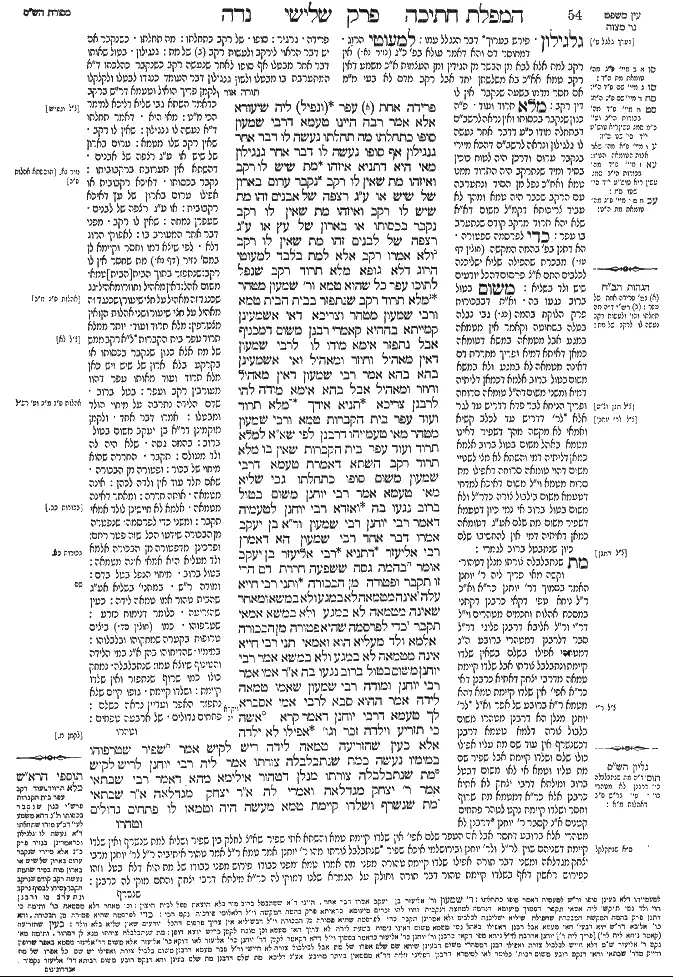
Niddah 27b - Guemara
פרידה אחת עפר (ונפיל) ליה שיעורא אלא אמר רבה היינו טעמא דרבי שמעון סופו כתחלתו מה תחלתו נעשה לו דבר אחר גנגילון אף סופו נעשה לו דבר אחר גנגילון מאי היא דתניא איזהו מת שיש לו רקב ואיזהו מת שאין לו רקב נקבר ערום בארון של שיש או ע"ג רצפה של אבנים זהו מת שיש לו רקב ואיזהו מת שאין לו רקב נקבר בכסותו או בארון של עץ או ע"ג רצפה של לבנים זהו מת שאין לו רקב ולא אמרו רקב אלא למת בלבד למעוטי הרוג דלא גופא מלא תרוד רקב שנפל לתוכו עפר כל שהוא טמא ור' שמעון מטהר מלא תרוד רקב שנתפזר בבית הבית טמא ורבי שמעון מטהר וצריכא דאי אשמעינן קמייתא בההיא קאמרי רבנן משום דמכניף אבל נתפזר אימא מודו לו לרבי שמעון דאין מאהיל וחוזר ומאהיל ואי אשמעינן בהא בהא אמר רבי שמעון דאין מאהיל וחוזר ומאהיל אבל בהא אימא מודה להו לרבנן צריכא תניא אידך מלא תרוד ועוד עפר בית הקברות טמא ורבי שמעון מטהר מאי טעמייהו דרבנן לפי שא"א למלא תרוד ועוד עפר בית הקברות שאין בו מלא תרוד רקב השתא דאמרת טעמא דרבי שמעון משום סופו כתחלתו גבי שליא מאי טעמא אמר רבי יוחנן משום בטול ברוב נגעו בה ואזדא רבי יוחנן לטעמיה דאמר רבי יוחנן רבי שמעון ור"א בן יעקב אמרו דבר אחד רבי שמעון הא דאמרן רבי אליעזר דתניא רבי אליעזר בן יעקב אומר בהמה גסה ששפעה חררת דם הרי זו תקבר ופטורה מן הבכורה ותני רבי חייא עלה אינה מטמאה לא במגע ולא במשא ומאחר שאינה מטמאה לא במגע ולא במשא אמאי תקבר כדי לפרסמה שהיא פטורה מן הבכורה אלמא ולד מעליא הוא ואמאי תני רבי חייא אינה מטמאה לא במגע ולא במשא אמר רבי יוחנן משום בטול ברוב נגעו בה א"ר אמי אמר רבי יוחנן ומודה רבי שמעון שאמו טמאה לידה אמר ההוא סבא לרבי אמי אסברא לך טעמא דרבי יוחנן דאמר קרא (ויקרא יב, ב) אשה כי תזריע וילדה זכר וגו' אפילו לא ילדה אלא כעין שהזריעה טמאה לידה ריש לקיש אמר שפיר שטרפוהו במימיו נעשה כמת שנתבלבלה צורתו אמר ליה רבי יוחנן לריש לקיש מת שנתבלבלה צורתו מנלן דטהור אילימא מהא דאמר רבי שבתאי אמר ר' יצחק מגדלאה ואמרי לה א"ר יצחק מגדלאה א"ר שבתאי מת שנשרף ושלדו קיימת טמא מעשה היה וטמאו לו פתחים גדולים
Comments from Rashi on Masechet Niddah Page 27b
פרידה . גרגיר: סופו . של רקב כתחלתו: מה תחלתו . כשנקבר אם יש דבר הראוי לירקב ולעשות רקב של מת: גנגילון . בטול. שאותו דבר אחר מבטלו אף סופו לאחר שנעשה רקב כשנקבר כהלכתו ד"א המתערבת בו מבטלו ולשון גנגילון דבר העומד כנגדו לבטלו ולקלקלו. ולקמן פריך הואיל וטעמא דר"ש ברקב כדאמר השתא גבי שליא דליכא למימר הכי מ"ט: מאי היא . דאמר תחלתו ד"א נעשה לו גנגילון: שאין לו רקב . שאין רקב שלו מטמא: ערום בארון של שיש או ע"ג רצפה של אבנים . דהשתא אין תערובת ברקבוביתו: נקבר בכסותו . דאיכא רקבובית או אפילו ערום בארון של עץ דאיכא רקבובית: או ע"ג רצפה של לבנים . שעפרן נמחה: שאין לו רקב . מפני דבר אחר המעורב בו: לאפוקי הרוג דלא . לפי שיצא דמו וחסר וקיימא לן במס' נזיר (דף נא.) מת שחסר אין לו רקב: שנתפזר בתוך הבית [הבית] טמא . משום אהל: דאין מאהיל וחוזר ומאהיל . גג שכנגד זה מאהיל על חצי שיעור ושכנגד זה מאהיל על חצי שיעור ושני אהלות הן ואין מצטרפין: מלא תרוד ועוד . יותר ממלא תרוד עפר בית הקברות. ל"א רקב ממש של מת אלא כגון שנקבר בכסותו או בקרקע בלא ארון של שיש ויש כאן מלא תרוד ועוד מאותו עפר דהוו מעורבין רקב ועפר: בטל ברוב . שדם הלידה נתרבה על מיחוי הולד ומבטלו: אמרו דבר אחד . ולקמן מוקמינן דר"א בן יעקב משום בטול ברוב: בהמה גסה . שלא היה לה ולד מעולם: תקבר . החררה שהוא מיחוי של בכור: ופטורה מן הבכורה . שאם תלד עוד אין ולדה לכהן: אינה מטמאה . אותה חררה: ומאחר דאינה מטמאה . אלמא לא חיישינן לולד אמאי תקבר: ומשני כדי לפרסמה . שנפטרה מן הבכורה שידעו הכל שזה פטר רחם: ופרכינן מדפטורה מן הבכורה אלמא ולד מעליא היא אמאי אינה מטמאה: בטול ברוב . מיחוי הנפל בטל בדם: ומודה ר"ש . במתני' בשליא אע"ג שהבית טהור אמו טמאה לידה: כעין שהזריעה . כלומר דנימוח כזרע: שטרפוהו . כמו (חולין סד.) ביצים טרופות בקערה. שמחקוהו ובלבלוהו: במימיו . שהדיחוהו בהן. א"נ במי הלידה והטינוף שיוצא עמו: שנתבלבלה . נמחק כולו כמו שרוף שנתפזר ואין שלדו קיימת: ושלדו קיימת . גופו קיים שלא נתפזר האפר ועדיין נראה כשלם: פתחים גדולים . של ארבעה טפחים:
Comments from Tosafot - Niddah 27b
גלגילון. פירש בערוך דבר הנגלל עמו: למעוטי הרוג. דמחוסר דם והא דאמר עולא בפ' כ"ג (נזיר נא.) אין רקב למת אלא לבא מן הבשר מן הגידין ומן העצמות א"כ משמע דאין רקב טמא אא"כ בא משלשתן יחד אבל רקב מדם לא בעי מ"מ אם חסר מדמו בשעה שנקבר אין לו דין רקב: מלא תרוד ועוד. פ"ה כגון שנקבר בכסותו ואין נראה לרשב"ם דבתחלה מודו כ"ע דדבר אחר נעשה לו גלגילון ונראה לרשב"ם דהכא מיירי בנקבר ערום ודרכן היה לטוח כוכין בסיד ומיד שנתרקב היה התרוד ממנו טמא ואח"כ נפל מן הסיד ונתערבה עם הרקב שכבר היה טמא ומהך לא עביד צריכותא דקמ"ל משום דא"א שלא יהא תרוד מרקב קודם שנתערב בו עפר: כדי לפרסמה שפטורה. הא דתנן בפ' בהמה המקשה (חולין דף עז.) מבכרת שהפילה שליא ישליכנה לכלבים התם א"צ פרסום דהכל יודעים שיש ולד בשליא: משום בטול ברוב נגעו בה. וא"ת דבבכורות פרק הלוקח בהמה (כג.) גבי נבלה בטלה בשחוטה וקאמר אין מטמאה במגע אבל מטמאה במשא דטומאה כמאן דאיתא דמיא ופריך מחררת דם דאינה מטמאה לא במגע ולא במשא משום בטול ברוב אלמא דכמאן דליתיה דמיא ומשני משום דה"ל טומאה סרוחה ופריך הניחא לבר פדא דדריש עד לגר אלא לר' דדריש עד לכלב קשיא ואמאי לא מקשה מהך דשפיר דאינו מטמא באהל משום בטול ברוב אלמא כמאן דליתיה דמי והשתא לא מצי לשנויי משום דהוי טומאה סרוחה דאפילו מת סרוח מטמא וי"ל משום דאיכא למדחי דטעמא משום בילבול צורה כדר"ל ולא משום בטול ברוב אי נמי כיון דטעמא דשפיר משום מת שלם אע"ג דטומאה כמאן דאיתיה דמי אין להחשיבו שלם כיון שנתבטל ברוב לגמרי: מת שנתבלבלה צורתו מנלן דטהור. וקשה מאי פריך ליה ר' יוחנן האמר בסמוך דר' יוחנן כר"א וא"כ ר"ל ניחא טפי דקאי כרבנן דקתני במסכת אהלות וחכמים מטהרים וי"ל דר"י ור"ל אליבא דרבנן פליגי דר"ל סבר דלרבנן דמטהרי ברובע ה"נ דמטהרי אפילו בשלם בשאין שלדו קיימת ונתבלבל צורתו אבל שלדו קיימת טמאה מדרבי יצחק דאתיא כרבנן דאי כר"א אפי' אין שלדו קיימת טמא דהא מטמא ר"א ברובע של אפר וא"ל לר' יוחנן מנלן הא דרבנן מטהרו משום בלבול צורה דלמא טעמא דרבנן דכשנשרף אין עוד שם מת עליו אפילו כולו שלם ושלדו קיימת אבל שפיר שם מת עליו וטמא אי לאו משום דבטל ברוב ומילתא דרבי יצחק לא אתיא כרבנן אלא כר"א דמטמא מת שרוף וחסר ושלדו קיימת נקט לטהר פתחים קטנים א"נ קסבר ר' יוחנן דרבנן לא מטהרי אלא ברובע דחסר אבל אם העפר שלם אפי' אין שלדו קיימת טמא והשתא אתי שפיר שא"צ לחלק בין שפיר ושליא למת שנשרף ואין שלדו קיימת דשניהם שוין לר"ל ולר' יוחנן ובירושלמי איכא שפיר שנתבלבל צורתו מהו ר' יוחנן אמר טמא ר"ל אמר טהור איתיביה ר"ל לר' יוחנן מרבי יצחק מגדלאה ומשני דבר תורה אפילו שלדו קיימת טהורה מפני מה אמרו טמא מפני כבודו פירוש מפני כבודו של מת הוא דלא בטל וזהו כפירוש ראשון דאף בשלדו קיימת טהור דבר תורה וחולק על הגמרא שלנו דמוקי לה כר"א מילתא דרבי יצחק והתם מוקי לה כרבנן:
Niddah 27b - Mishnah translated into english
one grain of dirt in a certain place in the mixture. That grain of dirt is thereby nullified by the dust of the corpse, and consequently the measure of the dust increases.
Rather, Rabba said that this is the reason for the opinion of Rabbi Shimon: The halakha with regard to a corpse in its ultimate state of dust is like the halakha in its initial state of decomposition: Just as with regard to its initial state, if another matter is mixed with the decomposing corpse it serves as a nullification [gangilon] of the corpse’s impurity, as the dust of a decomposed corpse can impart impurity only if it is not mingled with the dust of any other substance, so too, in the corpse’s ultimate state of dust, if another matter is mixed with it, that serves as a nullification of the impurity of the dust.
The Gemara asks: What is the source for the halakha that the dust of a corpse imparts impurity only if it is not mingled with the dust of any other substance? The Gemara answers: As it is taught in a baraita: Which is a corpse that has the halakha of dust, i.e., whose dust imparts impurity; and which is a corpse that does not have the halakha of dust? If a corpse was buried naked in a marble coffin or on a stone floor, that is a corpse that has the halakha of dust that imparts impurity. Since any dust found there must have come from the corpse, it imparts impurity.
And what is a corpse that does not have the halakha of dust? If a corpse was buried in its cloak, or in a wooden coffin, or on a brick floor, that is a corpse that does not have the halakha of dust that imparts impurity, as it is assumed that some of the dust is from particles of the clothes, wood, or bricks, and the dust from a decomposed corpse imparts impurity only if it is not mingled with the dust of any other substance. The baraita adds another halakha with regard to the impurity of the dust of a corpse: And the Sages said that the dust of a corpse is impure only with regard to the corpse of a person who died naturally, excluding one who was killed, whose dust is not impure.
§ The Gemara returns to discuss the matter itself, i.e., the baraita cited above that clarifies the opinion of Rabbi Shimon: In the case of a ladleful of dust from a corpse into which any amount of dirt fell, the house is impure; and Rabbi Shimon deems it pure. The baraita continues: In the case of a ladleful of dust from a corpse that was scattered in the house, the house is impure. Provided that there is a sufficient amount of dust in the house, the house is impure, even if the dust is scattered. And Rabbi Shimon deems it pure.
The Gemara comments: And it is necessary for the baraita to state both of these halakhot. As, if the baraita had taught us only the first halakha, with regard to dust from a corpse in which dirt was mixed, one might have thought that it is specifically in that case that the Rabbis say the house is impure, because the dust is concentrated in one place; but if the dust was scattered, one might say that the Rabbis concede to Rabbi Shimon that the house is pure. The reasoning is that if an item overlies a collection of dust of a corpse that is insufficient to render it impure and also overlies another collection of similar size, where together these collections constitute a sufficient amount to render the item and everything under it impure, it is not impure.
And if the baraita had taught us the halakha only with regard to this second case, where the dust of the corpse was scattered, one might have thought that it is specifically in this case that Rabbi Shimon says that the house is pure, as an item that overlies an insufficient collection of the dust of a corpse and also overlies another collection, where together these collections constitute a sufficient amount to render the item impure, is not impure. But in that first case, where dirt was mixed with the dust of the corpse, one might say that Rabbi Shimon concedes to the Rabbis that the house is impure. Therefore, it is necessary for the baraita to teach both cases.
There is a different dispute between Rabbi Shimon and the Rabbis that is taught in another mishna (Oholot 2:2): If a house contains a ladleful of dirt from a cemetery and slightly more, the house is impure; and Rabbi Shimon deems it pure. The Gemara asks: What is the reason for the opinion of the Rabbis? The Gemara answers: They deem the house impure as it is impossible for slightly more than a ladleful of dirt from a cemetery not to contain a ladleful of dust from a corpse.
§ The Gemara asks: Now that you say that the reason that Rabbi Shimon deems the house pure, in a case where it contains dust from a corpse in which dirt was mixed, is that in his opinion the halakha of a corpse in its ultimate state of dust is like the halakha in its initial state of decomposition, then with regard to a case where there is an afterbirth in the house, what is the reason that Rabbi Shimon deems the house pure? Rabbi Yoḥanan says: The Sages touched upon it, i.e., deemed the house pure, due to the nullification of the disintegrated offspring by the majority of the blood that emerged during the miscarriage, in which the afterbirth was mixed.
And Rabbi Yoḥanan follows his line of reasoning in this regard, as Rabbi Yoḥanan says: Rabbi Shimon and Rabbi Eliezer ben Ya’akov both said the same thing, i.e., they both issued rulings based on the same principle. The relevant statement of Rabbi Shimon is that which we said, i.e., that if a woman discharged an afterbirth the house is pure, as the offspring is nullified by the blood that emerged during the miscarriage. Rabbi Eliezer ben Ya’akov said that which is taught in a mishna (Bekhorot 21a): Rabbi Eliezer ben Ya’akov says: In the case of a large animal that expelled a mass of congealed blood, that mass must be buried, as perhaps there was a male fetus there, which was consecrated as a firstborn when it emerged, and the animal is exempt from having any future offspring being counted a firstborn.
And Rabbi Ḥiyya teaches a baraita with regard to that halakha: The mass of congealed blood does not impart ritual impurity, neither through physical contact nor through carrying it. It does not have the status of an unslaughtered animal carcass, which does impart impurity in such manners. The Gemara asks: But since the mass does not impart impurity, neither through contact nor through carrying, which indicates that it is not considered a fetus, why must it be buried? The Gemara answers: It must be buried in order to publicize that the animal is exempt from having its future offspring being counted a firstborn.
The Gemara asks: If the animal’s subsequent offspring is not counted a firstborn, evidently the mass is treated like a full-fledged offspring. But if so, why does Rabbi Ḥiyya teach that it does not impart impurity, neither through physical contact nor through carrying? Rabbi Yoḥanan says: It is due to the halakhic nullification of a foreign substance in a majority of permitted substances that the Sages touched upon it, to exclude it from impurity through contact or carrying. In other words, the fetus is considered a full-fledged offspring, but it does not impart impurity, because it is nullified by the rest of the congealed mass.
§ The Gemara resumes its discussion of the opinion of Rabbi Shimon that if a woman discharges an afterbirth in a house, the house is pure. Rabbi Ami says that Rabbi Yoḥanan says: And Rabbi Shimon concedes that its mother is impure with the impurity of a woman after childbirth.
A certain elder said to Rabbi Ami: I will explain to you the reason for the statement of Rabbi Yoḥanan. As the verse states: “If a woman bears seed and gives birth to a male, she shall be impure seven days, as in the days of the menstruation of her sickness she shall be impure” (Leviticus 12:2). This indicates that even if a woman gives birth to an offspring that is similar only to the seed that she bore, i.e., if the offspring liquefied and became similar to semen, the woman is impure with the impurity of a woman after childbirth.
§ Reish Lakish says: In the case of a fetus in a gestational sac, that was mashed in its amniotic fluid by being shaken violently, it is rendered like a corpse that was deformed, and therefore it does not impart impurity to other items that are under the same roof.
Rabbi Yoḥanan said to Reish Lakish: From where do we derive that a corpse that was deformed is pure? If we say it is derived from that which Rabbi Shabbtai says that Rabbi Yitzḥak from Migdal [Migdala’a] says, and some say from that which Rabbi Yitzḥak from Migdal says that Rabbi Shabbtai says, that cannot be correct. The Gemara cites the relevant statement: With regard to a corpse that was burned but its form [veshildo] still exists, i.e., it still has the form of a human corpse, it is impure. There was an incident involving such a corpse, and the Sages deemed impure all items that were under the large openings of the house where the corpse was located, as these openings were fit for the removal of the corpse from the house through them.
Traduction : The William Davidson digital edition of the Koren Noé Talmud, with commentary by Rabbi Adin Even-Israel Steinsaltz.