 Talmud Bavli
No video class on this page yet.
To add a video to this page please click here.Niddah Page 5a
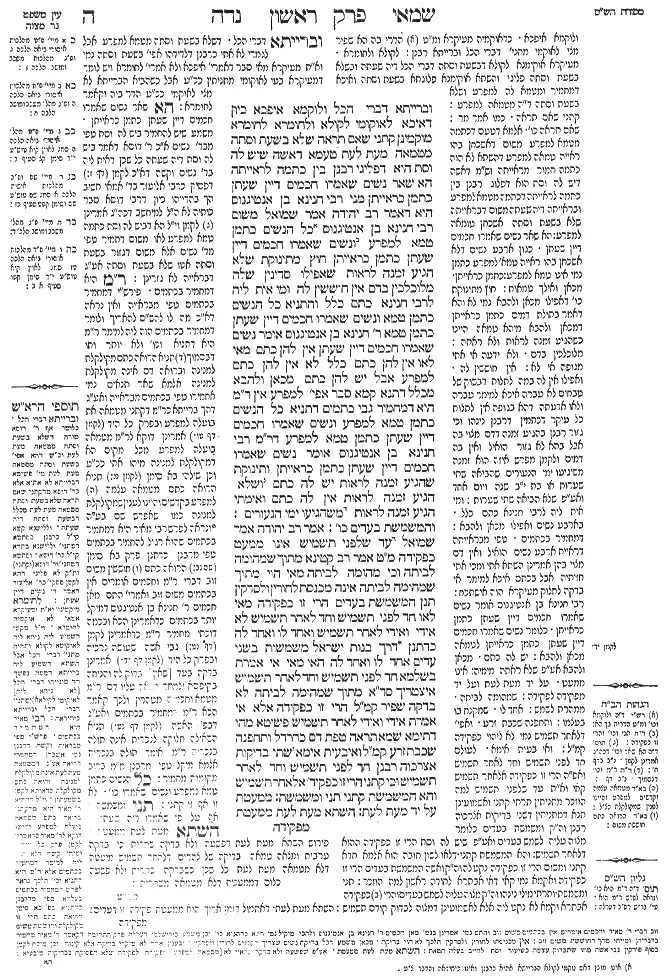
Niddah 5a - Guemara
וברייתא דברי הכל ולוקמא איפכא כיון דאיכא לאוקומי לקולא ולחומרא לחומרא מוקמינן קתני שאם תראה שלא בשעת וסתה מטמאה מעת לעת טעמא דאשה שיש לה וסת הוא דפליגי רבנן בין כתמה לראייתה הא שאר נשים שאמרו חכמים דיין שעתן כתמן כראייתן מני רבי חנינא בן אנטיגנוס היא דאמר רב יהודה אמר שמואל משום רבי חנינא בן אנטיגנוס כל הנשים כתמן טמא למפרע ונשים שאמרו חכמים דיין שעתן כתמן כראייתן חוץ מתינוקת שלא הגיע זמנה לראות שאפילו סדינין שלה מלוכלכין בדם אין חוששין לה ומי אית ליה לרבי חנינא כתם כלל והתניא כל הנשים כתמן טמא ונשים שאמרו חכמים דיין שעתן כתמן טמא ר' חנינא בן אנטיגנוס אומר נשים שאמרו חכמים דיין שעתן אין להן כתם מאי לאו אין להן כתם כלל לא אין להן כתם למפרע אבל יש להן כתם מכאן ולהבא מכלל דתנא קמא סבר אפי' למפרע אין ר"מ היא דמחמיר גבי כתמים דתניא כל הנשים כתמן טמא למפרע ונשים שאמרו חכמים דיין שעתן כתמן טמא למפרע דר"מ רבי חנינא בן אנטיגנוס אומר נשים שאמרו חכמים דיין שעתן כתמן כראייתן ותינוקת שהגיע זמנה לראות יש לה כתם ושלא הגיע זמנה לראות אין לה כתם ואימתי הגיע זמנה לראות משהגיעו ימי הנעורים והמשמשת בעדים כו' אמר רב יהודה אמר שמואל עד שלפני תשמיש אינו ממעט כפקידה מ"ט אמר רב קטינא מתוך שמהומה לביתה וכי מהומה לביתה מאי הוי מתוך שמהומה לביתה אינה מכנסת לחורין ולסדקין תנן המשמשת בעדים הרי זו כפקידה מאי לאו חד לפני תשמיש וחד לאחר תשמיש לא אידי ואידי לאחר תשמיש ואחד לו ואחד לה כדתנן דרך בנות ישראל משמשות בשני עדים אחד לו ואחד לה האי מאי אי אמרת בשלמא חד לפני תשמיש וחד לאחר תשמיש איצטריך סד"א מתוך שמהומה לביתה לא בדקה שפיר קמ"ל הרי זו כפקידה אלא אי אמרת אידי ואידי לאחר תשמיש פשיטא מהו דתימא שמא תראה טפת דם כחרדל ותחפנה שכבת זרע קמ"ל ואיבעית אימא שתי בדיקות אצרכוה רבנן חד לפני תשמיש וחד לאחר תשמיש וכי קתני הרי זו כפקיד' אלאחר תשמיש והא המשמשת קתני תני ומשמשת ממעטת על יד מעת לעת השתא מעת לעת ממעטת
Comments from Rashi on Masechet Niddah Page 5a
ולוקמא איפכא . כדאוקמיה מעיקרא ומ"ט הדרי בה הא שפיר מצי לאוקמי מתני' דברי הכל וברייתא רבנן: לקולא ולחומרא . מעיקרא אוקימנא לקולא דבשעת וסתה דברי הכל דיה שעתה ובשלא בשעת וסתה פליגי והשתא אוקימנא פלוגתא בשעת וסתה ואיכא דמחמיר ומטמא לה למפרע ושלא בשעת וסתה ד"ה מטמאה למפרע: קתני שאם תראה . כמו אמר מר: שאם תראה כו' . אלמא דטעם דכתמה מטמא למפרע משום דאשכחן בהו ראייה טמאה למפרע דהשתא לא הוה כתמה חמור מראייתה וש"מ דאשה דיש לה וסת הוא דפלוג רבנן בין כתמה לראייתה דכתמה מטמא למפרע ובראייתה דיה שעתה משום דבראייתה שלא בשעת וסתה אשכחן טומאה למפרע: הא שאר נשים שאמרו חכמים דיין שעתן . כגון ארבע נשים דלא אשכחן בהו ראייה טמא' למפרע כתמן נמי אינו טמא למפרע: כתמן כראייתן . מכאן ואילך טמאות: חוץ מתינוקת כו' . דאפילו מכאן ולהבא נמי לא והא דאמר בתולת דמים כתמן כראייתן דמכאן ולהבא מיהא טמאה היינו כשהגיע זמנה לראות ולא ראתה: מלוכלכין בדם . ולא ידעה אי אתי מגופה אי לא: אין חוששין לה . ואפילו אין לה במה לתלות דבשוק של טבחים לא עברה איכא למימר עברה ולאו אדעתה דהא בגופה אין לתלות כל עיקר דכתמין דרבנן נינהו וכי גזור רבנן בהגיע זמנה דדם מצוי בה אבל בהא לא גזור הואיל ואין בה דמים. ולקמן מפרש איזה הוא זמנה משיגיעו ימי הנעורים שהביאה שתי שערות או בת י"ב שנה ויום אחד ואע"פ שלא הביאה שתי שערות: ומי אית ליה לרבי חנינא כתם כלל . בארבע נשים ואפילו מכאן ולהבא: דמחמיר בכתמים . טפי מבראייתה דראיית ארבע נשים הואיל ואין דם מצוי בהן אמרינן השתא אתי ומכי אתי חזיתיה אבל בכתם איכא למימר אי בדקה לחלוק מעיקרא הוה אישתכח: רבי חנינא בן אנטיגנוס אומר נשים שאמרו חכמים דיין שעתן כתמן כראייתן . כלומר נשים שאמרו חכמים דיין שעתן כתמן כראייתן לטמאה מכאן ולהבא: יש לה כתם . מכאן ולהבא אע"פ שלא ראתה מימיה: אינו ממעט . על יד מעת לעת ועל יד מפקידה לפקידה: שמהומה לביתה . ממהרת לשמש אחד לו . שמקנח בו בעצמו: ותחפנה שכבת זרע . ואפי' דלאחר תשמיש נמי לא ליהוי כפקידה קמ"ל: ואי בעית אימא . לעולם חד לפני תשמיש וחד לאחר תשמיש ואפ"ה הרי זו כפקידה אלאחר תשמיש קאי. וא"ת עד שלפני תשמיש למה הוזכר מתניתין תרתי קתני ואשמועינן תנא דמתניתין דשני בדיקות אצרכוה רבנן וה"ק משמשת בעדים כלומר מצוה עליה לשמש בעדים ואע"פ שיש לה וסת הרי זו כפקידה ההוא דלאחר תשמיש: והא המשמשת קתני . דלאו לשון חובה הוא אלמא חדא קתני ומשום הרי זו כפקידה נקט לה וה"ק ואשה המשמשת בעדים הרי זו כפקידה ואקמא נמי קאי דאי אבתרא לחודה ראשון למה הוזכר: תני ומשמשת . ותרתי מילי נינהו וה"ק מצוה עליה לשמש בעדים והרי כפקידה אבתרא וקמא לא נקט ליה אלא לאשמועינן דמצוה לבדוק קודם תשמיש: השתא מעת לעת . דאתמול דזמן ארוך הוא ממעטת פקידה זו דעדים:
Comments from Tosafot - Niddah 5a
וברייתא דברי הכל. דשלא בשעת וסתה מטמא למפרע אבל לגמרי לא אתי כרבנן דלדידהו אפי' בשעת וסתה נמי וא"ת מעיקרא מאי סבר דאמרי' איפכא ולא אמרי' לחומרא ויש לומר דמעיקרא בעי לאוקומי מתניתין ככ"ע אבל כשהביא הברייתא לא מצי לאוקמי ככ"ע הדר ביה וקאמר לחומרא: הא שאר נשים שאמרו חכמים דיין שעתן כתמן כראייתן. משמע שיש להחמיר ביש לה וסת טפי מבד' נשים א"כ ר' דוסא דאמר ביש לה וסת דיה שעתה כל שכן דאית ליה בד' נשים וקשה דא"כ לקמן (נדה דף ז:) דפסיק כרבי אליעזר בד' אמאי חשיב הך בהדייהו כיון דרבי דוסא סבר כותיה לא ה"ל למיחשב דכה"ג אמרינן לקמן וי"ל הא דביש לה וסת כתמה טמא למפרע לאו משום דחמיר טפי מד' נשים אלא משום דגזור בשעת וסתה אטו שלא בשעת וסתה אע"ג דבראייה לא גזרינן: ר"מ היא דמחמיר בכתמים. פירש"י דמחמיר בכתמים טפי מבראייה ואין נראה דא"כ מה לו להש"ס להאריך ולומר דמחמיר בכתמים הוה ליה למימר ר"מ היא דתניא וכו' ולא יותר ותו דבסמוך תניא הרואה כתם מקולקלת למנינה וברואה דם אינה מקולקלת למנינה אלמא שאר תנאים נמי אחמירו טפי בכתמים מבראייה ואע"ג דהך ברייתא כר"מ דקתני מטמאה את בועלה למפרע ובפרק כל היד (לקמן נדה דף טו.) אמרינן דוקא לר"מ מטמאה בועלה למפרע מכל מקום הא דמקולקלת למנינה מיהו אתי ככ"ע וכן שילהי בא סימן (לקמן נדה נג:) תניא הרואה כתם מטמאה עצמה למפרע בקדשים והיינו לענין שמקולקלת למנינה כמו שאפרש שם בע"ה ונראה לפרש רבי מאיר היא דמחמיר בכתמים שהוא רגיל להחמיר בכתמים טפי מרבנן כדתנן פרק בא סימן (שם נב:) הרואה כתם חוששין משום זוב דברי ר"מ וחכמים אומרים אין בכתמים משום זוב ואמרי' התם מאן חכמים ר' חנינא בן אנטיגנוס דמיקל יותר בכתמים כדאמרינן הכא ובכמה דוכתי מחמיר ר"מ כדאמרינן לקמן (נדה דף נט:) גבי אשה שעושה צרכיה ובפרק כל היד (לקמן נדה דף יד.) אמרינן בדקה בעד [שאין] בדוק לה והניחה בקופסא ולמחר מצאה עליו דם ר"מ מטמא וחכמים מטהרין ולכך קאמר הכא ר"מ דמחמיר בכתמים ואע"ג דבפ' האשה (לקמן נדה דף נט.) תניא השאילה חלוקה לנכרית אינה תולה בנכרית ר"מ אומר תולה בנכרית אלמא מיקל טפי מרבנן מ"מ ברוב מקומות מחמיר: כל הנשים כתמן טמא למפרע ונשים שאמרו כו'. לא זו אף זו קתני: תני ומשמשת. אף על פי שאמרו דיה שעתה: השתא מעת לעת ממעטת. פירוש השתא מעת לעת דפשעה ולא בדקה שחרית כי בדקה ערבית ומצאה טמאה בדיקה של צהרים דלאחר תשמיש מיעטה דלא מטמאה מעת לעת כל שכן כשבדקה שחרית ולא פשעה כלום דממעטת דלא מטמאה משחרית:
Niddah 5a - Mishnah translated into english
And as for the ruling of the baraita, that a woman who discovers menstrual blood not at her fixed time for menstruation is impure retroactively, this is a halakha with which everyone agrees.
The Gemara raises a difficulty: But let us interpret the mishna in the opposite manner. Why interpret the mishna in accordance with the opinion of Rabbi Dosa and the baraita in accordance with everyone, when we can give precedence to the mishna, which is more authoritative, by interpreting it in accordance with all opinions, as was first explained, and the baraita only in accordance with the opinion of the Rabbis.
The Gemara answers: Since there is a way to interpret it as a leniency, i.e., that all agree that blood discovered at the fixed time of menstruation renders items impure only from that point onward, and it can also be interpreted in a manner that leads to a stringency, i.e., everyone agrees that blood discovered not at her fixed time for menstruation causes retroactive impurity, and furthermore the Rabbis hold that this is the halakha even when blood is discovered at her fixed time of menstruation, we interpret it the way that leads to a stringency.
§ It is taught in the baraita: If a woman who has a fixed menstrual cycle finds a blood stain, her blood stain is retroactively impure. The reason is that if she sees a flow of menstrual blood not at the fixed time of her menstrual cycle, it renders her ritually impure retroactively for a twenty-four-hour period. The Gemara analyzes this statement: The reason for this ruling is that she is a woman who has a fixed menstrual cycle; therefore, the Rabbis distinguish between her blood stain, which causes retroactive impurity like a sighting not at her fixed time, and her sighting of her menstrual flow at its fixed time, which does not cause retroactive impurity.
It can be inferred from here that in the case of those other women, e.g., a pregnant or elderly woman, with regard to whom the Sages stated: Their time is sufficient and their menstrual flow never causes retroactive impurity, the same halakha applies to their blood stains as to their sighting of their menstrual flow, i.e., the stains do not cause retroactive impurity.
The Gemara asks: In accordance with whose opinion is this baraita taught? The Gemara answers: It is in accordance with the opinion of Rabbi Ḥanina ben Antigonus, as Rav Yehuda said that Shmuel says in the name of Rabbi Ḥanina ben Antigonus: The halakha with regard to all women is that their blood stains are impure retroactively. But any women with regard to whom the Sages stated: Their time is sufficient, their blood stains share the same ruling as their sighting of their menstrual flow, i.e., they do not cause retroactive impurity. This is the halakha except for the case of a young girl whose time to see the flow of menstrual blood has not arrived. With regard to her, even if her sheets are soiled with blood one need not be concerned for it, i.e., her blood stains do not cause any impurity at all, even from that point onward.
The Gemara asks: And does Rabbi Ḥanina ben Antigonus hold that a blood stain causes ritual impurity at all? But isn’t it taught in a baraita: The halakha with regard to all women is that their blood stains are impure. And similarly, women with regard to whom the Sages stated: Their time is sufficient, their blood stains are also impure. Rabbi Ḥanina ben Antigonus says: The halakha of women with regard to whom the Sages stated: Their time is sufficient, is that they do not have the ritual impurity of a blood stain. What, is it not correct to say that this means they have no impurity caused by a blood stain at all? The Gemara answers: No, it means that they do not have impurity caused by a blood stain retroactively, but they do have the impurity caused by a blood stain from here onward.
The Gemara asks: From the fact that Rabbi Ḥanina ben Antigonus holds that a blood stain imparts ritual impurity from that point onward, does this not indicate that the first tanna holds that it causes ritual impurity even retroactively? The Gemara answers: Yes, the ruling of the first tanna is in accordance with the opinion of Rabbi Meir, who is stringent with regard to blood stains. As it is taught in a baraita: The halakha with regard to all women is that their blood stains are impure retroactively. And similarly, women with regard to whom the Sages stated: Their time is sufficient, their blood stains are also impure retroactively. This is the statement of Rabbi Meir.
The baraita continues: Rabbi Ḥanina ben Antigonus says: The halakha of women with regard to whom the Sages stated: Their time is sufficient, is that their blood stains share the same ruling as their sighting of their menstrual flow, i.e., they cause ritual impurity from that point onward. And in the case of a young girl, if her time to see the flow of menstrual blood has arrived, then she has impurity status when she finds a blood stain. But if her time to see the flow of menstrual blood has not yet arrived, she does not have impurity status when she finds a blood stain. The Gemara asks: And when does a young girl arrive at her time to see the flow of menstrual blood? The Gemara answers: When the days of her young womanhood have arrived.
§ The mishna teaches: And with regard to a woman who engages in intercourse while using examination cloths, with which she ascertains whether the menstrual flow began, since the halakhic status of that act is like that of an examination, it reduces the time from a twenty-four-hour period and reduces the time from examination to examination. Rav Yehuda says that Shmuel says: The examination cloth with which she examined herself before intercourse does not reduce the time from a twenty-four-hour period like a regular examination.
The Gemara asks: What is the reason for the opinion of Shmuel? Rav Ketina says: Since she is excited [shemehuma] and hurried for intercourse with her husband, it is not considered a proper examination. The Gemara asks: And even if she is excited for intercourse with her husband, what of it? Why does that invalidate her examination? The Gemara answers: Since she is excited and hurried for intercourse with her husband, she does not insert the examination cloth into her recesses and folds.
The Gemara raises a difficulty: We learned in the mishna: And a woman who engages in intercourse while using examination cloths, the halakhic status of that act is like that of an examination. The mishna refers to examination cloths in the plural. What, is it not speaking of one cloth used before intercourse and one cloth used after intercourse? The Gemara answers: No, this cloth and that cloth are both used after intercourse; and the reason why the mishna uses the plural is that one cloth is for his use and one is for her use. As we learned in a mishna (14a): It is the custom of Jewish women to engage in intercourse with their husbands with two examination cloths, one for his use and one for her use.
The Gemara asks: What is this? Granted, if you say that the mishna is referring to one cloth used before intercourse and one used after intercourse, it was necessary for the mishna to mention both examinations, as it might enter your mind to say that since she is excited and hurried for intercourse with her husband, she did not examine herself properly. Therefore, the mishna teaches us that her examination with a cloth before intercourse is considered as a halakhically valid examination. But if you say that this cloth and that cloth are his and her cloths used after intercourse, isn’t it obvious that they are treated as halakhic examinations? Why is this ruling necessary?
The Gemara answers: The halakha that the examinations performed after intercourse count as valid examinations is necessary, lest you say that perhaps she might see a drop of blood corresponding to the size of a mustard seed and a drop of semen covered it. In other words, it is possible that she discharged a tiny amount of menstrual blood that went undetected, as it was covered by a drop of semen. Therefore, the mishna teaches us that one does not need to be concerned for this possibility.
And if you wish, say instead: The mishna is referring only to her examinations, but the reason the mishna mentions two examinations is not to give them the status of valid examinations, but to teach that they are both obligatory. As the Sages required her to perform two examinations: One before intercourse and one after intercourse. And when the mishna teaches: The halakhic status of that act is like that of an examination, it is referring specifically to the examination performed after intercourse. The Gemara raises a difficulty: But the mishna teaches: A woman who engages in intercourse while using examination cloths. This formulation indicates that the examination is voluntary and is not mandated by the Sages. The Gemara explains that one should emend the text of the mishna so that it teaches: And a woman must engage in intercourse while using examination cloths.
§ The mishna teaches: And with regard to a woman who engages in intercourse while using examination cloths, as the halakhic status of that act is like that of an examination, it reduces the time from a twenty-four-hour period, and reduces the time from examination to examination. The Gemara asks: Now that the mishna teaches that this examination reduces time from a twenty-four-hour period,
Traduction : The William Davidson digital edition of the Koren Noé Talmud, with commentary by Rabbi Adin Even-Israel Steinsaltz.