 Talmud Bavli
No video class on this page yet.
To add a video to this page please click here.Niddah Page 37a
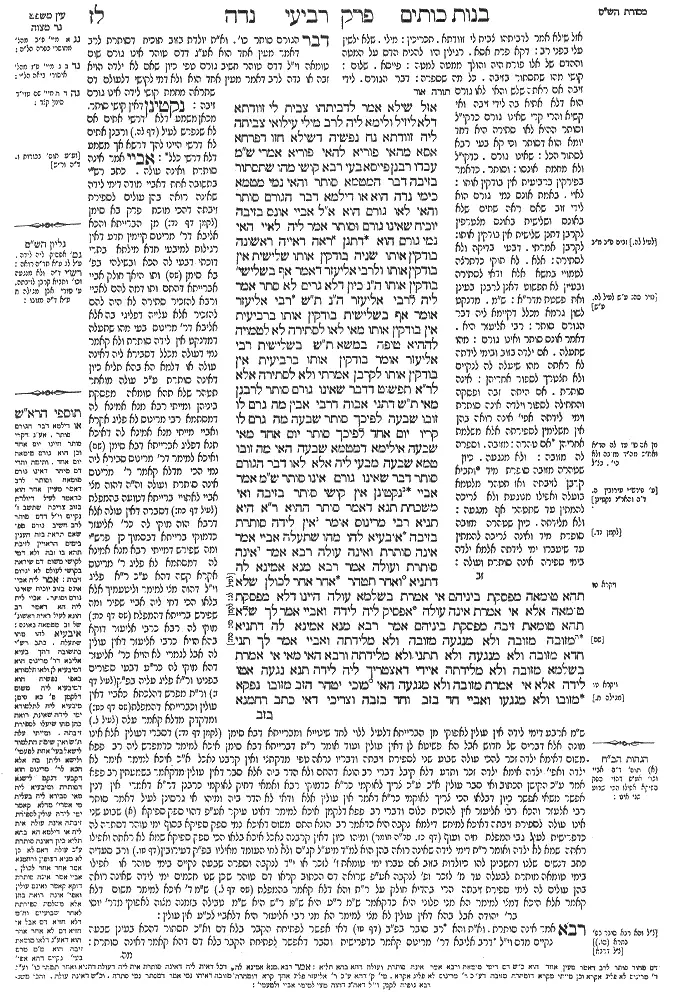
Niddah 37a - Guemara
אזל שילא אמר לדביתהו צבית לי זוודתא דלא ליזיל ולימא ליה לרב מילי עילואי צביתה ליה זוודתא נח נפשיה דשילא חזו דפרחא אסא מהאי פוריא להאי פוריא אמרי ש"מ עבדו רבנן פייסא בעי רבא קושי מהו שתסתור בזיבה דבר המטמא סותר והאי נמי מטמא כימי נדה הוא או דילמא דבר הגורם סותר והאי לאו גורם הוא א"ל אביי אונס בזיבה יוכיח שאינו גורם וסותר אמר ליה לאיי האי נמי גורם הוא דתנן ראה ראייה ראשונה בודקין אותו שניה בודקין אותו שלישית אין בודקין אותו ולרבי אליעזר דאמר אף בשלישי' בודקין אותו ה"נ כיון דלא גרים לא סתר אמר ליה לרבי אליעזר ה"נ ת"ש רבי אליעזר אומר אף בשלישית בודקין אותו ברביעית אין בודקין אותו מאי לאו לסתירה לא לטמויה לההיא טיפה במשא ת"ש בשלישית רבי אליעזר אומר בודקין אותו ברביעית אין בודקין אותו לקרבן אמרתי ולא לסתירה אלא לר"א תפשוט דדבר שאינו גורם סותר לרבנן מאי ת"ש דתני אבוה דרבי אבין מה גרם לו זובו שבעה לפיכך סותר שבעה מה גרם לו קריו יום אחד לפיכך סותר יום אחד מאי שבעה אילימא דמטמא שבעה האי מה זובו טמא שבעה מבעי ליה אלא לאו דבר הגורם סותר דבר שאינו גורם אינו סותר ש"מ אמר אביי נקטינן אין קושי סותר בזיבה ואי משכחת תנא דאמר סותר ההוא ר"א היא תניא רבי מרינוס אומר אין לידה סותרת בזיבה איבעיא להו מהו שתעלה אביי אמר אינה סותרת ואינה עולה רבא אמר אינה סותרת ועולה אמר רבא מנא אמינא לה דתניא (ויקרא טו, כח) ואחר תטהר אחר אחר לכולן שלא תהא טומאה מפסקת ביניהם אי אמרת בשלמא עולה היינו דלא מפסקת טומאה אלא אי אמרת אינה עולה אפסיק ליה לידה ואביי אמר לך שלא תהא טומאת זיבה מפסקת ביניהם אמר רבא מנא אמינא לה דתניא מזובה מזובה ולא מנגעה מזובה ולא מלידתה ואביי אמר לך תני חדא מזובה ולא מנגעה ולא תתני ולא מלידתה ורבא האי מאי אי אמרת בשלמא מזובה ולא מלידתה איידי דאצטריך ליה לידה תנא נגעה אטו לידה אלא אי אמרת מזובה ולא מנגעה האי {ויקרא טו } מוכי יטהר הזב מזובו נפקא מזובו ולא מנגעו ואביי חד בזב וחד בזבה וצריכי דאי כתב רחמנא
Comments from Rashi on Masechet Niddah Page 37a
אזל שילא אמר לדביתהו צבית לי זוודתא . תכריכין: מילי . שלא ילשין עלי בפני רב: דקא פרח אסא . רגילין היו להניח הדס על המטה וההדס של אלו פורח היה והולך ממטה למטה: פייסא . שלום: קושי מהו שתסתור בזיבה . כל מה שספרה: דבר הגורם . לידי זיבה אם ראתה שלש והאי לאו גורם הוא דלא אתיא בה לידי זיבה. ואי קשיא והרי קרי שאינו גורם כדקי"ל וסותר ההיא לאו סתירה היא דחד יומא הוא דסותר וכי קא בעי רבא לסתור הכל: שאינו גורם . כדקי"ל ולא מחמת אונסו: וסותר . כדאמר בפירקין ברביעית אין בודקין אותו: לאיי . באמת אונס נמי גורם הוא לידי זוב שאם ראה שתים שלא באונס ושלישית באונס מצטרפין לקרבן דתנן שלישית אין בודקין אותו: לקרבן אמרתי . דבעי בדיקה ולא לסתירה: אלא . לא תוקי כדתרצה לטמויי במשא אלא ודאי לסתירה ובעיין לא תפשוט דאנן לרבנן בעינן ואת פשטת מדר"א: ש"מ . מדנקט לשון גרמא מכלל דקיימא ליה דבר הגורם סותר: רבי אליעזר היא . דאמר אונס סותר ואינו גורם: מהו שתעלה . אם ילדה בזוב ובימי לידתה לא ראתה מהו שיעלה לה לנקיים ולא תצטרך לספור אחריהן: אינה סותרת . אם היתה זבה ופסקה והתחילה לספור וילדה אינה סותרת וימי לידתה אפי' אינה רואה בהן אין משלימין לספירתה אלא משלמת אחריהן אם טהרה: מזובה . וספרה לה מזובה: ולא מנגעה . כיון שטהרה מזובה סופרת מיד ותביא קרבן לזיבתה ואז תטהר מלטמא בועלה ואפילו מנוגעת ולא צריכה להמתין עד שתטהר אף מנגעה: ולא מלידתה . כיון שטהרה מזובה סופרת מיד ואינה צריכה להמתין עד שיעברו ימי לידתה. אלמא ילדה בימי ספירה אינה סותרת ועולה:
Comments from Tosafot - Niddah 37a
דבר הגורם סותר כו'. וא"ת יולדת בזוב תוכיח דסותרת לרב דאמר מעין אחד הוא אע"ג דדם טוהר אינו גורם שום טומאה וי"ל דדם טוהר חשיב גורם טפי כיון שאם לא ילדה הויא זבה או נדה לרב דאמר מעין אחד הוא ולא דמי לקושי דלעולם דם שתראה מחמת קושי לידה אינו גורם זיבה: נקטינן דאין קושי סותר. מכאן משמע דלא דרשי אתים אם לא שנפרש לעיל (נדה דף לה.) ורבנן אתים לא דרשי היינו להך דרשא אך משמע דלא דרשי כלל: אביי אמר אינה סותרת ואינה עולה. כתב רש"י בתשובה אחת דאביי מודה דימי לידה שאינה רואה בהן עולים לספירת זיבתה דהכי מוכח פרק בא סימן (לקמן נדה דף נד:) מן הברייתא והכא אליבא דר' מרינוס קיימין תדע דאין רגילות למיבעי חדא מילתא בתרי דוכתי דבעי לה הכא ובשילהי בפ' בא סימן (שם) ותו היאך חולק אביי אברייתא דהתם ותו דמה להם לאביי ורבא להזכיר סתירה לא היה להם להזכיר אלא עלייה דפליגי בה אלא אליבא דר' מרינוס בעי מהו שתעלה דמדנקט אין לידה סותרת ולא קאמר נמי דעולה מכלל דסבירא ליה דאינה עולה או דלמא הא בהא תליא כיון דאינה סותרת ע"כ עולה מואחר תטהר שלא תהא טומאה מפסקת ביניהן ומייתי רבא מנא אמינא לה דמסתמא רבי מרינוס לא פליג אקרא ואביי מייתי מנא אמינא לה דאיכא תנא דפליג אברייתא דבא סימן (שם) ואיכא למימר דר' מרינוס סבירא ליה נמי הכי מדלא קאמר ר' מרינוס אינה סותרת ועולה וה"ה דהוה מצי אביי לאתויי ברייתא דטועה בהמפלת (לעיל נדה דף כח:) דסברה דאין עולה אלא דרבא הוה מוקי לה כר' אליעזר כדמוקי ברייתא דבסמוך כן פרש"י ומה שפירש דמייתי רבא מנא אמינא לה דמסתמא לא פליג ר' מרינוס אקרא קשה דהא ע"כ ר"א פליג וי"ל דהוה מצי למימר וליטעמיך אלא בלאו הכי דחי ליה אביי שפיר ומה שפירש ברייתא דהמפלת (שם דף כח:) מוקי לה רבא כרבי אליעזר דוקא בהא הויא כרבי אליעזר דאין עולין לה אבל לגמרי לא הויא כר' אליעזר דהא מוקי לה כר"ע דבעי ספורים בפנינו ור"א פליג עליה בפ"ק (לעיל נדה דף ז:) ור"ת מפרש דהלכתא כאביי דאין עולין וכברייתא דהמפלת (שם דף כט:) ומדקדק מדלא קאמר עלה (לעיל נדה ל.) ש"מ ארבע דימי לידה אין עולין לאפוקי מן הברייתא דלעיל ללוי לחד שינוייא ומברייתא דבא סימן (לקמן נדה דף נד:) דסברי דעולין אלא אינו מונה אלא דברים של חדוש אבל הא פשיטא לן דאין עולין ועוד אומר ר"ת דברייתא דבא סימן איכא למימר כדמפרש ליה רב פפא משום דאימא ילדה זכר להכי עולה שבוע שני לספירת זיבתה ודבריו נראה טפי מדקתני ואין קרבנו נאכל א"כ איכא למימר אימר לא ילדה ואפי' ילדה אימא ילדה זכר ותדע דלא קיבל דברי רב הונא דהתם ולא הדר ביה אלא סבר דאין עולין מדקאמר בשמעתין רב פפא אמר ע"כ הקישן הכתוב ואי סבר עולין א"כ ע"כ צריך לאוקמי כר"א כדמוקי רבא ואמאי דחיק לאוקמי כרבנן דר"א דאמרי אין דנין אפשר משאי אפשר כיון דבלאו הכי צריך לאוקמי כר"א דאמר אין עולין אלא ודאי לא הדר ביה ומיהו אי גרסינן לעיל דאמר סותר רבי אלעזר והכא רבי אליעזר אין להוכיח כלום ודברי רב פפא דלקמן איכא למימר דאינו עיקר אע"פ דהוי ספק ספיקא שבוע שני אינו עולה לספירת זיבתה דאיכא למיחש דילמא נקבה היא כדאמר רב הונא התם משום דאיכא נמי ספק ספיקא בסוף ימי טוהר דסתרה לה כדפרישית לעיל גבי המפלת חיה ועוף (דף כז. סד"ה חומר) ומיהו כיון דאין קרבנה נאכל איכא בלאו הכי ספק ספיקא שמא לא ראתה ואפילו ראתה שמא לא ילדה ואומר ר"ת דימי לידה שאינה רואה בהן הוא למ"ד מיע"ל קג"ם ולא לחי העומד מאיליו בפ"ק דעירובין (דף טו.) ורב סעדיה כתב דנשים שלנו דחשבינן להו כיולדות בזוב אם עברו ימי טומאת ז' לזכר או י"ד לנקבה וספרה שבעה נקיים בימי טוהר או אפילו בימי טומאה מותרת לבעלה עד מ' לזכר ופ' לנקבה אע"פ שרואה דם הכתוב קראו דם טוהר שכן שנו חכמים ימי לידה שאינה רואה בהן עולים לה לימי ספירת זיבתה הרי בהדיא חולק על ר"ת והא דלא קאמר בהמפלת (שם דף ל.) ש"מ ד' איכא למימר משום דלא קאמר אלא היכא דמצי למימר הא מני פלוני היא כדקאמר ש"מ ר"ע היא ש"מ ר"ש היא ש"מ טבילה בזמנה מצוה לאפוקי מדר' יוסי בר' יהודה אבל בהא דאין עולין לא מצי למימר הא מני רבי אליעזר היא דלאביי לכ"ע אין עולין: רבא אמר אינה סותרת. וא"ת והא רב סובר בפ"ב (דף טו) דאי אפשר לפתיחת הקבר בלא דם וא"כ תסתור דהכא בעינן שבעה נקיים מדם וי"ל דרב אליבא דר' מרינוס קאמר כדפרישית וסבר דאפשר לפתיחת הקבר בלא דם דהא קאמר דאינה סותרת:
Niddah 37a - Mishnah translated into english
Immediately upon Rav Asi’s death, Sheila bar Avina went and said to his wife: Prepare for me provisions [zevadata], i.e., shrouds for my burial, as I will soon die. This is in order that Rav Asi will not go and tell Rav matters of criticism about me, that I did not listen to Rav Asi and that I caused his death because I took offense when he excommunicated me. His wife prepared for him the provisions, and Sheila passed away. The biers of Rav Asi and Sheila bar Avina were brought together for burial. Those accompanying the dead saw that the myrtle that was customarily placed on a bier was flying from this bier to that bier. They said: Conclude from it that the Sages, i.e., Rav Asi and Sheila bar Avina, have made peace with one another.
§ The mishna teaches that a woman who experiences an emission of blood due to labor pains is not rendered a zava if she sees the blood in days when she can become a zava, but rather a menstruating woman if she sees the blood on days during which she can be a menstruating woman. In this regard Rava raises a dilemma: In general, if a zava experiences an emission of blood while counting seven clean days, her count is negated and she must begin a new count of seven clean days. But what is the halakha with regard to a zava who experienced an emission of blood due to labor pains? Does this emission negate her count with regard to ziva?
Rava elaborates: Does every substance that imparts impurity negate the count of seven clean days? If so, as this emission imparts impurity like blood of the days of menstruation, it negates her count as well. Or perhaps only a substance that causes a woman to become a zava negates her count, and as this blood is not a substance that causes her to become a zava it does not negate her count.
Abaye said to Rava: The case of an emission of ziva due to circumstances beyond one’s control will prove the halakha with regard to this dilemma, as such an emission does not cause one to be rendered a zav, and yet it negates one’s count of seven clean days.
Rava said to him: This is not so [la’ei], as this emission of ziva due to circumstances beyond one’s control is also a substance that causes one to be rendered a zav, as we learned in a mishna (Zavim 2:2): With regard to a man who saw a first sighting of ziva, one examines him to determine whether the discharge was caused by circumstances beyond his control. After the second sighting of ziva as well, one examines him. But after the third sighting one does not examine him, as even if the third sighting occurred due to circumstances beyond his control he is nevertheless rendered a zav on its account.
Abaye asked Rava: And according to Rabbi Eliezer, who said: Even after the third discharge one examines him, will you indeed say that since an emission of ziva due to circumstances beyond one’s control does not cause one to be rendered a zav, it does not negate his count? Rava said to Abaye: According to Rabbi Eliezer, this is indeed the case.
The Gemara attempts to reject Rava’s explanation of the opinion of Rabbi Eliezer: Come and hear a baraita: Rabbi Eliezer says: Even after the third discharge one examines him to establish whether he must bring an offering, but after the fourth discharge one does not examine him. What, is it not correct to say that as he was already rendered a zav after three discharges, an examination after the fourth discharge is for the matter of negating any clean days counted thus far? If so, Rabbi Eliezer maintains that an emission of ziva due to circumstances beyond one’s control negates one’s count.
The Gemara rejects this suggestion: No, it is possible that the purpose of the examination after the fourth discharge is to determine whether to render impure that drop of ziva such that it imparts impurity through carrying. According to Rabbi Eliezer, the discharge of a zav imparts impurity through carrying, even if the discharge occurred due to circumstances beyond his control.
The Gemara suggests: Come and hear another baraita: With regard to the third discharge, Rabbi Eliezer says that one examines him, but after the fourth discharge one does not examine him. The reason is as I said, that the purpose of these examinations is to determine liability to bring an offering, and they do not pertain to the matter of negating any clean days counted thus far. Since the fourth sighting does not affect liability to bring an offering there is no need for an examination. Evidently, Rabbi Eliezer maintains that a discharge that occurs due to circumstances beyond one’s control does negate his count.
The Gemara concedes: Rather, according to Rabbi Eliezer, one can resolve the dilemma and conclude that even a substance that does not cause one to be rendered a zav negates one’s count. But what is the halakha according to the opinion of the Rabbis?
The Gemara suggests: Come and hear that which the father of Rabbi Avin teaches with regard to the question of why a discharge of ziva causes a zav to negate his entire count of clean days, whereas a seminal emission negates only the day of the emission itself: What did his ziva cause for him? An impurity of seven days. Therefore, a discharge of ziva causes him to negate his count of seven clean days. By contrast, what did his seminal emission cause for him? An impurity of one day alone. Therefore, a seminal emission causes him to negate only one day of his count.
The Gemara analyzes this statement: What is the meaning of the claim that ziva causes an impurity of seven days? If we say it means merely that ziva renders him impure for seven days, then the father of Rabbi Avin should have stated: Just as his ziva causes him to be impure for seven days, so too, it negates his count of seven clean days. Rather, is it not that the mention of causation indicates that this is what he is saying: A substance that causes one to be rendered a zav negates one’s count of seven clean days, whereas a substance that does not cause one to be rendered a zav, e.g., an emission of blood due to labor pains, does not negate one’s count. The Gemara concludes: Indeed, conclude from it that this is the opinion of the Rabbis.
With regard to the halakha, Abaye said: We have a tradition that blood emitted by a woman due to labor pains does not negate the seven clean days of ziva, in accordance with the opinion of the Rabbis. And if you a find tanna who said that it does negate them, the statement of that tanna is in accordance with the opinion of Rabbi Eliezer.
§ It is taught in a baraita that Rabbi Marinus says: In the case of a zava who gave birth in the middle of counting seven clean days, the birth does not negate her count of seven clean days of ziva. With regard to this statement, a dilemma was raised before the Sages: What is the halakha as to whether her days of impurity may be counted toward the seven clean days of ziva? Abaye says: The birth does not negate her count, but it does not count toward the seven clean days. Rava says: The birth does not negate her count and it also counts toward the seven days.
Rava said: From where do I say that the birth is counted toward the seven days? As it is taught in a baraita: The verse states: “But if she is purified from her ziva then she shall count for herself seven days, and after that she shall be pure” (Leviticus 15:28). The word “after” indicates that she shall be pure only after counting all of them, i.e., that there should not be an impurity separating between any of the seven clean days.
Rava explains: Granted, if you say the birth counts toward the seven clean days, this is in accordance with the requirement that there should not be an impurity separating between any of the seven clean days, as they remain consecutive. But if you say the birth does not count toward the seven clean days, then the birth separates between the seven clean days. The Gemara notes: And Abaye could have said to you that the baraita means that there should not be an impurity of ziva separating between them. There is no problem with a separation due to birth.
Rava further said: From where do I say that the birth is counted toward the seven clean days? As it is taught in a baraita: The verse states: “But if she is purified from her ziva then she shall count for herself seven days” (Leviticus 15:28). This indicates that she counts seven clean days from her ziva and not from her leprosy, i.e., she begins counting seven days from the cessation of her ziva, even if she is a leper. Likewise, she counts seven clean days from her ziva and not from her giving birth, as she counts seven clean days even if they continue through her days of impurity. The Gemara notes: And Abaye could have said to you: From this verse teach one derivation, i.e., from her ziva and not from her leprosy, but do not teach: From her ziva and not from her giving birth.
And Rava would respond: What is this suggestion? Granted, if you say that the tanna of the baraita taught: From her ziva and not from her giving birth, one can understand why the tanna also teaches: From her ziva and not from her leprosy: Since it was necessary for the tanna to teach this halakha with regard to birth, he taught it with regard to her leprosy, due to the fact that he taught it with regard to birth. But if you say that the tanna taught only: From her ziva and not from her leprosy, then the verse is unnecessary, as this halakha is already derived from another verse: “And when the zav is purified of his ziva” (Leviticus 15:13), i.e., from his ziva and not from his leprosy.
And Abaye could respond: One verse discusses the case of a zav and the other one discusses the case of a zava, and both verses are necessary. As, if the Merciful One had written
Traduction : The William Davidson digital edition of the Koren Noé Talmud, with commentary by Rabbi Adin Even-Israel Steinsaltz.