 Talmud Bavli
Niddah 50a : Youtube
Rabbi Dr. Moshe WeisblumYoutube
1 video class :
Niddah Page 50a
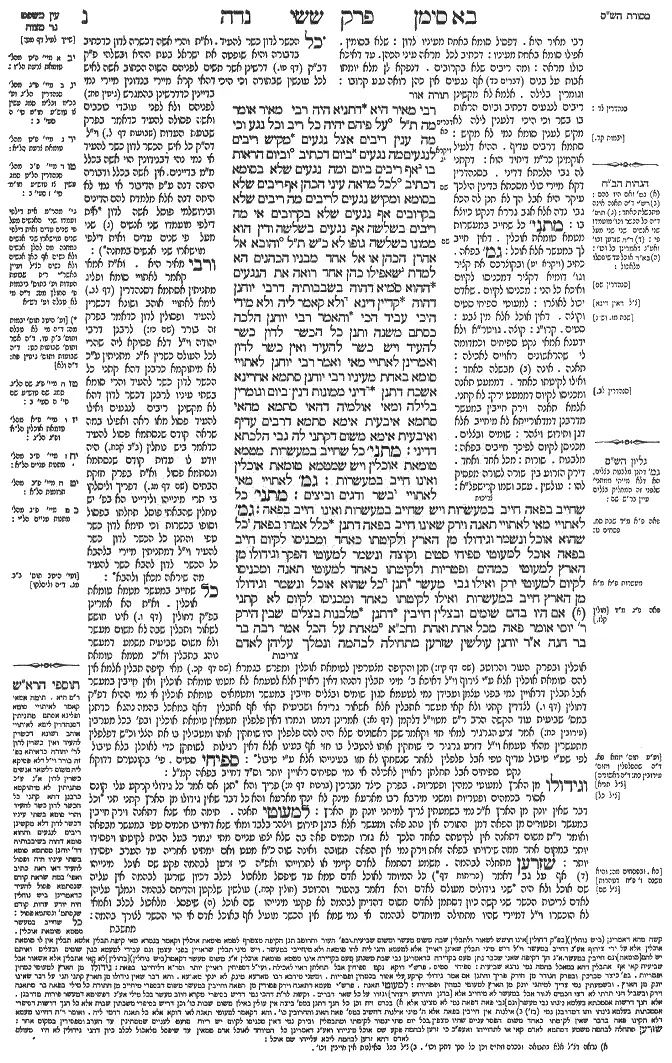
Niddah 50a - Guemara
רבי מאיר היא דתניא היה רבי מאיר אומר מה ת"ל (דברים כא, ה) על פיהם יהיה כל ריב וכל נגע וכי מה ענין ריבים אצל נגעים מקיש ריבים לנגעים מה נגעים ביום דכתיב (ויקרא יג, יד) וביום הראות בו אף ריבים ביום ומה נגעים שלא בסומא דכתיב (ויקרא יג, יב) לכל מראה עיני הכהן אף ריבים שלא בסומא ומקיש נגעים לריבים מה ריבים שלא בקרובים אף נגעים שלא בקרובים אי מה ריבים בשלשה אף נגעים בשלשה ודין הוא ממונו בשלשה גופו לא כ"ש ת"ל (ויקרא יג, ב) והובא אל אהרן הכהן או אל אחד מבניו הכהנים הא למדת שאפילו כהן אחד רואה את הנגעים ההוא סמיא דהוה בשבבותיה דרבי יוחנן דהוה קדיין דינא ולא קאמר ליה ולא מידי היכי עביד הכי והאמר רבי יוחנן הלכה כסתם משנה ותנן כל הכשר לדון כשר להעיד ויש כשר להעיד ואין כשר לדון ואמרינן לאתויי מאי ואמר רבי יוחנן לאתויי סומא באחת מעיניו רבי יוחנן סתמא אחרינא אשכח דתנן דיני ממונות דנין ביום וגומרין בלילה ומאי אולמיה דהאי סתמא מהאי סתמא איבעית אימא סתמא דרבים עדיף ואיבעית אימא משום דקתני לה גבי הלכתא דדיני מתני׳ כל שחייב במעשרות מטמא טומאת אוכלין ויש שמטמא טומאת אוכלין ואינו חייב במעשרות גמ׳ לאתויי מאי לאתויי בשר ודגים וביצים מתני׳ כל שחייב בפאה חייב במעשרות ויש שחייב במעשרות ואינו חייב בפאה גמ׳ לאתויי מאי לאתויי תאנה וירק שאינו חייב בפאה דתנן כלל אמרו בפאה כל שהוא אוכל ונשמר וגידולו מן הארץ ולקיטתו כאחד ומכניסו לקיום חייב בפאה אוכל למעוטי ספיחי סטים וקוצה ונשמר למעוטי הפקר וגידולו מן הארץ למעוטי כמהים ופטריות ולקיטתו כאחד למעוטי תאנה ומכניסו לקיום למעוטי ירק ואילו גבי מעשר תנן כל שהוא אוכל ונשמר וגידולו מן הארץ חייב במעשרות ואילו לקיטתו כאחד ומכניסו לקיום לא קתני אם היו בהם שומים ובצלין חייבין דתנן מלבנות בצלים שבין הירק ר' יוסי אומר פאה מכל אחת ואחת וחכ"א מאחת על הכל אמר רבה בר בר חנה א"ר יוחנן עולשין שזרען מתחילה לבהמה ונמלך עליהן לאדם
Comments from Rashi on Masechet Niddah Page 50a
רבי מאיר היא . דפסיל סומא באחת מעיניו לדון: שלא בסומין . אפילו סומא באחת מעיניו: דכתיב לכל מראה עיני הכהן . עד דאיכא כולו מראה: ומה ריבים שלא בקרובים . דנפקא לן מלא יומתו אבות על בנים (דברים כד) אף נגעים אין כהן רואה נגע קרובו: וגומרין בלילה . אלמא לא מקשינן ריבים לנגעים דכתיב וביום הראות בו בשר וכי היכי דלענין לילה לא מקיש לענין סומא נמי לא מקיש: סתמא דרבים עדיף . ההיא דלעיל אוקמינן כר"מ דיחיד הוא: דקתני לה גבי הלכתא דדיני . בסנהדרין דקא מיירי כולי מסכתא בדינין הילכך עיקר היא אבל הך לא תנן לה הכא גבי נדה אלא אגב גררא דנקט כיוצא בו: מתני' כל שחייב במעשרות מטמא טומאת אוכלין . דאין לך חייב במעשר אלא אוכל: גמ' . בפאה כתיב (ויקרא יט) ובקוצרכם את קציר וגו' דומיא דקציר דמכניסו לקיום ואיכא כל הני: מכניסו לקיום . שאדם יכול לאוצרו: למעוטי ספיחי סטים וקוצה . דאין אוכל אלא מין צבע: סטים . קרו"ג: קוצה . גויטר"א. ולא ידענא אמאי נקט ספיחים וכמדומה לי שהראשונים ראויים לאכילה: תאנה . אינה מבשלה כאחד: ואילו לקיטתו כאחד . דממעט תאנה ומכניסו לקיום דממעט ירק: לא קתני . אלמא תאנה וירק חייבין במעשר מדרבנן דמדאורייתא לא מיחייב אלא דגן ותירוש ויצהר: שומים ובצלים . מכניסן לקיום לפיכך חייבים בפאה: מלבנות . שורות: מכל אחד ואחד . דירק הזרוע בין שורה לשורה מפסיק להו: עולשין . עשב ושמו קרישפל"א:
Comments from Tosafot - Niddah 50a
ורבי מאיר היא. וא"ת אמאי קאמר לאתויי סומא ופליג מתניתין אסתמא דסנהדרין (דף לב.) לימא לאתויי אוהב ושונא דכשרין להעיד ופסולין לדון כדאמר בפרק זה בורר (שם כז:) לרבנן דרבי יהודה וי"ל דלא פסיקא ליה שהרי לכל העולם כשרין א"נ מתניתין ע"כ לא מיתוקמא כרבנן דהא קתני כל הכשר לדון כשר להעיד והרי סומא בשתי עיניו לרבנן דכשר לדון דהא לא מקשינן ריבים לנגעים ואילו להעיד פסול מאו ראה ואפילו במה שראה קודם שנסתמא פסול להעיד כדאמר ביש נוחלין (ב"ב קכח.) היה יודע לו עדות קודם שנסתמא ונסתמא פסול וא"ת בפרק חזקת הבתים (שם דף מג.) דפריך וליסלקו בי תרי מינייהו ולידיינו הא בפ' יש נוחלין שהבאתי פוסל תחלתו בפסול וסופו בכשרות וכי תימא לדון כשר טפי והתנן כל הכשר לדון כשר להעיד וי"ל דמתניתין מיירי בלהבא כל הכשר לדון להבא כשר להעיד מה שיראה מכאן ולהבא: כל שחייב במעשר מטמא טומאת אוכלין. וא"ת הא אמרינן בפ"ק דחולין (דף ו.) אינו חושש לשאור ותבלין שבה לא משום מעשר ולא משום שביעית משמע דמעשר נוהג בתבלין וא"כ מטמא טומאת אוכלין ובפרק העור והרוטב (שם דף קיז:) תנן והקיפה מצטרפין לטומאת אוכלין ומפרש בגמרא (שם דף קכ.) מאי קיפה תבלין אלמא אין להם טומאת אוכלין אלא ע"י צירוף וי"ל דאיכא ב' מיני תבלין דהנהו דאין ראויין אלא לטעמא לא מטמו טומאת אוכלין ואין חייבין במעשר אבל תבלין דראויין נמי בפני עצמן ועבידן נמי לטעמא כגון שומים ובצלים חייבין במעשר ומטמאים טומאת אוכלין אי נמי ההיא דפ"ק דחולין (דף ו.) לצדדין קתני ולא קאי מעשר אתבלין אלא אשאור גרידא ושביעית קאי אף אתבלין דאף במאכל בהמה נהגא כדתנן במס' שביעית עוד הקשה הרב ר"ש מטוי"ל דלקמן (נדה דף נא:) אמרינן דנמנו וגמרו דאין פלפלין מטמאין טומאת אוכלין ובפ' בכל מערבין (עירובין כח:) אמר זרע הגרגיר למאי חזי וקאמר שכן ראשונים שלא היה להם פלפלין היו שוחקין אותו ומטבילין בו את הצלי וכ"ש דפלפלין מתעשרין מהאי טעמא וי"ל דזרע גרגיר כי שוחקין אותו להטביל בו חזי אף בעינו אלא דאין רגילות לשוחקן כדי לאוכלן בלא טיבול לפי שע"י טיבול עדיף טפי אבל פלפלין לאחר שנשחקו לא חזו בעינייהו אלא ע"י טיבול: ספיחי סטים. פי' בקונטרס דדוקא נקט ספיחים אבל תחלתן ראויין לאכילה אי נמי ספיחים ראויין יותר וס"ד דחייב בפאה קמ"ל: וגידולו מן הארץ למעוטי כמהין ופטריות. בפרק כיצד מברכין (ברכות דף מ:) פריך והא תנן אם אמר כל גידולי קרקע עלי קונם אסור בכמהים ופטריות ומשני מירבא רבו מארעא מינק לא ינקי מארעא והא כל דבר שאין גידולו מן הארץ קתני תני וכל דבר שאין יונק מן הארץ א"כ נמי בשמעתין צריך למיתני יונק מן הארץ: למעוטי תאנה. תימה מאי שנא דתאנה וירק חייבין במעשר ופטורים מן הפאה דמן התורה אין נוהג פאה ומעשר אלא בדגן תירוש ויצהר בלבד ומאי שנא דחייבו חכמים טפי במעשר מבפאה ואומר ר"ת משום דתאנה אין לקיטתה כאחד הלכך לא גזרו חכמים פאה בה שלא יצפו עניים מתי יגמור בעל הבית לקיטתו ויפסידו יותר במקום אחר ממה שירויחו בפאה זאת וירק נמי אין הפאה חשובה ואינה שוה כ"א מעט ואם ימתינו אחריה עד הערב יפסידו יותר: שזרען מתחלה לבהמה. משמע דסתמא לאדם קיימי או לתרוייהו ואפ"ה כי זרען לבהמה פקע שם אוכל מינייהו אף על גב' דאמר (כריתות דף) כל המיוחד לאוכל אדם טמא עד שיפסל מלאכול לכלב דכיון שזרען לבהמה אין עליה שם אוכל ולא היה שני גידולים מעולם לאדם והא דאמר בהעור והרוטב (חולין קכח.) עולשין שלקטן והדיחם לבהמה ונמלך עליהן לאדם צריכות הכשר שני קשה כיון דסתמן לאדם משום דהדיחן לבהמה לא פקעי מינייהו שם אוכל שיפסל מלאכול לכלב ואמאי לא הוכשרו וי"ל דמיירי שהיו מתחילה מיוחדים לבהמה אי נמי שמא אין הכשר מועיל אף באוכל אדם אי הוי הכשר לצורך בהמה:
Niddah 50a - Mishnah translated into english
It is the opinion of Rabbi Meir, as it is taught in a baraita that Rabbi Meir would say: What is the meaning when the verse states: “According to their word shall every dispute and every leprous mark be” (Deuteronomy 21:5)? What do disputes have to do with leprous marks? The verse juxtaposes disputes to leprous marks, to teach that just as leprous marks are viewed by a priest only in the daytime, as it is written with regard to leprous marks: “And on the day when raw flesh appears in him he shall be impure” (Leviticus 13:14), so too, disputes are adjudicated only in the daytime.
And just as leprous marks are seen by priests who can see, but not by blind priests, as it is written: “As far as appears to the priest” (Leviticus 13:12), which teaches that they must be viewed by priests who can see with both eyes, so too, disputes are not adjudicated by blind judges, even if they are blind in only one eye. And the verse juxtaposes leprous marks to disputes to teach that just as disputes may not be judged by relatives of the litigants, so too, leprous marks may not be viewed by a priest who is a relative of the afflicted party.
The baraita continues: If these two halakhot are compared, one can also say that just as disputes are judged specifically by three judges, so too, leprous marks must be viewed by three priests. And this suggestion is supported by a logical inference: If a case that only involves one’s money is adjudicated by three judges, all the more so is it not clear that leprous marks, which afflict the person himself, should be viewed by three priests? To counter this notion, the verse states: “And he shall be brought to Aaron the priest or to one of his sons, the priests” (Leviticus 13:2). You have learned from this that even one priest may view leprous marks.
The Gemara relates: There was a certain blind person who was living in the neighborhood of Rabbi Yoḥanan who would render judgments, and Rabbi Yoḥanan did not say anything to him. The Gemara asks: How could Rabbi Yoḥanan do this? But didn’t Rabbi Yoḥanan himself say that the halakha is in accordance with the ruling of an unattributed mishna?
And we learned in the mishna: Any person who is fit to adjudicate a case and serve as a judge is fit to testify as a witness, and there are those who are fit to testify but are not fit to adjudicate. And we said: What is added by this halakha, and Rabbi Yoḥanan said: It serves to add one who is blind in one of his eyes, as he is fit to testify but unfit to judge. Since Rabbi Yoḥanan evidently maintains that one who is blind even in one of his eyes is not fit to judge, why did he not admonish this judge?
The Gemara answers: Rabbi Yoḥanan found another unattributed mishna which indicates a different conclusion. As we learned in the mishna in tractate Sanhedrin (32a): In cases of monetary law, the court judges during the daytime, and concludes the deliberations and issues their ruling even at night. This is not the halakha with regard to leprous marks, which may not be viewed at night at all. Accordingly, one does not compare judging cases of monetary law to viewing leprous marks. Since this comparison was the source for disqualifying a blind judge, one cannot derive from it that a blind judge is disqualified.
The Gemara asks: And in what manner is the strength of that unattributed mishna in tractate Sanhedrin greater than the strength of this unattributed mishna here? Why did Rabbi Yoḥanan accept the ruling of that mishna? The Gemara explains: If you wish, say that an unattributed mishna that records the opinion of many Sages, as in Sanhedrin, is preferable, whereas the mishna here was established as in accordance with the individual opinion of Rabbi Meir. And if you wish, say instead that it is because the mishna in Sanhedrin teaches this halakha in the context of the halakhot of judges. Since that chapter is the primary source for all of the halakhot of court matters, its rulings are of greater weight.
MISHNA: Any food from which one is obligated to separate tithes becomes impure with the ritual impurity of food; and there is food that becomes impure with the ritual impurity of food but from which one is not obligated to separate tithes.
GEMARA: The Gemara asks: What is added by the last clause of this mishna? The Gemara answers: This serves to add meat, fish, and eggs. Although they are subject to the ritual impurity of food, one is not obligated to separate tithes from them.
MISHNA: With regard to any produce from which one is obligated to designate produce in the corner of the field given to the poor [pe’a], as commanded in the Torah (see Leviticus 19:9, 23:22), one is obligated to separate tithes from it; and there is produce from which one is obligated to separate tithes but from which one is not obligated to designate pe’a.
GEMARA: The Gemara asks: What is added by the last clause of the mishna? The Gemara answers: It serves to add figs and vegetables, for which one is not obligated to designate pe’a, although the obligation of tithes does apply to them. As we learned in a mishna (Pe’a 1:4): The Sages stated a principle with regard to the halakhot of pe’a: With regard to anything that is food, and is protected, and that grows from the earth, and is gathered as one, i.e., there is one fixed time for gathering it, and that one brings in to store for preservation, its owner is obligated to designate pe’a.
The Gemara analyzes each criterion of the mishna. The clause: Anything that is food, serves to exclude the sefiḥin, produce that grew without being intentionally planted, of woad [setim] and safflower [vekotza]. These plants are used as dyes rather than for food. The clause: And is protected, serves to exclude ownerless crops, which no one protects. The clause: And grows from the earth, serves to exclude truffles and mushrooms, which do not draw sustenance from the ground. The clause: And is gathered as one, serves to exclude the fig tree, whose fruit is gathered over an extended period, as the figs do not all ripen at the same time. Finally, the clause: And that one brings in to storage for preservation, serves to exclude vegetables, which cannot be stored for lengthy periods.
And yet in the case of tithe, we learned in a mishna (Ma’asrot 1:1) with regard to the halakhot of tithes: Anything that is food, and is protected, and grows from the earth is obligated in tithes. And whereas some of the conditions overlap, the following criteria are not taught with regard to tithes: Gathered as one, and that one brings in to storage for preservation. Evidently, the obligation of tithes applies to fig trees and vegetables, despite the fact that the obligation of pe’a does not apply.
The Gemara notes that if these vegetables that are exempt from pe’a contained garlic and onions, which are stored for an extended period of time, then they are obligated in pe’a as well. As we learned in a mishna (Pe’a 3:4): If one has garden beds of onions that are between the vegetables, Rabbi Yosei says that one leaves a separate pe’a from each and every one of the beds. And the Rabbis say one leaves pe’a from one garden bed for all of them.
§ Rabba bar bar Ḥana says that Rabbi Yoḥanan says: In the case of endives that were initially planted to be fed to animals, and later the owner reconsidered their designation and decided to use them for human consumption
Traduction : The William Davidson digital edition of the Koren Noé Talmud, with commentary by Rabbi Adin Even-Israel Steinsaltz.