 Talmud Bavli
No video class on this page yet.
To add a video to this page please click here.Niddah Page 73a
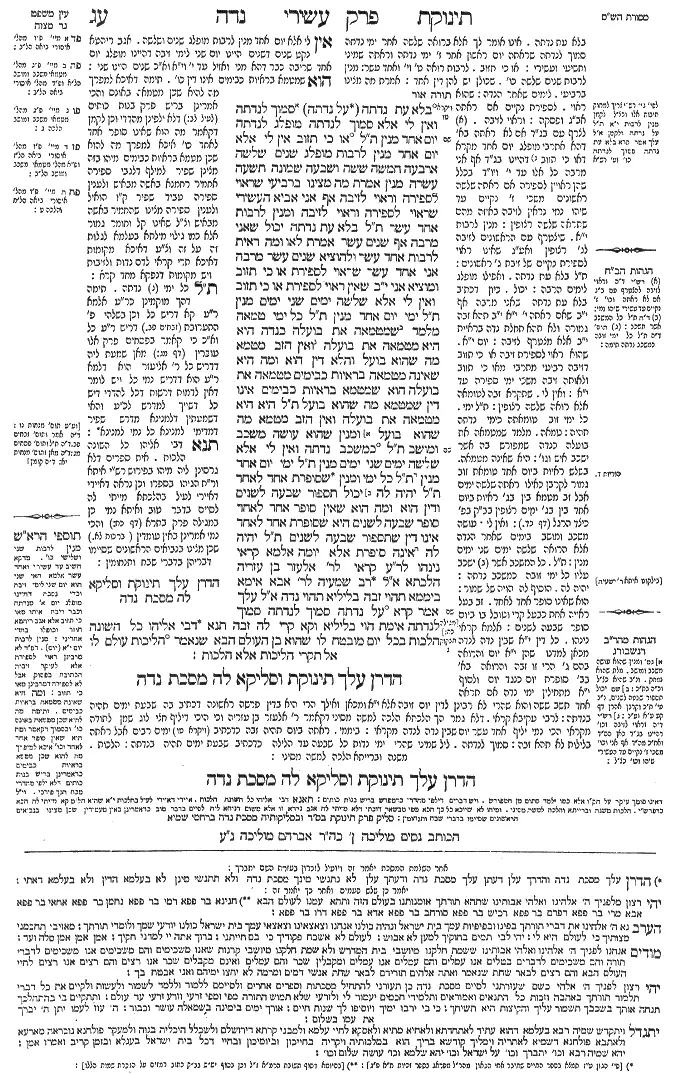
Niddah 73a - Guemara
(ויקרא טו, כה) בלא עת נדתה (על נדתה) סמוך לנדתה ואין לי אלא סמוך לנדתה מופלג לנדתה יום אחד מנין ת"ל (ויקרא טו, כה) או כי תזוב אין לי אלא יום אחד מנין לרבות מופלג שנים שלשה ארבעה חמשה ששה ושבעה שמונה תשעה עשרה מנין אמרת מה מצינו ברביעי שראוי לספירה וראוי לזיבה אף אני אביא העשירי שראוי לספירה וראוי לזיבה ומנין לרבות אחד עשר ת"ל בלא עת נדתה יכול שאני מרבה אף שנים עשר אמרת לאו ומה ראית לרבות אחד עשר ולהוציא שנים עשר מרבה אני אחד עשר שראוי לספירת או כי תזוב ומוציא אני י"ב שאין ראוי לספירת או כי תזוב ואין לי אלא שלשה ימים שני ימים מנין ת"ל ימי יום אחד מנין ת"ל כל ימי טמאה מלמד שמטמאה את בועלה כנדה היא היא מטמאה את בועלה ואין הזב מטמא מה שהוא בועל והלא דין הוא ומה היא שאינה מטמאה בראיות כבימים מטמאה את בועלה הוא שמטמא בראיות כבימים אינו דין שמטמא מה שהוא בועל ת"ל היא היא מטמאה את בועלה ואין הזב מטמא מה שהוא בועל ומנין שהוא עושה משכב ומושב ת"ל (ויקרא טו, כו) כמשכב נדתה ואין לי אלא שלשה ימים שני ימים מנין ת"ל ימי יום אחד מנין ת"ל כל ימי ומנין שסופרת אחד לאחד ת"ל יהיה לה יכול תספור שבעה לשנים ודין הוא ומה הוא שאין סופר אחד לאחד סופר שבעה לשנים היא שסופרת אחד לאחד אינו דין שתספור שבעה לשנים ת"ל יהיה לה אינה סופרת אלא יומה אלמא קראי נינהו לר"ע קראי לר' אלעזר בן עזריה הלכתא א"ל רב שמעיה לר' אבא אימא ביממא תהוי זבה בליליא תהוי נדה א"ל עלך אמר קרא (ויקרא טו, כה) על נדתה סמוך לנדתה סמוך לנדתה אימת הוי בליליא וקא קרי לה זבה תנא דבי אליהו כל השונה הלכות בכל יום מובטח לו שהוא בן העולם הבא שנאמר (חבקוק ג, ו) הליכות עולם לו אל תקרי הליכות אלא הלכות
הדרן עלך תינוקת וסליקא לה מסכת נדה
Comments from Rashi on Masechet Niddah Page 73a
בלא עת נדתה . אינו אומר לך אלא ברואה שלשה אחר ימי נדתה סמוך לנדתה שראתה יום ראשון אחר ז' ימי נדתה וראתה שמיני ותשיעי ועשירי: או כי תזוב . לרבות רואה ט' וי' ואחד עשר: מנין לרבות שנים שלשה כו' . שכולן יש להן דין אחד: אמרת מה מצינו ברביעי . לימים שאחר הנדה: שהוא ראוי . לספירת נקיים אם ראתה אב"ג ופסקה: וראוי לזיבה . לצרף עם בג"ד אם לא ראתה בא' דהא אתרבי מופלג יום אחד מקרא דאו כי תזוב דהיינו בג"ד אף אני מרבה כל אלו עד י' ויו"ד בכלל שהן ראויין לספירה אם ראתה שלשה ראשונים משכי ז' נקיים עד שיהו נמי נראין לזיבה באיזה מהם שתראה שלשה רצופין: מנין לרבות י"א . שיצטרף עם הראשונים לזיבה לג' רצופין ואע"ג שאינו ראוי לספירת נקיים של זיבת ג' ראשונים: ת"ל בלא עת נדתה . ואפילו מופלג לימים הרבה: יכול . כיון דכתיב בלא עת נדתה שאני מרבה אף י"ב שאם ראתה י' י"א י"ב תהא זבה גמורה ולא תהא תחלת נדה בראיית י"ב אלא מצטרף לזיבה: יום י"א שהוא ראוי לספירת זיבה או כי תזוב . דזיבה רביעי מתרבי מאו כי תזוב ולאותה זיבה משכי ימי ספירה עד י"א: ואין לי . שתקרא זבה לטומאה אלא רואה שלשה רצופין: ת"ל ימי . כל ימי זוב טומאתה כימי נדתה תהיה: טמאה מלמד שמטמאה את בועלה כנדה . שמפורש בה אשר ישכב איש וגו': היא שאינה מטמאה . בשלש ראיות ביום אחד טומאת זוב גמור לקרבן כאילו ראתה שלשה ימים אבל זב מטמא בין בג' ראיות ביום אחד בין בג' ימים רצופין בב"ק בפ' כיצד הרגל (דף כד.): ואין לי . עושה משכב ומושב בימים שאחר הנדה אלא הרואה שלשה ימים שני ימים מנין: ת"ל . כל המשכב אשר ישכב עליו כל ימי זובה כמשכב נדתה: יהיה לה . הוסיף לה הויה של שמור: הוא שאינו סופר אחד לאחד . זב בעל ראייה אחת כבעל קרי וטובל בו ביום סופר שבעה לשנים: אלמא קראי נינהו . כל דין י"א שבין נדה לנדה מכאן למדנו שהן י"א יום והרואה בהם ג' הרי זו זבה והרואה בא' בב' סופרת יום כנגד יום ולסוף י"א מתחילין ימי נדה אם תראה אחד תשב ששה והוא שהרי לא רבינן לדין יום זובה אלא י"א ומכאן ואילך הרי היא בדין פרשה ראשונה דכתיב בה שבעת ימים תהיה בנדתה: לרבי עקיבא קראי . דלא גמר הך הלכתא הלכה למשה מסיני דקאמר ר' אלעזר בן עזריה וכי היכי דיליף חצי לוג שמן לתודה מקראי הכי נמי יליף אחד עשר יום שבין נדה לנדה מקראי: ביממי . ראתה ביום תהיה זבה כדכתיב (ויקרא טו) ימים רבים אבל ראתה בלילות לא תהא זבה: סמוך לנדתה . ליל שמיני שהרי ימי נדות כל שבעה עד הלילה כדכתיב שבעת ימים תהיה בנדתה: הלכות . משנה וברייתא הלכה למשה מסיני:
Comments from Tosafot - Niddah 73a
אין לי אלא יום אחד מנין לרבות מופלג שנים ושלשה. אגב ריהטא נקט שנים דשנים היינו יום שני לימי זיבה דהיינו מופלג יום אחד שריבה כבר דהא מני ואזיל עד י' וי"א וא"כ שנים היינו שני: הוא שמטמא בראיות כבימים אינו דין כו'. תימה דאיכא למפרך מה להיא שכן מטמאה באונס והכי אמרינן בריש פרק בנות כותים (לעיל נדה לב:) דלא ילפינן מהדדי וכן לקמן דקאמר מה הוא שאינו סופר אחד לאחד כו' איכא למפרך מה להוא שכן מטמא בראיות כבימים מיהו בזה מצינן שפיר למילף דלגבי ספירה אחמיר רחמנא באשה מבאיש ולענין ספירה עביד שפיר ק"ו הואיל ולענין ספירה מצינו שהחמיר באשה מבאיש וצ"ל שאינו קל וחומר גמור אלא כמו גילוי מילתא בעלמא לגלות זה על זה וצ"ע דאיכא מקומות דאיכא תרי קראי לדם נדות ולזיבות ויש מקומות דנפקא מחד קרא: ת"ל כל ימי נדתה. תימה דהך מוקמינן כר"ע אלמא ר"ע קא דריש כל וכן בשלהי פ' התערובת (זבחים פב.) דריש ר"ע כל וא"כ כי קאמר בפסחים פרק אלו עוברין (דף מג:) מאן שמעת ליה דדריש כל ר' אליעזר הוא דלמא ר"ע הוא דדריש נמי כל ויש לומר דאין לדמות דרשות דכל להדדי דיש כל דשייך למדרש לכ"ע והאי דשמעתין דלמנינא מדרש שפיר דמדימי למנינא כל נמי למנינא: תנא דבי אליהו כל השונה הלכות. אית ספרים דלא גרסינן ליה מיהו בפירוש רש"י איתא ור"ת הגיהו בספרו וכן נראה דאיידי דאיירי לעיל בהלכתא מייתי לה לסיים בדבר טוב ואיתא נמי כן במגילה פרק בתרא (דף כח:) והכי נמי אמרינן באין עומדין (ברכות לא.) שכן מצינו בנביאים הראשונים שסיימו דבריהן בדברי שבח ותנחומין:
Niddah 73a - Mishnah translated into english
“And if a woman has a discharge of her ziva blood for many days not in the time of her menstruation, or if she has a discharge beyond the time of her menstruation, all the days of the issue of her ziva she shall be as in the days of her menstruation: She is impure” (Leviticus 15:25). This verse teaches that a woman becomes a zava only if she experiences bleeding close to her days of menstruation, i.e., on the day following her days of menstruation, but not during her days of menstruation.
The baraita continues: And I have derived only that she is a zava in a case where she experiences bleeding close to her time of menstruation. From where do I derive that if she experiences bleeding one day separated from her days of menstruation she is also a zava? The verse states: “Or if she has a discharge beyond the time of her menstruation” (Leviticus 15:25).
The baraita further states: I have derived only that she is a zava in a case where she experiences bleeding one day away from her time of menstruation. From where is it derived to include a case when she experiences bleeding two, three, four, five, six, seven, eight, nine, or ten days separated from her days of menstruation that she is also a zava? From where is this derived?
You say as follows: Just as we find with regard to a woman who experiences bleeding on the fourth day of her days of ziva, that it is fit for counting, i.e., if she experiences bleeding for the first time on that day she must count one clean day for the one day that she experienced bleeding, and it is fit for ziva, i.e., if it is the last of three consecutive days of sightings that she becomes a greater zava, so too I will bring and include the tenth day, as it is fit for counting if she experiences bleeding for the first time on that day, and fit for ziva if she experiences bleeding for the third consecutive day on the tenth day.
The baraita continues: And from where is it derived to include a case where she experiences bleeding on the eleventh day after her days of menstruation? The verse states: “Not in the time of her menstruation” (Leviticus 15:25). One might have thought that I include even the twelfth day after her period of menstruation. You must say: No, as that is no longer within her days of ziva.
The baraita further states: And what did you see to include the eleventh day and to exclude the twelfth day? I include the eleventh day as it is fit for counting the seven clean days that follow sightings on three consecutive days which ended on the fourth day, as derived from the verse: “Or if she has a discharge beyond the time of her menstruation” (Leviticus 15:25), as explained; and I exclude the twelfth day as it is not fit for counting the seven clean days after the fourth day, a requirement derived from the same verse: “Or if she has a discharge beyond the time of her menstruation.”
The baraita continues: And I have derived only that a woman is impure as a zava if she experiences bleeding for three consecutive days. From where do I derive that she is impure if she experiences bleeding for two consecutive days? The continuation of the verse states: “All the days of the issue of her ziva she shall be as in the days of her menstruation: She is impure” (Leviticus 15:25). The plural “days” indicates two days. From where is it derived that she is impure if she experiences bleeding on only one day? The verse states: “All the days of the issue of her ziva she shall be as in the days of her menstruation: She is impure.”
The baraita further explains that the word “impure” in that verse teaches that a zava renders one who engages in intercourse with her impure, just like a menstruating woman does. The term: “She is impure,” indicates that she, a zava, renders a man who engages in intercourse with her impure, but a zav does not render a woman whom he engages in intercourse with ritually impure.
One might have thought that one who engages in intercourse with a zav has the same status as one who engages in intercourse with a zava. Could this not be derived through an a fortiori inference? And if a zava, who does not become impure through three sightings like she becomes impure if she experiences bleeding for three consecutive days, and yet she renders a man who engages in intercourse with her impure, then with regard to a zav, who becomes impure through three sightings even on a single day like he becomes impure by seeing a discharge for three consecutive days, isn’t it logical that he should render a women whom he engages in intercourse with ritually impure? Therefore, the verse states: “She shall be impure.” This teaches that a zava renders a man who engages in intercourse with her impure, but a zav does not render a woman whom he engages in intercourse with ritually impure.
And from where is it derived that a zava transmits impurity to items designated for lying or sitting? The verse states: “Every bed which she lies on all the days of her discharge shall be for her like the bed of her menstruation; and everything that she sits on shall be impure, as the impurity of her menstruation” (Leviticus 15:26).
And I have derived only that she transmits impurity to items designated for lying or sitting if she experiences bleeding for three consecutive days and is a greater zava. From where do I derive that she transmits impurity to items designated for lying or sitting if she experiences bleeding for two consecutive days and is only a lesser zava? The verse states “days.” And from where do I derive that she transmits impurity to items designated for lying or sitting even if she experiences bleeding on only one day? The verse states: “All the days of her discharge.”
The baraita continues: And from where is it derived that she counts one clean day for experiencing bleeding on one day? The verse states: “All the days of her discharge shall be for her.” One might have thought that she must count seven clean days for experiencing bleeding on two consecutive days. And this is a logical inference: Just as a zav, who does not count one clean day if he sees a discharge on one day, nevertheless must count seven clean days if he sees a discharge on two days, then with regard to a zava, who counts one clean day if she experiences bleeding on one day, isn’t it logical that she should count seven clean days if she experiences bleeding on two consecutive days? The verse states: “All the days of her discharge shall be for her,” which teaches that she counts only her one day even if she experiences bleeding for two consecutive days.
The Gemara explains the difficulty from this baraita: Evidently, the halakhot of the eleven days of ziva are derived from verses and are not a halakha transmitted to Moses from Sinai. The Gemara answers: According to the opinion of Rabbi Akiva these halakhot are derived from verses. According to the opinion of Rabbi Elazar ben Azarya they are a halakha transmitted to Moses from Sinai.
With regard to the verse discussing the days of ziva, Rav Shemaya said to Rabbi Abba: But one can say that if she experiences bleeding during the daytime she shall be a zava, but if she experiences bleeding at night she shall be a menstruating woman, as the verse specifies “days.” Rabbi Abba said to him: With regard to your claim, the verse states: “Beyond the time of her menstruation” (Leviticus 15:25), which teaches that she becomes a zava if she experiences bleeding close to her days of menstruation. When is the time close to her days of menstruation? At night. And with regard to an emission during this time the verse calls her a zava.
The Gemara concludes the tractate with a general statement with regard to Torah study. The school of Elijah taught: Anyone who studies halakhot every day is guaranteed that he is destined for the World-to-Come, as it is stated: “His ways [halikhot] are eternal” (Habakkuk 3:6). Do not read the verse as halikhot; rather, read it as halakhot. The verse indicates that the study of halakhot brings one to eternal life in the future world.
Traduction : The William Davidson digital edition of the Koren Noé Talmud, with commentary by Rabbi Adin Even-Israel Steinsaltz.