 Talmud Bavli
No video class on this page yet.
To add a video to this page please click here.Niddah Page 71a
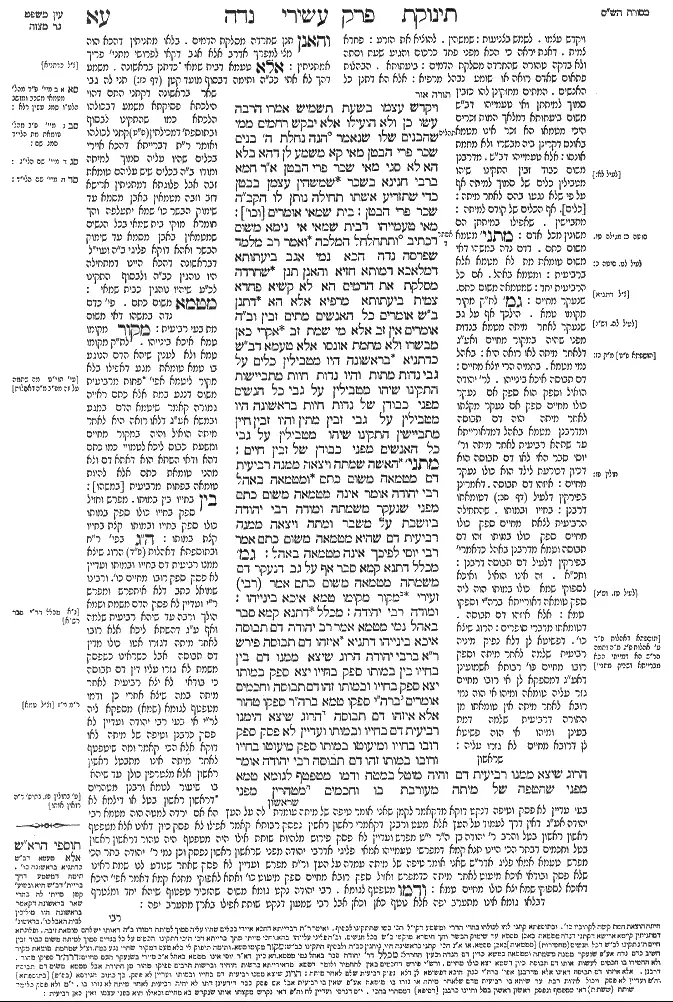
Niddah 71a - Guemara
ויקדש עצמו בשעת תשמיש אמרו הרבה עשו כן ולא הועילו אלא יבקש רחמים ממי שהבנים שלו שנאמר (תהלים קכז, ג) הנה נחלת ה' בנים שכר פרי הבטן מאי קא משמע לן דהא בלא הא לא סגי מאי שכר פרי הבטן א"ר חמא ברבי חנינא בשכר שמשהין עצמן בבטן כדי שתזריע אשתו תחילה נותן לו הקב"ה שכר פרי הבטן בית שמאי אומרים [וכו'] מאי טעמייהו דבית שמאי אי נימא משום דכתיב (אסתר ד, ד) ותתחלחל המלכה ואמר רב מלמד שפרסה נדה הכא נמי אגב ביעתותא דמלאכא דמותא חזיא והאנן תנן שחרדה מסלקת את הדמים הא לא קשיא פחדא צמית ביעתותא מרפיא אלא הא דתנן ב"ש אומרים כל האנשים מתים זבין וב"ה אומרים אין זב אלא מי שמת זב אקרי כאן מבשרו ולא מחמת אונסו אלא טעמא דב"ש כדתניא בראשונה היו מטבילין כלים על גבי נדות מתות והיו נדות חיות מתביישות התקינו שיהו מטבילין על גבי כל הנשים מפני כבודן של נדות חיות בראשונה היו מטבילין על גבי זבין מתין והיו זבין חיין מתביישין התקינו שיהו מטבילין על גבי כל האנשים מפני כבודן של זבין חיים מתני׳ האשה שמתה ויצאה ממנה רביעית דם מטמאה משום כתם ומטמאה באהל רבי יהודה אומר אינה מטמאה משום כתם מפני שנעקר משמתה ומודה רבי יהודה ביושבת על משבר ומתה ויצאה ממנה רביעית דם שהיא מטמאה משום כתם אמר רבי יוסי לפיכך אינה מטמאה באהל גמ׳ מכלל דתנא קמא סבר אף על גב דנעקר דם משמתה מטמאה משום כתם אמר (רבי) זעירי מקור מקומו טמא איכא בינייהו ומודה רבי יהודה מכלל דתנא קמא סבר באהל נמי מטמא אמר רב יהודה דם תבוסה איכא בינייהו דתניא איזהו דם תבוסה פירש ר"א ברבי יהודה הרוג שיצא ממנו דם בין בחייו בין במותו ספק בחייו יצא ספק במותו יצא ספק בחייו ובמותו זהו דם תבוסה וחכמים אומרים ברה"י ספקו טמא ברה"ר ספקו טהור אלא איזהו דם תבוסה הרוג שיצא הימנו רביעית דם בחייו ובמותו ועדיין לא פסק ספק רובו בחייו ומיעוטו במותו ספק מיעוטו בחייו ורובו במותו זהו דם תבוסה רבי יהודה אומר הרוג שיצא ממנו רביעית דם והיה מוטל במטה ודמו מטפטף לגומא טמא מפני שהטפה של מיתה מעורבת בו וחכמים מטהרין מפני
Comments from Rashi on Masechet Niddah Page 71a
ויקדש עצמו . לשמש בצניעות: שמשהין . להוציא את הזרע: פחדא צמית . דאגת יראה כי הכא מפני פחד כרכום והגיע שעת וסתה ולא בדקה טהורה שהחרדה מסלקת הדמים: ביעתותא . הבהלות פתאום שאדם רואה או שומע נבהל מרפיא: אלא הא דתנן כל האנשים . המתים מחזקינן להו כזבין סמוך למיתתן ואי טעמייהו דב"ש משום ביעתותא דמלאך המות זכרים היכי מטמאו הא זכר אינו מטמא באונס דקרינן ביה מבשרו ולא מחמת אונסו: אלא טעמייהו דב"ש . מדרבנן משום כבוד זבין התקינו שיהו מטבילין כלים של סמוך למיתה אף על פי שלא נגעו בהם לאחר מיתה: [כלים] . אף הכלים של קודם למיתה: מתביישין . שאפילו במיתתן הם משונין מכל אדם: מתני' מטמא משום כתם . דדם נדה במשהו דאי משום טומאת מת לא מטמא אלא ברביעית: ומטמא באהל . אם כל הרביעית יחד: שמטמאה משום כתם . שנעקר מחיים: גמ' לת"ק מקור מקומו טמא . הילכך אף על גב שנעקר לאחר מיתה מטמא בנדות מפני שהיה במקור מחיים ואע"ג דלאחר מיתה לאו רואה היא: באהל נמי מטמא . בתמיה. הרי יוצא מחיים: דם תבוסה איכא בינייהו . לר' יהודה הואיל וספק הוא ספק אם נעקר כולו מחיים ספק אם נעקר מקצתו לאחר מיתה הוה דם תבוסה ומדרבנן מטמא באהל דמדאורייתא עד שתהא רביעית לאחר מיתה ור' יוסי סבר האי לאו דם תבוסה הוא דכיון דכורעת לילד הוא כולו נעקר מחיים: איזהו דם תבוסה . דאמרינן בפירקין דלעיל (נדה דף סב:) דטומאתו דרבנן: בחייו ובמותו . שהתחילה הרביעית לצאת מחיים ספק כולו מחיים ספק כולו במותו זהו דם תבוסה וטמא מדרבנן באהל כדאמרי' בפירקין דלעיל דם תבוסה דרבנן: וחכ"א . זה אינו הואיל ואיכא לספוקי שמא כולו במותו הוה ליה ספק טומאה דאורייתא ברה"י וספקו טמא: אלא איזהו דם תבוסה . דטומאתו מדברי סופרים: הרוג שיצא כו' . דפשיטא לן דלא נפיק מיניה רביעית שלמה לאחר מיתה. וספק רובו מחיים כו' רבותא אשמעינן דאע"ג דמספקא לן אי רובו מחיים גזר עליה טומאה ומיהו אי הוה נמי רובא לאחר מיתה אין טומאתו מן התורה דרביעית שלמה דמת בעינן ומיהו אי הוה פשיטא לן דרובא מחיים לא גזרו עליה:
Comments from Tosafot - Niddah 71a
והאנן תנן שחרדה מסלקת הדמים. בלאו מתניתין דהכא הוה מצי למפרך אדרב אלא אגב דקאי לפרושי מתני' פריך אמתניתין: אלא טעמא דבית שמאי כדתנן בראשונה. משמע דהך לא אתי כב"ה ותימה דבסוף מועד קטן (דף כז:) תני לה גבי שאר בראשונה דקתני התם דהוי הילכתא פסיקתא משמע דבכולהו הלכתא כמו שהתקינו לבסוף ובתוספת' דמכילתין (פ"ט) קתני לכולהו ואומר ר"ת דברייתא דהכא איירי בכלים שהיו עליה סמוך למיתה ומודו ב"ה בכלים שיש עליהם טומאת זבה אבל פלוגתא דמתניתין ארישא דזב וזבה מטמאין באבן מסמא עד שימוק הבשר כו' שמא יתעלפה והך חומרא מוקי בית שמאי בכל הנשים שמטמאין באבן מסמא עד שימוק הבשר ואהא דוקא פליגי ב"ה ועוי"ל דבראשונה דהכא היינו דמתחילה היו נוהגין כב"ה ולבסוף התקינו לכ"ע שיהיו נוהגין כבית שמאי: מטמא משום כתם. פי' כדם נדה במשהו דאי משום מת בעי רביעית: מקור מקומו טמא איכא בינייהו. לת''ק מקומו טמא ולא לענין שיהא הדם הנוגע בו טמא טומאת מגע דאפילו בלא מקור ליטמא אפי' פחות מרביעית משום דנגע במת אלא כתם ראייה גמורה קאמר שיטמא הדם במגע ובמשא אע''ג דלאו רואה היא לאחר מיתה הואיל והיה במקור מחיים ומשעת כבוס ליכא לטמויי כמו כתם דהא ודאי השתא הוא דאתא דם ולא מהני טומאת כתם אלא להיות טומאה בפחות מרביעית [במשהו]: בין בחייו בין במותו. מפרש ואזיל ספק בחייו כולו ספק במותו כולו ספק בחייו ובמותו קצת בחייו קצת במותו: ה"ג בפי' ר"ח ובתוספתא דאהלות (פ"ד) הרוג שיצא ממנו רביעית דם בחייו ובמותו ועדיין לא פסק ספק רובו מחיים כו'. ורבינו שמואל כתב דלא איתפרש ומפרש ר"י ועדיין לא פסק הדם משמת ושמא הולך ורבה עד שיהא רביעית שלמה ואף ע"ג דהשתא ליכא אלא רובו לאחר מיתה דגזרו אטו כולו מדין דם תבוסה אבל כשראינו כשפסק משמת לא גזרו עליו דין דם תבוסה כי בודאי לא יצא רביעית לאחר מיתה במה שיצא אחרי כן ודמו מטפטף לגומא (שמא) מספקא ליה לר"י אי בעי רבי יהודה ועדיין לא פסק כרבנן וטיפה של מיתה לאו דוקא אלא הכי קאמר ומה שיטפטף לאחר מיתה אינו מתבטל ראשון ראשון אלא מצטרפין כולן עד שיהא בו שיעור לטמא ורבנן מטהרים דראשון ראשון בטל או דילמא לא בעי עדיין לא פסק וטיפה דנקט דוקא מדקאמר לקמן שאני אומר טיפה של מיתה עומדת לה על העץ הא אם ירדה למטה הוה מטמא רבי יהודה אע"ג דאין דרך לעמוד על העץ אלא מעט ורבנן דקאמרי ראשון ראשון נפסק רבותא קאמר אפילו לא פסק כיון דאינו אלא מטפטף ראשון ראשון בטל והרב ר' יהודה בן ה"ר י"ט מפרש ועדיין לא פסק פירוש מלהיות שותת אילו היה מטפטף היה טהור דראשון ראשון בטל וחכמים דבתר הכי היינו תנא קמא דמפרשי טעמייהו אמאי פליגי אדרבי יהודה מפני שראשון ראשון נפסק וכן נמי ר' יהודה בתר הכי מפרש טעמא אמאי פליג אדר"ש שאני אומר טיפה של מיתה עמדה על העץ ור"ת מפרש ועדיין לא פסק שאחר שנודע לנו שמת ראינו שלא פסק ובודאי איכא מיעוט לאחר מיתה כדמפרש ואזיל ספק רובא מחיים ספק מיעוט כו' ואתא לאפוקי מתנא קמא דאמר אפי' היכא דאיכא לספוקי שמא יצא כולו מחיים טמא: ודמו מטפטף לגומא. רבי יהודה נקט גומא משום שהזכיר טפטוף שיהא יחד ומצטרף דבלאו גומא אינו מתערב יפה אלא נוטף כאן וכאן אבל רבי שמעון דנקט שותת אפילו בארץ מתערב יפה:
Niddah 71a - Mishnah translated into english
and sanctify himself by acting modestly at the time of sexual intercourse.
The sages of Alexandria said to Rabbi Yehoshua: Many people have done so, and it did not help them. Rabbi Yehoshua said: Rather, they should pray to receive sons from the One to Whom sons belong, as it is stated: “Behold, children are a heritage of the Lord; the fruit of the womb is a reward” (Psalms 127:3).
The Gemara again asks: Since the path to sons is through prayer, what is Rabbi Yehoshua teaching us when he said that one should marry an appropriate woman and conduct himself with modesty during intercourse? The Gemara answers: Rabbi Yehoshua is teaching that this, prayer, without that, marrying an appropriate woman and being modest, does not suffice.
With regard to the verse from Psalms, the Gemara asks: What is the meaning of the phrase: “The fruit of the womb is a reward” (Psalms 127:3)? What act is rewarded here? Rabbi Ḥama, son of Rabbi Ḥanina, says: In reward for men withholding their semen in their belly in order to allow their wives to emit seed first, the Holy One, Blessed be He, gives him the reward of the fruit of the womb, i.e., sons.
§ The mishna teaches that Beit Shammai say: The status of all women when they die is as though they were menstruating women. The Gemara asks: What is the reason for the opinion of Beit Shammai? If we say that their opinion is due to that which is written: “Then the queen was exceedingly distressed [vatitḥalḥal]” (Esther 4:4), this is difficult. The Gemara first explains the derivation. And Rav said: This teaches that she began to menstruate out of fear, as the cavities [ḥalalim] of her body opened. Here too, when a woman is about to die, due to the fear of the Angel of Death she sees blood. This is difficult, as didn’t we learn in a mishna (39a) that trepidation eliminates the flow of menstrual blood? The Gemara answers: This is not difficult. Anxiety generated by extended worry contracts the muscles and prevents the blood from flowing, but sudden fear relaxes the muscles and causes the blood to flow.
But if the reason Beit Shammai hold that all women who die have the status of menstruating women is due to fear, then what about that which we learned in a baraita: Beit Shammai say: The status of all men when they die is as though they were zavim; and Beit Hillel say: Only a man who died with the impurity of a zav has the status of a zav. If the reason that Beit Shammai maintain that all women who die have the status of menstruating women is due to fear of the Angel of Death, presumably they also should consider all men who die to have the status of a zav for the same reason.
But this is difficult, as I will apply here the principle stated with regard to a zav: “An issue out of his flesh” (Leviticus 15:2) renders a man impure, but not an issue due to circumstances beyond his control. If a man has a discharge of ziva due to an illness or some accident, he does not become impure. Consequently, if he has a discharge due to fear after seeing the Angel of Death, he would not become ritually impure.
Rather, the reason for the opinion of Beit Shammai is as it is taught in a baraita: At first they would ritually immerse all the utensils that had been used by women who died while menstruating, which had thereby contracted ritual impurity even if the utensils did not touch the women after their death. And as a result, the living menstruating women were embarrassed, as they saw that the status of a menstruating woman is so severe that it remains even after death. The Sages therefore instituted that one must immerse the utensils which had been used by all dying women, due to the honor of living menstruating women.
Similarly, at first they would immerse all the utensils that had been used by zavin, men suffering from gonorrhea, who died, as the utensils had thereby contracted ritual impurity even if the utensils did not touch the men after their death. And as a result, the living zavin were embarrassed. Therefore, the Sages instituted that one must immerse the utensils that had been used by all dying men, due to the honor of the living zavin.
MISHNA: With regard to a woman who died, and after her death a quarter-log of blood emerged from her body, although the blood emerged after death, it transmits ritual impurity by touching and carrying, due to the impurity of the spot of blood of a menstruating woman. This impurity as blood of menstruation applies to any amount of blood she emits, despite the halakha that generally, the blood of a corpse transmits impurity only if it is at least a quarter-log in volume. And as it is a quarter-log of blood, it transmits impurity in a tent, as it is the blood of a corpse.
Rabbi Yehuda says: That quarter-log of blood does not transmit impurity due to the impurity of the spot of blood of a menstruating woman, because that blood was displaced after she died. And Rabbi Yehuda concedes in the case of a woman who is sitting in childbirth on the travailing chair [mashber] and she died, and a quarter-log of blood emerged from her body, that this blood transmits ritual impurity due to the impurity of the spot of blood of a menstruating woman. In that case, the blood was displaced while she was still alive. Rabbi Yosei said: For that reason, that quarter-log of blood does not transmit impurity in a tent, as it did not come from a corpse.
GEMARA: The mishna teaches that according to Rabbi Yehuda a quarter-log of blood that emerges from a woman after death does not transmit impurity due to the impurity of a spot of blood of a menstruating woman, despite the fact that it came from the uterus. The Gemara raises a difficulty: By inference one might think that the first tanna holds that even though the blood was displaced after she died, it renders one ritually impure due to the impurity of a blood spot. This is not reasonable, as a dead woman cannot attain the status of a menstruating woman.
Rabbi Ze’eiri said: Even the first tanna agrees that blood from the uterus which leaves the body after death does not impart impurity as a spot. Rather, the difference between the opinions of the first tanna and Rabbi Yehuda is whether the place of a woman’s source, i.e., her uterus, is impure, and therefore any blood that passes through there is impure, even if it left her body after death. The first tanna maintains that even blood that appears after her death transmits impurity like the blood of menstruation, as it passed through the uterus when she was still alive, whereas Rabbi Yehuda holds that this blood does not transmit impurity as blood of menstruation, despite the fact that it passed through her uterus.
§ The mishna teaches: And Rabbi Yehuda concedes in the case of a woman who was sitting in childbirth when she died, that the quarter-log of blood which emerged from her body transmits the ritual impurity of the spot of the blood of a menstruating woman. And Rabbi Yosei said: For that reason, that quarter-log of blood does not transmit impurity in a tent.
The Gemara asks: By inference, one might conclude that the first tanna, i.e., Rabbi Yehuda, holds that the blood which emerges from a woman who died during childbirth also transmits impurity in a tent. This cannot be correct, as the blood left her while she was still alive. Rav Yehuda said: The difference between Rabbi Yehuda and Rabbi Yosei is with regard to blood of submission discharged from a body at the time of death, which contains a mixture of blood that leaves a person when he is still alive and blood that emerges after his death. Rabbi Yehuda holds that the blood which emerges from a woman who dies during childbirth is blood of submission, which transmits impurity in a tent by rabbinic law. Rabbi Yosei maintains that it is clear that this blood emerged from her body before she died, and therefore it is not blood of submission.
As it is taught in a baraita: What is blood of submission, which imparts ritual impurity (see 62b)? Rabbi Elazar, son of Rabbi Yehuda, explained: The case is one of a person who was killed, from whom a quarter-log of blood emerged, a flow which began while he was alive and continued after his death, and it is uncertain whether a full quarter-log emerged while he was alive and therefore does not transmit ritual impurity, and it is uncertain whether it emerged out after his death, in which case it imparts ritual impurity by Torah law, and it is uncertain whether the quarter-log emerged partly while he was alive and partly after his death. That is blood of submission.
And the Rabbis say that this is not blood of submission, but a case of uncertain ritual impurity by Torah law, as it might all have emerged after death. Therefore, one applies the principle that in a private domain a case of uncertainty is considered to be ritually impure, whereas in a public domain a case of uncertainty is considered to be ritually pure.
Rather, what is blood of submission? The case is one of a person who has been killed from whom a quarter-log of blood emerged while he was alive and continued emerging after his death and has still not stopped coming out. It is clear that a full quarter-log did not emerge after his death, but it is uncertain whether the majority emerged while he was alive and the minority after his death, and equally uncertain whether the minority emerged while he was alive and the majority after his death. That is blood of submission.
Rabbi Yehuda says: In the case of one who has been killed from whom a quarter-log of blood emerged, and he was lying in a bed and his blood was dripping into a hole in the ground, the blood in the ground is ritually impure, because the drop of death is mixed with it. And the Rabbis deem it ritually pure, because
Traduction : The William Davidson digital edition of the Koren Noé Talmud, with commentary by Rabbi Adin Even-Israel Steinsaltz.