 Talmud Bavli
No video class on this page yet.
To add a video to this page please click here.Niddah Page 64a
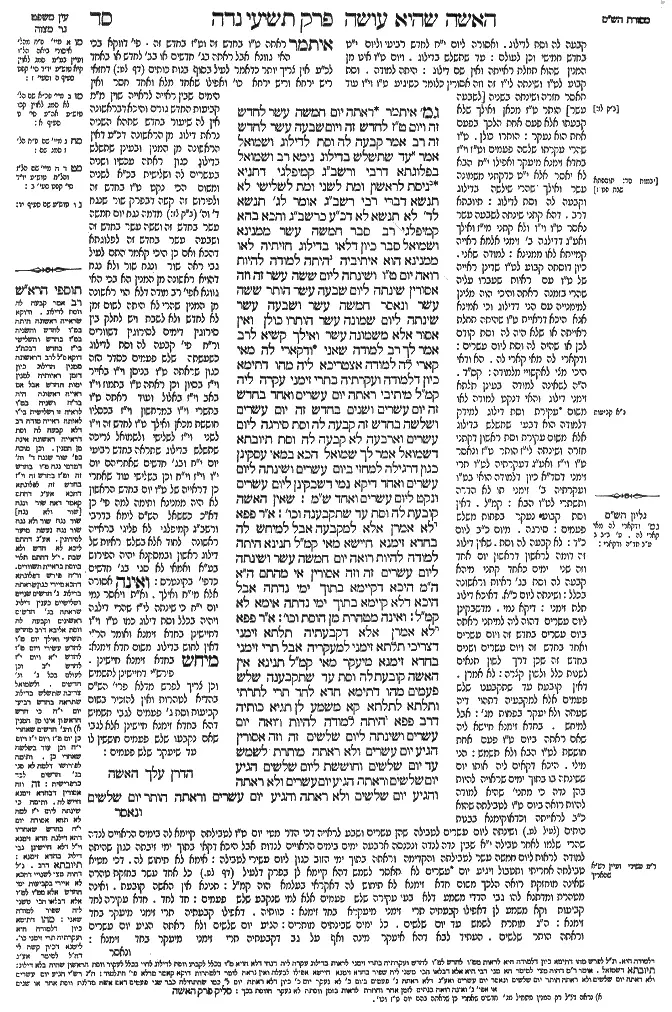
Niddah 64a - Guemara
גמ׳ איתמר ראתה יום חמשה עשר לחדש זה ויום ט"ז לחדש זה ויום שבעה עשר לחדש זה רב אמר קבעה לה וסת לדילוג ושמואל אמר עד שתשלש בדילוג נימא רב ושמואל בפלוגתא דרבי ורשב"ג קמיפלגי דתניא ניסת לראשון ומת לשני ומת לשלישי לא תנשא דברי רבי רשב"ג אומר לג' תנשא לד' לא תנשא לא דכ"ע כרשב"ג והכא בהא קמיפלגי רב סבר חמשה עשר ממנינא ושמואל סבר כיון דלאו בדילוג חזיתיה לאו ממנינא הוא איתיביה היתה למודה להיות רואה יום ט"ו ושינתה ליום ששה עשר זה וזה אסורין שינתה ליום שבעה עשר הותר ששה עשר ונאסר חמשה עשר ושבעה עשר שינתה ליום שמונה עשר הותרו כולן ואין אסור אלא משמונה עשר ואילך קשיא לרב אמר לך רב למודה שאני ודקארי לה מאי קארי לה למודה אצטריכא ליה מהו דתימא כיון דלמודה ועקרתיה בתרי זימני עקרה ליה קמ"ל מיתיבי ראתה יום עשרים ואחד בחדש זה יום עשרים ושנים בחדש זה יום עשרים ושלשה בחדש זה קבעה לה וסת סירגה ליום עשרים וארבעה לא קבעה לה וסת תיובתא דשמואל אמר לך שמואל הכא במאי עסקינן כגון דרגילה למחזי ביום עשרים ושינתה ליום עשרים ואחד דיקא נמי דשבקינן ליום עשרים ונקט ליום עשרים ואחד ש"מ שאין האשה קובעת לה וסת עד שתקבענה וכו' א"ר פפא לא אמרן אלא למקבעה אבל למיחש לה בחדא זימנא חיישא מאי קמ"ל תנינא היתה למודה להיות רואה יום חמשה עשר ושינתה ליום עשרים זה וזה אסורין אי מהתם ה"א ה"מ היכא דקיימא בתוך ימי נדתה אבל היכא דלא קיימא בתוך ימי נדתה אימא לא קמ"ל ואינה מטהרת מן הוסת וכו' א"ר פפא לא אמרן אלא דקבעתיה תלתא זימני דצריכי תלתא זימני למעקריה אבל תרי זימני בחדא זימנא מיעקר מאי קמ"ל תנינא אין האשה קובעת לה וסת עד שתקבענה שלש פעמים מהו דתימא חדא לחד תרי לתרתי ותלתא לתלתא קא משמע לן תניא כותיה דרב פפא היתה למודה להיות רואה יום עשרים ושינתה ליום שלשים זה וזה אסורין הגיע יום עשרים ולא ראתה מותרת לשמש עד יום שלשים וחוששת ליום שלשים הגיע יום שלשים וראתה הגיע יום עשרים ולא ראתה והגיע יום שלשים ולא ראתה והגיע יום עשרים וראתה הותר יום שלשים
Comments from Rashi on Masechet Niddah Page 64a
קבעה לה וסת לדילוג . ואסורה ליום י"ח לחדש רביעי וליום י"ט בחדש חמישי וכן לעולם: עד שתשלש בדילוג . ויום ט"ו אינו מן המנין שהוא תחלת ראייתה ואין שם דילוג: היתה למודה . וסת קבוע לט"ו ושינתה לי"ו זה וזה אסורין כלומר כשיגיע ט"ו וי"ו עוד תאסר חזרה ושינתה בשניה [לשבעה עשר] הותר ט"ז מכאן ואילך שלא קבעתו אלא פעם אחת הלכך בפעם אחת הוא נעקר: הותרו כולן . ט"ו שהרי עקרתו שלשה פעמים וט"ז וי"ז בחדא זימנא מיעקר ואפילו י"ח הבא לא יאסר אלא י"ט כדקתני משמונה עשר ואילך שהרי שילשה בדילוג וקבעה לה וסת לדילוג: תיובתא דרב . דהא קתני שינתה לשבעה עשר נאסר ט"ו וי"ו ולא קתני מי"ז ואילך ואע"ג דדילגה ב' זימני אלמא ראייה קמייתא לאו ממנינא: למודה שאני . כיון דוסתה קבוע לט"ו שדינן ראייה של ט"ו עם ראיות שעברו עליה שהרי בזמנה ראתה והיכי הוה מצינן למימנייה עם הני דדילוג וכי אמינא אנא היכא דראיית ט"ו שהיתה תחלת ראייתה או שלא היה לה וסת קודם לכן או שהיה לה וסת ליום עשרים: ודקארי לה מאי קארי לה . הא ודאי היכי מצי לאקשויי מלמודה: קס"ד ה"ה לשאינה למודה בעינן תלתא זימני דילוג והאי דנקט למודה לאו משום עקירת וסת דילוג למידק דלמודה הוא דבעי שתשלש בדילוג אלא משום עקירת וסת ראשון דקתני חזרה ושינתה לי"ז הותר ט"ז ונאסר ט"ו וי"ז ואע"ג דעקרתיה לט"ו תרי זימני דסד"א כיון דלמודה הואי בט"ו ועקרתיה ב' זימני תו לא הדרה ותשתרי לט"ו הבא: קמ"ל . דאין וסת קבוע נעקר בפחות משלש פעמים: סירגה . מיום כ"ב ליום כ"ד: לא קבעה לה וסת . שאין דילוג זה דומה לראשון דראשון יום אחד וזה שני ימים כאחד. קתני מיהא קבעה לה וסת בג' ראיות וראשונה בכלל: ושינתה ליום כ"א . דאיכא דילוג תלת זימני: דיקא נמי מדשבקינן ליום עשרים . דהוה ליה למיתני ראתה ביום עשרים בחדש זה ויום עשרים ואחד בחדש זה ויום עשרים ושנים בחדש זה שכן דרך לשון תנאים לשנות כלל ולשון קצרה: לא אמרן . דאין קובעת עד שתקבענו שלש פעמים אלא למקבעיה דתהוי דיה שעתה ולא יעקר בפחות מג': אבל למיחש בחדא זימנא חיישא . ליה שאם ראתה ביום ט"ו פעם אחת חוששת לט"ו הבא ולא תשמש: הני מילי היכא דקאים . ליה אותו יום ששינתה בו בתוך ימים שראויה להיות בהן נדה כי מתני' שהיא למודה להיות רואה ביום ט"ו לטבילתה שהוא כ"ב לראייתה וכדאוקימנא בבנות כותים (לעיל נדה לט.) ושינתה ליום עשרים לטבילה שהן עשרים ושבע לראייה דכי הדר מטי יום ט"ו לטבילתה קיימא לה בימים הראויים לנדה שהרי שלמו לאחר טבילה י"א שבין נדה לנדה ונכנסה ארבעה ימים בימים הראויים לנדות אבל היכא דקאי בתוך ימי זיבתה כגון שהיתה למודה לראות ליום חמשה עשר לטבילתה והקדימה וראתה בתוך ימי הזוב כגון ליום עשירי לטבילה: אימא לא . תיחוש לה דכי מטיא טבילתה אחריתי ותטבול ויגיע יום עשרים לא תאסר לשמש דהא קיימא לן בפרק דלעיל (נדה דף לט.) כל אחד עשר בחזקת טהרה שאינה מוחזקת רואה הלכך משום חדא זימנא לא תיחוש לה דאקראי בעלמא הוה קמ"ל: תנינא אין האשה קובעת ואינה מטהרת . ומדתנא להו גבי הדדי משמע דלא בעי עקירה שלש פעמים אלא למי שנקבע שלש פעמים: חד לחד . חדא עקירה לחד קביעות וקא משמע לן דאפילו קבעתיה תרי זימני מיעקרא בחד זימנא: כוותיה . דאפילו קבעתיה תרי זימני מיעקר בחד זימנא: ה"ג מותרת לשמש עד יום שלשים . כל ימים שבינתים מותרים: הגיע יום שלשים ולא ראתה הגיע יום עשרים וראתה הותר שלשים . העתיד לבא דהא איעקר מינה ואף על גב דקבעתיה תרי זימני מיעקר בחד זימנא:
Comments from Tosafot - Niddah 64a
איתמר ראתה ט"ו בחדש זה וט"ז בחדש זה. פי' דווקא בכי האי גוונא אבל ראתה בג' חדשים או בב' לחדש או באחד לכ"ע אין צריך יותר כדאמר לעיל בסוף בנות כותים (נדה דף לט:) דחזאי ריש ירחא וריש ירחא כו' ואפילו שאחד מלא ואחד חסר ואין הימים שבין ראייה לראייה שוין מ"מ קביעות החדש גורם והיכא דבראשונה אין לה שיעור בחדש שתהא השניה נראת דילוג מן הראשונה דכ"ע דאין הראשונה מן המנין ובעינן שתשלש בדילוג כגון ראתה עכשיו ושניה בעשרים לה ושלישית בכ"א לשניה ומשום הכי נקט ט"ו בחדש זה ולפירוש זה קשה דבפרק שור שנגח ד' וה' (ב"ק לז:) מדמה נגח יום חמשה עשר בחדש זה וששה עשר בחדש זה ושבעה עשר בחדש זה לפלוגתא דהכא ואם כן היכי קאמר התם לעיל גבי ראה שור ונגח שור ולא נגח דהויא ראשונה מן המנין הא בכי האי גונא אפי' רב מודה דלא הוי ראשונה מן המנין שהרי לא היתה לשום זמן לא לחדש ולא לשבת ויש לחלק בין סירוגין דימים לסירוגין דשוורים ור"ח פי' קבעה לה וסת לדילוג כשעשתה שלש פעמים כסדר הזה כגון שראתה ט"ו בניסן וי"ו באייר וי"ז בסיון וכן ראתה ט"ו בתמוז וי"ו באב וי"ז באלול ועוד ראתה ט"ו בתשרי וי"ו במרחשון וי"ז בכסליו חוששת מכאן ואילך ט"ו לחדש זה וי"ו לשני וי"ז לשלישי ולשמואל צריכה שתשלש בדילוג שתראה בחדש רביעי יום י"ח ובג' חדשים שאחריהם יום י"ו וי"ז וי"ח וכן בשלישי עוד שאחרי כן דראייה של ט"ו יום בחדש הראשון לא היה ממנינא ותימה למה פי' כן דא"כ כששאל הש"ס לימא בדרבי ורשב"ג קמיפלגי לא פליגי בראייה ראשונה לחוד אלא בשלש ראיות של דילוג ראשון ובמסקנא יהיה הפירוש בע"א ואמאי לא סגי בג' חדשים כדפי' בקונטרס: ואינה אסורה אלא מי"ח ואילך. וא"ת ויאסר נמי יום י"ח כי שינתה לי"ז שהרי דילגה ויהיה בכלל וסת דילוג כמו ט"ו וי"ו דחיישינן בחדא זימנא ואומר הר"י דאין לחוש בדילוג משום חדא זימנא: מיחש בחדא זימנא חיישינן. פירש"י דחיישינן לתשמיש וכן צריך לפרש מדלא פרי' הש"ס בהדיא לטהרות ואין להזכיר בשום קביעות וסת ג' פעמים לגבי תשמיש דהא בחדא זימנא חיישינן אלא לגבי שאם נקבעו שלש פעמים חוששין לו עד שיעקר שלש פעמים:
Niddah 64a - Mishnah translated into english
GEMARA: It was stated: If a woman saw menstrual blood on the fifteenth of this month, and on the sixteenth of the month after that, and on the seventeenth of the month after that, Rav says: She has thereby determined her menstrual cycle by skipping, i.e., as a month and a day. And Shmuel says: Her menstrual cycle is not determined until she skips a day three times. According to Shmuel, as the cycle is established in this case not by the date itself but by the pattern of one additional day every month, the pattern is established only when this occurs three consecutive times, i.e., when she menstruates on the fourth occasion.
The Gemara suggests: Shall we say that Rav and Shmuel disagree with regard to the issue that is the subject of the dispute between Rabbi Yehuda HaNasi and Rabban Shimon ben Gamliel? As it is taught in a baraita: If a woman was married to her first husband and he died, and was then married to a second one and he too died, she may not marry a third husband; this is the statement of Rabbi Yehuda HaNasi. Rabban Shimon ben Gamliel says: She may marry a third husband, but if he also dies she may not marry a fourth husband. The suggestion is that Rav and Rabbi Yehuda HaNasi hold that after two instances she has established a presumption and a pattern, whereas Shmuel and Rabban Shimon ben Gamliel maintain that the presumption is established only after three occurrences.
The Gemara rejects this suggestion: No, everyone agrees that the halakha is in accordance with the opinion of Rabban Shimon ben Gamliel, that a presumption is established only after three times, and here they disagree with regard to this matter: Rav holds that when she experienced bleeding on the fifteenth of the month, that occasion is also one of the number, i.e., it counts as the first of the pattern, which therefore has three elements. And Shmuel holds that since she did not see the first time after skipping, i.e., after having experienced bleeding on the fourteenth of the previous month, it is not part of the number, which means that she has experienced bleeding only twice in accordance with that pattern.
Shmuel raised an objection to the opinion of Rav from a baraita: If a woman was accustomed to see a flow of blood on the fifteenth day of the month, and deviated and instead experienced bleeding on the sixteenth day of the month, on both this day, the fifteenth, and that day, the sixteenth, it is prohibited for her to engage in intercourse with her husband. If she then deviated and experienced bleeding on the seventeenth day of the following month, the sixteenth day becomes permitted, and the fifteenth and seventeenth days of the following month are prohibited.
If she subsequently deviated and experienced bleeding on the eighteenth day of the following month, all the days are permitted. The fifteenth is permitted because she has now experienced bleeding three times on a different day, while the other days are permitted because she experienced bleeding only once on each day. And it is prohibited for her to engage in intercourse in the following month only from the eighteenth day and onward, i.e., on the nineteenth day, since she has now established a pattern of bleeding after one month and one day. This is difficult for Rav, as he maintains that twice is sufficient to establish a pattern, whereas this baraita requires three instances. Rav could have said to you in response: Since she was accustomed to experience bleeding on the fifteenth it is different. In that particular case the fifteenth does not count as the beginning of a new pattern because it was already her regular established time.
The Gemara expresses surprise at Shmuel’s question: And he who asked [udeka’arei] it, why did he ask it? The baraita clearly stresses the fact that the woman began with an established fixed menstrual cycle that was not part of the pattern. Shmuel could answer: It was necessary for the baraita to teach the case where she was accustomed to experience bleeding on a specific day, lest you say that since she was accustomed to experience bleeding on a specific day and displaced that pattern by bleeding on a different day, it should be sufficient that with two times she displaces it. For this reason, the baraita teaches us that an established pattern is displaced only after three occasions where she experiences bleeding on a different day. If it is not established, one displacement is enough.
The Gemara raises an objection from a baraita: If a woman saw a flow of blood on the twenty-first day of this month, the twenty-second day of that month, i.e., of the next month, and the twenty-third day of that month, i.e., of the third month, she established a fixed pattern of bleeding after one month and one day. If in the third month she instead varied and experienced bleeding on the twenty-fourth day of the month, she has not established a fixed pattern, as this last interval was one month and two days long. This is apparently a conclusive refutation of the opinion of Shmuel, as according to the baraita the pattern is established after only two equidistant intervals, whereas Shmuel requires three.
The Gemara answers that Shmuel could have said to you: Here, we are dealing with a case where the woman was accustomed to see a flow of blood on the twentieth day of the month, and she deviated and experienced bleeding on the twenty-first day of the month. Consequently, there were in fact a total of three equidistant intervals of one month and one day. The Gemara adds that the language of the baraita is also precise, as for what other reason would the baraita leave aside the twentieth day of the month and not use that date as the example, and instead take for its example the twenty-first day of the month? Learn from this that she had an established pattern of bleeding on the twentieth of every month before the events described in the baraita.
§ The mishna teaches: As a woman establishes a fixed menstrual cycle only after she establishes it three times. Rav Pappa says, in explanation: We said that she must experience bleeding three times only with regard to establishing a fixed menstrual cycle, but with regard to being concerned for a pattern, even after one time she must be concerned that this might be the beginning of a fixed pattern.
The Gemara asks: What is Rav Pappa teaching us? We learn this in the mishna: If the woman was accustomed to see the flow of blood on the fifteenth day and she deviated from the norm to see the flow of blood on the twentieth day, on both this day, the fifteenth, and that day, the twentieth, it is prohibited for her to engage in intercourse. This clearly demonstrates that even after bleeding only once on a certain day she must be concerned that this could be the start of a new fixed menstrual cycle.
The Gemara answers: If this halakha was derived only from there, I would say that this statement applies in a case where she experiences bleeding on the twentieth day while she is standing in her days suitable for menstruation, i.e., the days following the eleven days after her last period, when she is most likely to menstruate. But in a case where she is not standing in her days suitable for menstruation, but rather during the eleven days when uterine bleeding would render her a zava, I would say that she does not need to be concerned that she might experience bleeding again at that time. Therefore, Rav Pappa teaches us that even during these eleven days she must be concerned.
§ The mishna teaches: And a woman is purified from the existing fixed menstrual cycle, in the sense that intercourse is permitted on that day, only when she has been displaced from that day three times. Rav Pappa says, in explanation: We said this only in the case of a set cycle that she established by three times. With regard to such a cycle, we said that a different three times are necessary to displace that cycle. But with regard to a cycle that is established with only two times, it is displaced by one time of bleeding on a different day.
The Gemara asks: What is Rav Pappa teaching us? We learn this in the mishna: A woman establishes a fixed menstrual cycle only after she establishes it three times. The Gemara answers that it was necessary for Rav Pappa to teach his halakha, lest you say that a cycle is displaced by bleeding one time on a different day for a cycle that was set one time, but by bleeding on two different days for a cycle that was established with two times, and likewise by bleeding on three different days for a cycle that was established with three times. Therefore, Rav Pappa teaches us that whether she experiences bleeding once or twice, she displaces it by bleeding once on a different day.
It is taught in a baraita in accordance with the opinion of Rav Pappa: If a woman was accustomed to see the flow of blood on the twentieth day after her previous flow, and she deviated from the norm to experience bleeding on the thirtieth day, on both this day, the twentieth, and that day, the thirtieth, it is prohibited for her to engage in intercourse. If the twentieth day arrived, counting from the previous flow, which had occurred on day thirty, and she did not see a flow of blood, it is permitted for her to engage in intercourse until the thirtieth day after the previous flow, and she must be concerned on the thirtieth day.
If the thirtieth day arrived and she saw a flow of blood, and then the twentieth day after that arrived and she did not see a flow of blood, and the thirtieth day from her previous flow arrived and she did not see blood on that day but saw on a later day, and then the twentieth day after her previous flow arrived and she saw a flow of blood, the thirtieth day becomes permitted, as she experienced bleeding after an interval of thirty days only twice. This is in accordance with the opinion of Rav Pappa that a cycle of bleeding that has occurred twice is displaced by a single time of not bleeding on that day.
Traduction : The William Davidson digital edition of the Koren Noé Talmud, with commentary by Rabbi Adin Even-Israel Steinsaltz.