 Talmud Bavli
The learning on the whole site is dedicated : L'ilui Nishmat Yaakov ben Myriam
The learning on the whole site is dedicated : L'ilui Nishmat Ledicia bat David Banoun
The learning on the whole site is dedicated : L'ilui Nishmat Nissim ben Barukh Malka
Berakhot 2b : Youtube
Daf TubeYoutube
2 video classes :
Berakhot Page 2b
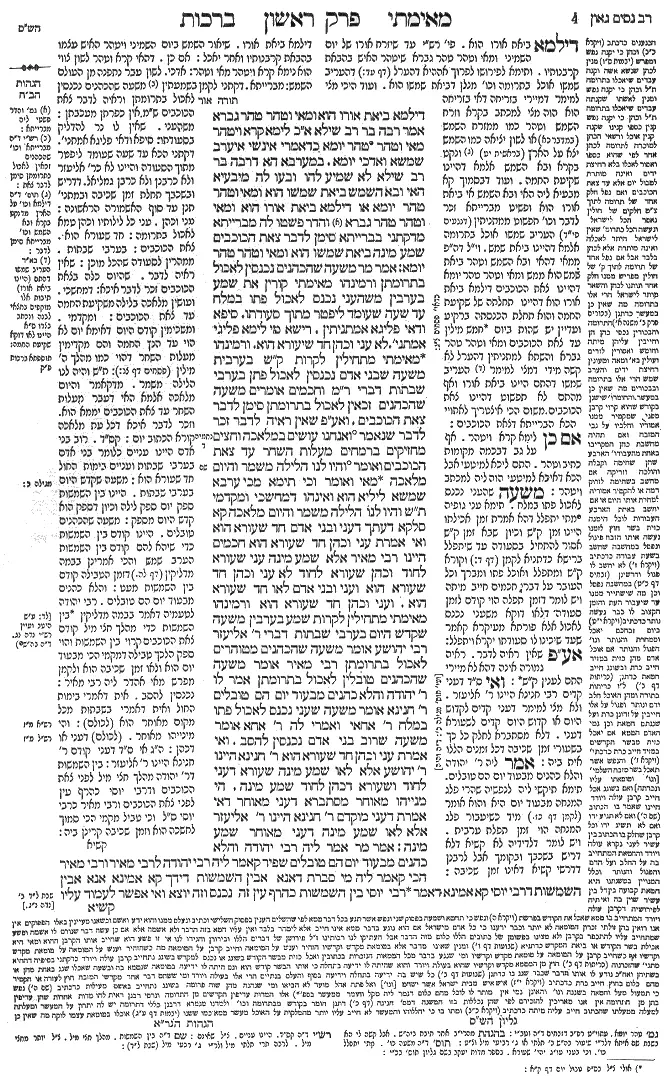
Berakhot 2b - Guemara
דילמא ביאת אורו הוא ומאי וטהר טהר גברא אמר רבה בר רב שילא אם כן לימא קרא ויטהר מאי וטהר טהר יומא כדאמרי אינשי איערב שמשא ואדכי יומא. במערבא הא דרבה בר רב שילא לא שמיע להו ובעו לה מיבעיא האי ובא השמש ביאת שמשו הוא ומאי וטהר טהר יומא או דילמא ביאת אורו הוא ומאי וטהר טהר גברא והדר פשטו לה מברייתא מדקתני בברייתא סימן לדבר צאת הכוכבים שמע מינה ביאת שמשו הוא ומאי וטהר טהר יומא:
אמר מר משעה שהכהנים נכנסין לאכול בתרומתן ורמינהו מאימתי קורין את שמע בערבין משהעני נכנס לאכול פיתו במלח עד שעה שעומד ליפטר מתוך סעודתו. סיפא ודאי פליגא אמתניתין. רישא מי לימא פליגא אמתניתין. לא עני וכהן חד שיעורא הוא. ורמינהו מאימתי מתחילין לקרות קריאת שמע בערבית משעה שבני אדם נכנסין לאכול פתן בערבי שבתות דברי רבי מאיר וחכמים אומרים משעה שהכהנים זכאין לאכול בתרומתן סימן לדבר צאת הכוכבים. ואף על פי שאין ראיה לדבר זכר לדבר שנאמר ואנחנו עושים במלאכה וחצים מחזיקים ברמחים מעלות השחר עד צאת הכוכבים ואומר והיו לנו הלילה משמר והיום מלאכה מאי ואומר וכי תימא מכי ערבא שמשא ליליא הוא ואינהו דמחשכי ומקדמי תא שמע והיו לנו הלילה משמר והיום מלאכה קא סלקא דעתך דעני ובני אדם חד שעורא הוא ואי אמרת עני וכהן חד שעורא הוא חכמים היינו רבי מאיר אלא שמע מינה עני שעורא לחוד וכהן שעורא לחוד לא עני וכהן חד שעורא הוא ועני ובני אדם לאו חד שעורא הוא. ועני וכהן חד שעורא הוא ורמינהו מאימתי מתחילין לקרות שמע בערבין משעה שקדש היום בערבי שבתות דברי רבי אליעזר רבי יהושע אומר משעה שהכהנים מטוהרים לאכול בתרומתן רבי מאיר אומר משעה שהכהנים טובלין לאכול בתרומתן אמר לו ר' יהודה והלא כהנים מבעוד יום הם טובלים ר' חנינא אומר משעה שעני נכנס לאכול פתו במלח ר' אחאי ואמרי לה ר' אחא אומר משעה שרוב בני אדם נכנסין להסב. ואי אמרת עני וכהן חד שעורא הוא ר' חנינא היינו ר' יהושע אלא לאו שמע מינה שעורא דעני לחוד ושעורא דכהן לחוד שמע מינה. הי מנייהו מאוחר מסתברא דעני מאוחר דאי אמרת דעני מוקדם ר' חנינא היינו ר' אליעזר אלא לאו שמע מינה דעני מאוחר שמע מינה:
אמר מר אמר ליה רבי יהודה והלא כהנים מבעוד יום הם טובלים שפיר קאמר ליה רבי יהודה לרבי מאיר ורבי מאיר הכי קאמר ליה מי סברת דאנא אבין השמשות דידך קא אמינא אנא אבין השמשות דרבי יוסי קא אמינא דאמר רבי יוסי בין השמשות כהרף עין זה נכנס וזה יוצא ואי אפשר לעמוד עליו
Comments from Rashi on Masechet Berakhot Page 2b
דילמא ביאת אורו . שיאור השמש ביום השמיני ויטהר האיש עצמו בהבאת קרבנותיו ואחר יאכל: אם כן . דהאי קרא וטהר לשון צווי הוא נימא קרא ויטהר מאי וטהר: אם כן לימא קרא ויטהר . אע"ג דבכמה מקומות כתב 'וטהר', התם ליכא למיטע. אבל הכא דאיכא למיטעי הוה ליה למכתב ויטהר. אדכי . לשון עבר נתפנה מן העולם השמש: מברייתא . דקתני לקמן בשמעתין משעה שהכהנים נכנסין לאכול בתרומתן וראיה לדבר צאת הכוכבים שמע מינה אין כפרתן מעכבתן: משהעני . שאין לו נר להדליק בסעודתו: סיפא ודאי פליגא אמתני' . דקתני הכא עד שעה שעומד ליפטר מתוך הסעודה והיינו לא כרבי אליעזר ולא כרבנן ולא כרבן גמליאל. דדריש ובשכבך תחלת זמן שכיבה ובמתני' תנן עד סוף האשמורה הראשונה: עני וכהן . עני כל לילותיו וכהן טמא לאכול בתרומה: חד שעורא הוא. צאת הכוכבים: בערבי שבתות . ממהרין לסעודה שהכל מוכן: שאין ראיה לדבר . שהיום כלה בצאת הכוכבים זכר לדבר איכא: דמחשכי . ועושין מלאכה בלילה משקיעת החמה עד צאת הכוכבים: ומקדמי . ומשכימין קודם היום דאימא יום לא הוי עד הנץ החמה והם מקדימין מעלות השחר דהוי כמו מהלך ה' מילין (פסחים צג:): תא שמע והיה לנו הלילה משמר . מדקאמר והיום מלאכה אלמא האי דעבר מעלות השחר עד צאת הכוכבים יממא הוא. וזכר לדבר איכא דכל עת מלאכה קורא הכתוב יום: קס"ד . רוב בני אדם היינו עניים כלומר בני אדם בערבי שבתות ועניים בימות החול חד שעורא הוא: משעה שקדש היום בערבי שבתות . היינו בין השמשות ספק יום ספק לילה וכיון דספק הוא קדש היום מספק: משעה שהכהנים טובלים . היינו קודם בין השמשות כדי שיהא להם קודם בין השמשות הערב שמש והכי אמרינן בבמה מדליקין (שבת לה.) דזמן הטבילה קודם בין השמשות מעט: והלא כהנים מבעוד יום הם טובלים . רבי יהודה לטעמיה דאמר בבמה מדליקין בין השמשות כדי מהלך חצי מיל קודם צאת הכוכבים קרוי בין השמשות והוי ספק הלכך טבילה דמקמי הכי מבעוד יום הוא ולאו זמן שכיבה הוא ולקמן מפרש מאי אהדר ליה רבי מאיר: משעה שהעני נכנס לאכול פתו במלח . תימה, עני גופיה מתי יתפלל: דהא אמרת זמן אכילתו, היינו זמן ק"ש, וכיוון שבא זמן ק"ש אסור להתחיל בסעודה עד שיתפלל ברישא, כדתניא לקמן (ברכות דף ד:): "וקורא ק"ש ומתפלל ואוכל פתו ומברך, וכל העובר על דברי חכמים חייב מיתה"! נכנסין להסב . אית דאמרי בימות החול ואית דאמרי בשבתות מכל מקום מאוחר הוא (לכולם): והי מינייהו מאוחר . (לכולם) דעני או דכהן: ה"ג אי ס"ד דעני קודם רבי חנינא היינו רבי אליעזר: בין השמשות דרבי יהודה מהלך חצי מיל לפני צאת הכוכבים ודרבי יוסי כהרף עין לפני צאת הכוכבים ורבי מאיר כרבי יוסי סבר ליה וכי טביל מקמי הכי סמוך לחשכה הוא וזמן שכיבה קרינן ביה:
Comments from Tosafot - Berakhot 2b
דילמא ביאת אורו הוא . פי' רש"י עד שיזרח אורו של יום השמיני ומאי וטהר טהר גברא שיטהר האיש בהבאת קרבנותיו. ותימא לפירושו לפרוך אההיא דהערל (דף עד:) דהעריב שמשו אוכל בתרומה וכו' מנלן דביאת שמשו הוא. ועוד היכי מצי למימר דמיירי בזריחה דאי בזריחה הוא הוה מצי למכתב בקרא וזרח השמש וטהר כמו ממזרח השמש (במדבר כא) או לשון יציאה כמו השמש יצא על הארץ (בראשית יט) ונקט בקרא ובא השמש אלמא דהיינו שקיעת החמה. ועוד דבסמוך קא מבעיא ליה האי ובא השמש אי ביאת אורו הוא ופשיט מברייתא זכר לדבר וכו' תפשוט ממתניתין (דנגעים פי''ד) העריב שמשו אוכל בתרומה אלמא דהיינו ביאת שמש. וי''ל דה''פ ממאי דהאי ובא השמש וטהר ביאת שמש הוא ממש ומאי וטהר טהר יומא דהיינו צאת הכוכבים דילמא ביאת אורו הוא דהיינו תחלתה של שקיעת החמה והוא תחלת הכנסתה ברקיע ועדיין יש שהות ביום חמש מילין עד צאת הכוכבים ומאי וטהר טהר גברא והשתא למתניתין דהערל לא קשה מידי דמצי למימר העריב שמשו דהתם היינו ביאת אורו ואף מהתם לא תפשוט דהיינו צאת הכוכבים. משום הכי איצטריך לאתויי הכא הברייתא דצאת הכוכבים: אם כן לימא קרא ויטהר . אף על גב דבכמה מקומות כתיב וטהר. התם ליכא למיטעי אבל הכא דאיכא למיטעי הוה ליה למכתב ויטהר: משעה שהעני נכנס לאכול פתו במלח . תימא עני גופיה מתי יתפלל דהא אמרת זמן אכילתו היינו זמן ק"ש וכיון שבא זמן ק"ש אסור להתחיל בסעודה עד שיתפלל ברישא כדתניא לקמן (ברכות דף ד:) וקורא ק"ש ומתפלל ואוכל פתו ומברך וכל העובר על דברי חכמים חייב מיתה ויש לומר דזמן תפלה הוי קודם לזמן סעודה דלאו דוקא משעני נכנס לאכול אלא פורתא מעיקרא קאמר שעד שיכינו לו סעודתו יקרא ויתפלל: אע"פ שאין ראיה לדבר . ראיה גמורה אינה דהא לא מיירי התם לענין ק"ש: ואי ס"ד דעני קדים רבי חנינא היינו ר' אליעזר . ולא מצי למימר דעני קדים לקדוש היום או קדוש היום קדים לשעורא דעני. דלא מסתברא לחלק כל כך בשעורי זמן שכיבה דכל זמנים הללו אית ביה: אמר ליה ר' יהודה והלא כהנים מבעוד יום הם טובלים . תימא תיקשי ליה לנפשיה שהרי פלג המנחה מבעוד יום היא והוא אומר (לקמן ברכות דף כז.) מיד כשיעבור פלג המנחה הוי זמן ערבית. ויש לומר דלדידיה לא קשיא דלא דריש בשכבך ובקומך אבל לרבנן דדרשי קשיא דאינו זמן שכיבה:
Berakhot 2b - Mishnah translated into english
The beginning of tractate Berakhot, the first tractate in the first of the six orders of Mishna, opens with a discussion of the recitation of Shema, as the recitation of Shema encompasses an acceptance of the yoke of Heaven and of the mitzvot, and as such, forms the basis for all subsequent teachings. The Mishna opens with the laws regarding the appropriate time to recite Shema:
MISHNA: From when, that is, from what time, does one recite Shema in the evening? From the time when the priests enter to partake of their teruma. Until when does the time for the recitation of the evening Shema extend? Until the end of the first watch. The term used in the Torah (Deuteronomy 6:7) to indicate the time for the recitation of the evening Shema is beshokhbekha, when you lie down, which refers to the time in which individuals go to sleep. Therefore, the time for the recitation of Shema is the first portion of the night, when individuals typically prepare for sleep. That is the statement of Rabbi Eliezer.
The Rabbis say: The time for the recitation of the evening Shema is until midnight.
Rabban Gamliel says: One may recite Shema until dawn, indicating that beshokhbekha is to be understood as a reference to the entire time people sleep in their beds, the whole night.
The mishna relates that Rabban Gamliel practiced in accordance with his ruling. There was an incident where Rabban Gamliel’s sons returned very late from a wedding hall. They said to him, as they had been preoccupied with celebrating with the groom and bride: We did not recite Shema. He said to them: If the dawn has not yet arrived, you are obligated to recite Shema. Since Rabban Gamliel’s opinion disagreed with that of the Rabbis, he explained to his sons that the Rabbis actually agree with him, and that it is not only with regard to the halakha of the recitation of Shema, but rather, wherever the Sages say until midnight, the mitzva may be performed until dawn.
Rabban Gamliel cites several cases in support of his claim, such as the burning of fats and limbs on the altar. Due to the quantity of offerings each day, the priests were often unable to complete the burning of all of the fats and limbs, so they continued to be burned into the night, as it is written: “This is the law of the burnt offering: The burnt offering shall remain upon the pyre on the altar all night until morning, while the fire on the altar burns it” (Leviticus 6:2). And, with regard to all sacrifices, such as the sin-offerings and the guilt-offerings that are eaten for one day and night; although the Sages state that they may be eaten only until midnight, by Torah law they may be eaten until dawn. This is in accordance with the verse: “On the day on which it is offered must you eat. Do not leave it until the morning” (Leviticus 7:15). If so, why did the Sages say that they may be eaten only until midnight? This is in order to distance a person from transgression, as if one believes that he has until dawn to perform the mitzva, he might be negligent and postpone it until the opportunity to perform the mitzva has passed.
GEMARA: The Mishna opens with the laws concerning the appropriate time to recite Shema with the question: From when does one recite Shema in the evening? With regard to this question, the Gemara asks: On the basis of what prior knowledge does the tanna of our mishna ask: From when? It would seem from his question that the obligation to recite Shema in the evening was already established, and that the tanna seeks only to clarify details that relate to it. But our mishna is the very first mishna in the Talmud.
The Gemara asks: And furthermore, what distinguishes the evening Shema, that it was taught first? Let the tanna teach regarding the recitation of the morning Shema first. Since most mitzvot apply during the day, the tanna should discuss the morning Shema before discussing the evening Shema, just as the daily morning offering is discussed before the evening offering (Tosefot HaRosh).
The Gemara offers a single response to both questions: The tanna bases himself on the verse as it is written: “You will talk of them when you sit in your home, and when you walk along the way, when you lie down, and when you arise” (Deuteronomy 6:7). By teaching the laws of the evening Shema first, the tanna has established that the teachings of the Oral Torah correspond to that which is taught in the Written Torah. And based on the Written Torah, the tanna teaches the oral law: When is the time for the recitation of Shema of lying down as commanded in the Torah? From when the priests enter to partake of their teruma. Just as the Written Torah begins with the evening Shema, so too must the Oral Torah.
However, there is another possible explanation for why the mishna opens with the evening Shema rather than with the morning Shema. If you wish, you could say instead that the tanna derives the precedence of the evening Shema from the order of the creation of the world. As it is written in the story of creation: “And there was evening, and there was morning, one day” (Genesis 1:5). According to this verse, day begins with the evening and not the morning. For both of these reasons it was appropriate to open the discussion of the laws of the recitation of Shema with the evening Shema.
The Gemara asks: If so, why does the latter clause of the mishna, which appears later in the chapter, teach: In the morning one recites two blessings before Shema and one blessing afterward, and in the evening one recites two blessings before Shema and two afterward? Based upon the above reasoning, the mishna should have taught the blessing recited before and after the evening Shema first.
The Gemara answers: Indeed, the tanna began by discussing the laws regarding the recitation of the evening Shema, and then taught the laws regarding the recitation of the morning Shema. Once he was already dealing with the morning Shema, he explained the matters of the morning Shema, and then explained the matters of the evening Shema.
The Gemara proceeds to clarify the rest of the mishna. The Master said in the mishna that the beginning of the period when one recites Shema in the evening is when the priests enter to partake of their teruma. However, this does not specify a definitive time. When do the priests enter to partake of their teruma? From the time of the emergence of the stars. If that is the case, then let the tanna teach that the time for the recitation of the evening Shema is from the time of the emergence of the stars.
The Gemara responds: Indeed it would have been simpler to say that the time for the recitation of the evening Shema begins with the emergence of the stars, but the particular expression used by the tanna teaches us another matter in passing: When do priests partake of their teruma? From the time of the emergence of the stars. And the tanna teaches us a new halakha parenthetically: failure to bring an atonement offering does not prevent a priest from eating teruma. In cases where an impure priest is required to immerse himself in a ritual bath and bring an atonement offering, even if he already immersed himself, he is not completely ritually pure until he brings the atonement offering. Nevertheless, he is still permitted to partake of teruma. Taught in passing in our mishna, this is articulated fully in a baraita, based on a close reading of the biblical passages. As it was taught in a baraita with regard to the laws of ritual impurity, it is said: “One who touches it remains impure until evening. He should not eat of the consecrated items and he must wash his flesh with water. And the sun sets and it is purified. Afterwards, he may eat from the teruma, for it is his bread” (Leviticus 22:6–7). From the passage: “And the sun sets and it is purified,” that the absence of the setting of his sun prevents him from partaking of teruma, but failure to bring the atonement offering does not prevent him from partaking of teruma, may be inferred.
The Gemara discusses the proof offered in the baraita: From where do we know that the phrase: “And the sun sets” refers to the complete setting of the sun, and therefore, “and it is purified” refers to the fact that the day is pure, i.e., and the sun sets and it is purified is one phrase meaning that the sun will set, the air will clear, and the stars will emerge (Rav Hai Gaon)?
Traduction : The William Davidson digital edition of the Koren Noé Talmud, with commentary by Rabbi Adin Even-Israel Steinsaltz.