 Talmud Bavli
No video class on this page yet.
To add a video to this page please click here.Niddah Page 10b
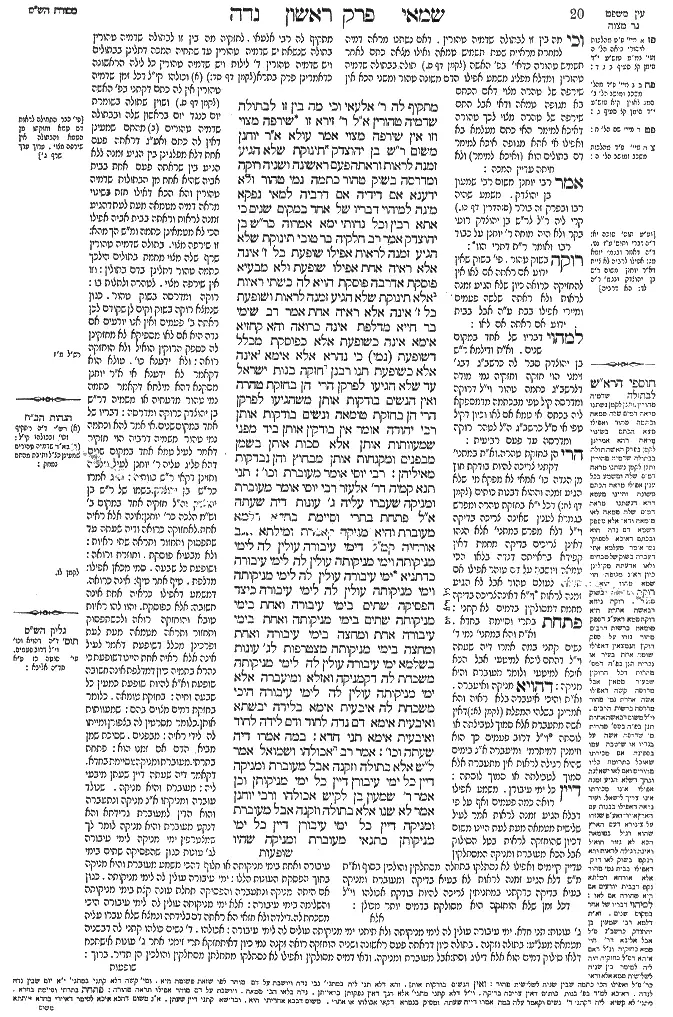
Niddah 10b - Guemara
מתקיף לה ר' אלעאי וכי מה בין זו לבתולה שדמיה טהורין א"ל ר' זירא זו שירפה מצוי וזו אין שירפה מצוי אמר עולא א"ר יוחנן משום ר"ש בן יהוצדק תינוקת שלא הגיע זמנה לראות וראתה פעם ראשונה ושניה רוקה ומדרסה בשוק טהור כתמה נמי טהור ולא ידענא אם דידיה אם דרביה למאי נפקא מינה למיהוי דבריו של אחד במקום שנים כי אתא רבין וכל נחותי ימא אמרוה כר"ש בן יהוצדק אמר רב חלקיה בר טובי תינוקת שלא הגיע זמנה לראות אפילו שופעת כל ז' אינה אלא ראיה אחת אפילו שופעת ולא מבעיא פוסקת אדרבה פוסקת הויא לה כשתי ראיות אלא תינוקת שלא הגיע זמנה לראות ושופעת כל ז' אינה אלא ראיה אחת אמר רב שימי בר חייא מדלפת אינה כרואה והא קחזיא אימא אינה כשופעת אלא כפוסקת מכלל דשופעת (נמי) כי נהרא אלא אימא אינה אלא כשופעת תנו רבנן חזקה בנות ישראל עד שלא הגיעו לפרקן הרי הן בחזקת טהרה ואין הנשים בודקות אותן משהגיעו לפרקן הרי הן בחזקת טומאה ונשים בודקות אותן רבי יהודה אומר אין בודקין אותן ביד מפני שמעוותות אותן אלא סכות אותן בשמן מבפנים ומקנחות אותן מבחוץ והן נבדקות מאיליהן רבי יוסי אומר מעוברת וכו' תני תנא קמיה דר' אלעזר רבי יוסי אומר מעוברת ומניקה שעברו עליה ג' עונות דיה שעתה א"ל פתחת בתרי וסיימת בחדא דלמא מעוברת והיא מניקה קאמרת ומילתא אגב אורחיה קמ"ל דימי עיבורה עולין לה לימי מניקותה וימי מניקותה עולין לה לימי עיבורה כדתניא ימי עיבורה עולין לה לימי מניקותה וימי מניקותה עולין לה לימי עיבורה כיצד הפסיקה שתים בימי עיבורה ואחת בימי מניקותה שתים בימי מניקותה ואחת בימי עיבורה אחת ומחצה בימי עיבורה ואחת ומחצה בימי מניקותה מצטרפות לג' עונות בשלמא ימי עיבורה עולין לה לימי מניקותה משכחת לה דקמניקה ואזלא ומיעברה אלא ימי מניקותה עולין לה לימי עיבורה היכי משכחת לה איבעית אימא בלידה יבשתא ואיבעית אימא דם נדה לחוד ודם לידה לחוד ואיבעית אימא תני חדא במה אמרו דיה שעתה וכו' אמר רב אכולהו ושמואל אמר ל"ש אלא בתולה וזקנה אבל מעוברת ומניקה דיין כל ימי עיבורן דיין כל ימי מניקותן וכן אמר ר' שמעון בן לקיש אכולהו ורבי יוחנן אמר לא שנו אלא בתולה וזקנה אבל מעוברת ומניקה דיין כל ימי עיבורן דיין כל ימי מניקותן כתנאי מעוברת ומניקה שהיו
Comments from Rashi on Masechet Niddah Page 10b
מתקיף לה רבי אלעאי . לחזקיה מה בין זו לבתולה שדמיה טהורין בתולה שנשאת יש שדמיה טהורין עד שתחיה המכה דתלינן בבתולים ויש שדמיה טהורין ד' לילות ויש שדמיה טהורין כל לילה הראשונה כדאמרינן פרק בתרא (לקמן נדה דף סד:) וכולהו קי"ל דכל זמן שדמיה טהורין אין לה כתם דקתני בפ' האשה (לקמן נדה דף ס.) ושוין שתולה בשומרת יום כנגד יום בראשון שלה ובבתולה שדמיה טהורים מהתם שמעינן דאין לה כתם ואע"ג דראתה פעם אחת דלא מפלגינן בין הגיע זמנה ללא הגיע בין שראתה פעם אחת בבית אביה שהיא אחת מן הבתולות שדמיה טהורין והא הכא דאילו חזת בשינוי מראה דמיה מטמאה מעת לעת דהגיע זמנה לראות וראתה בבית אביה אפילו הכי לא מטמאינן כתמה ומ"ש הך מהא: זו שירפה מצוי . בתולה שדמיה טהורין שרף שלה מצוי מחמת בתולים הילכך כתמה טהור דתלינן בדם בתולין: וזו אין שירפה מצוי . לטהרה ולתלות בו: רוקה ומדרסה בשוק טהור . כגון שנמצא רוקה בשוק וקים לן שקודם לכן ראתה ב' פעמים ואין אנו יודעים אם נדה היא אם לאו מספיקא לא מחזקינן לה כספק הרוקין הואיל ולא הוחזקה רואה: ולא ידענא כו' . עולא הוא דקאמר לא ידענא אי א"ר יוחנן מסקנא דהא מילתא דקאמר כתמה נמי טהור מדעתיה או משמיה דר"ש בן יהוצדק כרוקה ומדרסה: דבריו של אחד במקום שנים . אי אמר להא וכתמה נמי טהור משמיה דרביה הוי חזקיה דאמר לעיל טמא אחד במקום שנים דהא פליג עליה ר' יוחנן לעיל מלביה וחזינן דקאי ר"ש כוותיה: ה"ג אמרו כר"ש בן יהוצדק . בשמו של ר"ש בן יהוצדק וה"ל חזקיה אחד במקום ב' וש"מ הלכה כר' יוחנן: אינה אלא ראיה אחת . לאחזוקה כרואה ודיה שעתה עד שתפסוק ותחזור ותראה שתי ראיות: ולא מבעיא פוסקת . וחוזרת ורואה: ושופעת כל שבעה . סמי מכאן אפילו: מדלפת . טיף אחר טיף: אינה כרואה . דמשמע דאפילו כראיה אחת אינה חשובה: אלא כפוסקת . והוו להו ראיות טובא והוחזקה רואה ולכשתפסוק ותחזור ותראה מטמאה מעת לעת. ופרכינן מכלל דשופעת דאמר לעיל אינה אלא ראיה אחת היינו דשופעת כי נהרא בתמיה כיון דמדלפת אינה חשובה שופעת וא"א להיות שופעת כמעין כל שבעה וחיה: בחזקת טומאה . כלומר בחזקת דמים מצוים בהם: שמעוותות אותן . כלומר מסרטין לה בצפורן ומייתו לה לידי ראיה: מבפנים . שסיכת שמן מביא הדם אם זמנו הוא: פתחת בתרתי . מעוברת ומניקה: וסיימת בחדא . דקאמר דיה שעתה דיין שעתן מיבעי ליה: מעוברת והיא מניקה . שנולד עוברה ומניקתו א"נ מניקה ונתעברה והוא הדין למעוברת גרידתא והא דנקט מעוברת והיא מניקה לומר לך שמצטרפין ימי מניקה לימי עיבורה לג' עונות כגון שהפסיקה שתים בימי עיבורה ואחת בימי מניקותה או חלוף דהכי משמע מעוברת והיא מניקה בתוך הפסקת העונות הללו: ימי עיבורה עולין לה לימי מניקותה . כגון אם היתה מניקה ונתעברה והפסיקה תחלת עונה קצת בימי מניקותה והשלימה בימי עיבורה: אלא ימי מניקותה עולין לה לימי עיבורה היכי משכחת לה . דילדה ולא חזאי הא ראתה דם בלידתה ונמצא שלא עברו עליה ג' עונות: תני חדא . ימי עיבורה עולין לה לימי מניקותה ולא תיתני ימי מניקותה עולים לה לימי עיבורה: אכולהו . ד' נשים כולהו קתני לה דבשניה מטמאה מעל"ע: בתולה וזקנה . בתולה כיון דראתה פעם ראשונה ושניה הוחזקה רואה. זקנה נמי כיון דאיתחזקא תרי זימני אחר ג' עונות אישתכח דלאו סילוק דמים הוא אלא דילוג וסת: אבל מעוברת ומניקה . ודאי דמיה מסולקין ואפילו לא נסתלקו מתחלתן מסתלקין והולכין הן תדיר. ברוך:
Comments from Tosafot - Niddah 10b
וכי מה בין זו לבתולה שדמיה טהורין. דאם נשתנו מראה דמיה למחרת מראיית שעת תשמיש טמאה ואילו מצאה כתם לאחר תשמיש טהורה כדאי' בפ' האשה (לקמן נדה דף ס.) תולה בבתולה שדמיה טהורין ומדלא מפליג משמע אפילו הדם משונה טהור ומשני הכא אין שירפה של טהרה מצוי דאם הכתם בא מגופה טמאה ודאי אבל התם שירפה של טהרה מצוי לכך טהורה דאיכא למימר האי כתם מעלמא בא ואפילו אי אתא מגופה איכא למימר דם בתולים הוא (ואיכא למימר) ולא חיתה עדיין המכה: אמר רבי יוחנן משום רבי שמעון בן יהוצדק. משמע שהיה רבו ובפרק זה בורר (סנהדרין דף כו.) קרי ליה ר"ל לר"ש בן יהוצדק רועי בקר ולא היה מוחה ר' יוחנן על כבוד רבו ואומר ר"ת דתרי הוו: רוקה בשוק טהור. פי' בשוק שאין ידוע אם ראתה אם לאו אין להחזיקה כרואה כיון שלא הגיע זמנה לראות ולא ראתה שלשה פעמים ומיירי אפילו בבת ע"ה אבל בבית ידוע אם ראתה אם לאו: למהוי דבריו של אחד במקום שנים. וא"ת ודילמא ר"ש בן יהוצדק סבר לה כרשב"ג דבג' זימני הוי חזקה וחזקיה נמי מודה דלרשב"ג כתמה טהור וי"ל דרוקה ומדרסה קיל טפי מבכתמה מדמספקא ליה בכתם אי טמא אם לאו וכיון דקיל טפי אי ס"ל כרשב"ג ה"ל לטהר רוקה ומדרסה עד פעם רביעית: הרי הן בחזקת טהרה. וא"ת במתני' דקתני צריכה להיות בודקת חוץ מן הנדה כו' אמאי לא מפקא מי שלא הגיע זמנה וההוא דבנות כותים (לקמן נדה דף לח:) דכל י"א בחזקת טהרה ומפרש בגמרא לענין שאינה צריכה בדיקה וי"ל דלא מפרש במתני' אלא הנהו דאינן צריכים בדיקה מחמת דאין קפידא בראייתם דנדה בלאו הכי טמאה ויושבת על דם טוהר אפילו אם תראה לעולם טהור אבל לא הגיע זמנה לראות וי"א דאינה צריכה בדיקה מחמת דמסולקין בדמים לא קתני: פתחת בתרי וסיימת בחדא. וא"ת והא במתני' נמי ד' נשים קתני במה אמרו דיה שעתה וי"ל דהתם ליכא למיטעי אבל הכא איכא למיטעי ולומר מעוברת והיא מניקה: דהויא מניקה ואיעברה. וא"ת והיכי איעברה בלא ראיה והא אמרינן בשלהי המפלת (לקמן נדה לא:) דאין אשה מתעברת אלא סמוך לטבילתה או לוסתה וי"ל דרוב פעמים כך הוא וזימנין דמיתרמי ומיעברה א"נ בימים שהיא רגילה לראות אין מתעברת אלא סמוך לטבילתה או סמוך לוסתה: דיין כל ימי עיבורן. משמע אפילו רואה כמה פעמים ואף על פי דבלא הגיע זמנה לראות אמר לעיל שלישית מטמאה מעת לעת היינו משום דכיון שהוחזקה לראות בטל הסילוק אבל הכא מעוברת ומניקה המסתלקין עדיין קיימים ואפילו לא נסתלקו בתחלה מסתלקין והולכין בסוף וא"ת מ"ש דלא הגיע זמנה לראות לא בעיא בדיקה ומעוברת ומניקה בעיא בדיקה כדקתני במתניתין צריכה להיות בודקת אכולהו וי"ל דכל זמן שלא הוחזקה היא מסולקת בדמים יותר מכולן:
Niddah 10b - Mishnah translated into english
Rabbi Ilai objects to this ruling of Ḥizkiyya: And what is the difference between this case of a girl who has not yet started menstruating and a recently married menstrual virgin whose stain is deemed pure for as long as her blood is pure, since the stain is presumed to be from her torn hymen? Rabbi Zeira said to him: With regard to this menstrual virgin, her secretion [sirfah] is common, i.e., blood from her torn hymen is normally found during this period. Therefore, any blood stain that is found is also assumed to be from her hymen. But in the case of this young girl, her secretion is not common. Therefore, if a blood stain is found, it is assumed to be menstrual blood.
§ Ulla says that Rabbi Yoḥanan says in the name of Rabbi Shimon ben Yehotzadak: With regard to a young girl whose time to see the flow of menstrual blood has not arrived and she saw menstrual blood one time and then a second time, but not the third time that would render her a woman who regularly sees menstrual blood, her saliva and her garment that she treads upon that are found in the marketplace are pure if we do not know whether she has menstruated. Likewise, her blood stain is also pure. Ulla added: And I do not know if this ruling with regard to the stain is merely Rabbi Yoḥanan’s own conclusion or if that is also part of the opinion of his teacher.
The Gemara asks: What difference is there? That is, what does it matter who said it? The Gemara explains: It makes a difference for it to be considered the statement of one Sage in the place of two dissenting opinions. As stated above, Ḥizkiyya disagrees with this ruling and maintains that a young girl’s blood stain is impure after she sees menstrual blood twice. If this statement is both Rabbi Shimon ben Yehotzadak’s opinion and that of Rabbi Yoḥanan, then Ḥizkiyya’s ruling is opposed by two Sages, which means that his is a minority opinion. If it is Rabbi Yoḥanan’s opinion alone, then the two sides are equal, with one Sage maintaining each opinion.
When Ravin came from Eretz Yisrael to Babylonia along with all the seafarers [naḥotei yamma], they stated this ruling as the statement of Rabbi Shimon ben Yehotzadak. If so, Rabbi Yoḥanan was relating his own opinion, which echoed that of his teacher, Rabbi Shimon ben Yehotzadak, and therefore the halakha is in accordance with this majority opinion.
§ Rav Ḥilkiya bar Tovi says: With regard to a young girl whose time to see menstrual blood has not arrived, even if she continuously discharges menstrual blood for all seven days of a typical menstrual period, it is considered as only one sighting of blood and she remains in the category of one who lacks blood until she sees menstrual blood twice more. The Gemara asks: Why did Rav Ḥilkiya bar Tovi stress: Even if she continuously discharges menstrual blood, which indicates that it is not necessary to teach that this is the halakha if she stops seeing a discharge and then starts again? On the contrary, if she stops and restarts it is as though she has had two sightings of menstrual blood.
The Gemara answers: Rather, this is what Rav Ḥilkiya bar Tovi meant: With regard to a young girl whose time to see menstrual blood has not arrived, and she then continuously discharges menstrual blood for all seven days of a typical menstrual period, it is considered as only one sighting of blood. In other words, he did not state the word: Even.
Rav Shimi bar Ḥiyya says: The case of woman who constantly drips menstrual blood is not considered like a full sighting of blood. The Gemara expresses surprise at this claim: But she saw blood. The Gemara answers: Say that what Rav Shimi bar Ḥiyya meant was that she is not considered like one who continuously discharges blood, but rather like one who stops and starts again, even if she drips constantly.
The Gemara raises a difficulty: From the fact that Rav Shimi bar Ḥiyya claims that a different halakha applies to a woman who constantly drips menstrual blood, it can be inferred that the blood of one who continuously discharges menstrual blood streams like a river for seven days. But this is physically impossible. The Gemara explains: Rather, say that Rav Shimi bar Ḥiyya meant that the status of a woman who constantly drips menstrual blood is nothing other than the status of a woman who continuously discharges blood. In both cases, it is all considered as one sighting.
§ The Sages taught in a baraita: The presumption with regard to the daughters of Israel is that until they have reached their physical maturity they have the presumptive status of ritual purity, and adult women do not need to examine them to check if they are ritually pure before they handle consecrated items or teruma. Once they have reached their physical maturity, they have the presumptive status of ritual impurity, due to the possibility of an unnoticed menstrual discharge, and if they are still minors, adult women must examine them to check if they are ritually pure.
Rabbi Yehuda says: They should not examine them by hand, because that is likely to scratch them and ruin their status, as it will be assumed that they are ritually impure with menstrual blood. Rather, they should smear them with oil inside and wipe them off on the outside. And through this method they are automatically examined, i.e., if at that age they are ready to menstruate, the oil will cause the blood to flow.
§ The mishna teaches that Rabbi Yosei says: With regard to a pregnant woman and a nursing woman for whom three expected menstrual cycles passed during which they saw no menstrual blood, if she then saw blood, her time is sufficient. A tanna taught a baraita before Rabbi Elazar: Rabbi Yosei says: With regard to a pregnant woman and a nursing woman for whom three expected menstrual cycles passed during which they saw no menstrual blood, if she then experienced bleeding her time is sufficient. Rabbi Elazar said to him: The structure of your baraita is inconsistent. You opened with two categories of women: A pregnant woman and a nursing woman, and you ended your quote with one, as you concluded in the singular form: Her time is sufficient.
Rabbi Elazar continued: Perhaps you are saying that this is a case of a pregnant woman who was also nursing. And if so, the baraita teaches us a matter in passing, that with regard to tallying three menstrual cycles in which she saw no menstrual blood, her days of pregnancy count toward, i.e., combine with, her days of nursing and her days of nursing count toward her days of pregnancy. As it is taught in a baraita: Her days of pregnancy count toward her days of nursing and her days of nursing count toward her days of pregnancy.
The baraita continues: How so? If a woman stopped seeing menstrual blood for two expected menstrual cycles during her days of pregnancy and then for one more cycle during her days of nursing, or she passed two expected menstrual cycles during her days of nursing and one more during her days of pregnancy, or one and a half cycles during her days of pregnancy and one and a half cycles during her days of nursing, in all these cases the missed cycles spanning her pregnancy and nursing combine to a total of three missed cycles, and therefore her time is sufficient.
The Gemara asks: Granted, with regard to the claim that her days of pregnancy count toward her days of nursing, you can find it in a case where she was nursing continuously and then she became pregnant. But the scenario mentioned in the baraita where her days of nursing count toward her days of pregnancy, how can you find these circumstances? Since she certainly experienced bleeding when she gave birth, how can there be three consecutive menstrual cycles where she did not experience any discharge of blood?
The Gemara provides several answers: If you wish, say that it is referring to a case of a dry birth, i.e., one without any discharge of blood. Or, if you wish, say: The blood of a menstruating woman is discrete and the blood seen during birth is discrete. Blood seen during birth does not disrupt the count of menstrual cycles during which a woman does not see menstrual blood. Therefore, the cycles before and after the birth combine to form the requisite three cycles according to Rabbi Eliezer. Or, if you wish, say: Teach only one of these scenarios. In other words, teach only the case where the days of pregnancy count toward the days of nursing, but not the case where the days of nursing count toward the days of pregnancy.
§ The mishna teaches: And with regard to what did they say that her time is sufficient? It is with regard to the first sighting of blood. But with regard to the second sighting, her status is like that of any other woman and she transmits impurity for a twenty-four-hour period or from her last examination. The Gemara inquires concerning which case this clause is referring to. Rav says: This qualification is stated with regard to all of them, i.e., all four cases of the mishna: The menstrual virgin, the elderly woman, the pregnant woman, and the nursing woman.
And Shmuel says: They taught it only with regard to a menstrual virgin and an elderly woman. But in the case of a pregnant woman and a nursing woman, their time is sufficient for all their days of pregnancy and their time is sufficient for all their days of nursing.
The Gemara notes that another pair of Sages had the same dispute. And similarly, Rabbi Shimon ben Lakish says: This qualification applies to all of them; and Rabbi Yoḥanan says: They taught it only with regard to a menstrual virgin and an elderly woman. But in the case of a pregnant woman and a nursing woman, their time is sufficient for all their days of pregnancy and their time is sufficient for all their days of nursing. The Gemara suggests: This is like a dispute between tanna’im in the following baraita: With regard to a pregnant woman and a nursing woman who were
Traduction : The William Davidson digital edition of the Koren Noé Talmud, with commentary by Rabbi Adin Even-Israel Steinsaltz.