 Talmud Bavli
Sukkah 7b : Youtube
Daf TubeYoutube
3 video classes :
Sukkah Page 7b
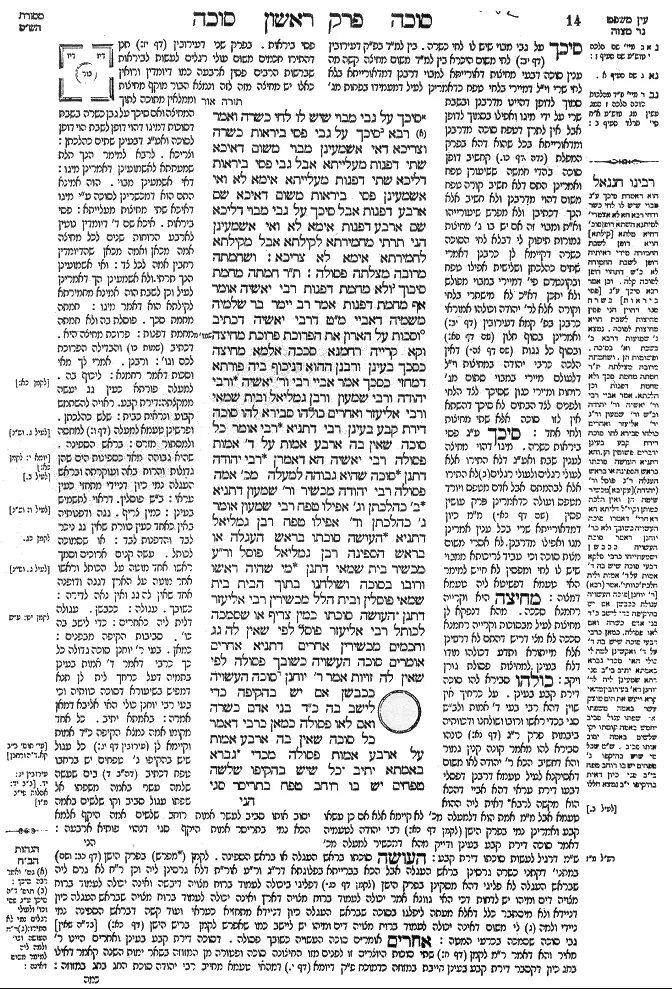
Sukkah 7b - Guemara
סיכך על גבי מבוי שיש לו לחי כשרה ואמר רבא סיכך על גבי פסי ביראות כשרה וצריכא דאי אשמעינן מבוי משום דאיכא שתי דפנות מעלייתא אבל גבי פסי ביראות דליכא שתי דפנות מעלייתא אימא לא ואי אשמעינן פסי ביראות משום דאיכא שם ארבע דפנות אבל סיכך על גבי מבוי דליכא שם ארבע דפנות אימא לא ואי אשמעינן הני תרתי מחמירתא לקילתא אבל מקילתא לחמירתא אימא לא צריכא:
ושחמתה מרובה מצלתה פסולה:
ת"ר חמתה מחמת סיכוך ולא מחמת דפנות רבי יאשיה אומר אף מחמת דפנות אמר רב יימר בר שלמיה משמיה דאביי מ"ט דרבי יאשיה דכתיב (שמות מ, ג) וסכות על הארון את הפרוכת פרוכת מחיצה וקא קרייה רחמנא סככה אלמא מחיצה כסכך בעינן ורבנן ההוא דניכוף ביה פורתא דמחזי כסכך אמר אביי רבי ור' יאשיה ורבי יהודה ורבי שמעון ורבן גמליאל ובית שמאי ורבי אליעזר ואחרים כולהו סבירא להו סוכה דירת קבע בעינן רבי דתניא רבי אומר כל סוכה שאין בה ארבע אמות על ד' אמות פסולה רבי יאשיה הא דאמרן רבי יהודה דתנן סוכה שהיא גבוהה למעלה מכ' אמה פסולה רבי יהודה מכשיר ור' שמעון דתניא ב' כהלכתן וג' אפילו טפח רבי שמעון אומר ג' כהלכתן וד' אפילו טפח רבן גמליאל דתניא העושה סוכתו בראש העגלה או בראש הספינה רבן גמליאל פוסל ור"ע מכשיר בית שמאי דתנן מי שהיה ראשו ורובו בסוכה ושולחנו בתוך הבית בית שמאי פוסלין ובית הלל מכשירין רבי אליעזר דתנן העושה סוכתו כמין צריף או שסמכה לכותל רבי אליעזר פוסל לפי שאין לה גג וחכמים מכשירין אחרים דתניא אחרים אומרים סוכה העשויה כשובך פסולה לפי שאין לה זויות אמר ר' יוחנן סוכה העשויה ככבשן אם יש בהקיפה כדי לישב בה כ"ד בני אדם כשרה ואם לאו פסולה כמאן כרבי דאמר כל סוכה שאין בה ארבע אמות על ארבע אמות פסולה מכדי גברא באמתא יתיב כל שיש בהקיפו שלשה טפחים יש בו רוחב טפח בתריסר סגי
Comments from Rashi on Masechet Sukkah Page 7b
פסי ביראות . בפרק שני דעירובין (דף יז:) תנן דהתירו חכמים משום עולי רגלים לעשות לביראות שברשות הרבים פסין ארבעה כמו דיומדין  ורואין כאלו יש מחיצה מזה לזה ונמצא הבור מוקף מחיצות וממלאין מתוכה לתוך המחיצה ואם סיכך על גבן כשרה בשבת דסוכות דמיגו דהוי דופן לשבת הוי דופן לסוכה ואע"ג דבעינן שתים כהלכתן: וצריכא . לרבא למימר הנך תלת שמעתתא לאשמועינן דאמרינן מיגו: דאי אשמעינן מבוי . הוה אמינא התם הוא דמכשרינן לסוכה ע"י מיגו דאיכא שתי מחיצות מעלייתא: פסי ביראות . איכא שם ד' דיומדין נוטין לארבע הרוחות שנים לכל מחיצה אמה מכאן ואמה מכאן שהדיומדין רחבין אמה לכל צד: ואי אשמועינן הנך תרתי . ולא אשמעינן הך דאמרינן לעיל וכן לשבת הוה אמינא מחמירתא לקילתא הוא דאמר מיגו: חמתה מחמת סכך . פוסלת בה ולא חמתה מחמת דפנות: פרוכת מחיצה היא . דכתיב (שמות כו) והבדילה הפרוכת לכם וגו': ורבנן . אמרי לך מאי וסכות דאמר רחמנא: ליכוף בה . למעלה פורתא כעין גג יעשה ממקצתה: דירת קבע . ראויה להשתמש קבוע ונראית כבית: שלש כהלכתן . ופרשינן טעמא למעלה (דף ו:) למחסה ולמסתור מזרם: בראש הספינה . שהיא גבוהה מאד כספינות הים שהן גדולות והרוח באה ועוקרתה ובראש העגלה נמי כיון דניידי מתחזי כעין עראי: ב"ש פוסלין . דראוי לתשמיש בעינן: כמין צריף . גגה ודפנותיה באין כאחד כעין כוורת שאין גג ניכר לבד והדפנות לבד: או שסמוכה לכותל . עשה קנים ארוכים וסמך ראשו אחד מוטה על הכותל וראשו אחר מוטה על הארץ דגגה ודופנה אחד שאין לה גג ואין נאה לדירה: כשובך . עגולה: ככבשן . עגולה דלית ליה כאחרים: כדי לישב בה כו' . סביבות הקיפה מבפנים: כמאן . בעי ר' יוחנן סוכה גדולה כל כך כרבי דאמר ד' אמות בעינן בתמיה דעל כרחך לית לן תנא דמפיש בשיעורא דסוכה כוותיה וכי בעי רבי יוחנן כולי האי אליבא דמאן אמרה: באמתא יתיב . כל אחד מקומו אמה נמצא הקיפה כ"ד אמות וקיימא לן (עירובין דף יג:) כל עגול שיש בהקיפו ג' טפחים יש ברחבו טפח דכתיב (דברי הימים ב ד) בים שעשה שלמה עשר באמה משפתו אל שפתו עגול סביב וקו שלשים באמה יסוב אותו סביב לעשר אמות רוחב שלשים אמה היקף אלמא הכא נמי בתריסר אמות היקף סגי דנהוי פותיא ארבעה:
Comments from Tosafot - Sukkah 7b
סיכך על גבי מבוי שיש לו לחי כשרה. בין למ"ד בפ"ק דעירובין (דף יב:) לחי משום היכרא בין למ"ד משום מחיצה קשה מה ענין סוכה דבעי מחיצות דאורייתא למבוי דרבנן דמדאורייתא בלא לחי שרי וי"ל דמיירי בלחי טפח כדאמרינן לעיל דמעמידו בפחות מג' סמוך לדופן דהיינו מדרבנן ובשבת שרי על ידי מיגו ואפילו בסמוך לדופן אבל אין לתרץ דטפח סוכה מדרבנן ומדאורייתא בכל שהוא דהא בפרק המפלת (נדה דף כו.) קחשיב דופן סוכה בהדי חמשה ששיעורן טפח ואמרינן התם דלא חשיב קורה טפח משום דהוי מדרבנן ולא חשיב אלא הנך דכתיבן ולא מפרש שיעורייהו וא"ת ומבוי זה אם יש בו ג' מחיצות גמורות תיפוק לי דבלא לחי הסוכה כשרה דקיימא לן כרבנן דאמרי שתים כהלכתן ושלישית אפילו טפח ובקונטרס פי' דמיירי במבוי מפולש ולא יתכן דא"כ לא מישתרי בלחי וקורה אלא לר' יהודה וכולהו אמוראי כרבנן בפ' קמא דעירובין (דף יב:) ואמרינן בסוף חלון (שם דף פא:) ובסוף כל גגות (שם דף צה.) דאין הלכה כרבי יהודה במחיצות וי"ל דלעולם מיירי במבוי סתום מג' רוחות ומיירי כגון שסיכך לצד הלחי ולפנים לצד הבתים לא סיכך דהשתא אין לזו סוכה אלא שתי מחיצות ולחי אחד: סיכך ע"ג פסי ביראות כשרה. מיגו דהוי מחיצה לענין שבת ואע"ג דלא התירו אלא לעולי רגלים ולעולי רגלים לא התירו אלא לבהמתם אבל אדם מטפס ויורד מטפס ועולה כדאמרינן פרק עושין פסין (שם דף כא.) מ"מ כיון דמדאורייתא שרי בכל ענין אמרינן מגו ואפילו מדרבנן לא אסרי משום מצות סוכה וכי עביד צריכותא ממבוי שיש לו לחי ומפסין לא חייש למימר האי טעמא דפשיטא ליה טעמא דמצוה: מחיצה היא וקרייה רחמנא סככה. מהא דנפקא לן מחיצות לעיל מבסוכות וקרייה רחמנא סככה לא מצי דריש דהתם לא דרשינן אלא מייתורא ותדע דכולהו מודו דלא בעינן למחיצות פסולת גורן ויקב: כולהו סבירא להו סוכה דירת קבע בעינן. על כרחיך אין שוין דהא רבי בעי ד' אמות ולב"ש סגי בכדי ראשו ורובו ושולחנו ודכוותיה ביבמות פרק ר"ג (דף נא:) כולהו סבירא להו מאמר קונה קנין גמור והא דחשיב הכא ר' יהודה לאו משום דאסיקנא לעיל טעמא דרבנן דפסלי דבעו דירת עראי דהא אביי דהכא הוא מקשה לרבא דאית ליה ההוא טעמא אבל מ"מ אמת הוא דלמעלה מכ' לא קיימא אלא אם כן עשאו קבע ואמרינן נמי בפרק הישן (לקמן סוכה דף כא:) רבי יהודה לטעמיה דאמר סוכה דירת קבע בעינן ודייק מהא דמכשיר למעלה מכ' ש"מ דרגיל לעשות סוכתו דירת קבע: העושה סוכתו בראש העגלה או בראש הספינה. לקמן (מפרש) בפרק הישן (דף בב: ושם) במתני' דקתני כשרה גרסינן בראש העגלה אבל הכא בברייתא בפלוגתא דר"ג ור"ע אור"ת דלא גרסינן ליה וכן ר"ח לא גרס ליה שבראש העגלה לא פליגי דהא מסקינן בפרק הישן (לקמן סוכה דף כג.) דפליגי ביכולה לעמוד ברוח מצויה דיבשה ואינה יכולה לעמוד ברוח מצויה דים ומיהו יש לדחות דכי האי גוונא אמר יכולה לעמוד ברוח מצויה דארץ ואינה יכולה לעמוד ברוח מצויה שבראש העגלה כיון דניידא ולא מיסתבר כלל דאלא מעתה ליפלגו בסוכה שבראש העגלה כיון דניידא מתחזיא כעראי ועוד קשה דבראש הספינה נמי ניידי ולמה לי משום דאינה יכולה לעמוד ברוח מצויה דים ומיהו יש ליישב כמו שאפרש לקמן בריש הישן (דף כא:) [בד"ה שאין] גבי סוכה שסמכה בכרעי המטה: אחרים אומרים סוכה העשויה כשובך פסולה. דסוכה דירת קבע בעינן ואחרים היינו ר' מאיר והא דאמר ר"מ לקמן (סוכה דף ח:) שתי סוכות היוצרים זו לפנים מזו החיצונה סוכה ופטורה מן המזוזה בשאר ימות השנה קאמר דאילו בחג כיון דקסבר דירת קבע בעינן חייבת במזוזה כדמוכח פ"ק דיומא (דף י.) דמהאי טעמא מחייב רבי יהודה סוכת החג בחג במזוזה:
Sukkah 7b - Mishnah translated into english
If one placed roofing over an alleyway that has a side post, it is fit for use as a sukka.
And similarly, Rava said: If one placed roofing over upright boards surrounding wells, it is fit for use as a sukka. A well is usually at least four handbreadths wide and ten handbreadths deep. Therefore, it is considered a private domain, and it is prohibited to draw water from it on Shabbat, as that would constitute a violation of the prohibition to carry from a private domain into a public one. In order to permit drawing water from the well, the surrounding area must be partitioned off and rendered a private domain. For the benefit of Festival pilgrims, the Sages instituted a special leniency that full-fledged partitions need not be constructed around the well for this purpose. Rather, it is sufficient if there are four double posts at the four corners of the area surrounding the well. Since these symbolic barriers are considered partitions for the halakhot of Shabbat, they are considered partitions for the halakhot of sukka on Shabbat as well.
The Gemara notes: And it is necessary for Rava to state the halakha in each of the two similar cases, as if he had taught us only that the sukka is fit in the case of the alleyway, one could say that it is due to the fact that there are two full-fledged walls; however, in the case of upright boards surrounding wells, where there are not two full-fledged walls and most of the area is breached, say no, it is not considered a fit sukka.
And if he had taught us only the case of upright boards surrounding wells, one could say that it is due to the fact that in that case it is in the category of a sukka with four, albeit virtual, walls; however, in the case where one placed roofing over an alleyway, where it is not in the category of a sukka with four walls, say no, it is not considered a fit sukka.
And if he had taught us only these two cases, to teach that a partition with regard to the halakhot of Shabbat is a partition with regard to the halakhot of sukka, one could say that it is due to the fact that one can derive a halakha from a stringency, the halakhot of Shabbat, to a leniency, the halakhot of sukka; however, to derive a halakha from a leniency to a stringency, say no. Therefore, it is necessary to teach the third halakha with regard to a sukka consisting of two walls in the standard sense and a third wall measuring a handbreadth: Since the third wall is considered a wall with regard to the halakhot of sukka, a leniency, it is considered a wall with regard to the halakhot of Shabbat, a stringency.
§ The mishna continues: And a sukka whose sunlight, i.e., the sunlight that passes through the roofing, is greater than its shade, is unfit.
The Sages taught in a baraita that in the statement: Whose sunlight is greater than its shade, the reference is to sunlight that passes through due to sparse roofing, and not to the sunlight entering due to gaps in the walls. It is possible for a sukka to have more sunlight than shade due to sunlight passing through the sides and not the roofing, in which case the sukka is fit. Rabbi Yoshiya says: If the sunlight exceeds the shade the sukka is unfit, even if the sunlight is due to gaps in the walls.
Rav Yeimar bar Shelemya said in the name of Abaye: What is the rationale for the statement of Rabbi Yoshiya? It is as it is written: “And you shall screen [vesakkota] the Ark with the curtain” (Exodus 40:3). The curtain is a partition and not a covering over the Ark, and nevertheless, the Merciful One calls it roofing [sekhakha]. Apparently, we require the purpose of a partition to be similar to the purpose of roofing; just as the roofing must be mostly impermeable by sunlight, so must the partition.
And how do the Rabbis, who disagree with Rabbi Yoshiya, interpret the term: And you shall screen [vesakkota]? That term teaches that we should bend the top of the curtain a bit so that it appears as roofing over the Ark.
Abaye said: Rabbi Yehuda HaNasi, and Rabbi Yoshiya, and Rabbi Yehuda, and Rabbi Shimon, and Rabban Gamliel, and Beit Shammai, and Rabbi Eliezer, and Aḥerim all hold that we require the sukka to be sturdy and fit for dwelling like a permanent residence.
Abaye cites the relevant statements of the tanna’im listed above. Rabbi Yehuda HaNasi states this opinion, as it is taught in a baraita that Rabbi Yehuda HaNasi says: Any sukka that does not have an area of four cubits by four cubits is unfit. These are the dimensions of a permanent residence.
The fact that Rabbi Yoshiya holds that a sukka must be a permanent residence can be seen from that which we stated, that the walls must also be impermeable by sunlight like the walls of a permanent residence.
Rabbi Yehuda also holds that a sukka must be a permanent residence, as we learned in the mishna: A sukka that is more than twenty cubits high is unfit; Rabbi Yehuda deems it fit. As explained above, in constructing a sukka more than twenty cubits high, one cannot render his residence a temporary residence; rather, he must construct a sturdy permanent residence.
Rabbi Shimon agrees, as it is taught in a baraita: The dimensions of a sukka are two walls in the standard sense, and a third wall that measures even a handbreadth; Rabbi Shimon says: Three of the walls must be walls in the standard sense, and a fourth wall is required that measures even a handbreadth. Apparently, a sukka must be surrounded on four sides like a permanent residence.
Rabban Gamliel holds that a sukka must be a permanent residence, as it is taught in a baraita: In the case of one who establishes his sukka atop a wagon or atop a boat, Rabban Gamliel deems it unfit; a mobile structure is not a permanent residence. Rabbi Akiva deems it fit. Apparently, Rabban Gamliel requires that a sukka be a permanent residence.
Beit Shammai agree, as we learned in a mishna: In the case of one whose head and most of his body were in the sukka and his table was in the house, Beit Shammai deem the sukka unfit, since a small sukka is unfit for use and one cannot fulfill the mitzva of sukka with it. And Beit Hillel deem it fit. Apparently, Beit Shammai require that the sukka be similar to a permanent structure.
Rabbi Eliezer holds that a sukka must be a permanent residence, as we learned in a mishna: In the case of one who establishes his sukka like a type of circular hut whose walls slope down from the center and has no roof, or one who rested the sukka against the wall, taking long branches and placing one end on the ground and leaning the other end against the wall, establishing a structure with no roof, Rabbi Eliezer deems it unfit because it does not have a roof, and the Rabbis deem it fit. A permanent residence has a roof.
Aḥerim agree, as it is taught in a baraita that Aḥerim say: A sukka built in a circular shape like a dovecote is unfit, because it does not have corners, and a permanent residence is one with corners.
§ Rabbi Yoḥanan said: With regard to a sukka that is shaped like a furnace and is completely round, if its circumference has sufficient space for twenty-four people to sit in it, it is fit, and if not, it is unfit.
The Gemara asks: In accordance with whose opinion did Rabbi Yoḥanan rule that the sukka must be so expansive? The Gemara answers: It is undoubtedly in accordance with the opinion of Rabbi Yehuda HaNasi, who said: Any sukka that does not have an area of four cubits by four cubits is unfit. Since he requires the sukka with the largest minimum dimensions, Rabbi Yoḥanan must hold in accordance with his opinion.
However, even if he holds in accordance with the opinion of Rabbi Yehuda HaNasi, the question arises: Now, since when a person sits, he occupies one cubit of space, the circumference required by Rabbi Yoḥanan for the sukka is twenty-four cubits. However, mathematically, for every three handbreadths circumference in a circle, there is a diameter of approximately one handbreadth. Consequently, rather than requiring a sukka that holds twenty-four people, a sukka that holds merely twelve people should suffice, since a sukka with a circumference of twelve cubits has a diameter of approximately four. In that case, why does Rabbi Yoḥanan require the sukka to have double the necessary circumference?
Traduction : The William Davidson digital edition of the Koren Noé Talmud, with commentary by Rabbi Adin Even-Israel Steinsaltz.