 Talmud Bavli
Sukkah 29a : Youtube
Daf TubeYoutube
3 video classes :
Sukkah Page 29a
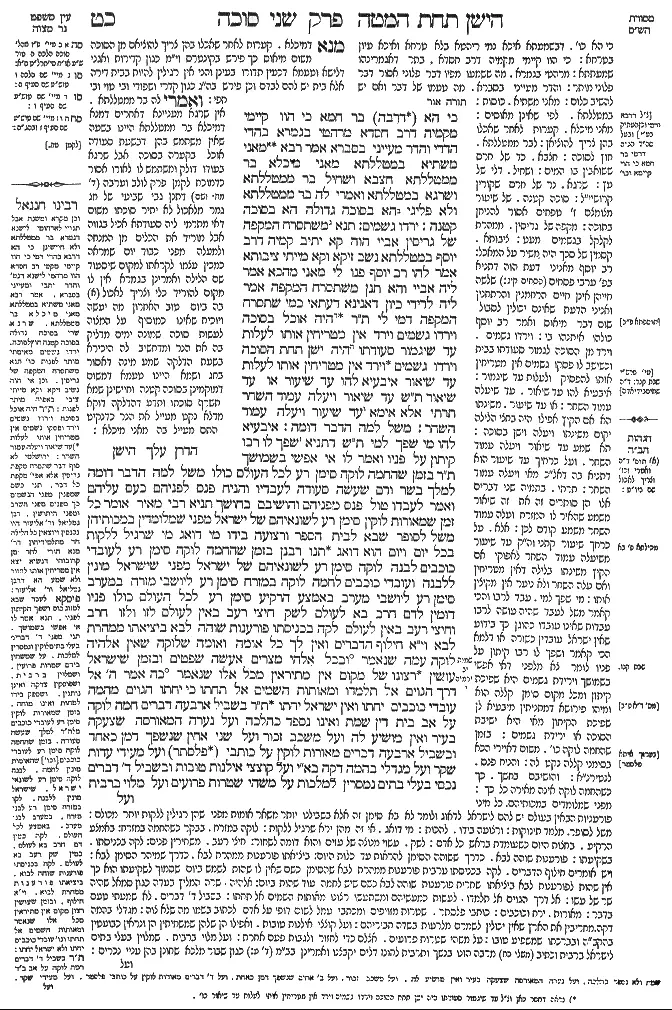
Sukkah 29a - Guemara
כי הא (דרבה) בר חמא כי הוו קיימי מקמיה דרב חסדא מרהטי בגמרא בהדי הדדי והדר מעייני בסברא אמר רבא מאני משתיא במטללתא מאני מיכלא בר ממטללתא חצבא ושחיל בר ממטללתא ושרגא במטללתא ואמרי לה בר ממטללתא ולא פליגי הא בסוכה גדולה הא בסוכה קטנה:
ירדו גשמים:
תנא משתסרח המקפה של גריסין אביי הוה קא יתיב קמיה דרב יוסף במטללתא נשב זיקא וקא מייתי ציבותא אמר להו רב יוסף פנו לי מאני מהכא אמר ליה אביי והא תנן משתסרח המקפה אמר ליה לדידי כיון דאנינא דעתאי כמי שתסרח המקפה דמי לי ת"ר היה אוכל בסוכה וירדו גשמים וירד אין מטריחין אותו לעלות עד שיגמור סעודתו היה ישן תחת הסוכה וירדו גשמים וירד אין מטריחין אותו לעלות עד שיאור איבעיא להו עד שיעור או עד שיאור ת"ש עד שיאור ויעלה עמוד השחר תרתי אלא אימא עד שיעור ויעלה עמוד השחר:
משל למה הדבר דומה:
איבעיא להו מי שפך למי ת"ש דתניא שפך לו רבו קיתון על פניו ואמר לו אי אפשי בשמושך ת"ר בזמן שהחמה לוקה סימן רע לכל העולם כולו משל למה הדבר דומה למלך בשר ודם שעשה סעודה לעבדיו והניח פנס לפניהם כעס עליהם ואמר לעבדו טול פנס מפניהם והושיבם בחושך תניא רבי מאיר אומר כל זמן שמאורות לוקין סימן רע לשונאיהם של ישראל מפני שמלומדין במכותיהן משל לסופר שבא לבית הספר ורצועה בידו מי דואג מי שרגיל ללקות בכל יום ויום הוא דואג תנו רבנן בזמן שהחמה לוקה סימן רע לעובדי כוכבים לבנה לוקה סימן רע לשונאיהם של ישראל מפני שישראל מונין ללבנה ועובדי כוכבים לחמה לוקה במזרח סימן רע ליושבי מזרח במערב סימן רע ליושבי מערב באמצע הרקיע סימן רע לכל העולם כולו פניו דומין לדם חרב בא לעולם לשק חיצי רעב באין לעולם לזו ולזו חרב וחיצי רעב באין לעולם לקה בכניסתו פורענות שוהה לבא ביציאתו ממהרת לבא וי"א חילוף הדברים ואין לך כל אומה ואומה שלוקה שאין אלהיה לוקה עמה שנאמר (שמות יב, יב) ובכל אלהי מצרים אעשה שפטים ובזמן שישראל עושין רצונו של מקום אין מתיראין מכל אלו שנאמר (ירמיהו י, ב) כה אמר ה' אל דרך הגוים אל תלמדו ומאותות השמים אל תחתו כי יחתו הגוים מהמה עובדי כוכבים יחתו ואין ישראל יחתו ת"ר בשביל ארבעה דברים חמה לוקה על אב בית דין שמת ואינו נספד כהלכה ועל נערה המאורסה שצעקה בעיר ואין מושיע לה ועל משכב זכור ועל שני אחין שנשפך דמן כאחד ובשביל ארבעה דברים מאורות לוקין על כותבי (פלסתר) ועל מעידי עדות שקר ועל מגדלי בהמה דקה בא"י ועל קוצצי אילנות טובות ובשביל ד' דברים נכסי בעלי בתים נמסרין למלכות על משהי שטרות פרועים ועל מלוי ברבית
Comments from Rashi on Masechet Sukkah Page 29a
כי הא כו' . דבשמעתא איכא נמי ריהטא בלא טרחא ואיכא עיון בטרחא: כי הוו קיימי מקמיה דרב חסדא . בתר דאגמרינהו שמעתתא: מרהטי בגמרא . מה ששמעו מפיו דבר פלוני אסור דבר פלוני מותר: והדר מעייני בסברא . מה טעמו של דבר ואם יש להשיב כלום: מאני משתיא . כוסות: במטללתא . לפי שאינן מאוסים: מאני מיכלא . קערות לאחר שאכלו בהן צריך להוציאן: לבר ממטללתא . חוץ לסוכה: חצבא . כד של חרס ששואבין בו המים: ושחיל . דלי של עץ: שרגא . נר של חרס שקורין קרושיי"ל: סוכה קטנה . של שיעור מצומצם ז' טפחים אסור להניחן בתוכה: מקפה של גריסין . ממהרת לקלקל בגשמים מעט: ציבותא . קסמין של סכך היה משיר על המאכל: רב יוסף מאניני דעת הוה דתניא בפ' ערבי פסחים (פסחים קיג:) שלשה חייהן אינן חיים הרחמנין והרתחנין ואניני הדעת שאינם יכולין לסבול שום דבר מיאוס ואמר רב יוסף כולהו איתנהו בי: וירדו גשמים . וירד מן הסוכה לגמור סעודתו בבית וכשישב לו פסקו גשמים אין מטריחין אותו להפסיק ולעלות עד שיגמור: איבעיא להו עד שיאור . עד שיעלה עמוד השחר: או עד שיעור . משינתו הא אם הקיץ אפילו היה בחצי הלילה יקום משינתו ויעלה וישן בסוכה: תא שמע עד שיאור ויעלה עמוד השחר . ועל כרחיך עד שיעור הוא דתניא בה דאל"כ מאי ויעלה עמוד השחר: תרתי . בתמיה שני דברים אלו הן סותרים זה את זה שיאור משמע שהאיר לו המזרח ועלה עמוד השחר משמע קודם לכן: אלא . על כרחך שיעור קתני וה"ק עד שיעור משיעלה עמוד השחר לאפוקי אם הקיץ משינתו בלילה דאין מטריחין ואם עלה השחר ולא ניער אין מקיצין אותו: מי שפך למי . עבד לרבו והכי קאמר משל לעבד שהיה עושה לרבו עבדות שאינו עובדו כהוגן כך בידוע שאין ישראל עובדין כשורה או דלמא הכי קאמר ושפך לו רבו קיתון על פניו לומר צא מלפני דאי אפשי בשמושך וירידת גשמים היא שפיכת קיתון ומכל מקום סימן קללה הוא ומיהו פירושא דמתניתין מיבעיא לן שפיכת הקיתון מאי היא ישיבת הסוכה או ירידת גשמים: בזמן שהחמה לוקה כו' . משום דאיירי הכא בסימני קללה נקט לה: והניח פנס . לנטירנ"א: והושיבם בחשך . כך כשהחמה לוקה אינה מאירה כל כך: מפני שמלומדים במכותיהם . כל מיני פורעניות הבאין בעולם יש להם לישראל לדאוג ולומר לא בא סימן זה אלא בשבילנו יותר משאר אומות מפני שהן רגילין ללקות יותר מכולם: משל לסופר . מלמד תינוקות: ורצועה בידו . להכות: מי דואג . אי זה מהן ירא שרגיל ללקות: לוקה במזרח . בבקר כשהחמה במזרח: באמצע הרקיע . בחצות היום כשעומדת בראש כל אדם: לשק . עשוי מנוצה של עזים והוא דומה לשחור: חיצי רעב . משחירין פנים: לקה בכניסתו . בשקיעתו: פורענות שוהה לבא . כדרך ששוהה הסימן להראות עד כלות היום: ביציאתו פורענות ממהרת לבא . כדרך שמיהר הסימן לבא: ויש אומרים חילוף הדברים . לקה בכניסתו ערבית פורענות ממהרת לבא שהסימן כשם שאין לו שהות לשמש ביום שסמוך לשקיעתו הוא כך אין שהות לפורענות לבא ביציאתו שחרית פורענות שוהה לבא כשם שיש לחמה עוד שהות ביום: אלהיה . שרה המליץ בעדה כגון סמאל שהיה שר של עשו: אל דרך הגוים אל תלמדו . לעשות כמעשיהם ומשתעשו רצונו מאותות השמים אל תחתו: בשביל ד' דברים . לא שמעתי טעם בדבר: מאורות . ירח וכוכבים: כותבי פלסתר . שטרות מזויפים ומכתבי עמל לשום דופי על אדם לכתוב בשמו מה שלא צוה: מגדלי בהמה דקה . מחריבין את הארץ שאין יכולין לשמרם מלרעות בשדה חביריהם: ועל קוצצי אילנות טובות . ואפילו הן שלהן שמשחיתין הן ונראין כבועטין בהקב"ה ובברכתו שמשפיע טובו: על משהי שטרות פרועים . אצלם כדי לחזור ולגבות פעם אחרת: ועל מלוי ברבית . שמלוין בעלי בתים לישראל ברבית וכתיב (משלי כח) מרבה הונו בנשך ותרבית לחונן דלים יקבצנו ואמרינן בב"מ (ד' ע.) כגון שבור מלכא שחונן בהן עניי נכרים:
Comments from Tosafot - Sukkah 29a
מנא דמיכלא. קערות לאחר שאכלו בהן צריך להוציאם מן הסוכה משום מיאוס כך פירש בקונטרס וי"מ כגון קדירות ואגני דלישא וטעמא דכעין תדורו בעינן והני אין רגילין להיות בבית דירה אלא בית יש להם לבדם וכן פירש בה"ג כגון קדרי ושפודי ובי טוי ובי תפי: ואמרי לה בר ממטללתא. אין שרגא מעניינא דאחרים דמנא דמיכלא בר ממטללתא היינו בשעה שאין משתמש בהן דבשעת סעודה אוכל בקערה בסוכה אבל שרגא בעודו דולק ומשתמש לו לאורו אסור כדמוכח לקמן פרק לולב וערבה (סוכה ד' מח. ושם) דתנן גבי שביעי של חג גמר מלאכול לא יתיר סוכתו משום דאי מתרמי ליה סעודתא אכיל בגווה אבל מוריד את הכלים מן המנחה ולמעלה מפני כבוד יום שמראה כמכין עצמו לקראתו למקום שיסעוד שם הלילה ואמרינן בגמרא אין לו מקום להוריד כלי וצריך לאכול בה ביום טוב האחרון מה יעשה ויוכיח שאינו כמוסיף על המצוה לעשות סוכה שמונה ימים מדליק בה את הנר ומדחשיב לה היכירא בשעת הדלקה שמע מינה דאסור בחג ושמא היינו טעמא דמשום דמוקמינן בסוכה קטנה וחיישינן שמא תשרף סוכתו ותדע דהדלקה דוקא מדלא נקט מעייל את הנר כדנקיט התם מעייל בה מאני מיכלא:
Sukkah 29a - Mishnah translated into english
As in that situation involving Rava and Rami bar Ḥama, when they would stand before Rav Ḥisda, after he taught them a halakha they would quickly review the tradition that they heard from him together and only then analyze the rationale of the tradition that they had received. Apparently, in the study of Mishna and the amoraic commentary on the Mishna there is a distinction between extensive and intensive study.
With regard to residence in the sukka, Rava said: Drinking vessels such as cups, which are usually clean, remain in the sukka. Eating vessels are taken out of the sukka after use. An earthenware jug and a wicker basket [shaḥil ] that are used for drawing water are taken outside the sukka. And a lamp remains inside the sukka, and some say it is taken outside the sukka. The Gemara comments: And they do not disagree. Rather, this opinion, that a lamp remains inside the sukka, is referring to a large sukka, where the lamp and its odor do not disturb those residing in the sukka. And that opinion, that the lamp is taken outside the sukka, is referring to a small sukka, where the lamp’s odor is offensive.
§ The mishna stated: If rain fell, it is permitted to leave the sukka from the point that it is raining so hard that the congealed dish will spoil. It was taught in the Tosefta: The measure is from when a congealed dish of pounded grain, a dish ruined by even slight rainfall, will spoil.
Abaye was sitting before Rav Yosef in the sukka. The wind blew and brought with it splinters from the roofing, and they fell onto the food. Rav Yosef said to him: Vacate my vessels from here, and I will eat in the house. Abaye said to him: Didn’t we learn in the mishna that one remains in the sukka until the congealed dish will spoil? That is not yet the case. He said to him: For me, since I am delicate, this situation is as if the congealed dish will spoil.
The Sages taught: If one was eating in the sukka, and rain fell, and he descended from the sukka on the roof to eat in his house, one does not burden him to ascend back to the sukka once the rain ceases until after he finishes his meal. Similarly, if one was sleeping under the roofing of the sukka, and rain fell, and he descended to sleep in the house, one does not burden him to ascend back to the sukka once the rain ceases; rather, he may sleep in the house until it becomes light.
A dilemma was raised before the Sages: Is the correct reading of the baraita: Until one awakens [sheyeor], spelled with an ayin, and once he awakens he returns to the sukka even in the middle of the night? Or is the correct reading: Until it becomes light [sheyeor], spelled with an alef, and he need not return to the sukka until morning? Come and hear a proof that will resolve the matter from a related baraita: One need not return to the sukka until it becomes light [sheyeor], spelled with an alef, and dawn arrives. The Gemara asks: Why did the baraita repeat the arrival of light two times (Ritva)? Rather, say instead: Until he awakens [sheyeor], spelled with an ayin, and the dawn arrives. Both of the readings are accurate, as until one awakens and it becomes light he may remain in the house.
§ The mishna continues: The Sages told a parable: To what is this matter comparable? It is comparable to a servant who comes to pour wine for his master, and he pours a jug of water in his face. A dilemma was raised before the Sages: Who poured the water in whose face? Come and hear a proof, as it is taught explicitly in a baraita: His master poured a jug of water on his face and said to him: I do not want your service.
Apropos the fact that rain on Sukkot is an indication of divine rebuke, the Gemara cites several related topics. The Sages taught: When the sun is eclipsed it is a bad omen for the entire world. The Gemara tells a parable. To what is this matter comparable? It is comparable to a king of flesh and blood who prepared a feast for his servants and placed a lantern [panas] before them to illuminate the hall. He became angry at them and said to his servant: Take the lantern from before them and seat them in darkness.
It is taught in a baraita that Rabbi Meir says: When the heavenly lights, i.e., the sun and the moon, are eclipsed, it is a bad omen for the enemies of the Jewish people, which is a euphemism for the Jewish people, because they are experienced in their beatings. Based on past experience, they assume that any calamity that afflicts the world is directed at them. The Gemara suggests a parable: This is similar to a teacher who comes to the school with a strap in his hand. Who worries? The child who is accustomed to be beaten each and every day is the one who worries.
The Sages taught in another baraita: When the sun is eclipsed, it is a bad omen for the other nations. When the moon is eclipsed, it is a bad omen for the enemies of the Jewish people. This is due to the fact that the Jewish people calculate their calendar primarily based on the moon, and the other nations calculate based on the sun. When the sun is eclipsed in the east, it is a bad omen for the residents of the lands of the east. When it is eclipsed in the west, it is a bad omen for the residents of the lands of the west. When it is eclipsed in the middle of the sky, it is a bad omen for the entire world.
If, during an eclipse, the visage of the sun is red like blood, it is an omen that sword, i.e., war, is coming to the world. If the sun is black like sackcloth made of dark goat hair, it is an omen that arrows of hunger are coming to the world, because hunger darkens people’s faces. When it is similar both to this, to blood, and to that, to sackcloth, it is a sign that both sword and arrows of hunger are coming to the world. If it was eclipsed upon its entry, soon after rising, it is an omen that calamity is tarrying to come. If the sun is eclipsed upon its departure at the end of the day, it is an omen that calamity is hastening to come. And some say the matters are reversed: An eclipse in the early morning is an omen that calamity is hastening, while an eclipse in the late afternoon is an omen that calamity is tarrying.
The Sages said: There is no nation that is afflicted whose god is not afflicted with it, as it is stated: “And against all the gods of Egypt I will mete out judgment; I am God” (Exodus 12:12). The Gemara adds: When the Jewish people perform God’s will, they need not fear any of these omens, as it is stated: “Thus says the Lord: Learn not the way of the nations, and be not dismayed at the signs of Heaven; for the nations are dismayed at them” (Jeremiah 10:2). The nations will be dismayed, but the Jewish people will not be dismayed, provided they do not follow the ways of the nations.
The Sages taught that on account of four matters the sun is eclipsed: On account of a president of the court who dies and is not eulogized appropriately, and the eclipse is a type of eulogy by Heaven; on account of a betrothed young woman who screamed in the city that she was being raped and there was no one to rescue her; on account of homosexuality; and on account of two brothers whose blood was spilled as one.
And on account of four matters the heavenly lights are eclipsed: On account of forgers of a fraudulent document [pelaster] that is intended to discredit others; on account of testifiers of false testimony; on account of raisers of small domesticated animals in Eretz Yisrael in a settled area; and on account of choppers of good, fruit-producing trees.
And on account of four matters the property of homeowners is delivered to the monarchy as punishment: On account of those keepers of paid promissory notes, who keep these documents instead of tearing them or returning them to the borrowers, as that would allow the lender to collect money with the note a second time; and on account of lenders with interest;
Traduction : The William Davidson digital edition of the Koren Noé Talmud, with commentary by Rabbi Adin Even-Israel Steinsaltz.