 Talmud Bavli
Sukkah 53a : Youtube
Daf TubeYoutube
3 video classes :
Sukkah Page 53a
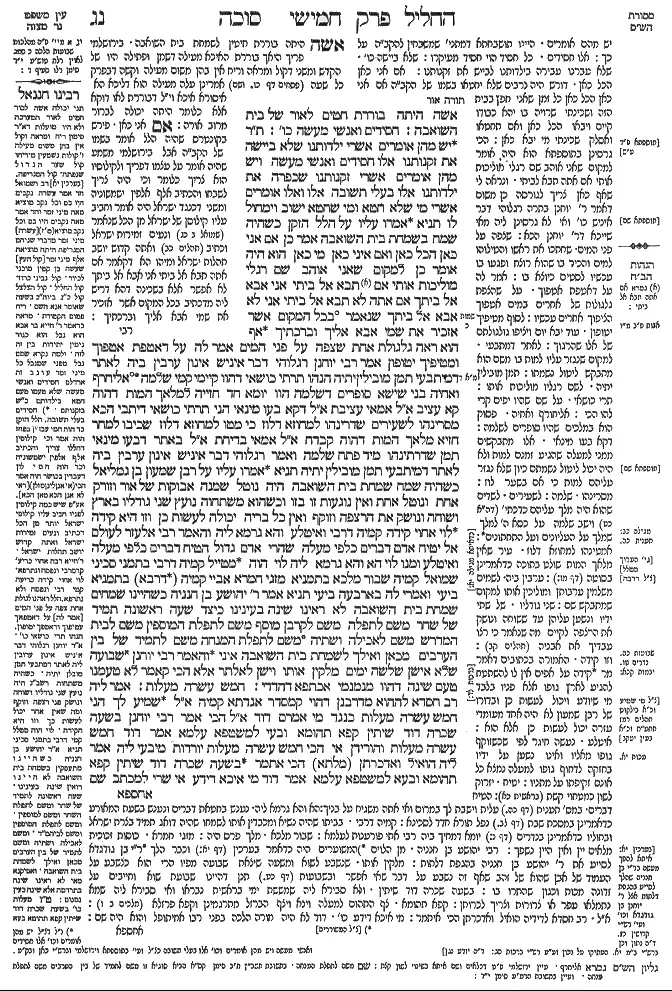
Sukkah 53a - Guemara
אשה היתה בוררת חטים לאור של בית השואבה:
חסידים ואנשי מעשה כו':
ת"ר יש מהן אומרים אשרי ילדותנו שלא ביישה את זקנותנו אלו חסידים ואנשי מעשה ויש מהן אומרים אשרי זקנותנו שכפרה את ילדותנו אלו בעלי תשובה אלו ואלו אומרים אשרי מי שלא חטא ומי שחטא ישוב וימחול לו תניא אמרו עליו על הלל הזקן כשהיה שמח בשמחת בית השואבה אמר כן אם אני כאן הכל כאן ואם איני כאן מי כאן הוא היה אומר כן למקום שאני אוהב שם רגלי מוליכות אותי אם תבא אל ביתי אני אבא אל ביתך אם אתה לא תבא אל ביתי אני לא אבא אל ביתך שנאמר (שמות כ, כד) בכל המקום אשר אזכיר את שמי אבא אליך וברכתיך אף הוא ראה גלגולת אחת שצפה על פני המים אמר לה על דאטפת אטפוך ומטיפיך יטופון אמר רבי יוחנן רגלוהי דבר איניש אינון ערבין ביה לאתר דמיתבעי תמן מובילין יתיה הנהו תרתי כושאי דהוו קיימי קמי שלמה (מלכים א ד, ג) אליחרף ואחיה בני שישא סופרים דשלמה הוו יומא חד חזייה למלאך המות דהוה קא עציב א"ל אמאי עציבת א"ל דקא בעו מינאי הני תרתי כושאי דיתבי הכא מסרינהו לשעירים שדרינהו למחוזא דלוז כי מטו למחוזא דלוז שכיבו למחר חזיא מלאך המות דהוה קבדח א"ל אמאי בדיחת א"ל באתר דבעו מינאי תמן שדרתינהו מיד פתח שלמה ואמר רגלוהי דבר איניש אינון ערבין ביה לאתר דמיתבעי תמן מובילין יתיה תניא אמרו עליו על רבן שמעון בן גמליאל כשהיה שמח שמחת בית השואבה היה נוטל שמנה אבוקות של אור וזורק אחת ונוטל אחת ואין נוגעות זו בזו וכשהוא משתחוה נועץ שני גודליו בארץ ושוחה ונושק את הרצפה וזוקף ואין כל בריה יכולה לעשות כן וזו היא קידה לוי אחוי קידה קמיה דרבי ואיטלע והא גרמא ליה והאמר רבי אלעזר לעולם אל יטיח אדם דברים כלפי מעלה שהרי אדם גדול הטיח דברים כלפי מעלה ואיטלע ומנו לוי הא והא גרמא ליה לוי הוה מטייל קמיה דרבי בתמני סכיני שמואל קמיה שבור מלכא בתמניא מזגי חמרא אביי קמיה (דרבא) בתמניא ביעי ואמרי לה בארבעה ביעי תניא אמר ר' יהושע בן חנניה כשהיינו שמחים שמחת בית השואבה לא ראינו שינה בעינינו כיצד שעה ראשונה תמיד של שחר משם לתפלה משם לקרבן מוסף משם לתפלת המוספין משם לבית המדרש משם לאכילה ושתיה משם לתפלת המנחה משם לתמיד של בין הערבים מכאן ואילך לשמחת בית השואבה איני והאמר רבי יוחנן שבועה שלא אישן שלשה ימים מלקין אותו וישן לאלתר אלא הכי קאמר לא טעמנו טעם שינה דהוו מנמנמי אכתפא דהדדי:
חמש עשרה מעלות:
אמר ליה רב חסדא לההוא מדרבנן דהוי קמסדר אגדתא קמיה א"ל שמיע לך הני חמש עשרה מעלות כנגד מי אמרם דוד א"ל הכי אמר רבי יוחנן בשעה שכרה דוד שיתין קפא תהומא ובעי למשטפא עלמא אמר דוד חמש עשרה מעלות והורידן אי הכי חמש עשרה מעלות יורדות מיבעי ליה אמר ליה הואיל ואדכרתן (מלתא) הכי אתמר בשעה שכרה דוד שיתין קפא תהומא ובעא למשטפא עלמא אמר דוד מי איכא דידע אי שרי למכתב שם
Comments from Rashi on Masechet Sukkah Page 53a
יש מהם אומרים . היינו תושבחתא דמתני' שמשבחין להקב"ה על כך: אלו חסידים . כל חסיד הוי חסיד מעיקרו: שלא ביישה כו' . שלא עברנו עבירה בילדותנו לבייש את זקנותנו: אם אני כאן הכל כאן . דורש היה לרבים שלא יחטאו בשמו של הקב"ה אם אני כאן הכל כאן כל זמן שאני חפץ בבית הזה ושכינתי שרויה בו יהא כבודו קיים ויבאו הכל כאן ואם תחטאו ואסלק שכינתי מי יבא כאן: הכי גרסינן בתוספתא הוא היה אומר למקום שאני אוהב שם רגלי מוליכות אותי אם תבא לביתי . ונראה לי שאף כאן צריך לגורסה כן משום דאמר ר' יוחנן בתרה רגלוהי דבר איניש כו' ואי לא גרסינן ליה מאי שייכא דר' יוחנן הכא: שצפה על פני המים . שחתכו את ראשו והטילוהו למים והכיר בו שהוא רוצח ופגעו בו עכשיו לסטים כיוצא בו: אמר לה על דאטפת אטפוך . על שהצפת גלגולות של אחרים במים אטפוך הציפוך אחרים עכשיו: לסוף מטיפיך יטופון . עוד יבא יום ויציפו גולגולתם של אלו שהרגוך: לאתר דמתבעי . למקום שנגזר עליו למות בו משם הוא מתבקש ליטול נשמתו: תמן מובילין יתיה . לשם רגליו מוליכות אותו: תרי כושאי . על שם שהיו יפים קרי להו הכי: אליחורף ואחיה . פסוק הוא במלכים שהיו סופרים לשלמה: דקא בעו מינאי . אלו מתבקשים ממני למעלה שהגיע זמנם למות ולא היה יכול ליטול נשמתם כיון שלא נגזר עליהם למות כי אם בשער לוז: מסרינהו . שלמה: לשעירים . לשדים שהוא היה מלך עליהם כדכתי' (דברי הימים א כט) וישב שלמה על כסא ה' למלך שמלך על העליונים ועל התחתונים: אמטינהו למחוזא דלוז . עיר שאין מלאך המות שולט בתוכה כדאמרינן בסוטה (דף מו:): ערבין ביה . לשמים משלמין ערבותן ומוליכין אותו למקום שמתבקש שם: שני גודליו . של שתי ידיו ונשען עליהן עד ששוחה ונושק את הרצפה לקיים מה שנאמר כי רצו עבדיך את אבניה (תהלים קב): וזו קידה . האמורה בכתובים דאמר מר קידה על אפים אין לו להשתטח להגיע לארץ גופו אלא פניו בלבד מי שיודע ויכול לעשות כן ובדורו של רבן שמעון לא היה אחד מעומדי עזרה יכול לעשות כן אלא הוא: איטלע . נעשה חיגר לפי שכשזוקף גופו מאליו ואינו נשען על ידיו בחזקה לדחוף גופו למעלה נמצא כל אונס זקיפתו על מתניו: יטיח . יזרוק לשון כמטחוי קשת (בראשית כא): הטיח דברים . במס' תענית (דף כה.) עלית וישבת לך במרום ואי אתה משגיח על בניך: הא והא גרמא ליה . נענש בחטאת דברים ונענש בשעת המאורע כדאמרינן במסכת שבת (דף לב.) נפל תורא חדד לסכינא: קמיה דרבי . בביתו שהיה נשיא ומכבדין אותו לשמחו שהיה דואג תמיד בצרת ישראל ובחוליו כדאמרינן בנדרים (דף נ:) יומא דמחיך ביה רבי אתי פורענות לעלמא: שבור מלכא . מלך פרס היה: מזגי חמרא . כוסות זכוכית מלאים יין ואין היין נשפך: רבי יהושע בן חנניה . מן הלוים המשוערים היה כדאמר בערכין (דף יא:) וכבר הלך ר"י בן גודגדא לסייע את ר' יהושע בן חנניה בהגפת דלתות: מלקין אותו . שנשבע לשוא ומשעה שיצאת שבועה מפיו הרי הוא כנשבע על העמוד של אבן שהוא של זהב שאף זה נשבע על דבר שאי אפשר ובשבועות (דף כט.) תנן דהיינו שבועת שוא וחייבים על זדונה מכות וכגון שהתרו בו: בשעה שכרה דוד שיתין . ולא סבירא ליה שמששת ימי בראשית נבראו ואי סבירא ליה שמא נתמלאו עפר או צרורות וצריך לכרותן: קפא תהומא . צף התהום למעלה ויצא ויצף הברזל מתרגמינן וקפא פרזלא (מלכים ב ו): א"ל . רב חסדא לדידיה הואיל ואדכרתן הכי איתמר: מי איכא דידע כו' . דוד לא היה מורה הלכה בפני רבו אחיתופל והוא היה שם:
Comments from Tosafot - Sukkah 53a
אשה היתה בוררת חיטין לשמחת בית השואבה. בירושלמי פריך היאך בוררת האיכא מעילה דשמן ופתילה היו של הקדש ומשני דקול ומראה וריח אין בהן משום מעילה וקשה דבפרק כל שעה (פסחים דף כו. ושם) אמרינן עלה מעילה הוא דליכא הא איסורא איכא וי"ל דבוררת לאו דוקא אלא כלומר היתה יכולה לברור מרוב אורה: אם אני כאן. פירש בקונטרס שהיה הלל אומר בשמו של הקב"ה אבל בירושלמי משמע שהיה אומר על עצמו דפריך ולקילוסיו הוא צריך כלומר וכי היה צריך לשבחו והכתיב אלף אלפין ישמשוניה ומשני דכנגד ישראל היה אומר וחביב עליו קילוסן של ישראל מן הכל שנאמר (שמואל ב כג) ונעים זמירות ישראל וכתיב (תהלים כב) ואתה קדוש יושב תהלות ישראל ומיהו הא דקאמר אם אתה תבא אל ביתי אני אבא אל ביתך לא אפשר אלא בשכינה דהא דריש ליה מדכתיב בכל המקום אשר אזכיר את שמי אבא אליך וברכתיך:
Sukkah 53a - Mishnah translated into english
It was so bright that a woman would be able to sort wheat by the light of the Celebration of the Place of the Drawing of the Water.
§ The mishna continues: The pious and the men of action would dance before the people who attended the celebration. The Sages taught in the Tosefta that some of them would say in their song praising God: Happy is our youth, as we did not sin then, that did not embarrass our old age. These are the pious and the men of action, who spent all their lives engaged in Torah and mitzvot. And some would say: Happy is our old age, that atoned for our youth when we sinned. These are the penitents. Both these and those say: Happy is he who did not sin; and he who sinned should repent and God will absolve him.
It is taught in the Tosefta: They said about Hillel the Elder that when he was rejoicing at the Celebration of the Place of the Drawing of the Water he said this: If I am here, everyone is here; and if I am not here, who is here? In other words, one must consider himself as the one upon whom it is incumbent to fulfill obligations, and he must not rely on others to do so. He would also say this: To the place that I love, there my feet take me, and therefore, I come to the Temple. And the Holy One, Blessed be He, says: If you come to My house, I will come to your house; if you do not come to My house, I will not come to your house, as it is stated: “In every place that I cause My name to be mentioned, I will come to you and bless you” (Exodus 20:21).
The Gemara cites another statement of Hillel the Elder. Additionally, he saw one skull that was floating on the water and he said to it: Because you drowned others, they drowned you, and those that drowned you will be drowned. That is the way of the world; everyone is punished measure for measure. Apropos following one’s feet, Rabbi Yoḥanan said: The feet of a person are responsible for him; to the place where he is in demand, there they lead him.
The Gemara relates with regard to these two Cushites who would stand before Solomon: “Elihoreph and Ahijah, the sons of Shisha” (I Kings 4:3), and they were scribes of Solomon. One day Solomon saw that the Angel of Death was sad. He said to him: Why are you sad? He said to him: They are asking me to take the lives of these two Cushites who are sitting here. Solomon handed them to the demons in his service, and sent them to the district of Luz, where the Angel of Death has no dominion. When they arrived at the district of Luz, they died.
The following day, Solomon saw that the Angel of Death was happy. He said to him: Why are you happy? He replied: In the place that they asked me to take them, there you sent them. The Angel of Death was instructed to take their lives in the district of Luz. Since they resided in Solomon’s palace and never went to Luz, he was unable to complete his mission. That saddened him. Ultimately, Solomon dispatched them to Luz, enabling the angel to accomplish his mission. That pleased him. Immediately, Solomon began to speak and said: The feet of a person are responsible for him; to the place where he is in demand, there they lead him.
§ It is taught in a baraita: They said about Rabban Shimon ben Gamliel that when he would rejoice at the Celebration of the Place of the Drawing of the Water, he would take eight flaming torches and toss one and catch another, juggling them, and, though all were in the air at the same time, they would not touch each other. And when he would prostrate himself, he would insert his two thumbs into the ground, and bow, and kiss the floor of the courtyard and straighten, and there was not any other creature that could do that due to the extreme difficulty involved. And this was the form of bowing called kidda performed by the High Priest.
The Gemara relates: Levi demonstrated a kidda before Rabbi Yehuda HaNasi and strained his thigh and came up lame. The Gemara asks: And is that what caused him to be lame? But didn’t Rabbi Elazar say: One should never speak impertinently toward God above; as a great person once spoke impertinently toward God above, and even though his prayers were answered, he was still punished and came up lame. And who was this great person? It was Levi. Apparently his condition was not caused by his bow. The Gemara answers: There is no contradiction. Both this and that caused him to come up lame; because he spoke impertinently toward God, he therefore was injured when exerting himself in demonstrating kidda.
Apropos the rejoicing of Rabban Shimon ben Gamliel at the Celebration of the Place of the Drawing of the Water, the Gemara recounts: Levi would walk before Rabbi Yehuda HaNasi juggling with eight knives. Shmuel would juggle before King Shapur with eight glasses of wine without spilling. Abaye would juggle before Rabba with eight eggs. Some say he did so with four eggs. All these were cited.
It is taught in a baraita that Rabbi Yehoshua ben Ḥananya said: When we would rejoice in the Celebration of the Place of the Drawing of the Water, we did not see sleep in our eyes the entire Festival. How so? In the first hour of the day, the daily morning offering was sacrificed and everyone came to watch. From there they proceeded to engage in prayer in the synagogue; from there, to watch the sacrifice of the additional offerings; from there, to the synagogue to recite the additional prayer. From there they would proceed to the study hall to study Torah; from there to the eating and drinking in the sukka; from there to the afternoon prayer. From there they would proceed to the daily afternoon offering in the Temple. From this point forward, they proceeded to the Celebration of the Place of the Drawing of the Water.
The Gemara wonders: Is that so? But didn’t Rabbi Yoḥanan say: One who took an oath that I will not sleep three days, one flogs him immediately for taking an oath in vain, and he may sleep immediately because it is impossible to stay awake for three days uninterrupted. Rather, this is what Rabbi Yehoshua is saying: We did not experience the sense of actual sleep, because they would merely doze on each other’s shoulders. In any case, they were not actually awake for the entire week.
§ The mishna continues: The musicians would stand on the fifteen stairs that descend from the Israelites’ courtyard to the Women’s Courtyard, corresponding to the fifteen Songs of the Ascents in Psalms. Rav Ḥisda said to one of the Sages who was organizing aggada before him: Did you hear with regard to these fifteen Songs of Ascents in Psalms, corresponding to what did David say them? He said to him that this is what Rabbi Yoḥanan said: At the time that David dug the drainpipes in the foundation of the Temple, the waters of the depths rose and sought to inundate the world. Immediately, David recited the fifteen Songs of the Ascents and caused them to subside. Rav Ḥisda asked: If so, should they be called fifteen Songs of the Ascents? They should have been called Songs of the Descents.
Rav Ḥisda continued and said to him: Since you reminded me of this matter, this is what was originally stated: At the time that David dug the drainpipes, the waters of the depths rose and sought to inundate the world. David said: Is there anyone who knows whether it is permitted to write the sacred name
Traduction : The William Davidson digital edition of the Koren Noé Talmud, with commentary by Rabbi Adin Even-Israel Steinsaltz.