 Talmud Bavli
No video class on this page yet.
To add a video to this page please click here.Niddah Page 69b
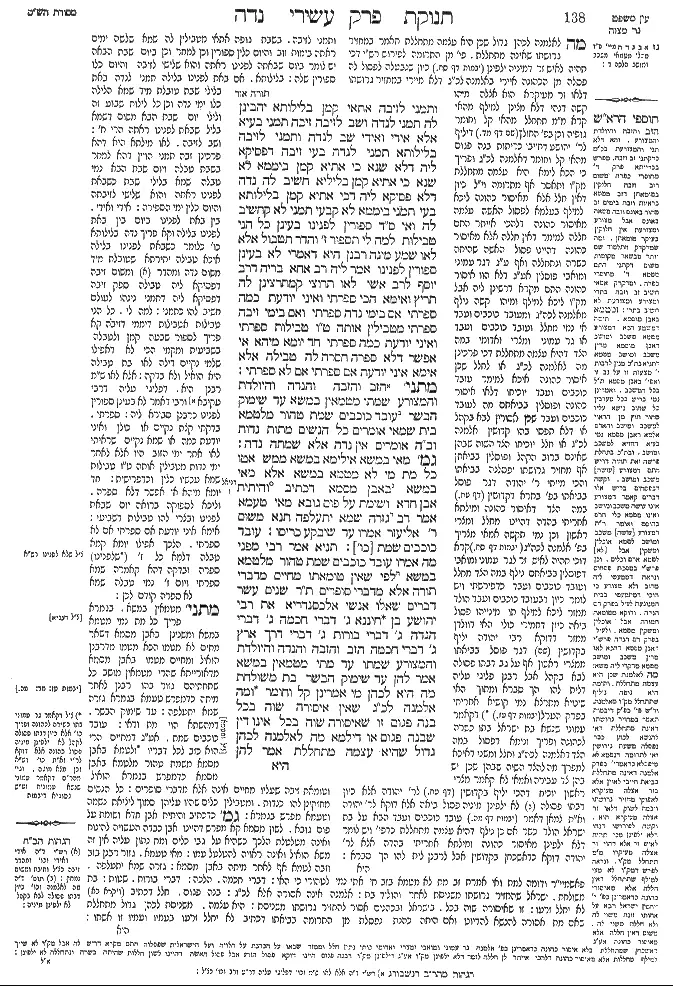
Niddah 69b - Guemara
ותמני לזיבה אתאי קמן בלילותא יהבינן לה תמני לנדה ושב לזיבה זיבה תמני בעיא אלא אידי ואידי שב לנדה ותמני לזיבה בלילותא תמני לנדה בעי זיבה דפסיקא ליה דלא שנא כי אתיא קמן ביממא לא שנא כי אתיא קמן בליליא חשיב לה נדה דלא פסיקא ליה דכי אתיא קמן בלילותא בעי תמני ביממא לא קבעי תמני לא קחשיב לה ואי ס"ד ספורין לפנינו בעינן כל הני טבילות למה לי תספור ז' והדר תטבול אלא לאו שמע מינה רבנן היא דאמרי לא בעינן ספורין לפנינו אמר ליה רב אחא בריה דרב יוסף לרב אשי לאו תרוצי קמתרצינן לה תריץ ואימא הכי ספרתי ואיני יודעת כמה ספרתי אם בימי נדה ספרתי ואם בימי זיבה ספרתי מטבילין אותה ט"ו טבילות ספרתי ואיני יודעת כמה ספרתי חד יומא מיהא אי אפשר דלא ספרה חסרה לה טבילה אלא אימא איני יודעת אם ספרתי אם לא ספרתי מתני׳ הזב והזבה והנדה והיולדת והמצורע שמתו מטמאין במשא עד שימוק הבשר עובד כוכבים שמת טהור מלטמא בית שמאי אומרים כל הנשים מתות נדות וב"ה אומרים אין נדה אלא שמתה נדה גמ׳ מאי במשא אילימא במשא ממש אטו כל מת מי לא מטמא במשא אלא מאי במשא באבן מסמא דכתיב (דניאל ו, יח) והיתית אבן חדא ושומת על פום גובא מאי טעמא אמר רב גזרה שמא יתעלפה תנא משום ר' אליעזר אמרו עד שיבקע כריסו עובד כוכבים שמת [כו'] תניא אמר רבי מפני מה אמרו עובד כוכבים שמת טהור מלטמא במשא לפי שאין טומאתו מחיים מדברי תורה אלא מדברי סופרים ת"ר שנים עשר דברים שאלו אנשי אלכסנדריא את רבי יהושע בן חיננא ג' דברי חכמה ג' דברי הגדה ג' דברי בורות ג' דברי דרך ארץ ג' דברי חכמה הזב והזבה והנדה והיולדת והמצורע שמתו עד מתי מטמאין במשא אמר להן עד שימוק הבשר בת משולחת מה היא לכהן מי אמרינן קל וחומר ומה אלמנה לכ"ג שאין איסורה שוה בכל בנה פגום זו שאיסורה שוה בכל אינו דין שבנה פגום או דילמא מה לאלמנה לכהן גדול שהיא עצמה מתחללת אמר להן
Comments from Rashi on Masechet Niddah Page 69b
ותמני לזיבה . בשבת גופה אתאי מטבילין לה שמא שלשה ימים ראתה בימות זוב והיום כלין ספורין וכן למחר וכן ביום שבת הבאה יש לומר ביום שבאתה לפנינו ראתה והוא שלישי לזיבה והיום כלו ספורין שלה: בלילותא . אם באת לפנינו בלילה תמני לנדה באת בלילי שבת טובלת מיד שמא הלילה כלו ימי נדה וכן כל לילות שבוע זה ולילי יום שבת הבא משום דשמא בליל שבאת לפנינו ראתה הרי ח': ושב לזיבה . לאו מילתא היא דהא פרכינן זבה תמני הויין דהא למחר בשבת טבלה ויום שבת הבא נמי טבלה שמא בלילי שבת כשבאת לפנינו ראתה והוא שלישי לזיבתה והיום כלין ימי הספירה: אידי ואידי . בין באת לפנינו ביום בין באת לפנינו בלילה. וקא פריך נדה בלילותא כו' כלומר כשבאת לפנינו בלילה איכא טבילה יתירתא שטובלת מיד משום נדה. ומהדר ומשום זיבה דפסיקא ליה טבילה ספק זיבה דפסיקא ליה דתמני נינהו לעולם חשיב להו כתמני: למה לי . כל הני טבילות. אטבילות דיממי דזיבה קא פריך לספור שבעה קמן ולטבלה בשביעי ומקמי הכי לא דאפילו שלמי נקיים דילה לאו בת טבילה היא הואיל ולא בדקה: אלא לאו ש"מ רבנן היא . דפליגי עליה דרבי עקיבא ורבי דאמר לא בעינן ספורין לפנינו כרבנן סבירא ליה: ספרתי . בדקתי קצת נקיים או כולן ואיני יודעת כמה או שמא נקיים שראיתי לאו אחר ימי הזוב היו אלא לאחר ימי נדות מטבילין אותה ט"ו טבילות שמא עכשיו כלין וכדפרישית: חד יומא מיהא אי אפשר דלא ספרה . וליכא לספוקה ברואה יום שבאת לפנינו ובצרי להו טבילות דשביעי: אימא איני יודעת אם ספרתי אם לא ספרתי . הלכך אפילו יומא קמא טבלה דלמא כל ז' שלפנינו ספרה ובדקה דהא קאמרה שמא ספרתי ויום ז' נמי טבלה שמא לא ספרה קודם לכן: מתני' מטמאין במשא . בגמרא פריך כל מת נמי מטמא במשא ומשנינן באבן מסמא דשאר מתים לא מטמו הכא מטמו מדרבנן הואיל ומחיים מטמו באבן מסמא מדאורייתא שהרי מטמאין מושב כל שתחתיהם גזור בהו רבנן לאחר מיתה כדמפרש טעמא בגמרא גזרה שמא יתעלפה: עד שימוק הבשר . דמהשתא הוי מת ודאי: עובד כוכבים שמת . אע"ג דמחיים הרי הוא כזב לכל דבריו ולטמא באבן מסמא משמת טהור מלטמא באבן מסמא כדמפרש בגמרא הואיל וטומאת זיבה שעליו מחיים אינה אלא מדברי סופרים: כל הנשים . מחזקינן להו כנדות ומטבילין כלים שהיו עליהן סמוך ליציאת נשמה וטעמא מפרש בגמרא: גמ' כדכתיב והיתית אבן חדא ושומת על פום גובא . לשון מסמא קא מפרש דהיינו אבן כבדה העשויה להינוח ואינה מטלטלת הלכך כשהיא על גבי כלים ומת נתון עליה אין זה משא הואיל ואינה ראויה להטלטל עמו: מאי טעמא . גזור רבנן בזב וזבה לטמא אף לאחר מיתה באבן מסמא: גזרה שמא יתעלפה . פאשמיי"ר ודומה למת ואי אמרת זב מת לא מטמא בזב חי אתי נמי לטהורי כי האי: דברי חכמה . הלכה: דברי בורות . שטות: בת משולחת . ישראל שהחזיר גרושתו משניסת לאחר והוליד בת: אלמנה אינה אסורה אלא לכ"ג: בנה פגום . חלל דכתיב (ויקרא כא) לא יחלל זרעו: זו שאיסורה שוה בכל . בישראל ובכהנים אסור להחזיר גרושתו משניסת: היא עצמה . משניסת לכהן גדול מתחללת שאם מת אסורה להנשא להדיוט ואם היתה כהנת נפסלת מן התרומה בביאתו דכתיב לא יחלל זרעו בעמיו ועמיו זו אשתו:
Comments from Tosafot - Niddah 69b
מה לאלמנה לכהן גדול שכן היא עצמה מתחללת תאמר במחזיר גרושתו שאינה מתחללת. פי' מן התרומה לפירוש רש"י דכי תהיה לאיש זר דמיניה ילפינן (יבמות דף סח.) כיון שנבעלה לפסול לה פסלה מן הכהונה איירי באלמנה לכ"ג דלא מיירי במחזיר גרושתו דלאו זר מעיקרא הוא אצלה מיהו קשה דנהי דלא מצינן למילף מהאי קרא מ"מ תתחלל מהאי קל וחומר גופיה וכן בפ' החולץ (שם דף מד.) דיליף לר' יהושע דחייבי כריתות בנה פגום מהאי קל וחומר דאלמנה לכ"ג ופריך כי הכא לימא היא עצמה מתחללת מק"ו ותאסר אף מתרומה וי"ל כיון דאין חלל אלא מאיסור כהונה ליכא למילף בעלמא לפסול האשה עצמה מאיסור כהונה דלהכי אייתר התם חללה למימר דאין חללה אלא מאיסור כהונה דהיינו פסול האשה שהיתה כשרה ונתחללה ואף ע"ג דגר עמוני ומואבי פוסלין אע"ג דלא הוו איסור כהונה התם מקרא דרשינן ליה אבל מק"ו ליכא למילף ומיהו קשה נילף מאלמנה לכה"ג ומעובד כוכבים ועבד אי נמי מחלל ועובד כוכבים ועבד או גר עמוני ומצרי ואדומי במה הצד דהיא עצמה מתחללת דכי פרכינן מה לאלמנה לכ"ג או לחלל שכן איסור כהונה איכא למימר עובד כוכבים ועבד יוכיחו דלאו איסור כהונה ופוסלין בביאתם מה לעובד כוכבים ועבד שכן אסורין לבא בקהל או דלא תפסי בהו קדושין אלמנה לכ"ג או חלל יוכיחו הצד השוה שבהן שאינם ברוב הקהל ופוסלין בביאתן אף מחזיר גרושתו יפסלנה בביאתו והכי מייתי ר' יהודה דגר פוסל בביאתו בפ' בתרא דקדושין (דף עח.) במה הצד דאיסור כהונה ומילתא אחריתי בהדה דהיינו מחלל ומצרי ראשון וכן נמי תקשה אמאי מצריך בפ' אלמנה לכה"ג (יבמות דף סח.) קרא דוכי תהיה לאיש זר לגר עמוני ומואבי דפוסלין בביאתם נילף במה הצד מחלל ועובד כוכבים ועבד כדפירשתי ויש לומר כיון דבעובד כוכבים ועבד הולד ממזר ליכא למילף תו מינייהו פסול ביאה כיון דחמירי כולי האי דוולדן ממזר דדוקא רבי יהודה יליף בקדושין (שם) דגר פוסל בביאתו ממצרי ראשון אף על גב דבתו פסולה לבא בקהל אבל רבנן פליגי עליה דלית להו הך סברא ומתוך האי שינויא מתרצא נמי קושיא אחריתי בפרק הערל (יבמות דף עז.) דקאמר עמוני שנשא בת ישראל בתו כשרה לכהונה ופריך ונימא דפסול במה הצד דאלמנה לכה"ג וחלל ומשני דאיכא למפרך מה להצד השוה שבהן שכן יש בהן צד עבירה ואמאי לא קאמר מצרי ראשון יוכיח דהכי יליף בקדושין (דף עח.) לר' יהודה אלא כיון דבתו פסולה לא ילפינן מיניה פסול ביאה אלא דוקא לר' יהודה וא"ת למאן דאמר (יבמות דף מה.) עובד כוכבים ועבד הבא על בת ישראל הולד כשר אם כן נילף דהיא עצמה מתחללת כדפי' ויש לומר דלא ילפינן מאיסור כהונה ומילתא אחריתי בהדה אלא לר' יהודה דוקא כדאשכחן בקדושין אבל לרבנן לית להו הך סברא:
Niddah 69b - Mishnah translated into english
And she requires eight immersions during the day to purify her from her ziva, as it is possible that she experienced bleeding for three consecutive days, rendering her a greater zava, and one of those was on this day that she came before the court, and it is also possible that the day she arrived she did not experience bleeding, and she was a zava during her last clean day and had to immerse that day. If she comes before us at night, we give her eight immersions to purify herself from her menstruation, including one on the night that she comes before the court, and seven immersions during the day to purify herself from her ziva.
The Gemara raises a difficulty: With regard to her ziva, she still requires eight immersions. Since it is possible that she experienced bleeding for the third day on the day before coming to the court, she might be a greater zava, who starts her clean days only the day after she arrived. In addition, any of the first seven days may be the last clean day, on which she has to immerse herself. The Gemara answers: Rather, in both this case and that case she requires seven immersions to purify herself from the impurity of menstruation, and eight immersions to purify herself from the impurity of ziva.
The Gemara raises a further difficulty: If the woman comes at night to the court, she requires eight immersions to purify herself from her impurity of menstruation. Why does the baraita require her to immerse a total of only fifteen times when there are cases where she must immerse sixteen times?
The Gemara answers: With regard to purifying herself from the impurity of ziva, which can be taught in a distinct manner, as there is no difference whether she comes before us during the day and there is no difference whether she comes before us at night, the baraita counts the fixed amount of eight immersions. By contrast, with regard to purifying herself from menstruation, which the tanna cannot teach in a distinct manner, as when she comes before us at night she requires eight immersions but if she comes before us during the day she does not require eight immersions, the tanna did not count both options, but mentioned only seven immersions, which is the minimum number required.
The Gemara returns to the initial purpose of this discussion, which was to indicate that the Rabbis do not require all seven days of counting before the court. And if it enters your mind that we require seven days of counting before us, why do I need all of these immersions? She should count seven clean days and only afterward immerse. Rather, must one not conclude from this that the baraita is in accordance with the opinion of the Rabbis, who disagree with Rabbi Akiva and who say that we do not require seven days of counting before us?
Rav Aḥa, son of Rav Yosef, said to Rav Ashi, in rejection of this proof: But didn’t you resolve a difficulty in the baraita? Since you admit that the baraita in any event requires revision, resolve this difficulty too, and say this: If a woman comes and says: I counted clean days but I do not know how many days I counted, and I do not know whether I counted during the days of menstruation or whether I counted during the days of ziva, the court instructs her to immerse fifteen immersions. If so, there is no proof that the Rabbis hold that the counting does not need to be before the court.
The Gemara raises a difficulty with regard to this interpretation of the baraita: If it is referring to a case where the woman said: I counted clean days but I do not know how many days I counted, it is impossible that she did not count at least one clean day. If so, she should not be required to immerse on the eighth day, in which case she is lacking one immersion, as the baraita rules that she must immerse fifteen times.
The Gemara answers: Rather, say that she claims: I do not know if I counted any clean days or I did not count any clean days. Likewise, she does not know whether she saw the blood during her days of menstruation or during her days of ziva. Therefore, she must immerse fifteen times, as it is possible that she has not yet counted at all.
MISHNA: The corpses of a zav, and a zava, and a menstruating woman, and a woman after childbirth, and a leper, who died, transmit ritual impurity by carrying their corpses, until the flesh decays. With regard to the corpse of a gentile who died, although when alive he transmits impurity like a zav, once he dies he is ritually pure and is prevented from transmitting impurity.
Beit Shammai say: The status of all women when they die is as though they were menstruating women at the time of death. Therefore, the garments that they were wearing before they died are impure and require immersion. And Beit Hillel say: Only a woman who died with the impurity of a menstruating woman has the status of a menstruating woman after death.
GEMARA: The mishna teaches that the corpse of one of these impure people transmits ritual impurity by carrying. The Gemara asks: What does the mishna mean by the term: By carrying? If we say that it literally means by carrying, that is difficult: Is that to say that every other corpse does not impart ritual impurity by carrying? Since every corpse imparts impurity through carrying, why does the mishna need to specify this halakha in these specific cases?
Rather, what does the mishna mean when it states: By carrying [bemassa]? It means imparting impurity through a very heavy stone [even mesama]. There is a unique halakha with regard to the ritual impurity of a zav and a menstruating woman. If they sit on an item, even one that cannot become ritually impure, and beneath that item there is a vessel, although the weight of the zav or the menstruating woman has no physical effect on the vessel, it becomes ritually impure.
The Gemara notes that the word mesama is based on a verse, as it is written: “And a stone was brought and placed [vesumat] upon the mouth of the den; and the king sealed it with his own signet and with the signet of his lords, that nothing might be changed concerning Daniel” (Daniel 6:18). Accordingly, the mishna is teaching that although a corpse does not normally impart ritual impurity to vessels under a heavy stone, these specific types of corpses do transmit impurity in this manner.
The Gemara asks: What is the reason that the Sages decreed that these specific types of corpses impart ritual impurity through a heavy stone? Rav said: It is a decree due to the possibility that perhaps one of these people might faint while sitting on the heavy stone, and it might be mistakenly thought they are dead and do not impart impurity to the vessels beneath.
A tanna taught in a baraita that the Sages said in the name of Rabbi Eliezer: All of these types of corpses listed in the mishna impart ritual impurity through a heavy stone until the belly of the corpse bursts. The Sages imposed their decree only in cases where the corpse resembles a person who has fainted. Once the corpse is clearly no longer alive, it no longer imparts ritual impurity through a heavy stone.
§ The mishna teaches: With regard to the corpse of a gentile who died, although when alive he transmits impurity like a zav, once he dies he is ritually pure and is prevented from transmitting impurity. It is taught in a baraita that Rabbi Yehuda HaNasi said: For what reason did the Sages say that the corpse of a gentile who died is ritually pure and is prevented from transmitting impurity by carrying? Because his impurity that he transmits even when alive is not by Torah law, but by rabbinic law. The Sages decreed that every living gentile imparts ritual impurity in the manner of a zav; they did not extend their decree to include the corpse of a gentile in the manner of the corpse of a zav.
§ The Sages taught: The wise people of Alexandria asked twelve matters of Rabbi Yehoshua ben Ḥinnana. Three of them were matters of wisdom, three were matters of aggada, three were matters of ignorance, and three were matters of behavior.
The Gemara lists the questions. Three were matters of wisdom: The first question was with regard to a zav and a zava and a menstruating woman and a woman after childbirth and the leper, who died: Until when do they transmit ritual impurity by carrying? Rabbi Yehoshua said to them: Until the flesh decays. This is the halakha taught in the mishna.
The second question referred to the daughter of a wife who had been sent away by her husband, i.e., divorced, who then married another, but after her divorce from her second husband or his death she returned and remarried her first husband, to whom she is forbidden (see Deuteronomy 24:1–4), and a daughter was born from this marriage. What is her, i.e., the daughter’s, status with regard to marrying a priest?
Do we say an a fortiori inference: And if in the case of a widow married to a High Priest, whose prohibition does not apply to all, i.e., it is prohibited for her only to marry a High Priest (see Leviticus 21:13–15), and yet the lineage of her son is flawed, as he is disqualified from the priesthood, then in the case of this daughter of a remarried divorcée, whose prohibition applies equally to all men, is it not right that her son should be of flawed lineage? Or perhaps this comparison can be refuted: What is notable about a widow married to a High Priest? It is notable in that she herself is disqualified from the priesthood, i.e., if a High Priest engages in intercourse with her she is disqualified from partaking of teruma, whereas a remarried divorcée is not disqualified from partaking of teruma.
Rabbi Yehoshua said to them:
Traduction : The William Davidson digital edition of the Koren Noé Talmud, with commentary by Rabbi Adin Even-Israel Steinsaltz.