 Talmud Bavli
No video class on this page yet.
To add a video to this page please click here.Niddah Page 5b
Niddah 5b - Guemara
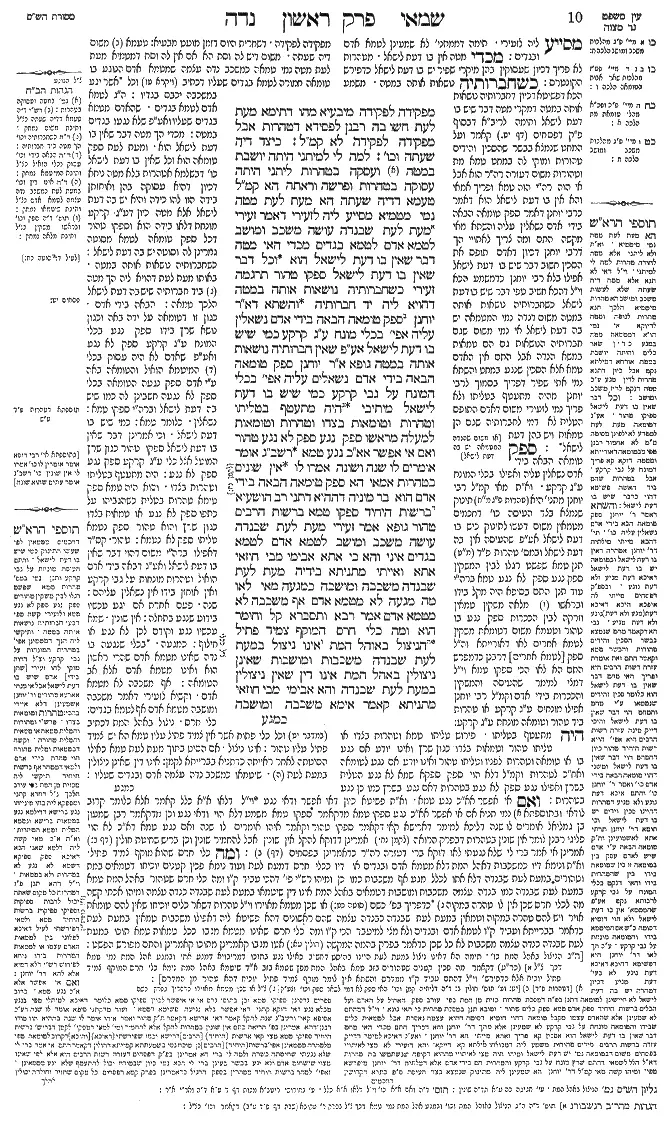
מפקידה לפקידה מיבעיא מהו דתימא מעת לעת חשו בה רבנן לפסידא דטהרות אבל מפקידה לפקידה לא קמ"ל כיצד דיה שעתה וכו' למה לי למיתני היתה יושבת במטה ועסקה בטהרות ליתני היתה עסוקה בטהרות ופרשה וראתה הא קמ"ל טעמא דדיה שעתה הא מעת לעת מטה נמי מטמיא מסייע ליה לזעירי דאמר זעירי מעת לעת שבנדה עושה משכב ומושב לטמא אדם לטמא בגדים מכדי האי מטה דבר שאין בו דעת לישאל הוא וכל דבר שאין בו דעת לישאל ספקו טהור תרגמה זעירי כשחברותיה נושאות אותה במטה דהויא ליה יד חברותיה והשתא דא"ר יוחנן ספק טומאה הבאה בידי אדם נשאלין עליה אפי' בכלי מונח ע"ג קרקע כמי שיש בו דעת לישאל אע"פ שאין חברותיה נושאות אותה במטה גופא א"ר יוחנן ספק טומאה הבאה בידי אדם נשאלים עליה אפי' בכלי המונח על גבי קרקע כמי שיש בו דעת לישאל מיתיבי היה מתעטף בטליתו וטהרות וטומאות בצדו וטהרות וטומאות למעלה מראשו ספק נגע ספק לא נגע טהור ואם אי אפשר אא"כ נגע טמא רשב"ג אומר אומרים לו שנה ושונה אמרו לו אין שונים בטהרות אמאי הא ספק טומאה הבאה בידי אדם הוא בר מיניה דההיא דתני רב הושעיא ברשות היחיד ספקו טמא ברשות הרבים טהור גופא אמר זעירי מעת לעת שבנדה עושה משכב ומושב לטמא אדם לטמא בגדים איני והא כי אתא אבימי מבי חוזאי אתא ואייתי מתניתא בידיה מעת לעת שבנדה משכבה ומושבה כמגעה מאי לאו מה מגעה לא מטמא אדם אף משכבה לא מטמא אדם אמר רבא ותסברא קל וחומר הוא ומה כלי חרס המוקף צמיד פתיל הניצול באוהל המת אינו ניצול במעת לעת שבנדה משכבות ומושבות שאינן ניצולין באהל המת אינו דין שאין ניצולין במעת לעת שבנדה והא אבימי מבי חוזאי מתניתא קאמר אימא משכבה ומושבה
Comments from Rashi on Masechet Niddah Page 5b
מפקידה לפקידה . דשחרית היום דזמן מועט מבעיא: טעמא משום דיה שעתה . משום דיש לה וסת הא אם אין לה וסת דמטמיא מעת לעת מטה נמי טמאה כמשכב נדה עצמה שמטמא אדם הנוגע בו טומאה חמורה לטמא בגדים שעליו דכתיב (ויקרא טו) וכל (אשר יגע) במשכבה יכבס בגדיו: ה"ג לטמא אדם לטמא בגדים . שהאדם מטמא בגדים שעליו ואע"פ שלא נגעו בגדים במטה: מכדי הך מטה דבר שאין בו דעת לישאל הוא . ומעת לעת ספק טומאה הוא וכל שאין בו דעת לישאל כו' דבשלמא אטהרות בלא מטה ניחא דכיון דהיא עסוקה בהן ואוחזתן בידה הוו להו כידה והיא יש בה דעת לישאל אלא מטה כיון דע"ג קרקע מונחת דלאו בידה הוא וספקו טהור דכל ספק טומאה לטמא מסוטה גמרינן לה וסוטה יש בה דעת לישאל: כשחברותיה נושאות אותה במטה . באותו מעת לעת דהויא ליה הך מטה ביד חברותיה שיש בה דעת לישאל הלכך טמאה: הבאה בידי אדם . כגון זו דטומאה על ידה באה וכגון נושא שרץ בידו ספק נגע בכלי המונח ע"ג קרקע ספק לא נגע ואע"פ שאדם לא היה עסוק בכלי המיטמא הואיל והטומאה באה ע"י אדם ספק נגעה הטומאה בכלי ספק לא נגעה חשבינן לה כמו שיש בה דעת לישאל וברה"י ספקו טמא: נשאלין . כלומר טמא: כמי שיש בו דעת לישאל . וכי אמרינן דבר שאין בו דעת לישאל ספקו טהור כגון שרץ המוטל אצל כלי ע"ג קרקע ספק נגע ספק לא נגע: היה מתעטף בטליתו וטהרות בצדו . והוא היה טמא ספק טימא טהרות בטלית כשהגביהו על כתפו ספק לא נגע או טמאות בצדו כגון שרץ והוא טהור ספק נטמא טליתו ספק לא נטמא: טהור . קס"ד דאפילו ברה"י משום דהוי דבר שאין בו דעת לישאל ואע"ג דבאה בידי אדם הואיל וטהרות מונחות על גבי קרקע ואין אוחזן בידו אין נשאלין עליהם: שנה . פעם אחרת אם יגע עכשיו בידוע שנגע בתחלה: אין שונין . שמא עכשיו נגע וקודם לכן לא נגע או חילוף: כמגעה . בכלי שנגעה בו נדה שאינו מטמא אדם שהרי ראשון הוא ואינו מטמא אדם אלא אב הטומאה: אף משכבה לא מטמא אדם . וקשיא לזעירי דאמר משכבה ומושבה מטמא אדם אף לטמא בגדים: כלי חרס . ניצול באהל המת דכתיב (במדבר יט) וכל כלי פתוח אשר אין צמיד פתיל עליו טמא הא יש צמיד פתיל עליו טהור: אינו ניצול . אם הסיט בתוך מעת לעת טמא כאילו הסיטתה לאחר ראייתה כדתניא בברייתא לקמן: אינו דין שאינן ניצולין במעת לעת . שיטמאו כמשכב נדה עצמה אדם ובגדים שעליו:
Comments from Tosafot - Niddah 5b
מסייע ליה לזעירי. תימה דממתני' לא שמעינן לטמא אדם ובגדים: מכדי מטה אין בו דעת לישאל. מטהרות לא פריך דכיון שעסוקין בהן מיקרי שפיר יש בו דעת לישאל כדפירש הקונטרס: כשחברותיה נושאות אותה במטה. משמע הכא דפשיטא דכיון דחברותיה נושאות אותה במטה דמקרי מטה דבר שיש בו דעת לישאל ותימה לריב"א דבסוף פ"ק דפסחים (דף יט.) קאמר ועל המחט שנמצא בבשר שהסכין והידים טהורות ומוקי לה במחט טמא מת וטהורות משום דעזרה רה"ר הוא אבל אי הוה רה"י הוה טמא ופריך אמאי והא אין בו דעת לישאל הוא דאמר כרבי יוחנן דאמר ספק טומאה הבאה בידי אדם נשאלין עליה והשתא מאי מקשה התם ומה צריך לאתויי הך דרבי יוחנן דכיון דאדם תופס את הסכין חשוב דבר שיש בו דעת לישאל אפילו בלא רבי יוחנן כדמשמע הכא וי"ל דהכא חשיב טפי דבר שיש בו דעת לישאל כשחברותיה נושאות אותה במטה משום דנדה נמי המטמאה יש בה דעת לישאל אי נמי משום שגם חברותיה הנושאות גם הם טמאות במשא הנדה אבל התם אין האדם טמא אלא הסכין שנגע במחט והשתא נמי אתי שפיר דפריך בסמוך לרבי יוחנן מהיה מתעטף בטליתו ולא פריך נמי לזעירי משום דאדם התופס הטלית לא דמי לחברותיה שגם הן טמאות ויש בהן דעת לישאל[או משום שהנדה הטמאה יש בה דעת לישאל]: ספק טומאה הבאה בידי אדם נשאלין עליה ואפילו בכלי המונח ע"ג קרקע. וא"ת מאי קמ"ל רבי יוחנן מתני' היא (טהרות פ"ג מ"ח) תינוק שנמצא בצד העיסה כו' דחכמים מטמאין משום דעשו לתינוק כיש בו דעת לישאל אע"פ שהעיסה אין בה דעת לישאל ובמס' טהרות פ"ד (מ"ט) תנן טמא שפשט רגלו לבין המשקין ספק נגע ספק לא נגע טמא ברה"י עוד תנן התם בסיפא היה מקל בידו ובראשו מלאה משקין טמאין וזרקה לבין הככרות ספק נגע בו טהור וטעמא משום דטומאת משקין לטמא אחרים לאו דאורייתא וה"ל ספק [לטמא אחרים] דרבנן כדמפרש התם הא לאו הכי ספקו טמא וי"ל דמצי למימר שהעיסה והמשקין והככרות בידי אדם וקמ"ל רבי יוחנן אפילו מונחים ע"ג קרקע או טהרות ביד טהור וטומאה מונחת ע"ג קרקע: היה מתעטף בטליתו. פירוש טליתו טמא וטהרות בצדו או טליתו טהור וטמאות בצדו כגון שרץ ואינו יודע אם נגע בו או טומאה וטהרות לפניו וטליתו טהור ואינו יודע אם נגע לטומאה ואח"כ לטהרות וקמ"ל דלא הוי ספק ספקא שמא לא נגע הטלית בשרץ ואפילו נגע ספק לא נגע בטהרות דאם נגע בשרץ כמו כן נגע בטהרות: ואם אי אפשר אא"כ נגע טמא. וא"ת פשיטא כיון דאי אפשר ודאי נגע וי"ל דלאו א"א כלל קאמר אלא כלומר קרוב לודאי ובתוספתא נמי תניא אם אי אפשר אא"כ נגע ספקו טמא מדקאמר ספקו טמא משמע דלא הוי ודאי נגע וכן מדקאמר רבן שמעון בן גמליאל אומרים לו שנה דליכא למימר דארישא קאי דקאמר ספקו טהור וקאמר איהו אומרים לו שנה ואם נגע טמא דא"כ לא הוי פליגי רבנן לומר אין שונין בטהרות דבפרק הרואה (לקמן נדה נח.) אמרינן דדוקא להקל אין שונין אבל להחמיר שונין וכן בריש שחיטת חולין (דף ב:) אמרינן אי אמר ברי לי שלא נגעתי לאו דוקא ברי דעזרה רה"ר כדאמרינן בפסחים (דף): ומה כלי חרס שהוא מוקף צמיד פתיל. וא"ת ונימא דיו כמשכבות דאהל המת דלא מטמא אדם ובגדים או דיו ככלי חרס דמעת לעת ועוד נימא פכין קטנים יוכיחו דטמאים במת וטהורים במעת לעת שבנדה דלא אתו לכלל מגע אף משכבות כמו כן ומיהו רש"י פי' דהכי עביד ק"ו ומה כלי חרס שטהור באהל המת טמא במעת לעת שבנדה כמו בנדה עצמה משכבות ומושבות דטמאים באהל המת אינו דין שיטמאו במעת לעת שבנדה כנדה עצמה ומיהו אכתי קשה מה לכלי חרס שכן אין לו טהרה במקוה כדפריך בפ' כשם (סוטה כט:) או שכן מטמא מאוירו וי"ל טהרות דשאר כלים יוכיחו שאין להם טומאת אויר ויש להם טהרה במקוה וטמאין במעת לעת שבנדה כבנדה עצמה שהם ראשונים דהא פשיטא ליה דאפילו משכבות טמאין במעת לעת כדאמר בברייתא ועביד ק"ו לטמא אדם ובגדים ולא מצי למיעבד הכי ק"ו ומה כלי חרס שאינו מטמא מגבו ככל טמאות טמא תוכו במעת לעת שבנדה כנדה עצמה משכבות לא כל שכן כדאמר בפרק בהמה המקשה (חולין עא:) אטו מגבו קאמרינן מתוכו קאמרינן והתם מפורש הפשט: [ה"ג הניצול באהל המת כו' . תימה הא דאינו ניצול במעת לעת היינו בהיסט דחשיב כאילו נגע בתוכו דמריבויא דמגע אתי ובמגע אהל המת נמי טמא דכך צ"ל (כר"ע) דקאמר מה פכין קטנים שטהורים בזב א"ד שטימא באהל המת נימא כלי חרס המוקף צמיד פתיל יוכיח דהא טהור מן המדרס]:
Niddah 5b - Mishnah translated into english
is it necessary to teach that an examination reduces the time from examination to examination, which is less than twenty-four hours?
The Gemara answers: This ruling is necessary, lest you say that with regard to the significant passage of a twenty-four-hour period the Sages are concerned for the possible loss of ritually pure items, but with regard to the smaller period from examination to examination, the Sages are not concerned for the loss of pure items, and therefore the use of an examination cloth should not reduce the time of possible impurity between that and her next examination. Therefore, the mishna teaches us that it does reduce this time.
§ The mishna teaches with regard to a woman who has a fixed menstrual cycle: Her time is sufficient, how so? If the woman was sitting in a bed and engaged in handling ritually pure items, and she left the bed and saw blood, she is impure and those items are pure. The Gemara asks: Why do I need the mishna to teach: If the woman was sitting in a bed and engaged in handling pure items? Let the mishna teach the same ruling without mentioning the bed: If she was engaged in handling pure items and she left and saw blood. The detail that she was sitting in a bed is apparently superfluous.
The Gemara answers: This detail teaches us that the reason why the bed is not rendered impure is that her time is sufficient and there is no retroactive impurity. It can be inferred that in a case where she is impure retroactively for a twenty-four-hour period, her bed is also rendered impure. This supports the opinion of Ze’eiri, as Ze’eiri said: The level of impurity of the retroactive twenty-four-hour period of a menstruating woman renders impure a bed upon which she lies and a chair upon which she sits, to the extent that they transmit impurity to a person who comes in contact with them, to the extent that he transmits impurity to the garments he is wearing.
This Gemara raises a difficulty: Now, this bed upon which she sat is an entity that lacks consciousness in order for it to be asked, and the principle with regard to any entity that lacks consciousness in order for it to be asked is that the item with uncertain status is deemed pure. The Gemara explains: Ze’eiri interpreted his ruling as applying specifically to a case where her friends are carrying her in the bed, where the bed is considered as the extended hand of her friends. In other words, it is part of an entity that has consciousness in order for it to be asked, and therefore the item with uncertain status is deemed impure.
The Gemara provides another answer: And now that Rabbi Yoḥanan said: In a case of uncertain ritual impurity that comes about by the hand of a person, i.e., through his involvement, the owner of the vessel must consult a Sage about it, i.e., it is considered an entity that has consciousness in order for it to be asked, as in such a case even with regard to a vessel that is placed upon the ground, which is certainly incapable of providing an answer if asked, its halakhic status is like that of an item that has consciousness in order for it to be asked. With this statement in mind, one can explain that according to Ze’eiri a menstruating woman transmits impurity to a bed even though her friends are not carrying her in the bed. Rather, as the bed’s ritual impurity was caused by the hand of a person, it has the halakhic status of an item that has consciousness in order for it to be asked.
§ The Gemara discusses the matter of Rabbi Yoḥanan’s statement itself. Rabbi Yoḥanan says: In a case of uncertain ritual impurity that comes about by the hand of man, its owner must consult a Sage about it, i.e., it is ritually impure, as in such a case even with regard to a vessel that is placed upon the ground, its halakhic status is like that of an item that has consciousness in order for it to be asked.
The Gemara raises an objection from a baraita (Tosefta, Teharot 4:1): If a man who contracted ritual impurity was wrapping himself in his cloak and there were pure items beside him; or if he was pure and there were impure items beside him as he was wrapping his cloak; or if there were pure items and impure items above his head at the time and there is uncertainty whether he touched the impure items with his cloak and then touched the pure items with his cloak, and uncertainty whether it did not touch them, the halakha is that the pure items remain pure. But if it is impossible for him to have wrapped himself unless his cloak had touched the impure items in the process, then those previously pure items become impure.
The baraita continues: Rabban Shimon ben Gamliel says that we say to him: Repeat your action. And he repeats the action of wrapping himself with his cloak, and it can then be determined whether or not the cloak and the other items came in contact with each other. The Rabbis said to him: We do not rely on repeated actions with regard to the determination of ritually pure items. Since the second action may not exactly mimic the first, it cannot be relied upon to determine ritual purity status.
The Gemara explains the objection: But according to the Rabbis, why is the halakha that the items in question remain pure? Isn’t this a case of uncertain ritual impurity that comes about by the hand of man, which, according to Rabbi Yoḥanan, is considered as having consciousness in order for it to be asked? If so, these items should be ritually impure.
The Gemara answers: Except for that one, i.e., do not raise a difficulty from that baraita, since it is referring to a specific case. As Rav Hoshaya teaches with regard to an item whose purity status is uncertain: When it is in the private domain, the item with uncertain status is deemed impure; when it is in the public domain, it is deemed pure. The baraita is referring to an item located in the public domain. Consequently, even if it is considered as having consciousness in order to be asked, nevertheless it is pure, as its uncertainty occurred in the public domain.
§ The Gemara analyzes the matter of Ze’eiri’s ruling itself. Ze’eiri says: The level of impurity assumed during the retroactive twenty-four-hour period of a menstruating woman renders a bed upon which she lies and a chair upon which she sits impure to the extent that they transmit impurity to a person who comes in contact with them to the extent that he transmits impurity to the garments he is wearing.
The Gemara asks: Is that so? But when Avimi came from Bei Ḥozai, he came and brought the following baraita with him: The level of impurity during the retroactive twenty-four-hour period of a menstruating woman renders her bed upon which she lies and her chair upon which she sits impure like the impurity level caused by her touch. The Gemara explains the difficulty: What, is it not correct to say that this means that just as an item rendered impure by her touch does not render another person impure, so too, her bed does not render another person impure?
Rava says: And how can you understand it in that manner? There is an a fortiori inference here: And if an earthenware vessel sealed with a tightly bound cover, which is spared from impurity when it is in a tent that has a corpse in it, is nevertheless not spared from impurity if the woman moved it during the twenty-four-hour period of retroactive impurity of a menstruating woman and is impure as though she moved it after she experienced bleeding; so too, with regard to beds and chairs, which are not spared from impurity in a tent that has a corpse in it, is it not logical that they are also not spared from impurity when used during the twenty-four-hour period of retroactive impurity of a menstruating woman and are impure as though she used them after she experienced bleeding?
The Gemara asks: But Avimi from Bei Ḥozai cited a baraita that apparently does not accept Rava’s a fortiori inference. The Gemara answers: One can say that the baraita does not mean that her bed and chair are rendered impure with the light level of impurity caused by her touch, but rather: Her bed upon which she lies and her chair upon which she sits
Traduction : The William Davidson digital edition of the Koren Noé Talmud, with commentary by Rabbi Adin Even-Israel Steinsaltz.