 Talmud Bavli
No video class on this page yet.
To add a video to this page please click here.Niddah Page 48b
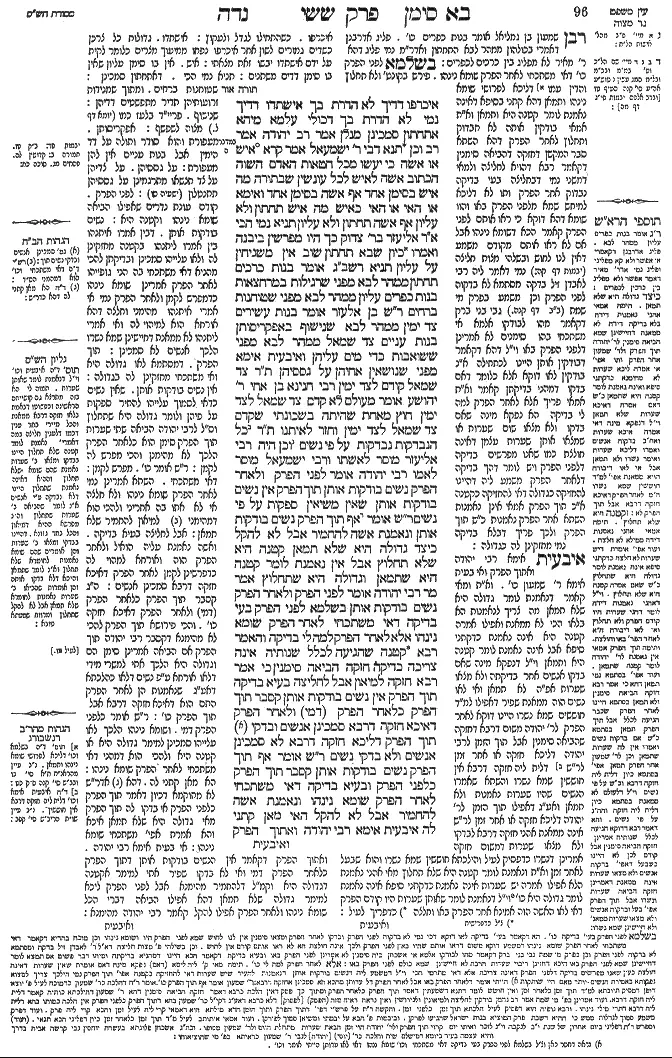
Niddah 48b - Guemara
איכרפו דדיך לא הדרת בך אישתדו דדיך נמי לא הדרת בך דכולי עלמא מיהא אתחתון סמכינן מנלן אמר רב יהודה אמר רב וכן תנא דבי ר' ישמעאל אמר קרא (במדבר ה, ו) איש או אשה כי יעשו מכל חטאות האדם השוה הכתוב אשה לאיש לכל עונשין שבתורה מה איש בסימן אחד אף אשה בסימן אחד ואימא או האי או האי כאיש מה איש תחתון ולא עליון אף אשה תחתון ולא עליון תניא נמי הכי א"ר אליעזר בר' צדוק כך היו מפרשין ביבנה ואמרו כיון שבא תחתון שוב אין משגיחין על עליון תניא רשב"ג אומר בנות כרכים תחתון ממהר לבא מפני שרגילות במרחצאות בנות כפרים עליון ממהר לבא מפני שטוחנות ברחים ר"ש בן אלעזר אומר בנות עשירים צד ימין ממהר לבא שנישוף באפקריסותן בנות עניים צד שמאל ממהר לבא מפני ששואבות כדי מים עליהן ואיבעית אימא מפני שנושאין אחיהן על גססיהן ת"ר צד שמאל קודם לצד ימין רבי חנינא בן אחי ר' יהושע אומר מעולם לא קדם צד שמאל לצד ימין חוץ מאחת שהיתה בשכונתי שקדם צד שמאל לצד ימין וחזר לאיתנו ת"ר כל הנבדקות נבדקות על פי נשים וכן היה רבי אליעזר מוסר לאשתו ורבי ישמעאל מוסר לאמו רבי יהודה אומר לפני הפרק ולאחר הפרק נשים בודקות אותן תוך הפרק אין נשים בודקות אותן שאין משיאין ספקות על פי נשים ר"ש אומר אף תוך הפרק נשים בודקות אותן ונאמנת אשה להחמיר אבל לא להקל כיצד גדולה היא שלא תמאן קטנה היא שלא תחלוץ אבל אין נאמנת לומר קטנה היא שתמאן וגדולה היא שתחלוץ אמר מר רבי יהודה אומר לפני הפרק ולאחר הפרק נשים בודקות אותן בשלמא לפני הפרק בעי בדיקה דאי משתכחי לאחר הפרק שומא נינהו אלא לאחר הפרק למה לי בדיקה והאמר רבא קטנה שהגיעה לכלל שנותיה אינה צריכה בדיקה חזקה הביאה סימנין כי אמר רבא חזקה למיאון אבל לחליצה בעיא בדיקה תוך הפרק אין נשים בודקות אותן קסבר תוך הפרק כלאחר הפרק (דמי) ולאחר הפרק דאיכא חזקה דרבא סמכינן אנשים ובדקי תוך הפרק דליכא חזקה דרבא לא סמכינן אנשים ולא בדקי נשים ר"ש אומר אף תוך הפרק נשים בודקות אותן קסבר תוך הפרק כלפני הפרק ובעיא בדיקה דאי משתכחי לאחר הפרק שומא נינהו ונאמנת אשה להחמיר אבל לא להקל האי מאן קתני לה איבעית אימא רבי יהודה ואתוך הפרק
Comments from Rashi on Masechet Niddah Page 48b
איכרפו . כשהתחילו לגדל ולעקוץ: אישתדו . גדולות כל צרכן כשדים גמורים. לשון אחר איכרפו נפחו ממיעוך מצרים כלומר לקית על ידם אישתדו יבשו זאת מצאתי: איש . אין בו סימן עליון שאין בו סימן דדים משתנים: תניא נמי הכי . דאתחתון סמכינן: שטוחנות ברחים . ומתוך שמנידות זרועותיהן תדיר מתפשטים דדיהן: שנישוף . פריי"ר בלע"ז כמו (יומא דף ל.) מצוה לשפשף: אפקריסותן . מעפורת והוא סודר ותולה על דד הימין אבל בנות עניים אין להן מעפורת: על גססיהן . על צדיהן. על צד תנשאו מתרגמינן על גססיהן תתנטלון (ישעיהו סו): לפני הפרק . קודם עונת נדרים שאפילו הביאה שומא נינהו וקטנה היא: נשים בודקות אותן . דבין אמרו איתנהו בין אמרו ליתנהו בקטנה מחזקינן לה ולאו עלייהו סמכינן ובדיקתן להכי מהניא דאי משתכחי בה הני גופייהו לאחר הפרק אמרינן שומא נינהו כדמפרש לקמן ולאחר הפרק נמי אי אמרי איתנהו מהימני וחלצה דהא אורחא הוא למיהוי לה ואי אמרי ליתנהו לא ממאנת דחיישינן שמא נשרו הלכך אנשים לא סמכינן: תוך הפרק . דמסתמא לאו גדולה היא ואי משתכחי מחזקינן לה בגדולה: אין נשים בודקות אותן . שאין נשים כדאי לסמוך עלייהו להתיר ספקות על פיהן ולומר גדולה היא שתחלוץ וס"ל לרבי יהודה הביאה שתי שערות תוך הפרק סימן הוא כלאחר הפרק הלכך לא מהימנן והכי מפרש לה לקמן: ר"ש אומר כו' . מפרש לקמן: דאי משתכחי . השתא אמרינן נמי לאחר הפרק שומא נינהו ולא חלצה אי לא אתו בה אחריני ולהכי הוא דמהימני למיאון להחמיר שלא תמאן: אבל לחליצה בעיא בדיקה . ואשה נאמנת עליה הואיל ולאחר הפרק הוה ואורחא למהוי לה כדפרשינן לקמן לאחר הפרק דאיכא חזקה דרבא סמכינן אנשים: ה"ג קסבר תוך הפרק כלאחר הפרק (דמי) ולאחר הפרק דאיכא חזקה כו' . והכי פירושא תוך הפרק להכי לא מהימנא דקסבר רבי יהודה תוך הפרק אם הביאה אמרינן סימן הם וגדולה היא הלכך אתי למשרי מידי דלאו אורחא ע"פ נשים דלאו כהלכתא דאע"ג שנאמנות הן לאחר הפרק התם הוא דאיכא חזקה דרבא אבל תוך הפרק כו': ר"ש אומר כלפני הפרק דמי . ושומא נינהו הלכך לאו עלייהו סמכינן למימר גדולה היא או קטנה היא ולהכי הוא דמהני דאי משתכחי לאחר הפרק שומא נינהו: הא מאן קתני לה . דהא אדר"ש לא מתוקמא דכיון דאמר תוך הפרק כלפני הפרק אי בדקו לה תוך הפרק מאי גדולה היא שלא תמאן איכא והא אמרת אפי' משתכחי שומא נינהו: אי בעית אימא רבי יהודה ואתוך הפרק . דקאמר אין הנשים בודקות אותן דתוך הפרק כלאחר הפרק דמי ואי לא בדקו שפיר אתי למימר אקטנה דגדולה היא וקמ"ל דלהחמיר מהימנא אבל לפני הפרק ליכא למימר גדולה שלא תמאן דהא אפילו הביאה דברי הכל שומא נינהו ולאחר הפרק אפילו להקל קאמר רבי יהודה מהימנא:
Comments from Tosafot - Niddah 48b
רבן שמעון בן גמליאל אומר בנות כפרים כו'. פליג אדרבנן דאמרי בכולהון ממהר לבא התחתון ואדר"מ נמי פליג דהא ר' מאיר לא מפליג בין כרכים לכפרים: בשלמא לפני הפרק כו' דאי משתכחי לאחר הפרק שומא נינהו. פירש בקונט' ולא תחלוץ והדין עמו דליכא לפרושי שומא נינהו ותמאן דהא קתני בסיפא דאינה נאמנת לומר קטנה היא ותמאן וא"ת אמאי בודקין אותה לא תבדוק ותחלוץ לאחר הפרק דהא השתא סבר המקשן דחזקה דהביאה סימנין דקאמר רבא דהויא לחליצה ולמאי דמשני נמי דבחליצה בעי בדיקה נבדוק אחר הפרק ותו לא דליכא למיחש שמא מלפני הפרק באו והוו שומא דהא דוקא כי ראו אותם לפני הפרק קאמר הכא דשומא נינהו אבל אם לא ראו אותם מקודם משמע דאין לנו לחוש ובשלהי מצות חליצה (יבמות דף קה:) נמי דאמר ליה רבי לאבדן זיל בדקה מסתמא לא בדקוה לפני הפרק וכן משמע בפרק מי שמת (ב"ב דף קנה.) גבי בני ברק דקאמר מהו לבודקו אלמא אי משתכחי בהו סימנים לא אמרינן דלפני הפרק באו וי"ל דהא דקאמר דבודקין אותן היינו לכתחילה א"נ בודקין לאו דוקא אלא כלומר דאם בדקו דמהני בדיקתן קאמר וא"ת אמאי פריך אלא לאחר הפרק למה לי בדיקה הא נפקא מינה שאם בדקו ולא מצאו שום שערות או שמצאו אותן שערות עצמן דאינה חולצת כמו שאנו מפרשים בדיקה דלפני הפרק ויש לומר דהך בדיקה דלאחר הפרק משמע ליה דהיינו להחזיקה כגדולה דאי להחזיקה כקטנה א"כ תוך הפרק אמאי אינן נאמנות השתא אחר הפרק נאמנות כ"ש תוך הפרק ולכך פריך דבלא בדיקה נמי מחזקינן לה כגדולה: איבעית אימא רבי יהודה ואתוך הפרק ואי בעית אימא ר' שמעון כו'. וא"ת ומאי קאמר דנאמנת לומר גדולה היא שלא תמאן מה צריך לנאמנות הא בלאו הכי לא ממאנת ואפילו אמרה קטנה היא אינה נאמנת כדקתני סיפא אבל אינה נאמנת לומר קטנה היא ותמאן וי"ל דנפקא מינה שאם בדקו אנשים אחר בדיקתה ולא מצאו שערות אפ"ה לא תמאן ואי לאו נשים הוה ממאנת שפיר דאפילו למ"ד חוששים שמא נשרו היינו דוקא לאחר הפרק לר' יהודה משום דרבא דחזקה שהביאה סימנין אבל תוך הזמן לרבי יהודה דליכא חזקה או אחר זמן לר"ש דלית ליה חזקה דרבא אין חוששין שמא נשרו והשתא שאמרו הנשים שהיו שערות נאמנות ולא תמאן ואע"ג דאפילו תוך הזמן לר' יהודה דליכא חזקה או אחר זמן לר"ש אינה ממאנת אהני חזקה דרבא לבדקו ולא מצאו שערות דמשום חזקה אמרינן דנשרו כדפסיק לעיל והילכתא חוששין שמא נשרו והוא שבעל לאחר זמן וא"ת ונאמנת לומר קטנה היא שלא תחלוץ מאי אהני נאמנת הלא אפילו אמרה יש שערות אינה נאמנת כדקתני סיפא אינה נאמנת לומר גדולה היא כו' וי"ל דנאמנת לומר שאותן שערות היו קודם הפרק דאי לאו האשה הוה אמינא אחר הפרק באו וחלצה כדפריך לעיל:
Niddah 48b - Mishnah translated into english
Although your breasts began to develop, you still did not reform your ways, and you continued to act licentiously. And furthermore, even when your breasts grew fully, you also did not reform your ways.
§ The Gemara asks: In any event, everyone, both Rabbi Meir and the Rabbis, agrees that we rely on the lower sign. From where do we derive that we rely exclusively on the lower sign and do not require the appearance of the upper sign as well? Rav Yehuda said that Rav said, and likewise a Sage of the school of Rabbi Yishmael taught: The verse states: “A man or woman, when they commit any of the sins of men” (Numbers 5:6). The Torah thereby rendered a woman equal to a man with regard to all punishments of the Torah. Just as a man is considered to have reached majority based on one sign, i.e., the lower sign of two pubic hairs, so too, a woman reaches majority based on one sign, the lower sign.
The Gemara raises a difficulty: But one can say that although a woman’s status, like that of a man, depends on one sign, in the case of a woman she reaches majority either through this, the lower sign, or that, the upper sign. From where is it derived that it must be specifically the lower sign? The Gemara answers: This is based on the same comparison of men and women. Her halakha is like that of a man: Just as a man reaches majority based on the lower sign and not the upper sign, as this is not applicable to him, so too, a woman reaches majority based on the lower sign and not the upper sign.
The Gemara notes that this halakha, that the lower sign is sufficient by itself for a woman, is also taught in a baraita. Rabbi Eliezer, son of Rabbi Tzadok, said: This is how the Sages would explain it in the study hall of Yavne. They said: Once the lower sign has appeared, we no longer concern ourselves with the appearance of the upper sign in order to establish a woman’s status, as she is considered to have reached her majority by virtue of the lower sign.
§ It is taught in a baraita, with regard to the appearance of signs indicating puberty in young women, that Rabban Shimon ben Gamliel says: In the case of young women who reside in cities, the lower sign appears more quickly than the upper sign, because they frequent the bathhouses, which stimulates the growth of the hair. By contrast, in the case of young women who reside in villages, the upper sign appears more quickly than the lower sign, because they grind with mills, which develops their breasts.
Rabbi Shimon ben Elazar says: There are differences in the rate of development of the breasts. In the case of the daughters of the wealthy, the growth of the breast on the right side arrives more quickly than that of the left side, as it rubs against their upper body cloaks, which are worn by the wealthy. By contrast, in the case of the daughters of the poor, the growth of the breast on the left side arrives more quickly than that of the right side, because they draw jugs of water on that side. And if you wish, say instead that the left breast develops more quickly because they carry their younger brothers on their left sides.
The Sages taught in a baraita: The growth of the breast on the left side arrives before that of the right side. Rabbi Ḥanina, son of the brother of Rabbi Yehoshua, says: It never occurred that the growth of the breast on the left side arrived before that of the right side, except for the case of one young woman who was in my neighborhood, as the growth of the breast on her left side arrived before that of the right side, and later the right breast returned to its normal condition and developed normally.
§ The Sages taught in a baraita: All girls who are examined to determine whether or not their signs indicating puberty have appeared are examined based on the testimony of women. And likewise, Rabbi Eliezer would follow this halakha in practice and give the girls to his wife to examine, and Rabbi Yishmael would similarly give the girls to his mother to examine.
The baraita continues: Rabbi Yehuda says: Before the minimum age at which pubic hair is considered a sign, i.e., eleven years and one day, when any hair that is found is considered to be merely a mole and not a sign, and similarly after the age of majority, twelve years and one day, when a female is presumed to have grown pubic hair like most girls her age, women may examine them and their testimony is accepted. But during the time between eleven years and one day and twelve years and one day, women may not examine them. The reason is that one does not resolve cases of uncertainty based on the testimony of women. Rabbi Shimon says: Even during the time between eleven years and one day and twelve years and one day, women may examine them. And a woman is deemed credible, and her testimony is accepted, to be stringent but not to be lenient.
The baraita continues: How so, i.e., how is a woman’s testimony accepted with regard to the girl she has examined as a stringency but not a leniency? If the woman said that the girl is a female who reached majority, her claim is accepted to the extent that she does not perform refusal. The refusal of a husband, which applies in the case of a girl whose father had died and who was married off by her mother or brother, can be performed by the girl only until she reaches majority. If the woman said that this girl is a minor, her testimony is accepted to the extent that she does not perform ḥalitza.
The baraita concludes: But the woman who examined the girl is not deemed credible to say that she is a minor girl to the extent that she performs refusal. And likewise, the woman is not deemed credible to say that she is a female who reached majority to the extent that she performs ḥalitza.
The Gemara analyzes the baraita. The Master said that Rabbi Yehuda says: Before the minimum age at which pubic hair is considered a sign, and similarly after the age of majority, women may examine them. The Gemara raises a difficulty: Granted, one can understand that before the minimum age there is a requirement for examination, so that if they find hair after the minimum age which they already saw before the minimum age, these hairs are evidently a mere mole, not a sign of maturity.
But why do I need a girl to undergo an examination after the age of majority? Didn’t Rava say: A minor girl who reached her full years, i.e., her age of majority, twelve years and one day, does not require an examination, as there is a presumption that she has developed signs indicating puberty? The Gemara explains: When Rava said that one relies on this presumption, he was referring specifically to her inability from now on to perform refusal. But with regard to ḥalitza, she requires an examination to determine that she has reached maturity.
The baraita stated that according to Rabbi Yehuda, women are deemed credible to examine girls who are either younger than eleven years and one day or older than twelve years and one day. But during the time between eleven years and one day and twelve years and one day, women may not examine them. The Gemara explains that Rabbi Yehuda holds that the period during this time is considered like after the age of majority. In other words, the signs indicating puberty that a girl develops during this time are considered to be full-fledged signs, which means that she has reached majority even before the age of twelve and one day. Accordingly, the testimony of women is not accepted for this period, as her change of status enables her to perform ḥalitza with her husband’s brother.
But after the minimum age of twelve years and one day, when there is the presumption of Rava that a girl has already developed signs indicating puberty, one may rely on women and have them examine the girl. During this age, between eleven and twelve, when there is no presumption of Rava that she has already developed signs indicating puberty, one may not rely on women, and therefore women may not examine the girl.
By contrast, Rabbi Shimon says that even during this age, between eleven years and one day and twelve years and one day, women may examine girls to determine if they have grown pubic hair. This is because Rabbi Shimon holds that the period during this age is considered like before the minimum age, which means that the girl is a minor based on her age, regardless of the results of the examination. And the only reason she requires an examination is that if they find hair after the minimum age, which they had already seen before the minimum age, these hairs are deemed a mere mole, not a sign of maturity.
The baraita further teaches: And a woman is deemed credible to testify to be stringent with regard to the girl who she examined but not to be lenient. The Gemara asks: Who taught this halakha? The Gemara answers: If you wish, say that it is in accordance with the opinion of Rabbi Yehuda, and it is referring to during the age between eleven years and one day and twelve and one day.
Traduction : The William Davidson digital edition of the Koren Noé Talmud, with commentary by Rabbi Adin Even-Israel Steinsaltz.