 Talmud Bavli
Mo'ed Katan 17b : Youtube
Daf TubeYoutube
3 video classes :
Mo'ed Katan Page 17b
Mo'ed Katan 17b - Guemara
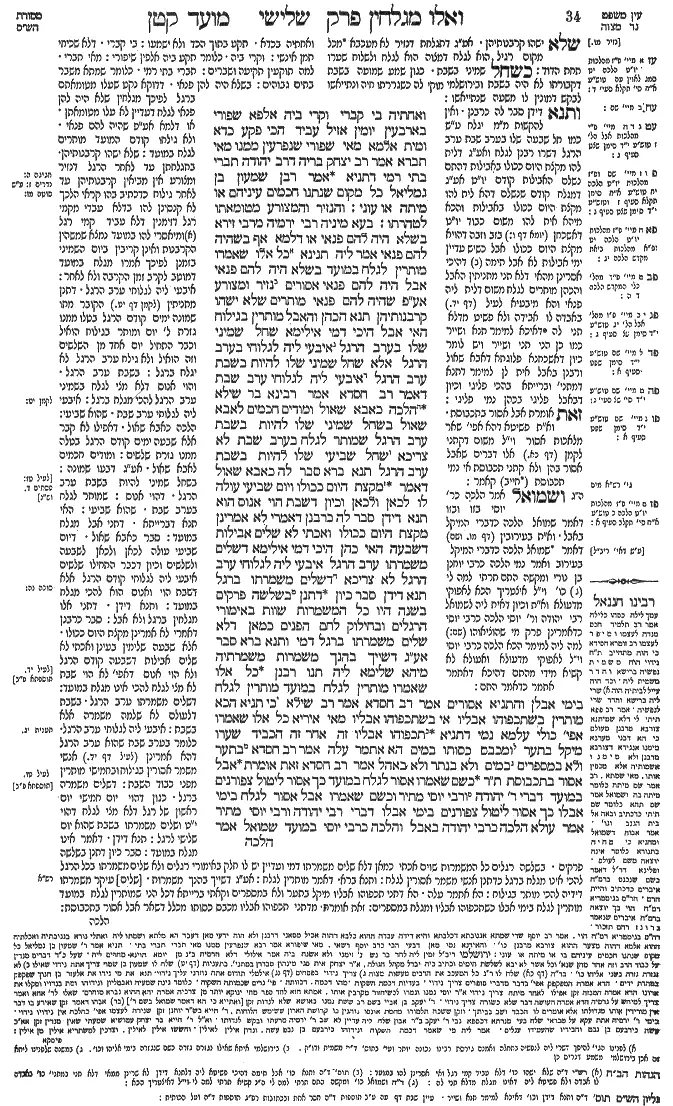
ואחתיה בי קברי וקרי ביה אלפא שפורי בארבעין יומין אזיל עביד הכי פקע כדא ומית אלמא מאי שפורי שנפרעין ממנו מאי תברא אמר רב יצחק בריה דרב יהודה תברי בתי רמי דתניא אמר רבן שמעון בן גמליאל כל מקום שנתנו חכמים עיניהם או מיתה או עוני:
והנזיר והמצורע מטומאתו לטהרתו:
בעא מיניה רבי ירמיה מרבי זירא בשלא היה להם פנאי או דלמא אף בשהיה להם פנאי אמר ליה תנינא כל אלו שאמרו מותרין לגלח במועד בשלא היה להם פנאי אבל היה להם פנאי אסורים נזיר ומצורע אע"פ שהיה להם פנאי מותרים שלא ישהו קרבנותיהן תנא הכהן והאבל מותרין בגילוח האי אבל היכי דמי אילימא שחל שמיני שלו בערב הרגל איבעי ליה לגלוחי בערב הרגל אלא שחל שמיני שלו להיות בשבת ערב הרגל איבעי ליה לגלוחי ערב שבת דאמר רב חסדא אמר רבינא בר שילא הלכה כאבא שאול ומודים חכמים לאבא שאול בשחל שמיני שלו להיות בשבת ערב הרגל שמותר לגלח בערב שבת לא צריכא שחל שביעי שלו להיות בשבת ערב הרגל תנא ברא סבר לה כאבא שאול דאמר מקצת היום ככולו ויום שביעי עולה לו לכאן ולכאן וכיון דשבת הוי אנוס הוא תנא דידן סבר לה כרבנן דאמרי לא אמרינן מקצת היום ככולו ואכתי לא שלים אבילות דשבעה האי כהן היכי דמי אילימא דשלים משמרתו ערב הרגל איבעי ליה לגלוחי ערב הרגל לא צריכא דשלים משמרתו ברגל תנא דידן סבר כיון דתנן בשלשה פרקים בשנה היו כל המשמרות שוות באימורי הרגלים ובחילוק לחם הפנים כמאן דלא שלים משמרתו ברגל דמי ותנא ברא סבר אע"ג דשייך בהנך משמרות משמרתיה מיהא שלימא ליה תנו רבנן כל אלו שאמרו מותרין לגלח במועד מותרין לגלח בימי אבלן והתניא אסורים אמר רב חסדא אמר רב שילא כי תניא הכא מותרין בשתכפוהו אבליו אי בשתכפוהו אבליו מאי איריא כל אלו שאמרו אפי' כולי עלמא נמי דתניא תכפוהו אבליו זה אחר זה הכביד שערו מיקל בתער ומכבס כסותו במים הא אתמר עלה אמר רב חסדא בתער ולא במספרים במים ולא בנתר ולא באהל אמר רב חסדא זאת אומרת אבל אסור בתכבוסת ת"ר כשם שאמרו אסור לגלח במועד כך אסור ליטול צפורנים במועד דברי ר' יהודה ורבי יוסי מתיר וכשם שאמרו אבל אסור לגלח בימי אבלו כך אסור ליטול צפורנים בימי אבלו דברי רבי יהודה ורבי יוסי מתיר אמר עולא הלכה כרבי יהודה באבל והלכה כרבי יוסי במועד שמואל אמר
Comments from Rashi on Masechet Mo'ed Katan Page 17b
ואחתיה בכדא . תקע בתוך הכד ולא ישמעו: בי קברי . דלא שכיחי תמן אינשי: וקרי ביה . כלומר תקע ביה אלפין שיפורי: מאי תברי . למה תוקעין תקיעה ושברים: תברי בתי רמי . כלומר שמתא משבר בתים גבוהים: בשלא היה להן פנאי . דדוקא נקט שעלו מטומאתם ברגל לפיכך מגלחין שלא היה להן פנאי לגלח דעדיין לא עלו מטומאתן: או דלמא אע"פ שהיה להם פנאי . ולא גילחו קודם המועד מותרים לגלח במועד: שלא ישהו קרבנותיהן . בתגלחתן עד לאחר הרגל דנזיר ומצורע אין מביאין קרבנותיהן עד לאחר גילוח כדכתיב בהו קראי הלכך לא קנסינן להו בדלא עבדי מקמי רגל דזימנין דלא עביד קמי רגל ומיאסרי להו במועד נמצא שמשהין הקרבנות ואינן קריבין ביום השמיני בזמנן לפיכך אמרו מגלח במועד דמוטב לקרב זמן הקרבה ולא לאחר: איבעי ליה לגלוחי ערב הרגל . דתנן מתניתין (לקמץ דף יט.) הקובר מתו שמונה ימים קודם הרגל בטלו ממנו גזרת ל' יום ומותר בגילוח הואיל וכבר התחיל יום אחד מן השלשים וזה הואיל ולא גילח ערב הרגל לא יגלח ברגל: בשבת ערב הרגל . והוי אנוס דלא מצי לגלח בשמיני ערב הרגל להכי מגלח ברגל: איבעי ליה לגלוחי ערב שבת . שהוא שביעי: הלכה כאבא שאול . דאפילו לא קבר אלא שבעה ימים קודם הרגל בטלה ממנו גזרת שלשים: ומודים חכמים לאבא שאול . אע"ג דבעו שמונה: בשחל שמיני להיות בשבת ערב הרגל . דהוי אנוס: שמותר לגלח בערב שבת . שהוא שביעי: האי תנא דברייתא . דתני אבל מגלח במועד: סבר כאבא שאול . דיום שביעי עולה לכאן ולכאן לשבעה ולשלשים וכיון דכבר התחילו שלשים איבעי ליה לגלוחי קודם הרגל אלא דשבת הוי ואנוס הוא להכי מגלח במועד: ותנא דידן . דתני אלו מגלחין ברגל ולא אבל: סבר כרבנן דאמרי לא אמרינן מקצת היום ככולו . אלא שבעה שלימין בעינן ואכתי לא שלים אבילות דשבעה קודם הרגל ולא הוי אנוס דאפי' לא הוי שבת לא מצי לגלח להכי אינו מגלח במועד: דשלים משמרתו ערב הרגל . בשבת דלעולם לא שלמה משמרה אלא בשבת: איבעי ליה לגלוחי ערב הרגל . כלומר בערב שבת שהוא ערב הרגל דהא אמרינן (לעיל מועד קטן דף יד.) אנשי משמר אסורין בגילוח ובחמישי מותרין מפני כבוד השבת: דשלים משמרה ברגל . כגון דהוי יום חמישי יום ראשון של רגל דלא מצי לגלח דהוי י"ט ושלים משמרתו בשבת שהוא יום שלישי לרגל: תנא דידן . דאמר אינו מגלח במועד: סבר כיון דתנן בשלשה פרקים . בשלשה רגלים כל המשמרות שוים אכתי כמאן דלא שלים משמרתו דמי ועדיין יש לו חלק באימורי רגלים ולא שלים משמרתו בכל הרגל להכי אינו מגלח ברגל כדתנן אנשי משמר אסורין לגלח: ותנא ברא . דאמר מותרין לגלח: אע"ג דשייך בהנך משמרות . [שלים] עיקר משמרתו דידיה להכי מותר בגילוח: הא אתמר עלה . הא דתני תכפוהו אבליו מיקל בתער ולא במספרים וקאתי ברייתא דכל הני שמותרין לגלח במועד מותרין לגלח בימי אבלו כשתכפוהו אבליו ומגלח במספרים: זאת אומרת . מדתני תכפוהו אבליו מכבס כסותו מכלל דשאר אבל אסור בתכבוסת:
Comments from Tosafot - Mo'ed Katan 17b
שלא ישהו קרבנותיהן. אע"ג דתגלחת דנזיר לא מעכבא. מכל מקום רגיל הוא לגלח דמצוה הוא לגלח ולשלוח שערו תחת הדוד: כשחל שמיני בשבת. כגון שמע שמועה בשבת דקבורתו לא היה בשבת ובירושלמי מוקי לה כשגררתו חיה ונתייאשו לבקש דמונין לו משעה שנתייאשו: ותנא דידן סבר לה כרבנן. ואין להקשות מ"מ יגלח ע"ש כמו חל שבעה שלו בערב שבת ערב הרגל דשרו רבנן לגלח ואע"ג דלית להו מקצת היום ככולו באבילות דהתם נשלם האבילות קודם יו"ט אע"ג דמגלח קודם שנשלם דהא לית להו מקצת היום ככולו באבילות והכא מיהא אית להו משום כבוד יו"ט דאשכחן (יומא דף ו:) בזב וזבה דהויא מקצת היום ככולו אבל כשיש עדיין ימי אבילות לא אבל תימה דהיכי אסרינן מהאי דלא תני מתניתין האבל והכהן מותרים לגלח משום דלית ליה פנאי והא מיבעיא לעיל (מועד קטן דף יד.) באבדה לו אבידה ולא פשיט מדלא תני לה דאיכא למימר תנא ושייר כמו כן הני תני ושייר ויש לומר כיון דאשכחנא פלוגתא דאבא שאול ורבנן באבל אית לן למימר דתנא דמתני' וברייתא בהכי פליגי וכיון דבאבל פליגי בכהן נמי פליגי: זאת אומרת אבל אסור בתכבוסת. וא"ת פשיטא דהא אפי' שאר מלאכות אסור וי"ל משום דקתני לקמן (מועד קטן דף כא.) אלו דברים שאבל אסור בהן ולא קתני תכבוסת אי נמי תכבוסת (חייב) קאמר: ה"ג ושמואל אמר הלכה כר' ' יוסי בזו ובזו דאמר שמואל הלכה כדברי המיקל באבל. וא"ת בעירובין (דף מו. ושם) דאמר שמואל הלכה כדברי המיקל בעירוב ואמר נמי הלכה כרבי יוחנן בן נורי ומקשה התם תרתי למה לי כו' וי"ל איצטריך הכא לאפוקי מדעולא וא"ת וכיון דאית ליה לשמואל רבי יהודה ור' יוסי הלכה כרבי יוסי כדאמרינן פרק מי שהוציאוהו (שם:) למה ליה למימר הכא הלכה כרבי יוסי וי"ל לאפוקי מדעולא ואעולא לא קשיא מידי מהתם דהיכא דאתמר אתמר כדאמר התם:
Mo'ed Katan 17b - Mishnah translated into english
and set it down in a cemetery, where nobody is found, and sound a thousand, i.e., many, shofar blasts over the course of forty days. That man went and did this. The jug burst and the violent man died. The Gemara asks: What is the reason that shofarot are sounded when a decree of ostracism is pronounced? The shofarot allude to the fact that they extract punishment [shenifra’in] from the excommunicated person.
The Gemara asks further: What is the reason that broken blasts are sounded on the shofar when the excommunication is pronounced? Rav Yitzḥak, son of Rav Yehuda, said: It breaks tall buildings, i.e., a decree of ostracism can harm and break even the high and mighty, as it is taught in a baraita: Rabban Shimon ben Gamliel said: Wherever it says that the Sages set their eyes in anger upon a particular person, it causes either death or poverty.
§ It is taught in the mishna: And the nazirite whose term of naziriteship ended on the intermediate days of a Festival, and the leper who needs to purify himself on the intermediate days and must shave his entire body in order to leave his state of ritual impurity and regain his ritual purity, these people are permitted to cut their hair on the intermediate days of the Festival because they were not able to do so on the eve of the Festival. Rabbi Yirmeya raised a question before Rabbi Zeira: Is this allowance limited to the case where they did not have the time to cut their hair before the Festival, as it was prohibited for them to do so beforehand? Or perhaps they may cut their hair even in a case where they had the time to do so beforehand.
He said to him: We already learned this in a baraita: With regard to all those about whom the Sages said that they are permitted to cut their hair on the intermediate days of a Festival, they may do so only if they did not have time to cut their hair before the Festival. But if they had time before the Festival began, then they are prohibited from doing so.
However, a nazirite and a leper, even if they had the time to do so before the Festival, they are permitted to cut their hair. Why are they granted this special allowance? So that they will not delay bringing their offerings. Both a nazirite and a leper must cut their hair before sacrificing their offerings in completion of their purification process. Therefore, if they are not permitted to cut their hair, they will not be able to sacrifice their offerings at the proper time.
In was taught in a baraita: A priest and a mourner are permitted to cut their hair during the intermediate days of a Festival. The Gemara asks: What are the circumstances when the mourner is permitted to do so? If we say that the eighth day of his mourning occurred on the eve of the Festival, then he should have cut his hair on the eve of the Festival, as the more stringent restrictions of his mourning no longer applied. Rather, it must be that we are dealing with a case where the eighth day of his mourning occurred on a Shabbat that was the eve of the Festival, and so he could not have cut his hair on the Festival eve.
But if this is the case, he should have cut his hair on Friday, for Rav Ḥisda said that Ravina bar Sheila said: The halakha is in accordance with the opinion of Abba Shaul. If the deceased was buried seven days before the Festival, then not only has the mourner completed the seven-day mourning period, but he is even regarded as having begun the thirty-day mourning period, and so the Festival cancels this thirty-day period of mourning. And the Rabbis concede to the opinion of Abba Shaul when the eighth day of his mourning occurs on a Shabbat that is the eve of the Festival, and they maintain that he is permitted to cut his hair on Friday. Since he is unavoidably prevented from cutting his hair on the eighth day, the Rabbis allowed him to cut it already on the seventh day.
The Gemara answers: No, the ruling of the baraita is necessary in the case where the seventh day of his mourning occurs on a Shabbat that is the eve of the Festival. In that case, he certainly cannot cut his hair on Friday because it is only the sixth day of his mourning, and so he is permitted to cut his hair on the intermediate days of the Festival.
The Gemara comments: The tanna of the baraita, who permits a mourner to cut his hair during the intermediate days of the Festival, holds in accordance with the opinion of Abba Shaul, who said: The legal status of part of the day is like that of an entire day, and therefore the seventh day counts as both the final day of the seven-day mourning period and the first day of the thirty-day mourning period. From the perspective of the halakhot of mourning, one would be permitted to cut his hair; however since this day is Shabbat, he is unavoidably prevented from doing so, and therefore he is permitted to cut his hair during the intermediate days of the Festival.
The tanna of our mishna, on the other hand, who does not mention that a mourner is permitted to cut his hair on the intermediate days of a Festival, holds in accordance with the opinion of the Rabbis, who say: We do not say that the legal status of part of the day is like that of an entire day for a mourner. Therefore, he has not yet completed his seven-day period of mourning, and consequently he will not be permitted to cut his hair even after the Festival, until the completion of the thirty-day mourning period.
The Gemara continues and asks: The case of this priest, who is permitted to cut his hair during the intermediate days of a Festival, what are the circumstances? If we say that he completed his watch on the eve of the Festival, then he should have cut his hair on the eve of the Festival.
The Gemara answers: No, the ruling of the baraita is necessary in the case where one completed his watch during the Festival week itself. The tanna of our mishna holds that since we learned in a mishna (Sukka 55b): At the year, i.e., the three pilgrimage Festivals, all of the priestly watches share equally in the Festival offerings and in the division of the shewbread among the priests on Shabbat that occurs on the Festival, therefore, he is considered like one whose watch was not completed during the Festival, and he may not cut his hair until after the Festival. And the tanna of the baraita holds that although he belongs also to those other watches serving during the Festival, nevertheless, his own watch was completed before the Festival, and so he is permitted to cut his hair.
§ The Sages taught the following baraita: All those about whom it was said that they are permitted to cut their hair on the intermediate days of a Festival because they were unable to do so beforehand, they may similarly cut their hair during the period of their mourning if they had been unable to do so beforehand.
The Gemara asks: But isn’t it taught in another baraita: They are nevertheless prohibited from cutting their hair during the period of their mourning? Rav Ḥisda said that Rav Sheila said: When it is taught in the baraita that they are permitted to cut their hair, it is referring to one for whom two periods of mourning applied in succession. In other words, this person was required to practice one period of mourning immediately following another period of mourning, and he is unable to endure the prescribed restrictions for such an extended period.
The Gemara asks: If this is referring to a case where his mourning applied in succession, then why specifically does the baraita discuss all those about whom it was said that they may cut their hair? The allowance should apply even to everyone, not only to those who had been unavoidably prevented from cutting their hair in the preceding period, as it is taught in a baraita: If one’s mourning periods applied in succession, one after the other, and his hair grew long and became heavy, he may lighten it by cutting his hair with a razor, and he may wash his garment in water, so that he does not suffer for such a long time without cutting his hair or washing his clothes.
The Gemara answers: But wasn’t it said with regard to that baraita: Rav Ḥisda said: When it states that one may cut his hair, it means that he may do so with a razor, but not with scissors? Similarly, when it states that one may wash his clothes, it means that he may launder them with water, but not with neter or soap. Therefore, the baraita teaches that if one had been unavoidably prevented from performing these actions beforehand and then had to observe a double mourning period, he may cut his hair in an ordinary manner, without performing these actions in an altered way. Rav Ḥisda said: That is to say that, generally speaking, a mourner is prohibited from laundering his clothes.
The Sages taught the following baraita: Just as the Sages said that it is prohibited to cut one’s hair during the intermediate days of a Festival, so too it is prohibited to cut one’s nails during the intermediate days of a Festival; this is the statement of Rabbi Yehuda, whereas Rabbi Yosei permits cutting nails.
And just as the Sages said that a mourner is prohibited from cutting his hair during the period of his mourning, so too he is prohibited from cutting his nails during the period of his mourning; this is the statement of Rabbi Yehuda, whereas Rabbi Yosei permits a mourner to cut his nails.
Ulla said: The halakha is in accordance with the opinion of Rabbi Yehuda with regard to mourning, but the halakha is in accordance with the opinion of Rabbi Yosei with regard to the intermediate days of the Festival. Shmuel said:
Traduction : The William Davidson digital edition of the Koren Noé Talmud, with commentary by Rabbi Adin Even-Israel Steinsaltz.